That is 0 articles you have read today.
The Aporia is free and carries no advertising, so readers are the only
thing paying for it. If you are getting this much out of it, a small
donation is what keeps it independent.
Daily limit reached
You have read 0 articles today.
That is more than the 15 a day The Aporia gives away,
and well past what it can carry on nothing. Your allowance resets at
midnight.
There is no advertising here and nothing about you is sold, so readers
are the only thing paying for it. If the site is worth this much of
your day, it is worth a few dollars.
Everything else stays open: the
maps, the
directory and
search do
not count against this, and neither does re-opening something you have
already read today.
Washington Examiner
· collected 2026-09-24 · by David Sivak and Ramsey Touchberry
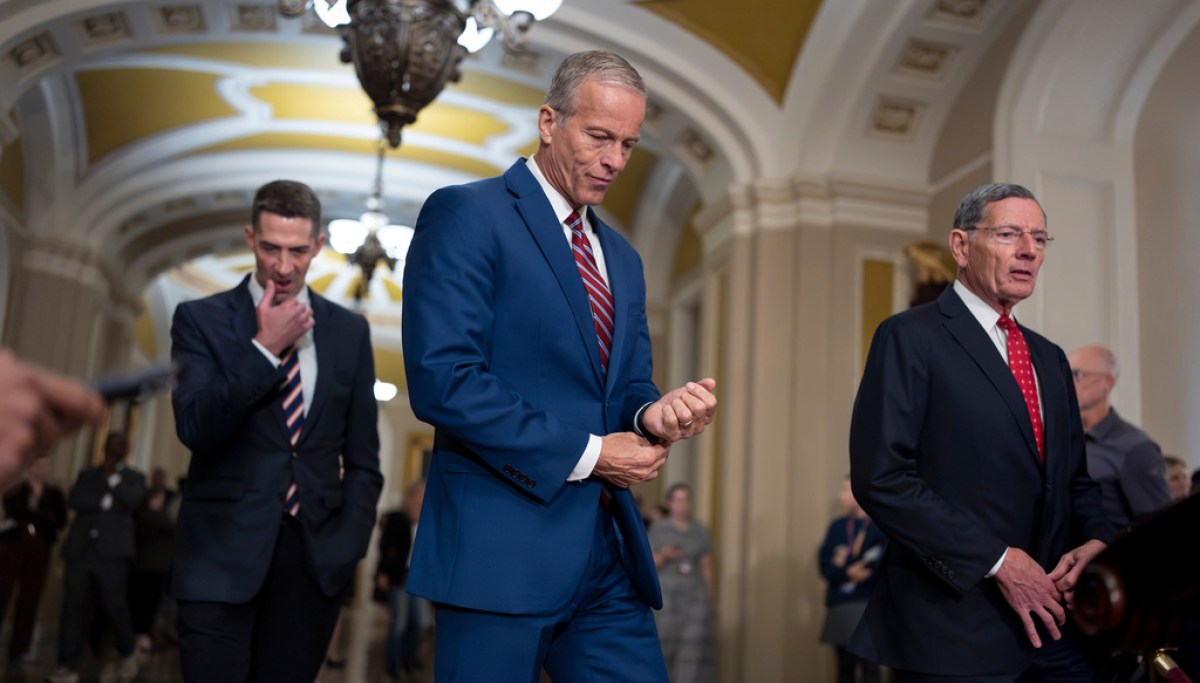
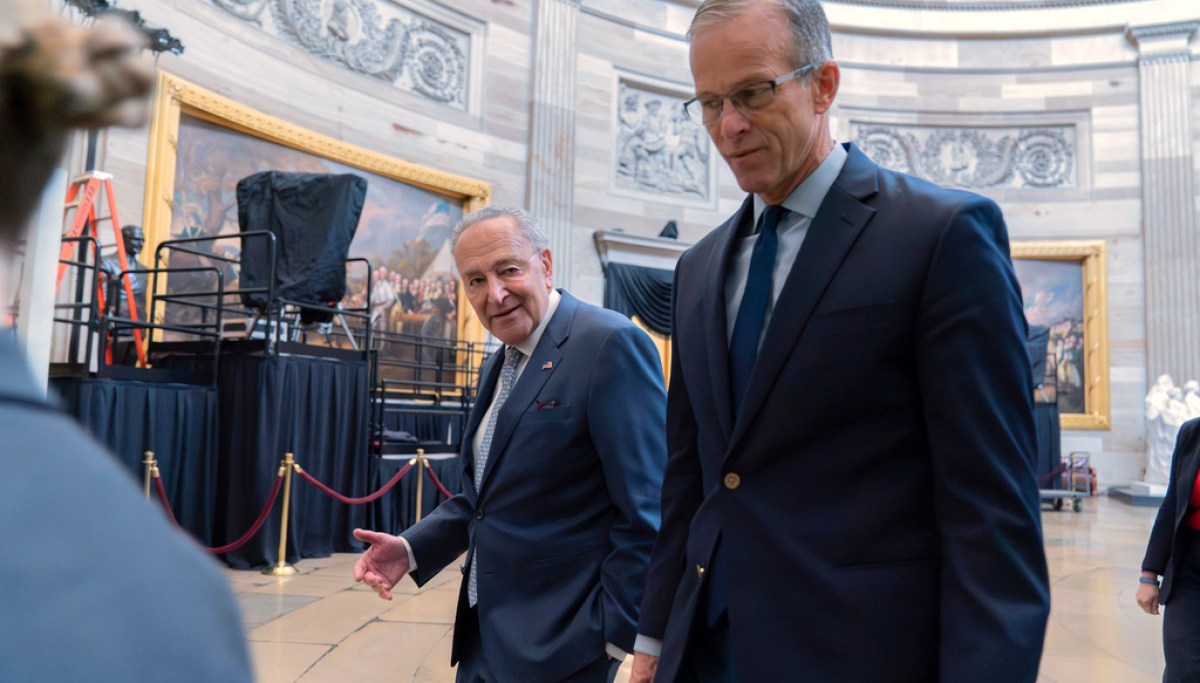
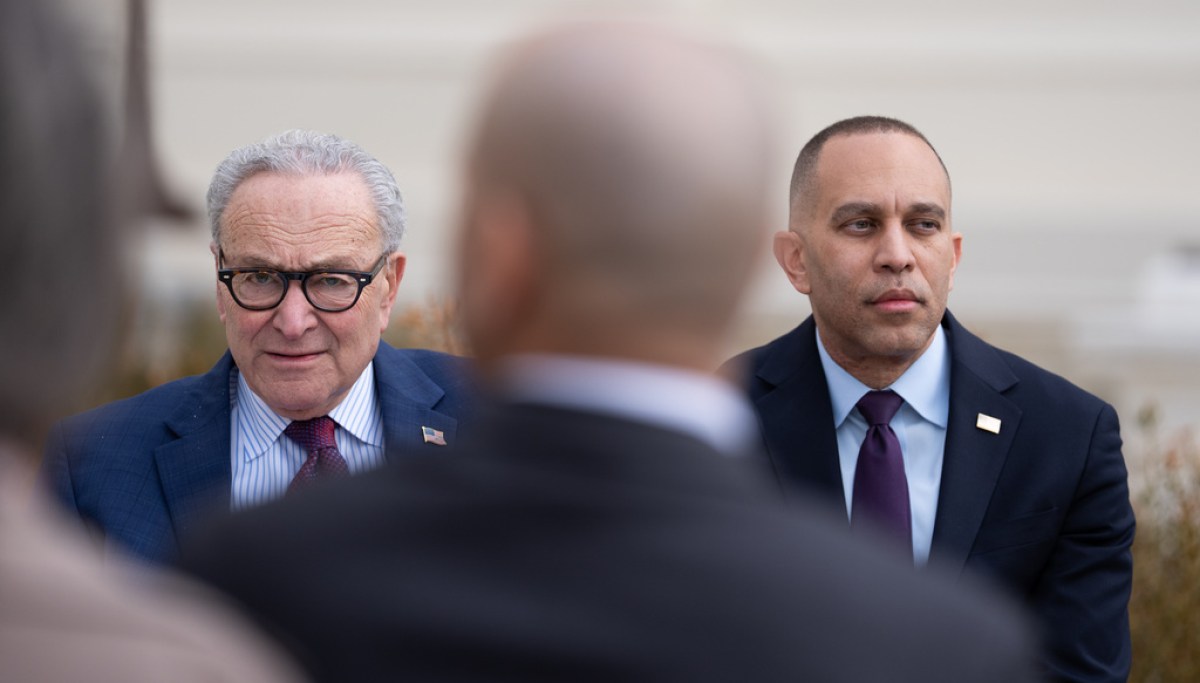
Senate Republicans, led by Majority Leader John Thune, face a dilemma: they must decide whether to stay in Washington to pass policy measures or leave for campaigning ahead of November’s midterm elections. Key pieces of legislation aimed at lowering insulin costs and protecting households from rising energy expenses have bipartisan support but are stalled due to procedural issues and opposition from Democrats. With the House already on recess until after the election, Thune acknowledged that scheduling depends partly on a pending permitting package deal with Democrats, which could allow for floor votes on these bills next week if approved.
Written locally by qwen2.5:14b on 2026-09-24,
using this article's own text rather than the other coverage of the
same event (that is the story summary below).
Story summary
Majority Leader John Thune (R-SD) faces a critical decision as the Senate Republican leadership debates whether to continue legislative work or recess before the November 3 midterm elections. Republicans are concerned about their lack of tangible achievements amid voter concerns over affordability and rising gas prices due to the conflict with Iran. Key issues include Senate Democrats prioritizing nominee confirmations and a bipartisan college sports bill, while Republicans push for bills addressing voters' economic worries, such as capping insulin costs at $35 per month and shielding households from energy cost increases caused by data centers. Senators Jon Husted (R-OH) and Susan Collins (R-ME) are particularly vulnerable in their reelection bids and see these proposals as crucial for their campaigns.
Written for “Midterm Election Strategy” on 2026-10-05,
grounded in this article and the 0 other(s) covering the same event.
Claims extracted
18
claim-shaped sentences
Uncertain
17%
3 of 18 hedged
Leaning
Leans right
of the writing, not the subject · beta estimate
Correction & hedging signals
72.3
corrections and hedging in what we collected;
not a measure of accuracy
Outlets on this story
1
Politics
Narrative spread
1
articles carrying this framing
Senate Republicans face a mounting dilemma whether to pack it up until after the Nov. 3 midterm elections and hit the campaign trail, or stay in Washington for last-minute policy wins that battleground members can take home to voters.
asserted
members → face → voters
It’s a decision looming largely over Majority Leader John Thune (R-SD), as congressional Republicans lament they have few achievements to tout with higher gas prices from the Iran war and voters’ affordability concerns dragging them down.
asserted
concerns → ’ → them
But floor time is hard to come by before an impending recess.
asserted
time → come → recess
The Senate has been addressing this week nominee confirmations and a bipartisan college sports bill to create standards on how athletes are paid, priorities that Republicans warn present poor optics to voters.
asserted
Republicans → address → voters
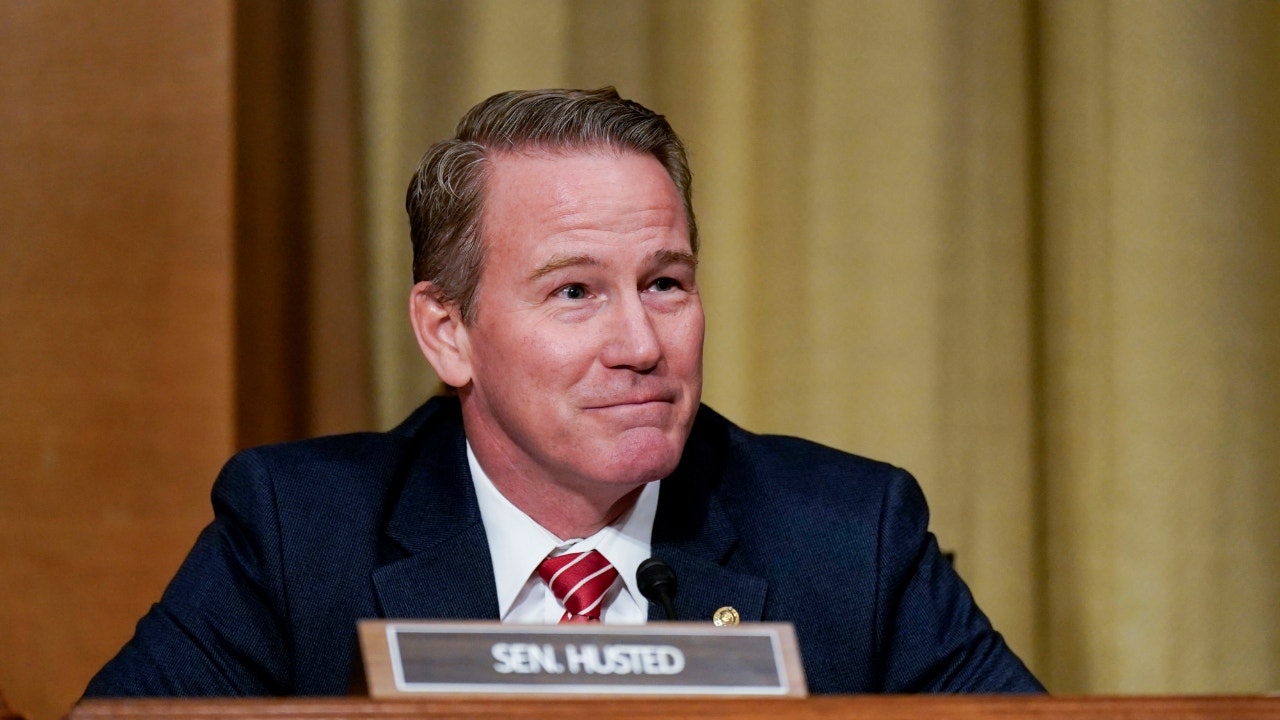
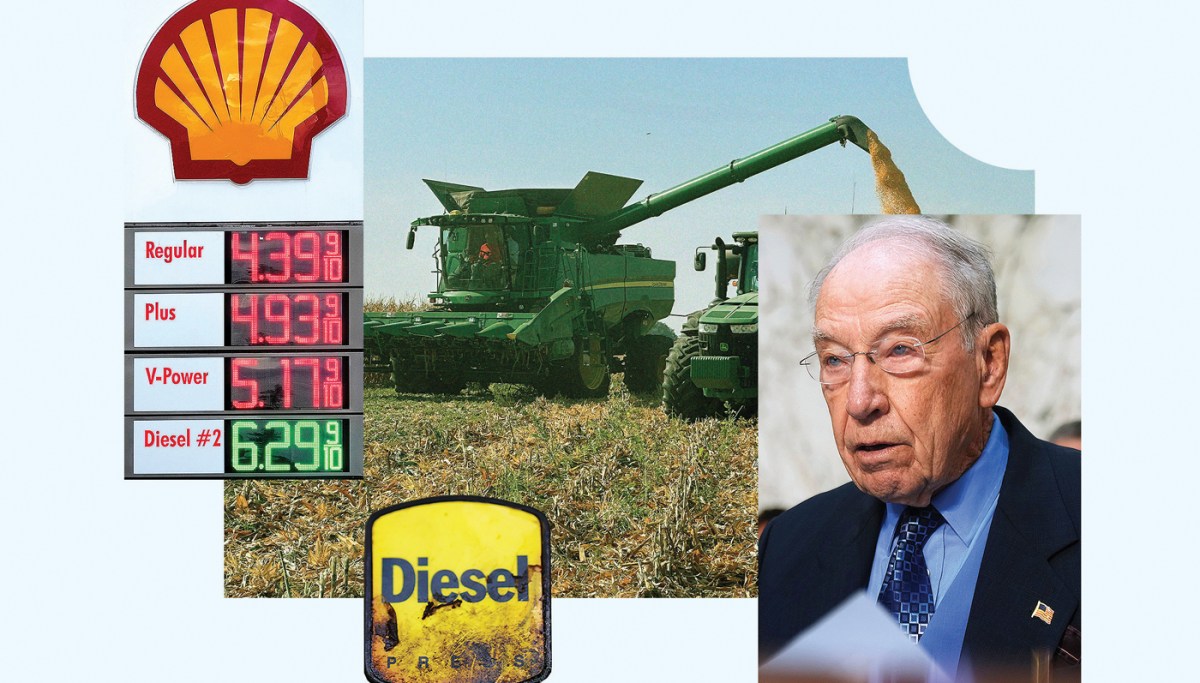
Members want action on pocketbook bills like bipartisan proposals from Sens. Jon Husted (R-OH) and Susan Collins (R-ME), two of the GOP’s most vulnerable incumbents facing toss-up reelections.
asserted
Members → want → reelections
Thune told the Washington Examiner that Collins has a “compelling argument” for her legislation to cap out-of-pocket insulin costs at $35 per month.
asserted
Collins → tell → month
He also called Husted’s proposal, intended to shield households from rising energy costs caused by data centers, a “very worthwhile” bill with a “significant level of interest in having a vote.”
asserted
He → call → vote
It overwhelmingly cleared the House last week 417-3 but was blocked from passing via unanimous consent in the Senate due to opposition from Democrats that it lacks enforcement mechanisms.
asserted
it → clear → mechanisms
“It strikes at the very heart of the issue that a lot of people are talking about right now, which is affordability,” Thune said of Husted’s bill.
asserted
Thune → strike → bill
On paper, the Senate is set to stay in session through next week.
asserted
Senate → set → week
In reality, the upper chamber could embark on recess as early as this week until after the elections.
uncertain
chamber → embark → elections
The House departed last week and won’t return until after Nov. 3.
asserted
House → depart → Nov.
Thune contended part of their scheduling uncertainty was contingent on Democrats reaching a deal with GOP negotiators on a permitting package for new energy projects, which they could begin to advance next week.
uncertain
they → contend → which
Holding procedural votes on the Husted and Collins proposals would also eat up floor time requiring them to remain in session beyond this week.
asserted
Holding → hold → week
“It’s kind of a long list right now of candidates for floor consideration,” Thune said.
asserted
Thune → ’ → consideration
Collins is “encouraging” leadership for a vote on her insulin legislation, an outcome Husted told reporters he, too, was pushing for with his measure.
asserted
he → encourage → measure
“It’s completely bipartisan and would make a big difference to a lot of people,” Collins said.
asserted
Collins → ’ → people
When asked of leadership’s reception to her lobbying, Collins conceded that “a lot of people are pitching bills and waiting to hear” more on what may come next for the Senate.
uncertain
what → ask → Senate
 The Aporia