The Toxic Inheritance of America’s Wars
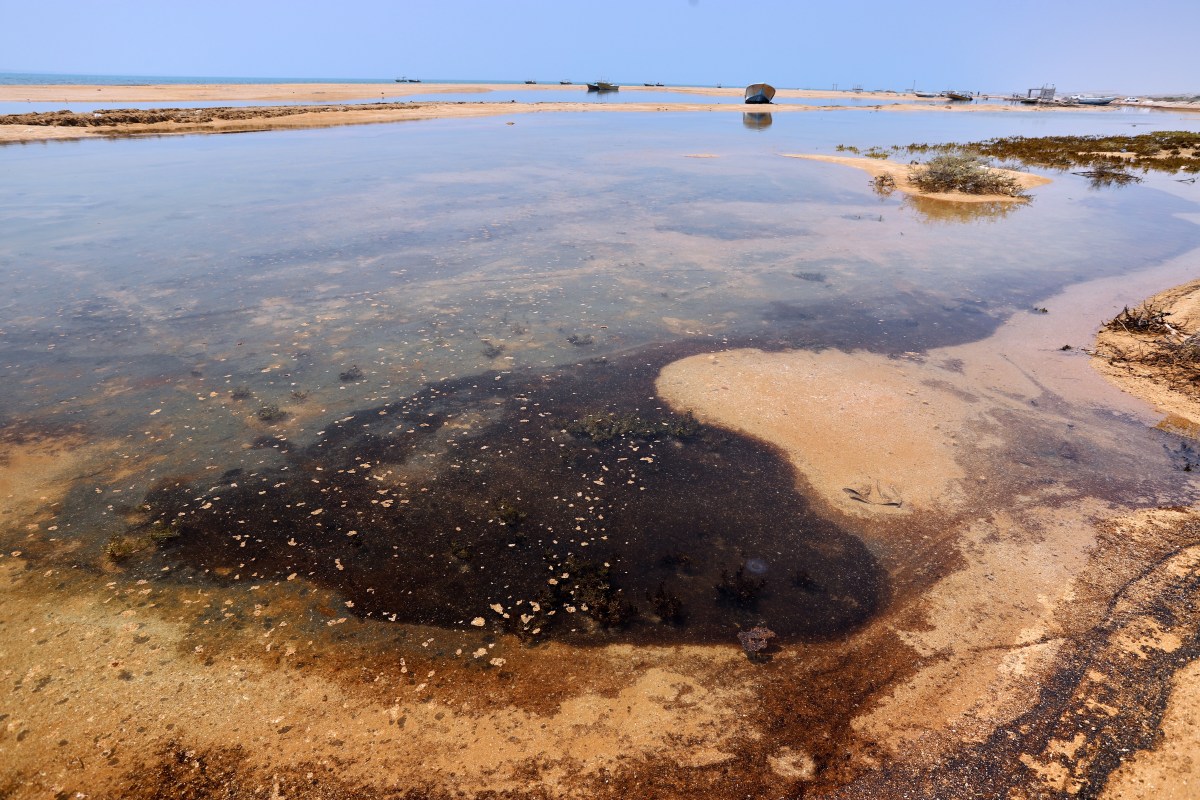
Esmaeil Baqaei, the spokesperson for Iran’s Foreign Ministry, recently warned of the increasing environmental damage caused by the U.S. war, drawing attention to oil contamination in the Persian Gulf that has begun washing up on Iranian shores.
asserted
that → warn → shores
“This incident is only one visible example of the extensive pollution — both overt and concealed — that has degraded the waters of the Persian Gulf and the Sea of Oman,” he wrote on X. “Who bears responsibility for compensating these damages?
asserted
Who → degrade → damages
Is it the nations that consume the inexpensive energy exported from our region, the shipping insurers, or the aggressors and their partners who have transformed the Persian Gulf and the Sea of Oman into a theater for military operations and the testing of highly destructive weaponry?”
asserted
who → consume → weaponry
Alongside death and destruction that has killed or wounded tens of thousands of Iranians, the U.S.–Israeli war has caused massive environmental devastation.
asserted
war → kill → devastation
By March, attacks had already resulted in more than 300 incidents of potential environmental harm, documented across 12 countries in the region, according to a report by the Conflict and Environment Observatory.
uncertain
attacks → result → Observatory
These toxic exposures threaten not only today’s war victims, but also future generations who will grapple with the knock-on effects.
asserted
who → threaten → effects
Major commercial satellite companies have restricted or delayed the publication of their Middle East data at the behest of the U.S. government.
asserted
companies → restrict → government
Likely intended to obscure the true extent of damage inflicted on U.S. military facilities across the region, the ongoing satellite blackout has also hindered the work of those tracking the environmental devastation that has accompanied the conflict since it began in February.
asserted
it → intend → February
Even with the limited data, the Conflict and Environment Observatory has concluded that “[a]ll parties to the conflict” have appeared to target “environmentally risky facilities,” including oil infrastructure and water desalination plants.
asserted
parties → conclude → infrastructure
According to research by the Climate and Community Institute, U.S. and Israeli attacks on Iran in the first 14 days of the war emitted roughly 5 million metric cubic tons of greenhouse gases.
uncertain
attacks → accord → gases
Put another way: In two weeks, coalition strikes produced roughly the same amount of carbon emissions as the country of Iceland does over the course of a year.
asserted
country → Put → year
And as the war dragged on, missile facilities, weapons depots, oil infrastructure, nuclear facilities, dual-use and civilian infrastructure including power stations and desalination plants were also increasingly struck.
asserted
facilities → drag → stations
The environmental threats these targets pose is enormous.
asserted
targets → pose → ?
Damaged desalination plants jeopardize the civilian water supply and flood nearby land and marine environments with harmful chemicals like sulfuric acid.
asserted
plants → jeopardize → acid
Bombed infrastructure fills urban streets with asbestos-contaminated rubble and dust, heightening the risk of respiratory illness and cancer among exposed populations.
asserted
infrastructure → bomb → populations
Damaged weapons facilities pollute surrounding areas with explosives, highly toxic liquid propellants, and heavy metals.
asserted
facilities → pollute → explosives
And the targeting of nuclear facilities risks radiation exposure or worse, an uncontrolled nuclear disaster, like a meltdown.
asserted
targeting → risk → meltdown
Fossil fuel infrastructure has also remained a key military objective for all belligerents.
asserted
infrastructure → remain → belligerents
Israeli strikes on more than two dozen Iranian oil depots in early March engulfed the capital city of Tehran in a cloud of toxic smoke that rained black carbon and sulfuric acid on the city’s 9 million residents.
asserted
that → engulf → residents
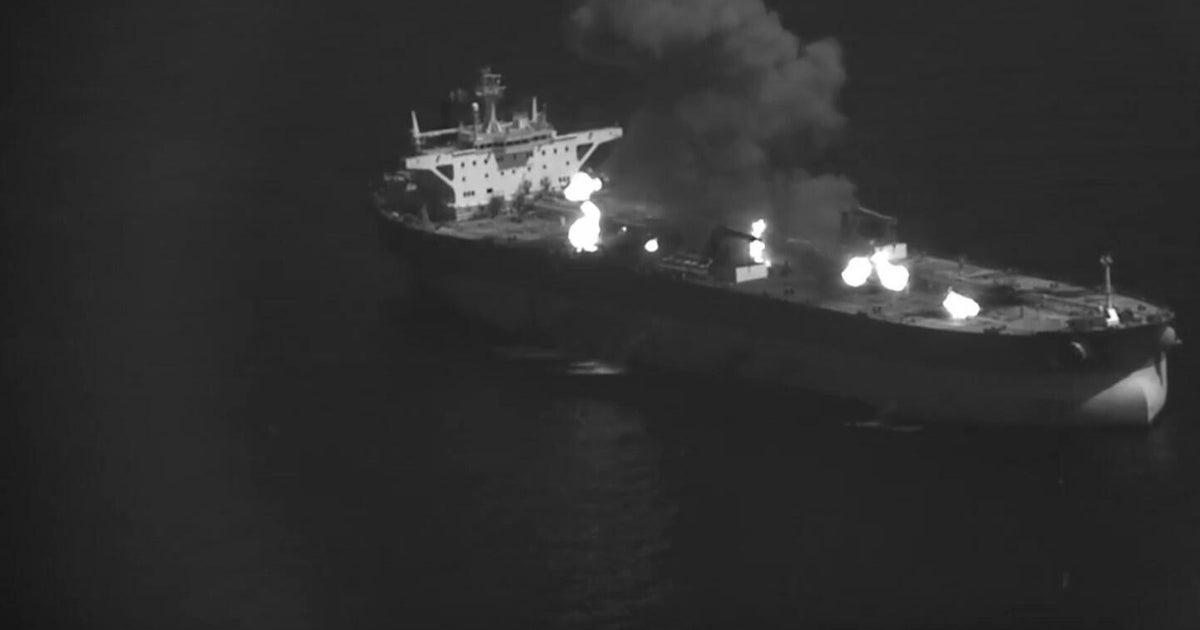
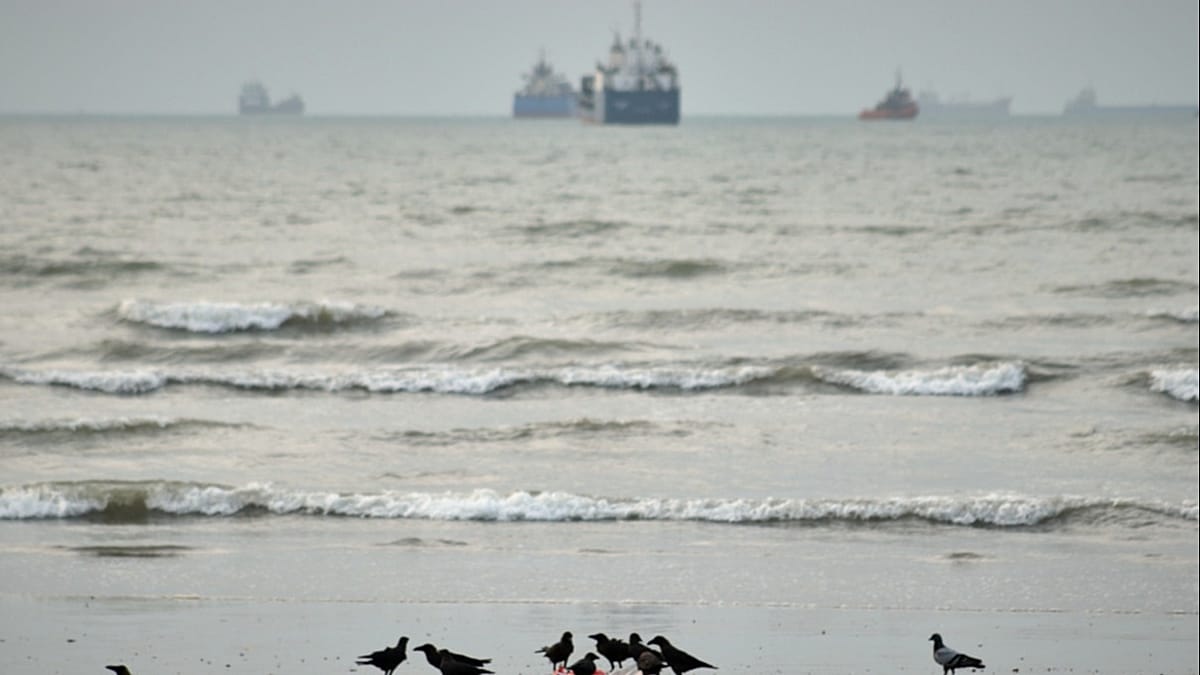
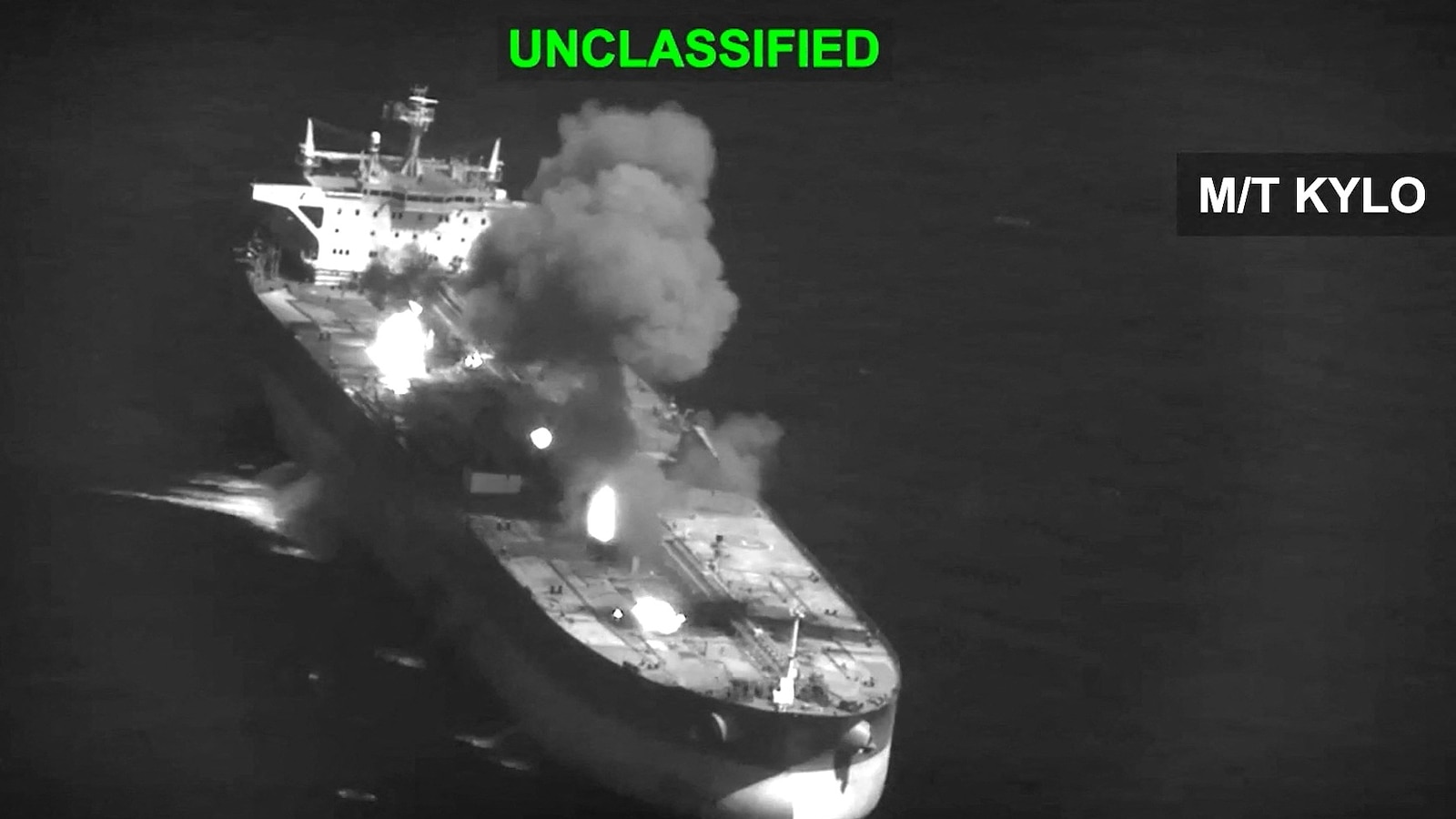
Attacks on oil tankers and other commercial vessels have leached oil and spilled fuel into myriad waterways from the Egyptian port of Damietta, where Iran struck two liquefied natural gas vessels, to the coast of Sri Lanka, where the U.S. sank an Iranian frigate.
asserted
U.S. → leach → frigate
And such environmental damage is likely to increase as the conflict continues to sporadically flare up.
asserted
conflict → increase → ?
The U.S. has a long history of starting wars that leave deep environmental scars.
asserted
that → have → scars
And for decades, U.S. troops have paid for it with exposures to toxic substances, including defoliants like Agent Orange, an herbicide the U.S. sprayed across Southeast Asia in the 1960s and 1970s; smoke from oil depot fires that dotted the landscape in and around Iraq during the 1991 Gulf War; and the military base burn pits of the post-9/11 forever wars.
asserted
that → pay → wars
The PACT Act of 2022 extended healthcare access to millions of veterans who served from the last half of the 20th century to today and now suffer from a wide range of conditions related to such wartime exposures, including cancer, chronic obstructive pulmonary disease, and reproductive issues likely caused or exacerbated by their military service.
asserted
who → extend → service
Health problems among U.S. veterans often mirror those of local communities in war zones as they are exposed to the same toxic substances.
asserted
they → mirror → substances
Just as American troops returned home from Iraq with higher rates of diseases like urinary and blood cancers, doctors in the Iraqi city of Fallujah, for example, reported higher birth abnormalities and miscarriages among the local population.
asserted
doctors → return → population
Fallujah offers a glimpse of the environmental fallout that the people of neighboring Iran may face in the years to come.
uncertain
people → offer → years
More than half of Fallujah was leveled in a U.S. Marine-led siege of the city in 2004.
asserted
half → level → 2004
Hospitals, water systems and electrical grids were destroyed.
asserted
Hospitals → destroy → ?
A similar wave of destruction accompanied the ISIS takeover of the city in 2014.
asserted
wave → accompany → 2014
Fallujah was then besieged and heavily bombed in 2016 during the U.S.–Iraqi military operation that retook the city.
asserted
that → besiege → city
Iraqis in Fallujah fled en masse in both 2004 and 2014.
asserted
Iraqis → flee → 2004
Those who returned were greeted by demolished homes, bomb craters, chemical spills, and houses with ash covered walls littered with bullet holes.
asserted
who → return → holes
Since 2004, Fallujah has seen a 12-fold increase in childhood cancer rates and similar spikes in early onset cancer and respiratory diseases, according to a study co-authored by local physicians.
uncertain
Fallujah → see → physicians
Elevated rates of miscarriages and lethal birth defects that followed the initial U.S. invasion have never diminished.
asserted
that → follow → invasion
Reports on these poor health outcomes by doctors at Fallujah Women and Children’s Hospital led to the creation of a multidisciplinary study steered by researchers from Purdue University in the U.S. and Britain’s Newcastle University which tracked the intergenerational health effects of heavy metal exposure.
asserted
which → lead → exposure
Depleted uranium munitions — which shatter and ignite on impact, allowing them to penetrate heavy armor plating — have been used by the U.S. in combat since the Gulf War.
asserted
them → deplete → War
Spent rounds then release particles of radioactive uranium and other heavy metals, like titanium, into the surrounding earth, water, and air.
asserted
rounds → release → earth
Heavily bombarded areas in Fallujah were left with a greater percentage of heavy metals in their soil as a result.
asserted
areas → bombard → result
Those who returned to the city after the battles, rebuilt their homes, reseeded contaminated farmlands, and drank and bathed in local waters now carry higher levels of radiation and heavy metals in their bodies.
asserted
who → return → bodies
…and 60 more, not listed.
 The Aporia