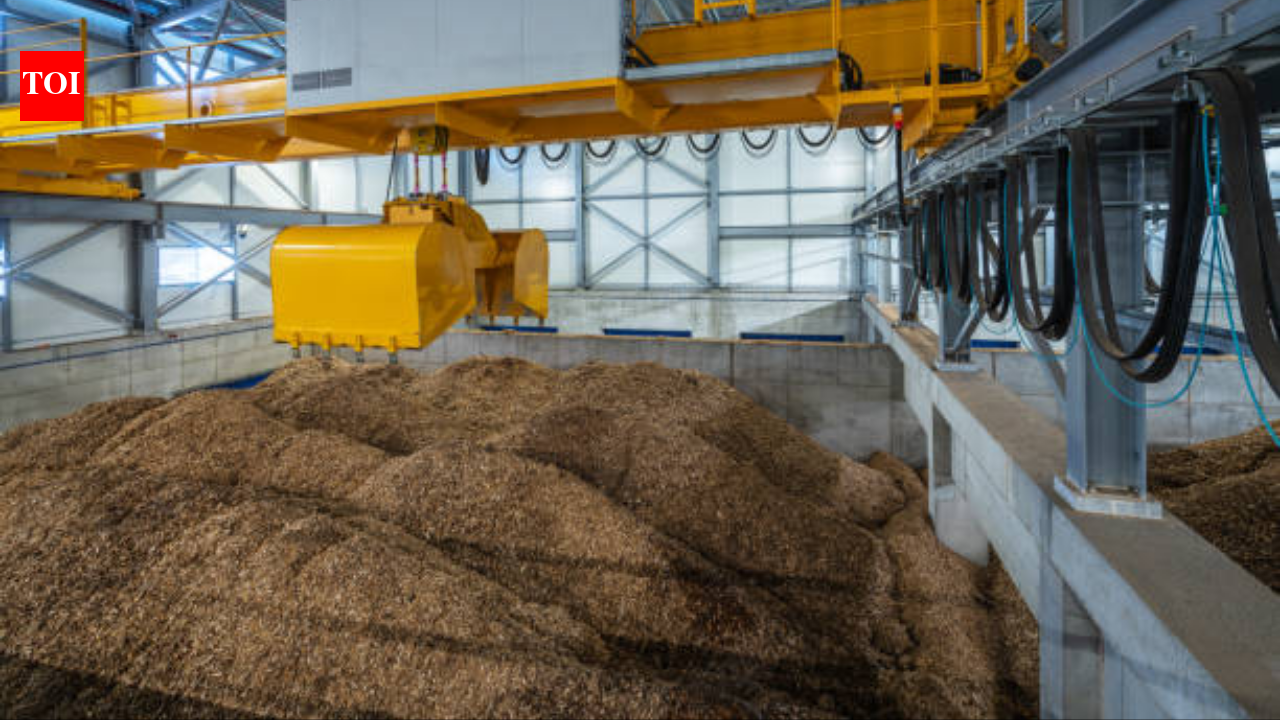
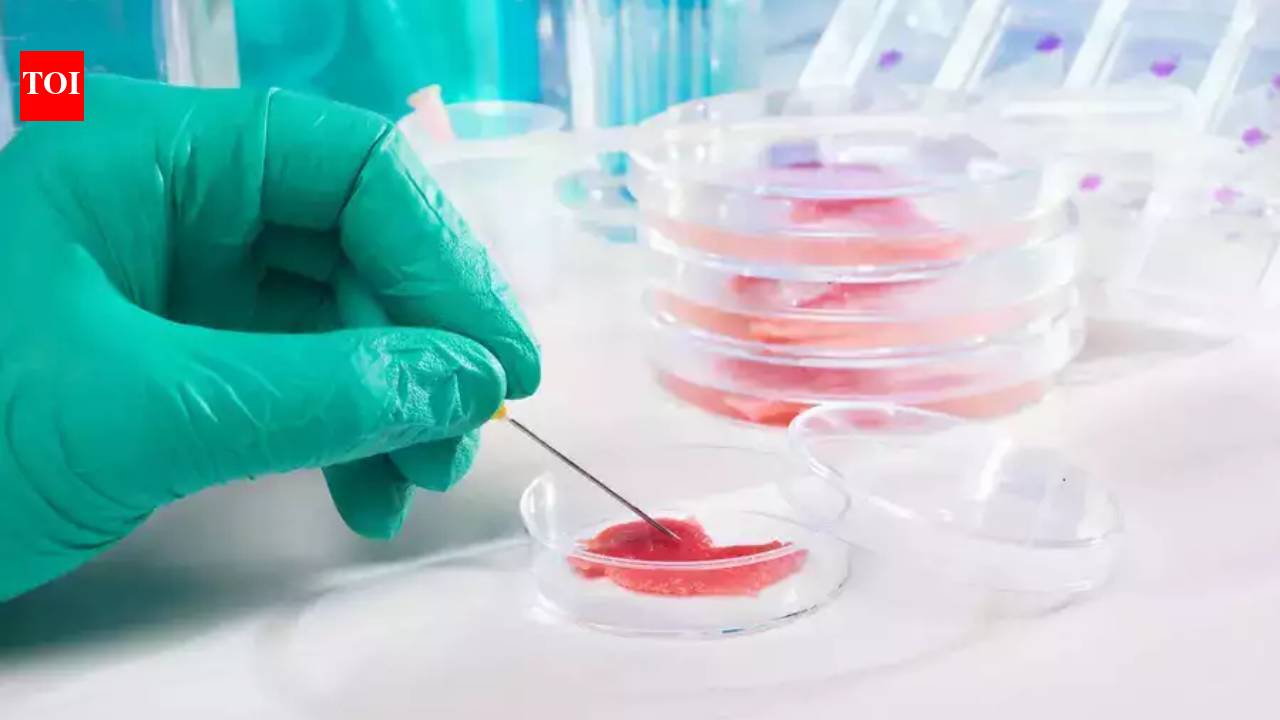
In Canada, wood waste from logging and areas affected by wildfires is finding an unexpected fate.
asserted
waste → affect → fate
A new pilot in the country has begun converting this material into a lightweight, biodegradable wood foam designed to replace products made with plastic foam, according to information released by the
University of British Columbia (UBC).
uncertain
pilot → begin → Columbia
While discarded plastic foams can remain in landfills for over 500 years, this foam is designed to decompose in soil within a few months.
asserted
foam → discard → months
The project is aimed at protecting products in the packaging industry along with working as insulation panels for the construction industry.
asserted
project → aim → industry
Here, one of the main USP's of the foam is that it has been designed to disappear in soil within months.
asserted
it → design → months
The process begins with softwoods such as spruce, pine and fir, a common conifer species in North America.
asserted
process → begin → America
Then the plant uses heat, mechanical processing and minimal amounts of chemical additives to transform the fibres into a lightweight material.
asserted
plant → use → material
The result resembles the foam used in packaging.
asserted
result → resemble → packaging
UBC states that millions of tons of plastic foam packaging end up in landfills every year.
asserted
millions → state → landfills
Some of these can persist in those locations for over five centuries.
asserted
Some → persist → centuries
Here, one of the main USP's of the foam is that it has been designed to disappear in soil within months.
asserted
it → design → months
The technology originated in the lab of Professor Feng Jiang at UBC’s Faculty of Forestry and Environmental Management.
asserted
technology → originate → Forestry
One of the most interesting aspects of it is that it can utilise residues from forestry activities and wildfire.
asserted
it → utilise → activities
Now, it faces one of the most challenging stages for any innovation: moving from the lab to large-scale production.
asserted
it → face → production
The technology is not just undergoing tests at a university.
asserted
technology → undergo → university
DicinFoam’s pilot plant is already operating in Vancouver.
asserted
plant → operate → Vancouver
Currently, the facility can produce between 150 and 200 kilograms of wood foam per day.
asserted
facility → produce → day
DicinFoam is a subsidiary predominantly controlled by Yinka Dene Economic Development Limited Partnership, the business arm of the Wet’suwet’en First Nation.
asserted
DicinFoam → control → Nation
“Dicin” means wood in the Wet’suwet’en language.
asserted
Dicin → mean → language
The intellectual property of the technology is jointly owned by UBC and the Indigenous organisation.
asserted
property → own → UBC
With pilot production, potential buyers can receive the material, test its performance, and evaluate potential commercial applications.
asserted
buyers → receive → applications
At the same time, the team can validate the production process before building much larger facilities.
asserted
team → validate → facilities
If the current phase works as expected, the scale will change rapidly.
asserted
scale → work → ?
The next phase envisions a larger facility in Burns Lake, within Wet’suwet’en territory.
asserted
phase → envision → territory
The goal will be to reach 1,000 tons of biodegradable foam per year.
asserted
goal → reach → year
The expectation is to create up to 15 jobs in the rural community.
asserted
expectation → create → community
After the Burns Lake facility, the team intends to make another leap.
asserted
team → intend → leap
The project calls for a factory with a capacity of 15,000 tons per year on Vancouver Island.
asserted
project → call → Island
This represents 15 times the annual capacity planned for the Burns Lake phase.
asserted
This → represent → phase
Moreover, the expansion could generate between 35 and 60 additional jobs, according to UBC.
uncertain
expansion → generate → UBC
The project aims to create an economic chain where Indigenous communities directly participate in the commercialisation and expansion of the innovation.
asserted
communities → aim → innovation
Additionally, indigenous students will have the opportunity to receive training in sustainable material development and business.
asserted
students → have → development
William Dennis and Shaun Dennis, members of the Huu-ay-aht First Nation, are receiving training at the Vancouver factory.
asserted
Dennis → receive → factory
The idea is that this knowledge will assist in future operations closer to their communities.
asserted
knowledge → assist → communities
According to UBC, Canada currently relies heavily on imported products in this wood-based materials segment.
uncertain
Canada → accord → segment
Consequently, large-scale domestic production could also meet this demand.
uncertain
production → meet → demand
 The Aporia