The Social Security trust fund is running out, and yet it's not a top campaign issue
asserted
it → run → ?
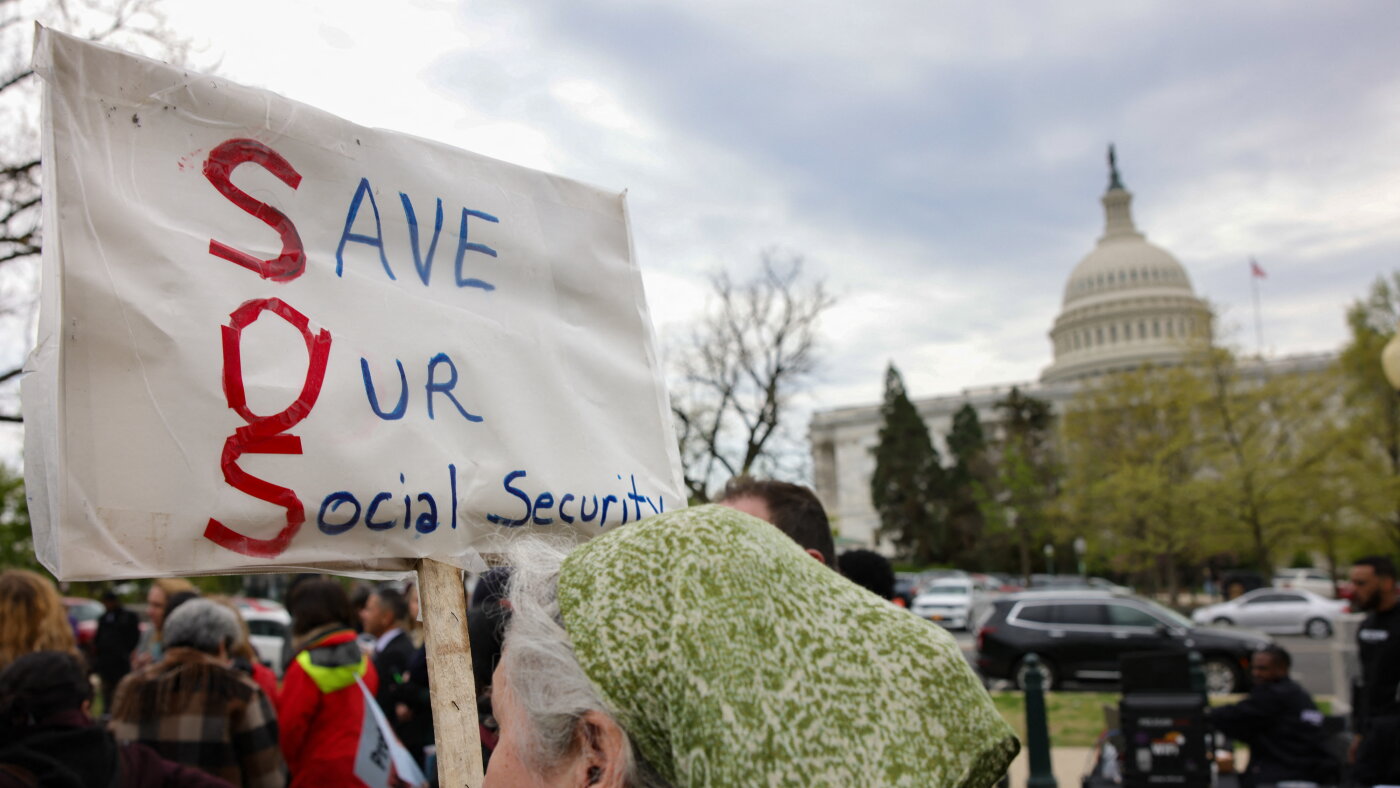
Congress has about six years to shore up the Social Security trust fund, which is expected to run out of reserves by the end of 2032.
asserted
which → have → 2032
Enacting a solution is liable to be a significant political battle, likely involving cutting benefits for some Americans or raising taxes on higher earners, or both.
asserted
Enacting → enact → earners
And so far, congressional leaders haven't made it a top-tier issue.
asserted
it → make → ?
Democratic Sen. Elizabeth Warren and Republican Sen. Bernie Moreno proposed raising the payroll tax for some Americans.
asserted
Warren → propose → Americans
Revenues from the tax go into the trust fund.
asserted
Revenues → go → fund
But that bipartisan effort was immediately panned by conservative groups, and little else has emerged as a serious solution.
asserted
little → pan → solution
This limited public discussion has created a separate concern, experts warn: that most Americans don't fully understand the problems Social Security faces — let alone be able to weigh in on solutions to the coming shortfall.
asserted
Security → create → shortfall
"There is a lot of misunderstanding about what all of this even means," Bill Sweeney, senior vice president for government affairs at AARP, told NPR.
asserted
Sweeney → be → NPR
Sweeney's group conducted a poll last year that found that just 34% of those surveyed correctly explained that when the trust fund runs out, Social Security will still be able to make payments, but just at a reduced rate.
asserted
Security → conduct → rate
"That's a failing grade," he said.
asserted
he → fail → ?
"So, we've got a lot of work to do, even on just general education about what it means when the Social Security insolvency date happens."
asserted
date → get → what
Another 36% of respondents incorrectly believe that when the trust fund is depleted, Social Security would be unable to pay any benefits at all.
asserted
Security → believe → benefits
If Congress fails to act, payments are expected to be 22% lower, which could be devastating for the millions of seniors who rely on their Social Security benefits to pay for basic necessities.
uncertain
who → fail → necessities
Sweeney said getting Congress to focus on the Social Security trust fund will be tough because so much else demands their immediate attention.
asserted
much → say → attention
"And so I'm not super confident that they're going to clear the decks and focus on something that's six years away," he said.
asserted
he → go → something
Sweeney is also concerned that Social Security isn't coming up on the campaign trail, particularly among Senate candidates, who serve six-year terms.
asserted
who → concern → terms
"The people who we elect to the United States Senate in November are almost certainly going to be the ones in the Senate in 2032 deciding what to do with people's Social Security," he said.
asserted
he → elect → Security
"And the fact that it's not coming up very often in the debates or in the questions I think is a serious failing.
asserted
I → come → questions
I think we've got to really work on that."
asserted
we → think → that
Andrew Biggs, a senior fellow with the American Enterprise Institute, a right-leaning think tank in Washington, said the key problem with Social Security reform is that Congress has the option to do nothing.
asserted
Congress → lean → nothing
"There's no requirement that Congress act at any given time," he said.
asserted
he → be → time
"They can always choose to kick the can down the road.
asserted
They → choose → road
So you get this cycle where the worse the problem gets, the less Congress wants to talk about it.
asserted
Congress → get → it
"
What voters don't know
Rich Thau, president of messaging firm Engagious, has been moderating focus groups with swing voters for years.
asserted
Thau → know → years
And for the past three months he has asked these voters what they understand about the trust fund's insolvency issues.
asserted
they → ask → issues
Most know very little.
asserted
Most → know → little
He said both major parties need to start doing a better job of educating the public about what is on the table.
asserted
what → say → table
"It's impossible for there not to be buy-in from voters in order to get something done," Thau said.
asserted
Thau → get → voters
"Someone has to pay.
asserted
Someone → have → ?
And you can't cut benefits without people noticing.
asserted
people → cut → benefits
You can't increase … taxes without people noticing.
asserted
people → increase → taxes
So if there isn't buy-in and an acceptance of the looming crisis in Social Security, it's impossible to fix this."
asserted
it → be → this
Thau said most voters don't understand the basics of the financial challenges Social Security faces, or how the program works.
asserted
program → say → challenges
And a lot of individuals, he said, conflate the coming insolvency issues related to the trust fund with longer-term — and long-running — fears that Social Security will not be there for them when they are ready to retire.
asserted
they → say → them
Margaret M., 58, participated in one of these focus groups in Pennsylvania.
asserted
M. → participate → Pennsylvania
She, like all other participants, agreed to take part on the condition that her last name would not be used.
asserted
name → agree → condition
When asked what currently ails Social Security, she was among those who said she wasn't sure it would be available to her.
asserted
it → ask → her
Is there going to be anything there to help myself or, as I said, my son when it comes time for retirement?" Margaret said.
asserted
Margaret → go → retirement
"Luckily, I have some investments put aside, but not everybody does, and they count on that money to live."
asserted
they → have → money
…and 29 more, not listed.