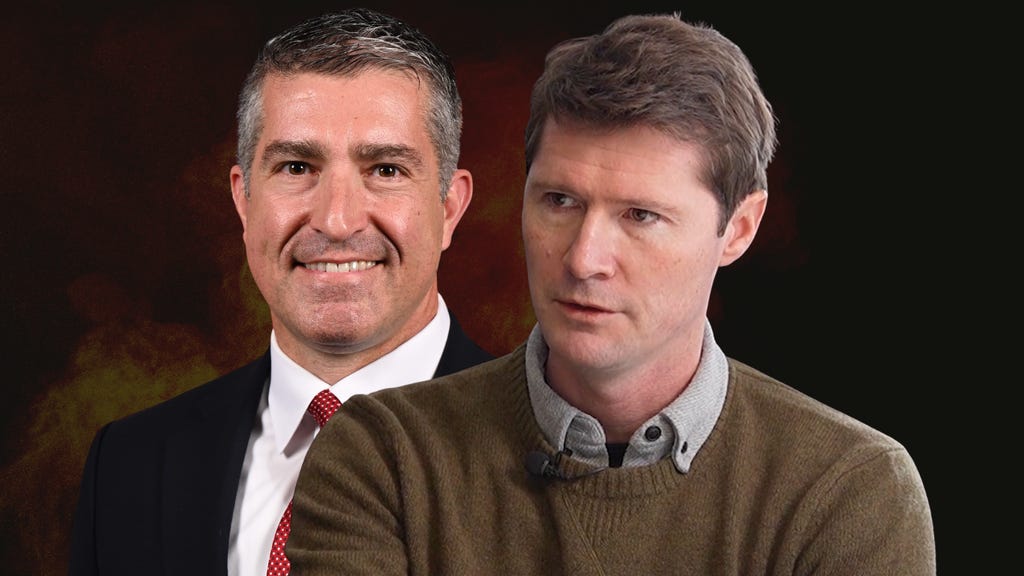
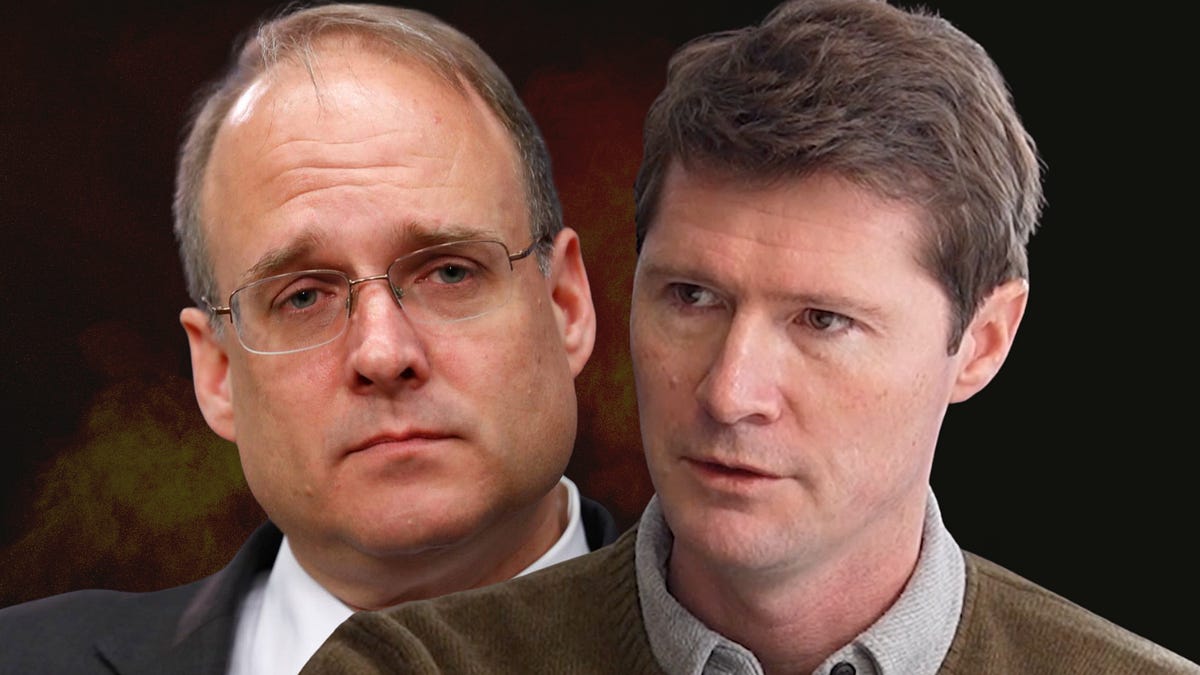
Our Foreign Policy Divide Began with the Korean War

The Free Press · collected 2026-08-28 · by Aaron MacLean
Read the original at The Free Press ↗

Summary

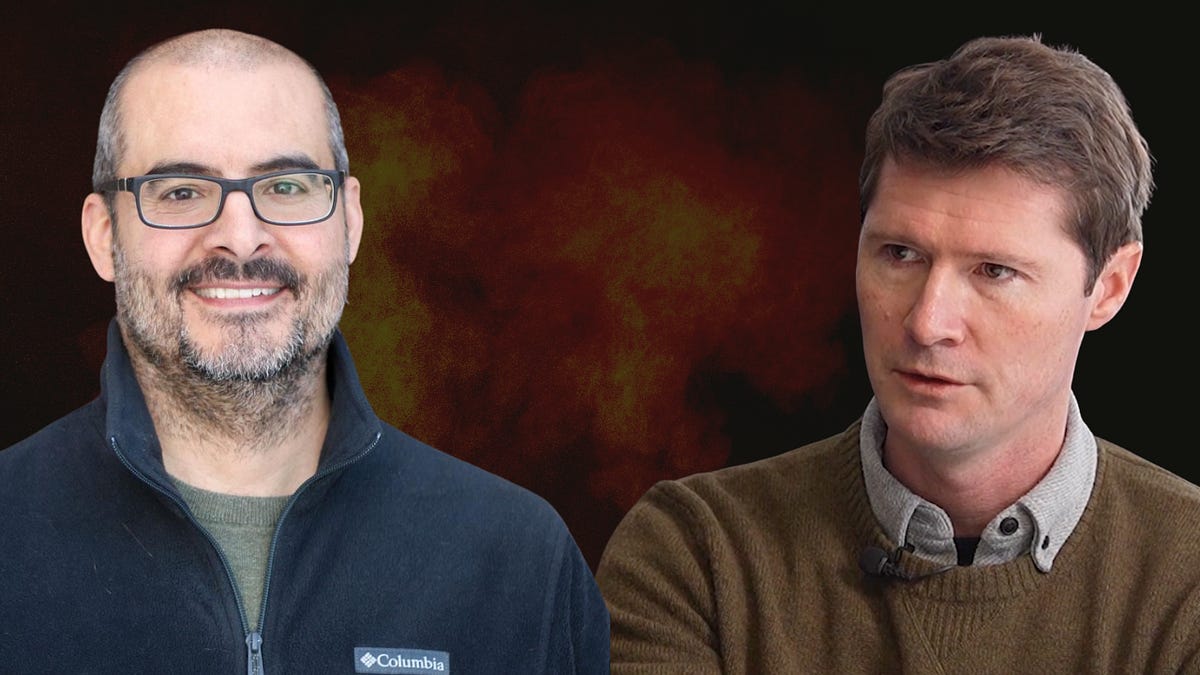
Historian Dane J. Cash argues that the current divisions over American foreign policy were first shaped during the Korean War, which occurred over 75 years ago. According to Cash, who has written extensively on the subject in his book "The Forgotten Debate," the conflict's legacy continues to influence modern debates about isolationism and American power. The article does not provide specific numbers or statistics, but rather serves as an introduction to a discussion between Cash and School of War about the ongoing relevance of the Korean War's lessons. The conversation is presented as part of a podcast transcript, where Cash will elaborate on how the war's ideological divisions continue to impact modern foreign policy discussions.
Written by the local model on 2026-08-28, using this article's own text rather than the other coverage of the same event (that is the story summary below).

Signals How these are calculated →

Claims extracted
6
claim-shaped sentences
Uncertain
0%
0 of 6 hedged
Leaning
withheld
no quote in the article backed the model's score
Publisher trust
96.2
red-flag proxy, not a credibility rating
Outlets on this story
1
Politics
Narrative spread
1
articles carrying this framing
Analyzed 2026-08-28 · how these are computed

AI analysis (generated at analysis time, not now)

Story summary

The current divisions in American foreign policy have their roots in the Korean War, which took place over 75 years ago. Historian and author Dane J. Cash argues that the lessons of this war continue to shape the discourse around modern global conflicts. According to Cash, the Korean War-era debate over isolationism and American power is remarkably similar to the current divide in foreign policy. The issue was also discussed in a book written by Cash, titled "The Forgotten Debate: The Korean War and the Roots of America’s Ideological Divisions".

Written for “US Foreign Policy Controversy Origins” on 2026-08-31, grounded in this article and the 0 other(s) covering the same event.
Why this leaning score
The model judged this article politically coded and scored it -0.35, but none of the 1 quote(s) it offered could be found in the article text, so the score is not published.
Written under an earlier scoring contract, which gave a paragraph rather than checkable quotes. Re-analysing this article replaces it.
Leaning score withheld for article 3020: no verified evidence · logged 2026-08-28

Story

📰 US Foreign Policy Controversy Origins
Politics · 1 article(s) covering the same event. This is the one the site leads with.

How this is being covered How these are calculated →

Article leaning vs. publisher reliability
Source leaning vs. consistency

Compared with similar articles

This article reads unscored and hedges 0% of its claims. Each row says how that neighbour differs.
Persuasion
⚖️ Leans left 🔴 5% hedged 13 of 288
“Article A mentions a conversation between Yascha Mounk and Francis Fukuyama, while Article B discusses the Korean War and its impact on American foreign policy”
Washington Examiner
⚖️ Leans strongly right 🔴 6% hedged 2 of 32 📰 publisher trust 96
“Article A mentions World War II and President Franklin Roosevelt's sanctions on Japan, while Article B discusses the Korean War”
The Bulwark
⚖️ Leans strongly left 🔴 0% hedged 0 of 4
“Article A discusses a 'failed Iran war' and its consequences, while Article B discusses the Korean War, a separate conflict that occurred over 60 years ago”

Publisher

The Free Press · 35 article(s) · 0 correction(s) detected
SignalValueWeight
Correction rate 0.000 0.4
Uncertainty density 0.077 0.25
Assertive mismatch rate 0.000 0.35
No corrections detected for this publisher. That may mean careful reporting, or simply that nothing has been checked.

Who wrote this

Aaron MacLean
3 article(s) here · 0 carrying a prediction
🔮 From “a whole civilization will die tonight” in April to “economic D-Day” this week, strategic climaxes are promised, but ever deferred.
2026-08-26 · mixed framing · The Tantric War
Also by Aaron MacLean
The Tantric War
2026-08-26 · The Free Press
Inside America’s Fight for Drone Dominance
2026-08-25 · The Free Press
Nothing else under this byline is closely related to this article, so these are simply their most recent.

Topics

America American Korean War School of War the Korean War

Subjects

Dane J. Cash PERSON · 2× America GPE · 1× American NORP · 1× School of War ORG · 1× The Free Press ORG · 1×

Narrative

Dane J. Cash, historian and author of The Forgotten Debate: The Korean War and the Roots of America’s Ideological Divisions, joins School of War to explain how the left’s hawk-dove…
framing: assertive · carried by 1 article(s) · first seen 2026-08-28
2026-08-28 · The Free Press
Our Foreign Policy Divide Began with the Korean War · assertive framing

Claims (6 extracted, 0 hedged)

More than 75 years after the Korean War, its lessons endure—and divisions over isolationism and American power continue to shape the discourse around modern global conflicts. asserted
divisions → endure → conflicts
Dane J. Cash, historian and author of The Forgotten Debate: The Korean War and the Roots of America’s Ideological Divisions, joins School of War to explain how the left’s hawk-dove… asserted
Cash → join → dove
Generate transcript A transcript unlocks clips, previews, and editing. asserted
transcript → unlock → clips
Our Foreign Policy Divide Began with the Korean War asserted
Divide → begin → War
Dane J. Cash, author of ‘The Forgotten Debate,’ explains why America’s current foreign-policy divisions look remarkably similar to those of the Korean War era. asserted
divisions → explain → era
To support our journalism, and unlock all of our investigative stories and provocative commentary about the world as it actually is, subscribe below. asserted
it → support → world
💬 Give feedback
🕘 History 🎫 Support