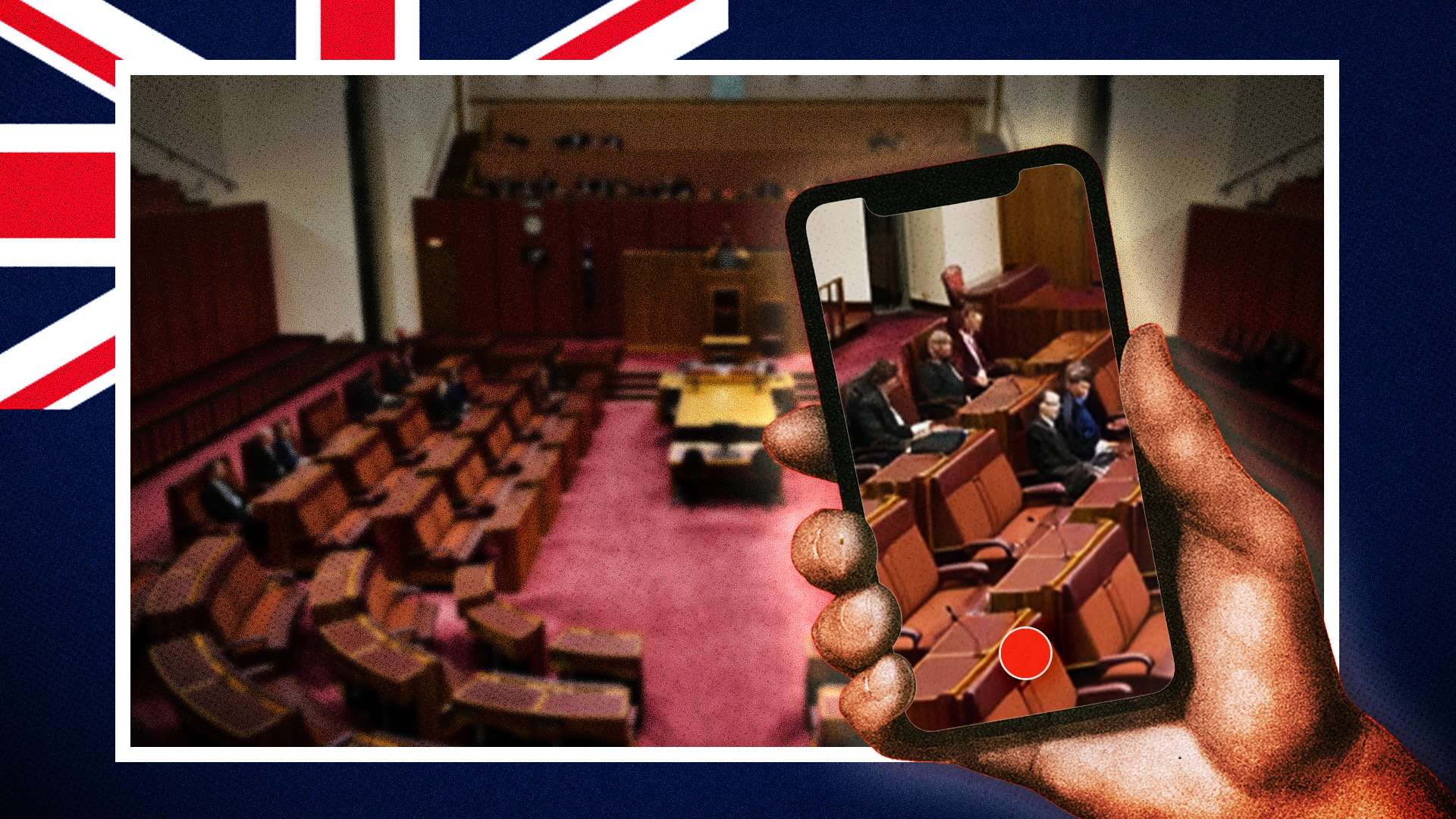
The US embassy has expressed serious concerns over Australia’s proposed law that would allow social media users to opt out of algorithms, calling it censorship. The draft bill, expected to be introduced after a consultation period, requires Big Tech firms to provide an opt-out option for algorithmic feeds or face fines up to $72 million. The US government argues that the vague definitions of "harm" in the proposed laws could lead to viewpoint-based censorship and affect users globally, potentially harming independent journalists’ reach.
Written locally by qwen2.5:14b on 2026-09-23,
using this article's own text rather than the other coverage of the
same event (that is the story summary below).
Story summary
In an unusual move, the US government publicly criticized Australia’s proposed digital duty of care bill, which aims to give users control over algorithmic recommendation feeds. The Trump administration warned that excluding US social media companies from this law would be "extraterritorial censorship of protected speech," potentially neutering the legislation by removing major platforms like Facebook and Twitter from its scope. This rare intervention occurred while Australian Prime Minister Anthony Albanese was in New York promoting tech policies at the United Nations. The US embassy submitted concerns that enforcing vague definitions of harm could lead to viewpoint-based censorship, affecting independent journalists who cover sensitive topics. Australia’s draft bill would impose fines of around $72 million (A$100m) on tech firms if they do not provide users with an opt-out option for algorithms.
Written for “US Criticizes Australian Digital Care…” on 2026-10-05,
grounded in this article and the 2 other(s) covering the same event.
The US embassy in Canberra has raised “serious concerns” over Australia’s proposed laws that would give its social media users the choice to opt out of Big Tech algorithms, calling it “censorship of protected speech”.
asserted
that → raise → speech
A draft bill for the “My Feed, My Way” initiative was released by the Anthony Albanese government earlier this month, and it is expected to be introduced in Australia's parliament after the consultation period.
asserted
it → release → period
Under the proposed law, Big Tech firms risk hefty fines of around $72m (A$100m) if they do not provide Australia’s over 21 million social media users the choice to opt out of online platform algorithms via pop-up messages.
asserted
they → propose → messages
The Australian government reasoned that the proposed rules would give users the option to make their social media feeds feature only content from accounts they follow, curbing people’s exposure to harmful content online.
asserted
they → reason → content
But in a rare submission to the proposed laws, the US government said it has “serious concerns about the Australian government’s stated goal”.
asserted
it → propose → goal
“We are particularly concerned by potential mandates that would allow regulators to impose rigid, one-size-fits-all platform design requirements – such as forced chronological feeds or opt-in recommendation systems,” the US government said in its submission.
asserted
government → allow → submission
It said the framework’s “vague definitions of ‘harm’” risks becoming a mechanism for “viewpoint-based censorship” that could also affect users outside of Australia.
uncertain
that → say → Australia
The White House had previously flagged that such measures could impose unfair restrictions on US-based tech companies.
uncertain
measures → flag → companies
"Mandated platform design features, especially when applied to algorithms, may affect what users see, say, and hear not just in or from Australia, but globally,” the US government said.
uncertain
government → mandate → Australia
“We ask that Australia clarify how exactly ‘harm’ and ‘risks’ shall be determined, if there are any standard definitions that will be utilised, and by whom in the context of the proposed plans, ensuring these definitions do not encroach on protected speech,” it said.
asserted
it → ask → speech
The proposed laws, according to the US, may also risk “reducing the reach of independent journalists or other voices whose content touches on sensitive or controversial topics”.
uncertain
content → propose → topics
Under the proposed laws, if platforms are forced to filter content “to satisfy a government mandate and such filtering draws in protected speech, the effect on a disfavoured speaker or media source’s reach would not be meaningfully different than outright removal,” the US said.
asserted
US → propose → removal
“The US government would likely consider such a measure as facilitating censorship,” it said, adding that it could also “affect Australia’s reputation as a jurisdiction that enables innovation”.
uncertain
that → consider → innovation
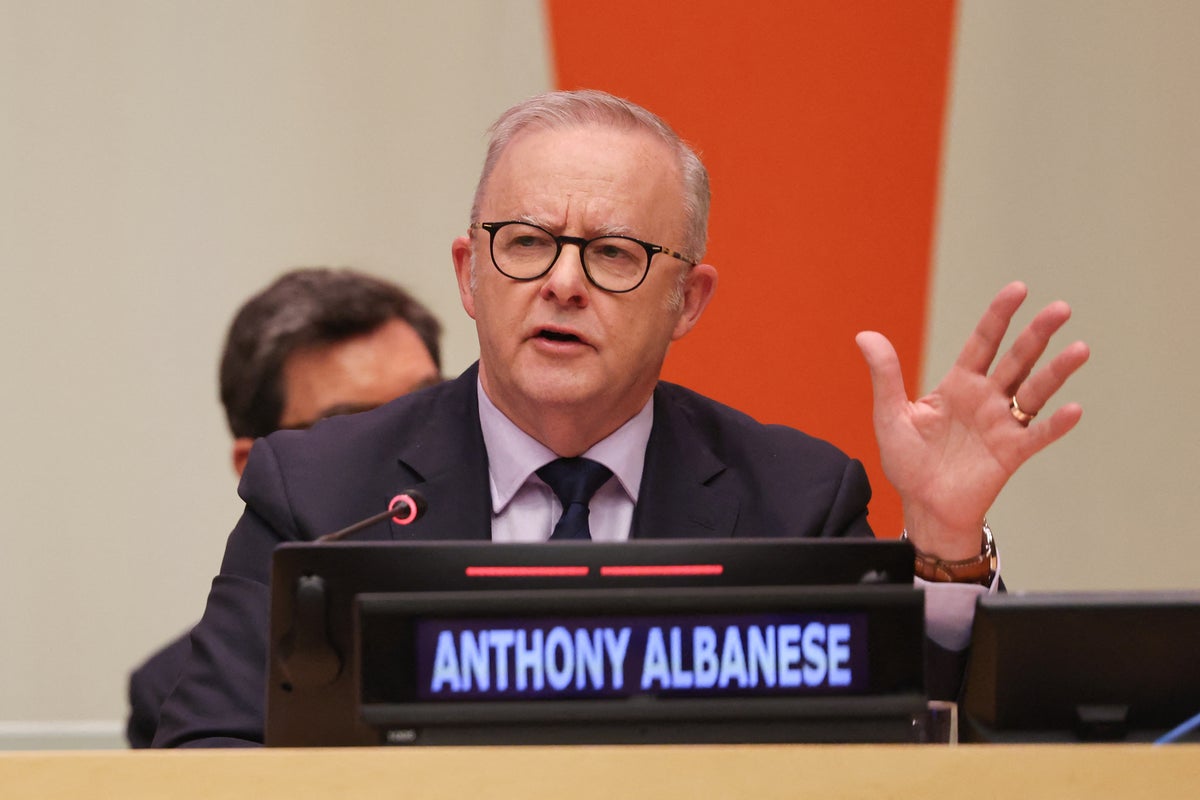
The submission comes amid the Australian prime minister’s US visit to speak at the UN General Assembly.
asserted
submission → come → Assembly
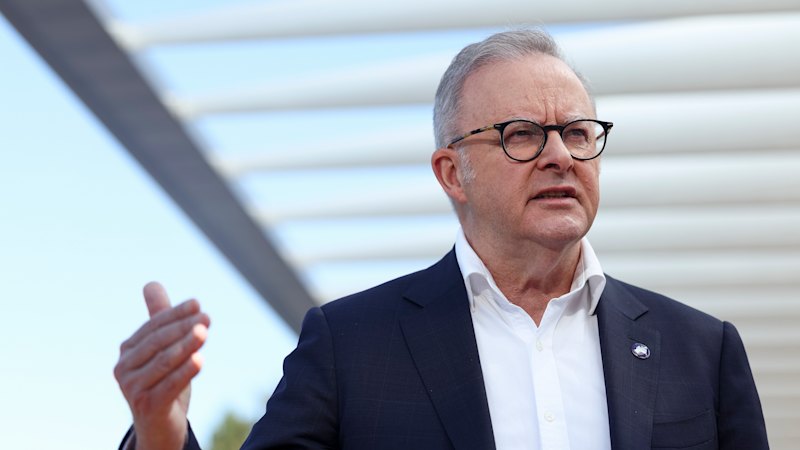
Mr Albanese defended his government’s proposed laws, stating he would "always stand up for Australian interests".
asserted
he → defend → interests
Speaking to journalists in New York, he said the proposed move is “not about giving government control”.
asserted
move → speak → control
“It's about giving people back control over what they receive on their devices,” he said, adding that his administration would "engage constructively" before finalising the legislation.
asserted
administration → give → legislation
 The Aporia