President Donald Trump has invoked national security more frequently as resistance to his policies mounts. Recently, he declared his planned triumphal arch near Washington would serve as a military complex for security purposes, and banned certain news outlets, claiming they pose a threat to national security. Legal experts note that Trump is using these claims more broadly than previous presidents. A senior White House official acknowledged this approach helps bolster presidential authority when facing legal challenges or opposition. This strategy coincides with his lowest approval ratings at 32%, according to recent polls.
Written locally by qwen2.5:14b on 2026-09-22,
using this article's own text rather than the other coverage of the
same event (that is the story summary below).
As resistance mounts, Trump reaches for a familiar shield: national security
WASHINGTON, Sept 22 -
asserted
Trump → mount → shield
As President Donald Trump's agenda has increasingly encountered resistance, he has turned to a familiar strategy: invoking national security.
asserted
he → encounter → security
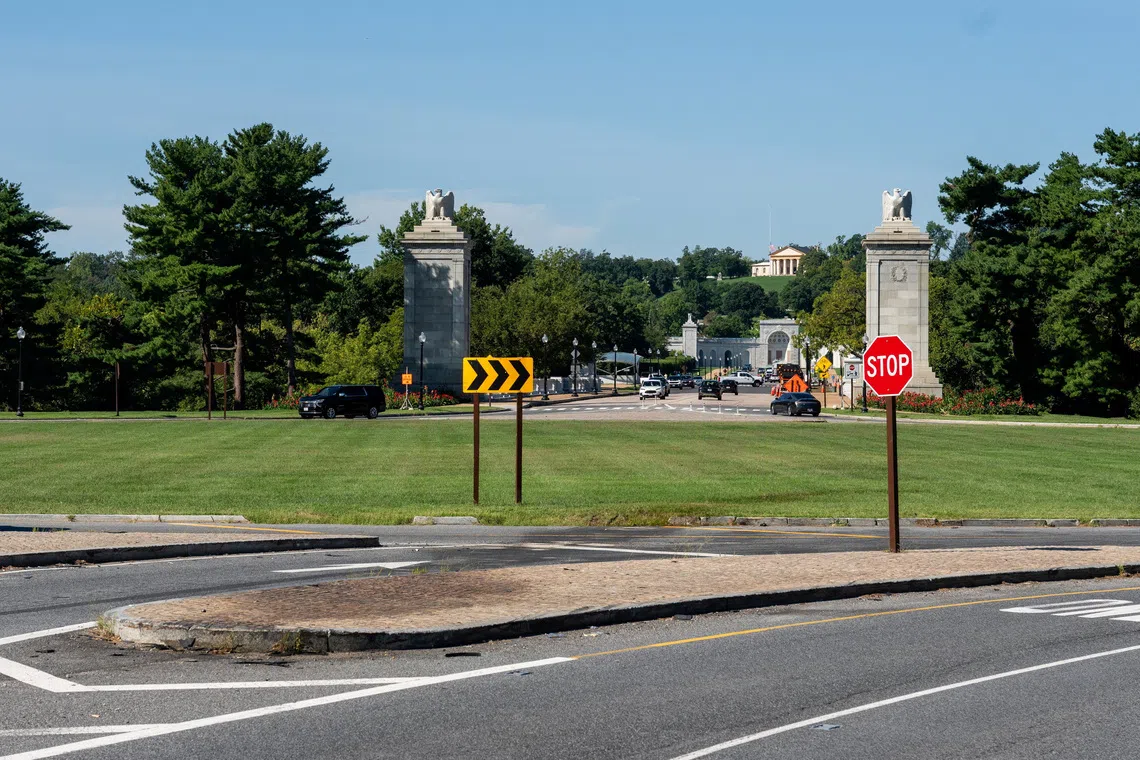
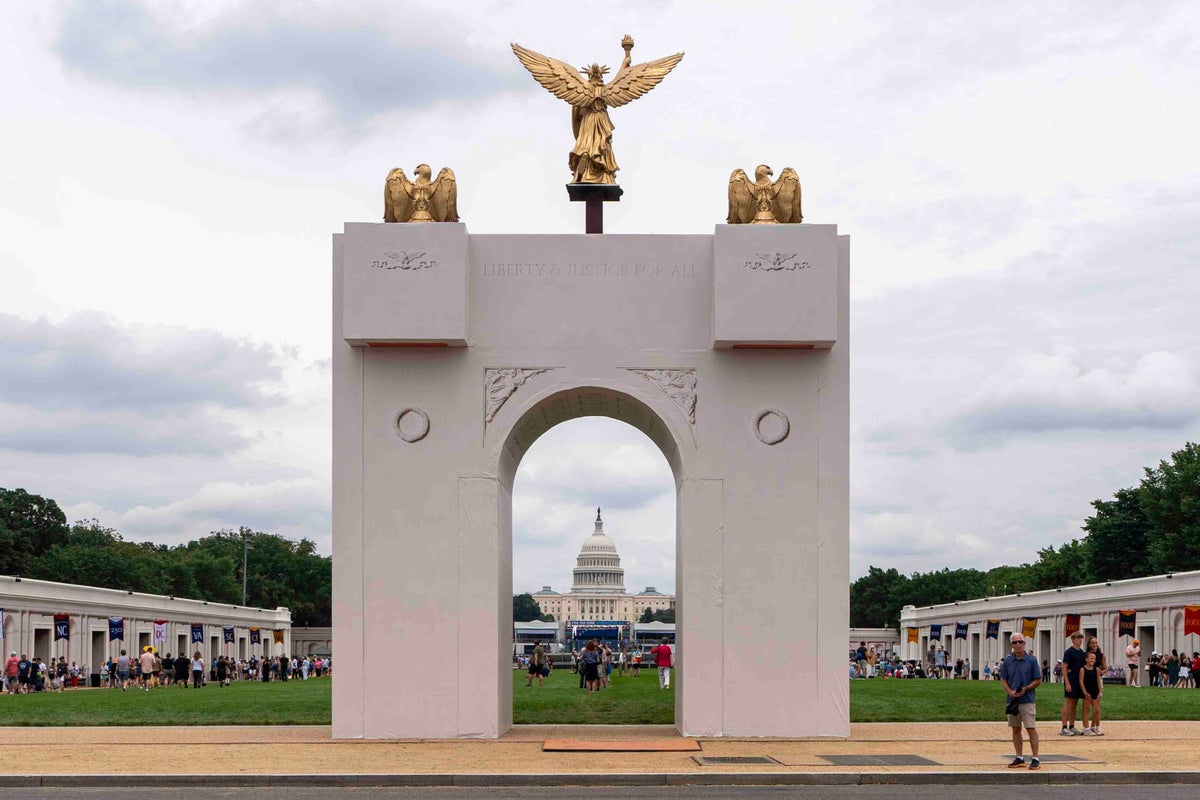
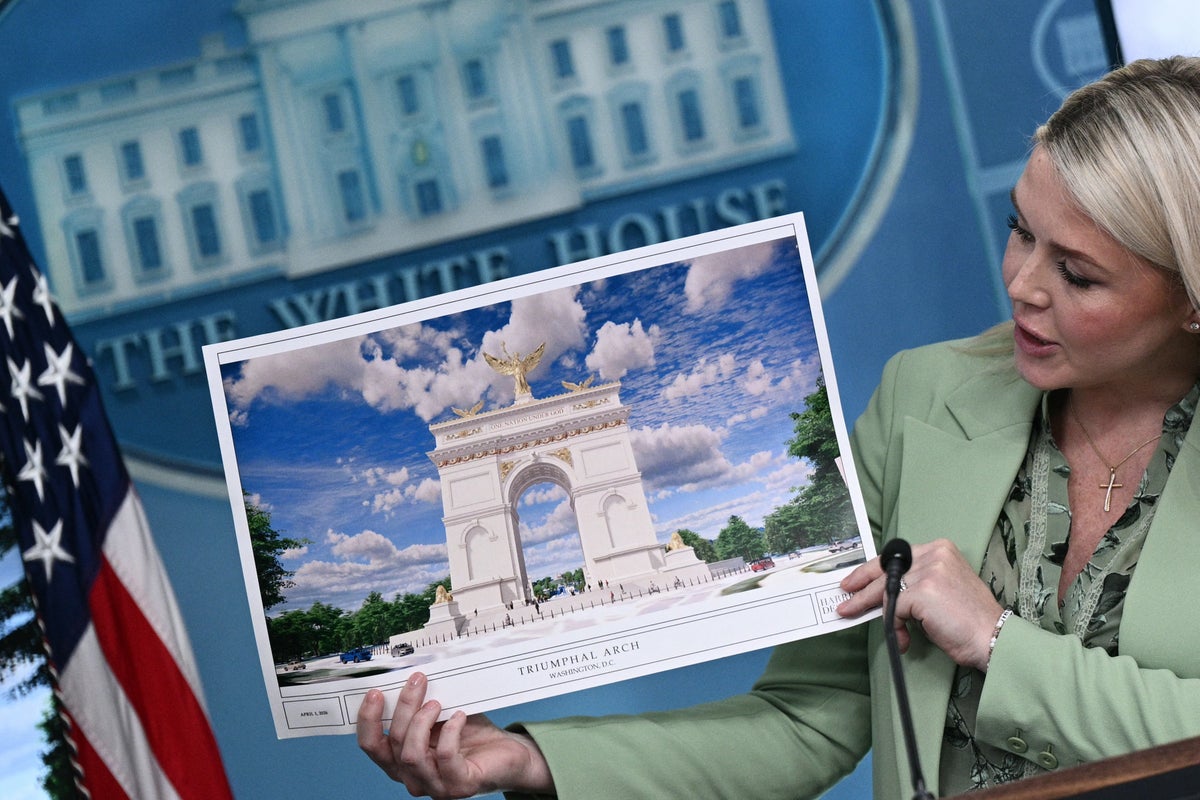
Just this weekend, Trump declared that his planned 250-foot triumphal arch near Washington would also serve as a "military complex" to ensure national security, outfitted with snipers, drones and ammunition.
asserted
arch → declare → snipers
On Monday, Trump wrote on social media that the news outlets he has banned from the White House — CNN, MS NOW and Politico — represented a "threat to our National Security."
asserted
he → write → Security
The twin declarations represented the latest efforts in the president's broader campaign to use national security concerns to justify presidential actions in the face of legal roadblocks, political defiance and popular opposition.
asserted
declarations → represent → roadblocks
During his second term in office, Trump has cited the nation's security to advocate for his planned $400 million White House ballroom; the cancellation of offshore wind farm projects; the dispatching of National Guard troops to Democratic-led US cities; and many of his tariffs on foreign goods.
asserted
Trump → cite → goods
In each case, the security claim was aimed at bolstering presidential authority in the absence of formal congressional approval.
uncertain
claim → aim → approval
While US presidents have long used national security as a potent legal and political justification, legal experts said Trump is applying it more broadly and frequently than his predecessors, including for issues that have little clear connection to security matters.
asserted
that → use → matters
The reliance on such claims is no accident, according to a senior White House official with knowledge of the matter, who said the administration sees security justifications as a useful way to strengthen Trump's position when his priorities run into legal challenges.
uncertain
priorities → accord → challenges
The official, who spoke on condition of anonymity, said expanding national security into an all-purpose defense is “not ideal," but doing so changes “the legal and political terrain of a dispute.”
"It's working," the official said.
asserted
official → speak → dispute
In response to a request for comment from the White House, a second senior administration official said it is the president's prerogative as commander-in-chief to protect national security.
asserted
it → say → security
The official said the ballroom project includes security enhancements developed with the White House Military Office and Secret Service, and that journalists who solicit classified information and disclose sensitive details can act against US national security interests.
Trump's latest moves coincide with his approval rating hitting the lowest level of his political career at 32%, according to a Reuters/Ipsos poll released on Monday.
uncertain
rating → say → Monday
Just 17% of Americans approve of his handling of the cost of living, voters' top concern, and the war in Iran is broadly unpopular.
asserted
war → approve → Iran
In the span of five days last week, the Supreme Court rejected Trump's bid to limit mail ballots; diesel fuel prices hit a new record high; and a federal judge blocked adding his name to the facade of the Kennedy Center, prompting Trump to threaten to cancel planned renovations unless the ruling is overturned.
Trump's argument for the arch appeared to be following the playbook he used for the ballroom, which includes upgrades to an underground bunker at the White House.
asserted
which → reject → House
In both cases, the president pivoted to describing the project as a "military complex" and an urgent security priority only after each was slowed by lawsuits and a lack of support from Congress.
asserted
each → pivot → Congress
In a social media post on Sunday, Trump said the US military had requested the changes to the planned arch.
asserted
military → say → arch
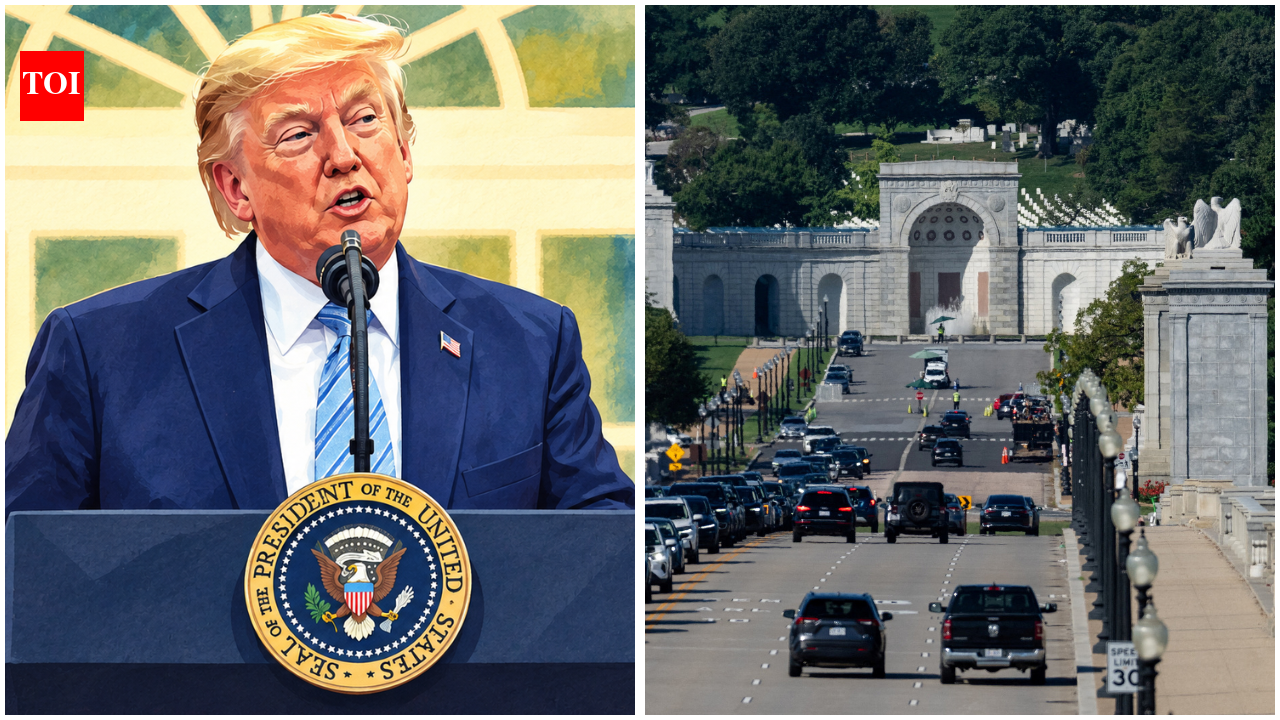
It would now feature snipers on the roof and plaza as well as drones and "large quantities of sniper ammunition," he said, despite its location on a busy traffic circle less than a mile from the Pentagon.
asserted
he → feature → Pentagon
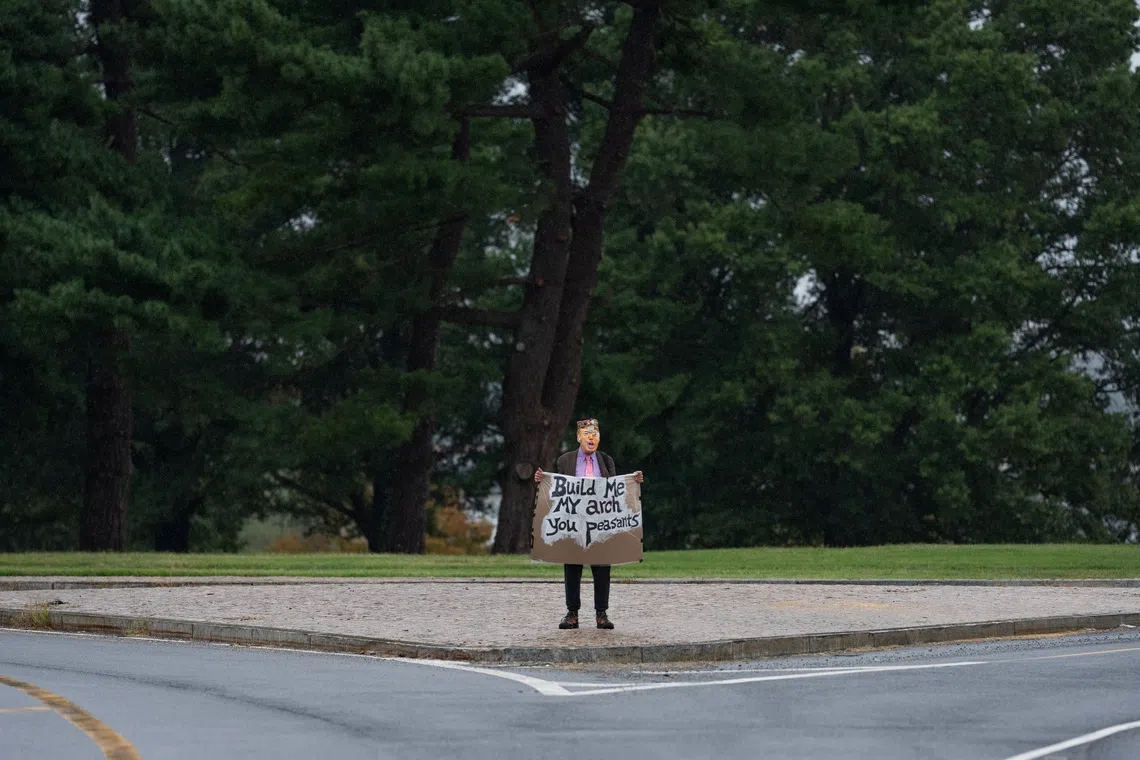
Critics said the move seemed aimed at countering opposition to the monument.
asserted
move → say → monument
"He knows aviation safety experts, Veterans and the American people are against building this golden arch — and so naturally, the President wants to exploit our military as a political shield to proceed,” said Democratic Senator Tammy Duckworth of Illinois.
asserted
Duckworth → know → Illinois
The ballroom case, the White House official said, showed that adding a security dimension can deter courts from intervening, after the administration failed to prevail in lower courts on presidential authority alone.
asserted
administration → say → authority
The Supreme Court last month allowed construction to proceed, citing in part national security concerns.
asserted
construction → allow → concerns
The official said the same logic could apply to disputes over press access, noting that courts are more likely to defer to the president in matters of national security rather than a First Amendment dispute.
uncertain
courts → say → dispute
Courts could become less willing to accept Trump's national security claims if he continues to broaden them, legal experts said.
uncertain
experts → become → them
If an administration strains credulity, that jeopardizes "the traditional deference presidents of the nation have received from the public, from courts, and from allies when invoking national security and doing so in good faith," said James Baker, director of the Syracuse University Institute for Security Policy and Law and a former federal judge.
asserted
Baker → strain → Policy
Courts and Congress have especially given presidents latitude on the issue since the September 11, 2001, attacks, said Elizabeth Goitein, an expert on national security at New York University's Brennan Center for Justice.
asserted
Goitein → give → Justice
But it becomes "a hard sell" when Trump invokes security concerns on matters with little obvious nexus, such as the arch, she said.
asserted
she → become → arch
Framing negative White House media coverage as a security issue, she added, was "so transparent" that "I can imagine it backfiring."
asserted
it → frame → issue
 The Aporia