That is 0 articles you have read today.
The Aporia is free and carries no advertising, so readers are the only
thing paying for it. If you are getting this much out of it, a small
donation is what keeps it independent.
Daily limit reached
You have read 0 articles today.
That is more than the 15 a day The Aporia gives away,
and well past what it can carry on nothing. Your allowance resets at
midnight.
There is no advertising here and nothing about you is sold, so readers
are the only thing paying for it. If the site is worth this much of
your day, it is worth a few dollars.
Everything else stays open: the
maps, the
directory and
search do
not count against this, and neither does re-opening something you have
already read today.
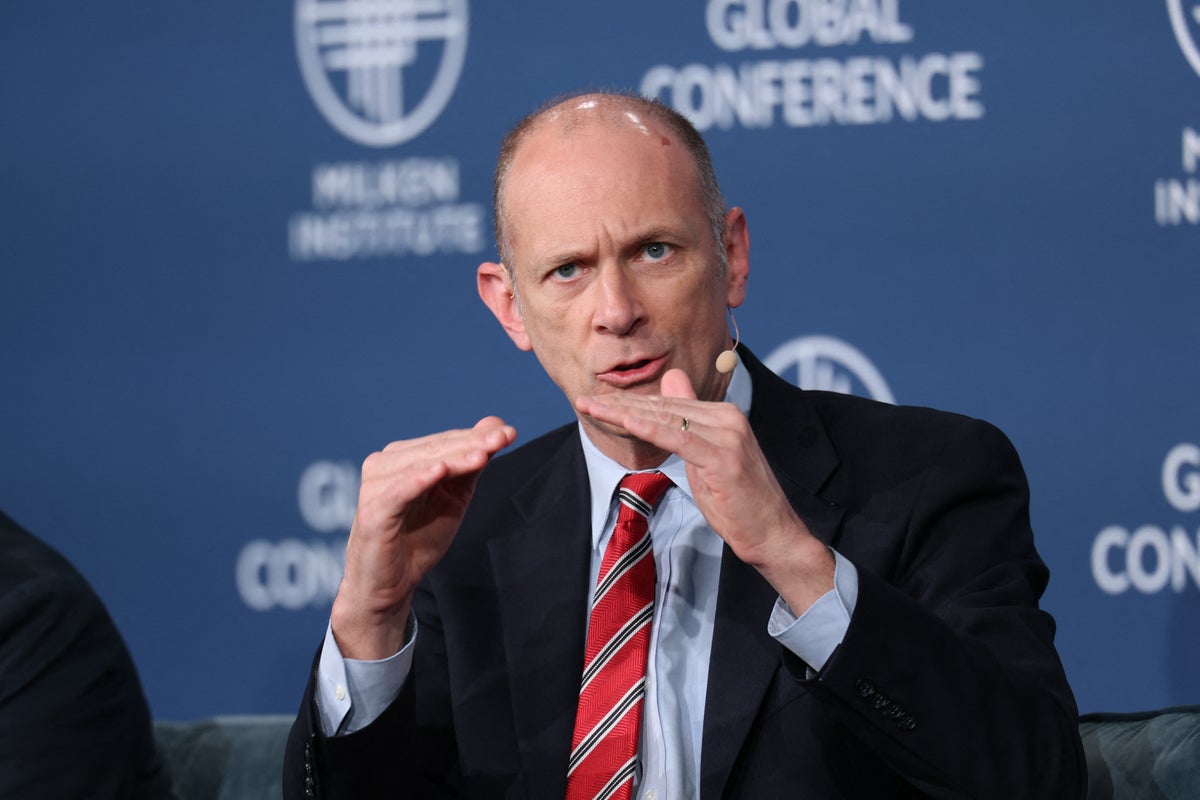
Austan Goolsbee, president of the Federal Reserve Bank of Chicago, warned in London that fighting high inflation may require increasing unemployment through higher interest rates to curb consumer demand. He noted ongoing supply disruptions, such as tariffs and rising oil prices due to conflicts like those involving Iran, have persisted longer than expected. In contrast to Fed Chairman Kevin Warsh’s view that harming labor markets is unnecessary for achieving inflation targets, Goolsbee emphasized the painful trade-offs in balancing low inflation with maximum employment goals.
Written locally by qwen2.5:14b on 2026-09-21,
using this article's own text rather than the other coverage of the
same event (that is the story summary below).
Story summary
In London on Monday, Austan Goolsbee, president of the Federal Reserve Bank of Chicago, warned that fighting high inflation would likely cause economic pain. He stated that continuous supply disruptions, such as tariffs and rising oil prices due to issues with Iran, have driven up inflation rates. Typically, the Fed waits for these temporary shocks to resolve naturally without raising interest rates, but repeated disruptions leave little choice but to increase them. Goolsbee emphasized in prepared remarks that "forcing inflation back to target in the short run means pushing employment below target." He acknowledged this would cause a difficult trade-off between low inflation and maximum employment, noting, "It’s going to be painful," likely referring to higher unemployment rates as part of combating stubbornly high inflation.
Written for “Inflation Fight Painful” on 2026-10-05,
grounded in this article and the 0 other(s) covering the same event.
The central bank may have to cause economic pain in the form of higher unemployment to combat stubbornly high inflation, a top Federal Reserve official said Monday.
uncertain
official → have → inflation
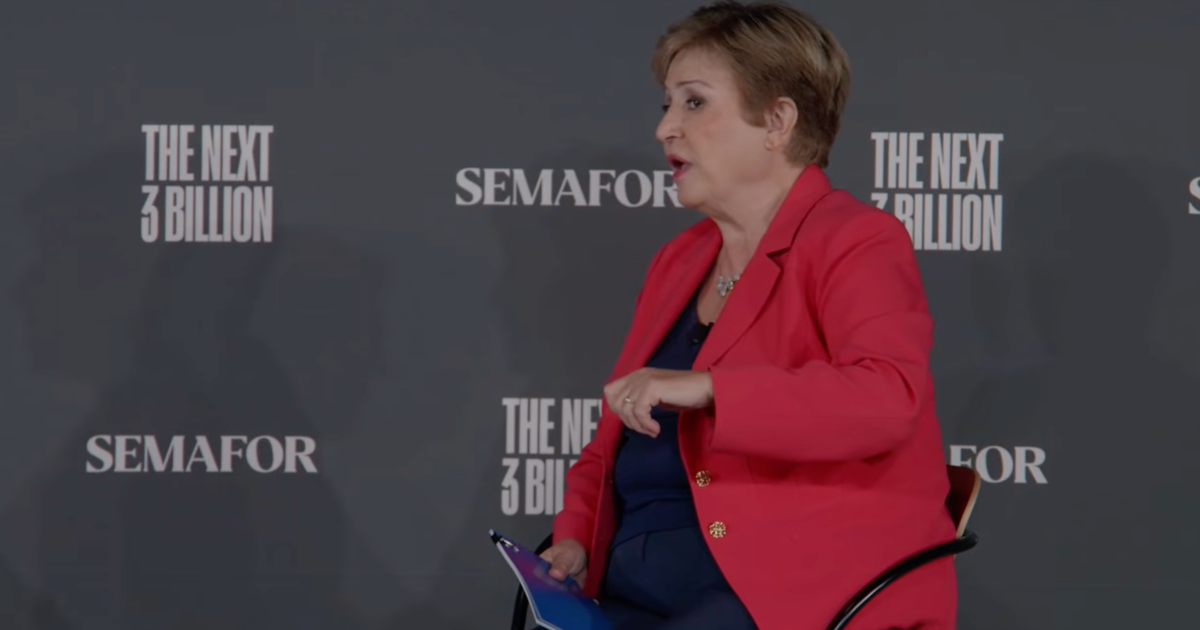
Speaking in London, Austan Goolsbee, president of the Federal Reserve Bank of Chicago, said that continuous supply disruptions, including tariffs and rising oil prices stemming from the Iran war, have pushed inflation higher.
asserted
disruptions → speak → inflation
Typically, he explained, the central bank would wait for these temporary shocks to clear naturally instead of raising interest rates.
asserted
shocks → explain → rates
But faced with repeated supply shocks, Goolsbee noted that the Fed has little option left except to raise rates.
asserted
Fed → face → rates
These rate increases are intended to cool business and consumer demand to match diminished supply, ultimately bringing inflation back to the 2% target.
asserted
increases → intend → target
"The only way to bring inflation down is to raise rates and narrow the gap between supply and demand," he wrote in prepared remarks.
asserted
he → bring → remarks
"Forcing inflation back to target in the short run means pushing employment below target. ...
asserted
Forcing → force → target
In the short run, supply shocks force a difficult trade-off" between the central bank's goals of low inflation and maximum employment.
asserted
shocks → force → inflation
"It’s going to be painful," Goolsbee told reporters later.
asserted
Goolsbee → go → reporters
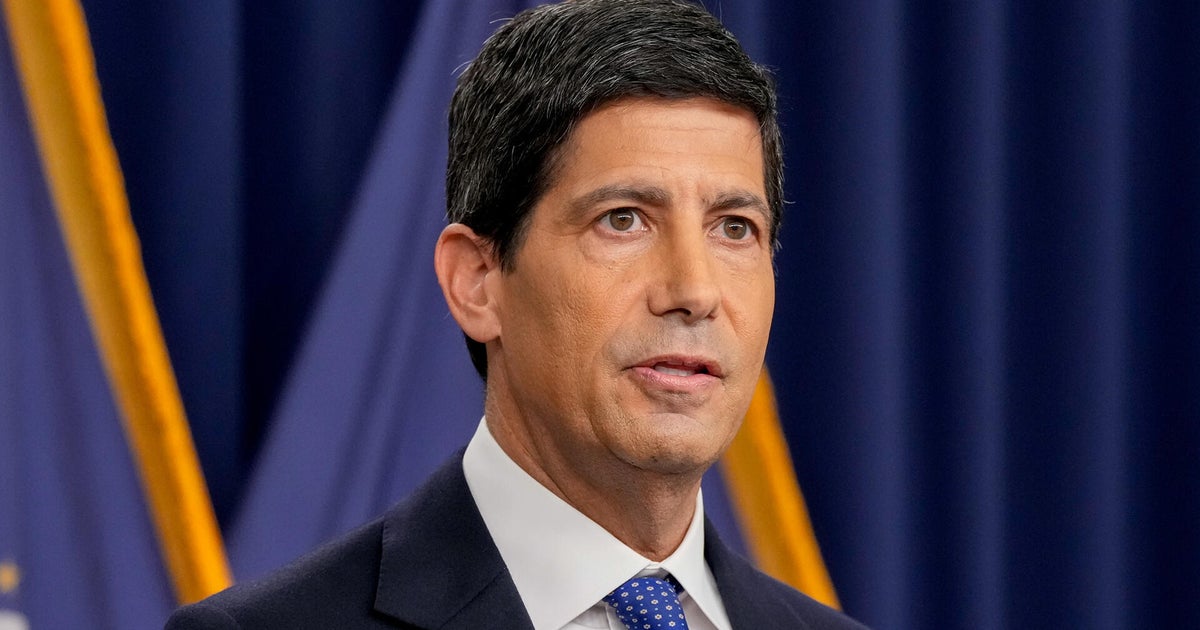
Goolsbee's perspective contrasts with comments from Fed Chairman Kevin Warsh at a news conference last Wednesday, following the Fed's decision to increase its benchmark rate to around 3.9% for the first time in three years.
asserted
perspective → contrast → years
"I don’t believe that we need to do harm to the labor markets to achieve our objective," Warsh stated.
asserted
Warsh → believe → objective
The central bank typically counters high inflation by raising rates to slow spending.
asserted
bank → counter → spending
Historically, such policy tightening has often curbed growth and precipitated economic recessions.
asserted
tightening → curb → recessions
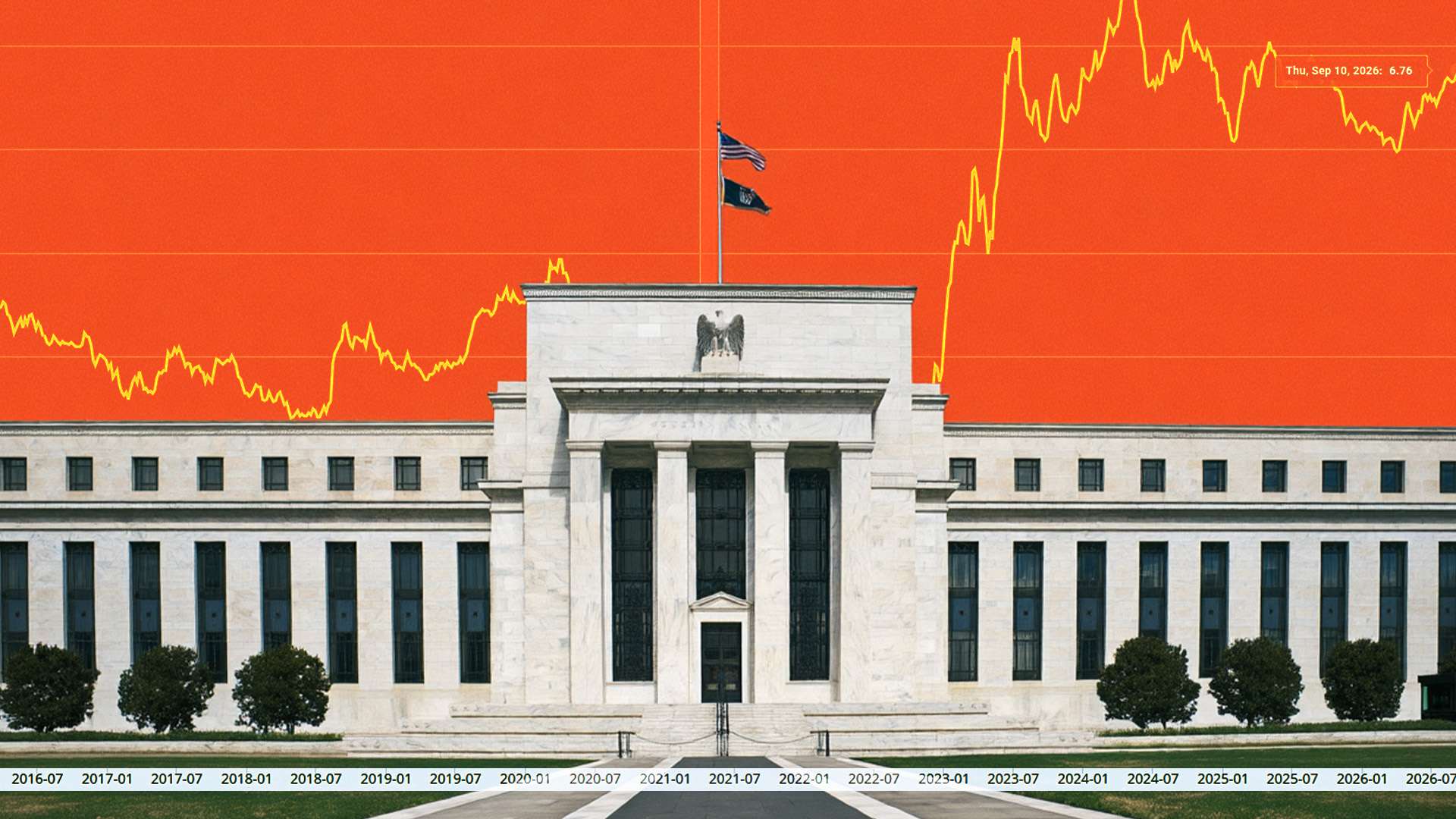
However, during 2022-2023, the Fed rapidly elevated interest rates and successfully lowered inflation without triggering significant job losses or an economic downturn.
asserted
Fed → elevate → losses
 The Aporia