Converse removed an ad featuring K-pop singer Karina wearing their sneakers after critics claimed it included imagery reminiscent of the Ku Klux Klan and lynching due to lighting creating a white triangular shape on her skirt that resembled a hood and her hand placement suggesting dangling feet. The company issued an apology, stating they understood why people found the image upsetting, but declined further comment on how such an ad was approved. This incident highlights ongoing corporate challenges in vetting racially sensitive content before public release.
Written locally by qwen2.5:14b on 2026-09-21,
using this article's own text rather than the other coverage of the
same event (that is the story summary below).
Story summary
Converse, an American footwear brand owned by Nike, pulled an advertisement from its Instagram account after social media users accused it of evoking Ku Klux Klan imagery. The ad featured K-pop singer Karina holding a pair of black high-top sneakers under a star-shaped spotlight while wearing a long white skirt, which critics said resembled a KKK hood and the dangling feet of a lynching victim. Converse issued an apology on August 27, stating, "This should not have happened and we will do better." The company removed the image from its channels and is working to remove it from other platforms where it appeared. CEO Aaron Cain promised to review internal processes and make necessary changes in a memo to employees seen by Bloomberg News.
Written for “Converse Ad Controversy” on 2026-10-05,
grounded in this article and the 10 other(s) covering the same event.
In short:
Converse has removed a social media ad that sparked outrage among critics who viewed it as evoking racist imagery.
asserted
who → remove → imagery
Critics online said a white triangular image in the ad resembled a Ku Klux Klan hood.
asserted
image → say → hood
Converse issued a statement saying the company understood why the image was "deeply upsetting".
asserted
image → issue → statement
The sneaker company Converse has removed a social media ad that sparked outrage among critics who viewed it as evoking the Ku Klux Klan (KKK) and lynching.
asserted
who → remove → Klan
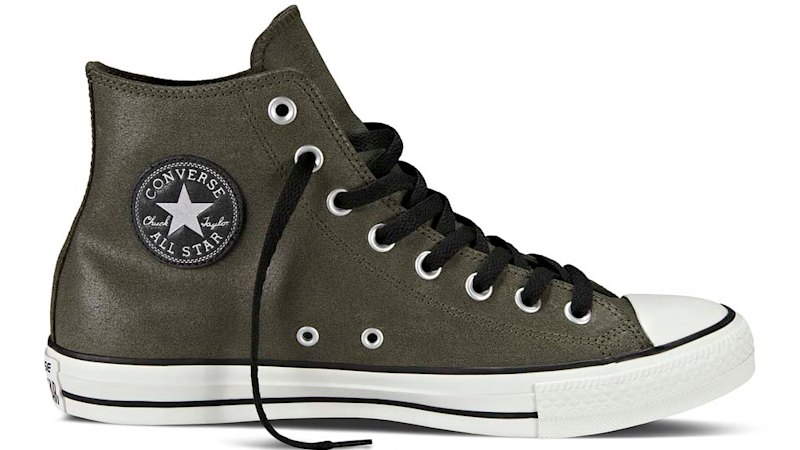
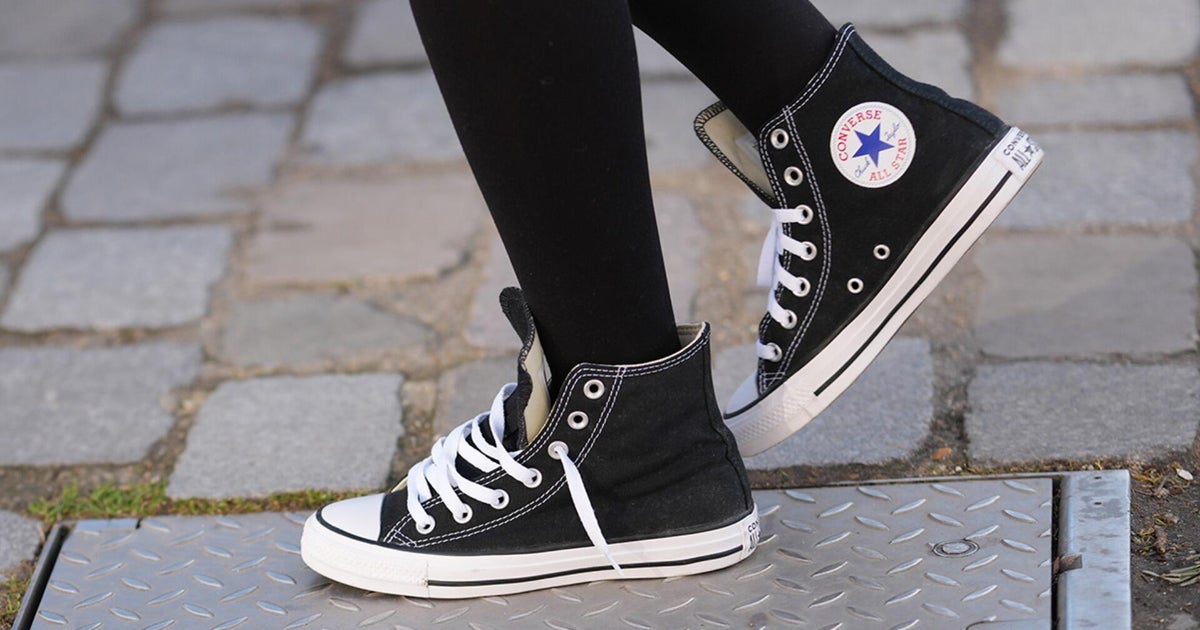
The Instagram ad photo showed K-pop singer Karina wearing a skirt and holding a pair of Chuck 70 X sneakers.
asserted
photo → show → sneakers
Critics lashed out online, saying a white triangular image created by lighting on the skirt resembled a KKK hood and the way she held the sneakers made them look like the dangling feet of a lynching victim.
asserted
them → lash → victim
Converse, owned by Nike, issued a statement apologising and said it had removed the ad.
asserted
it → own → ad
"We're sorry," the statement said.
"
asserted
statement → say → ?
We understand why this image is deeply upsetting and recognise that we got this wrong.
asserted
this → understand → ?
We removed it from our channels and are working to remove it everywhere it appeared.
asserted
it → remove → it
"This should not have happened and we will do better."
asserted
we → happen → ?
Converse, based in Boston in the United States, declined to answer questions seeking additional information, including how the company screened ads before they were posted and how the ad was approved.
asserted
ad → base → ads
Karina and her management company, SM Entertainment Group, did not immediately respond to messages through their Instagram accounts.
asserted
Karina → respond → accounts
Corporations 'failing the same test'
asserted
Corporations → fail → test
Retailers and top fashion brands have issued a string of apologies over the years for products and advertising criticised for being racially insensitive.
asserted
Retailers → issue → products
Last month, US retailer Target Corporation pulled a children's Halloween costume from its shelves after widespread social media backlash, apologising for selling a garment that critics said evoked racist minstrel caricatures.
asserted
critics → pull → caricatures
The Converse photo sparked swift criticism, including calls for staff involved in the ad to be fired and for a boycott of the company.
asserted
staff → spark → company
In a slew of comments on social media, posters questioned how the ad could have cleared the company's advertising vetting process.
uncertain
ad → question → process
Other commenters defended Converse, saying they did not believe it was intentional.
asserted
it → defend → Converse
Civil rights attorney Lee Merritt, who is based in Texas, posted on Instagram that Converse's apology "doesn't undo what got past legal, marketing and leadership at every step".
"We keep having this conversation because corporations keep failing the same test," he wrote.
asserted
he → base → test
"Do better means catching this before it airs — not after we're offended."
asserted
we → mean → this
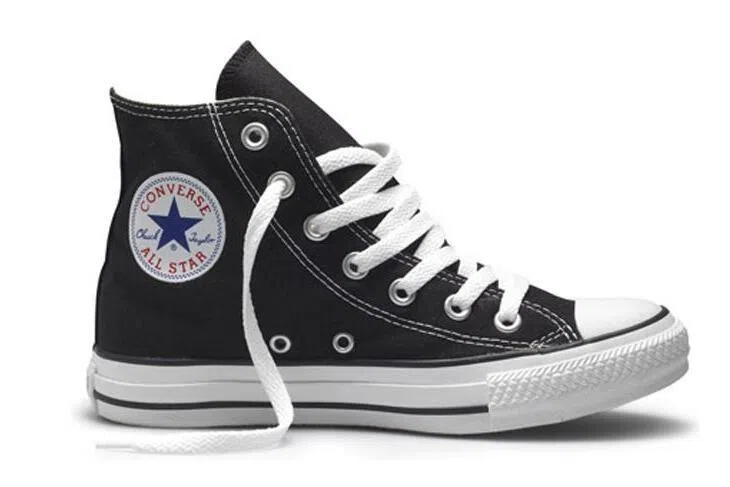
Converse, founded in Malden, Massachusetts, in 1908, makes the iconic Chuck Taylor All Star sneaker.
asserted
Converse → found → sneaker
It was first released in 1917 as a non-skid basketball shoe, adding the signature of Taylor, a basketball player who promoted the sneaker, in 1934, according to the company's website.
uncertain
who → release → website
 The Aporia