- Published
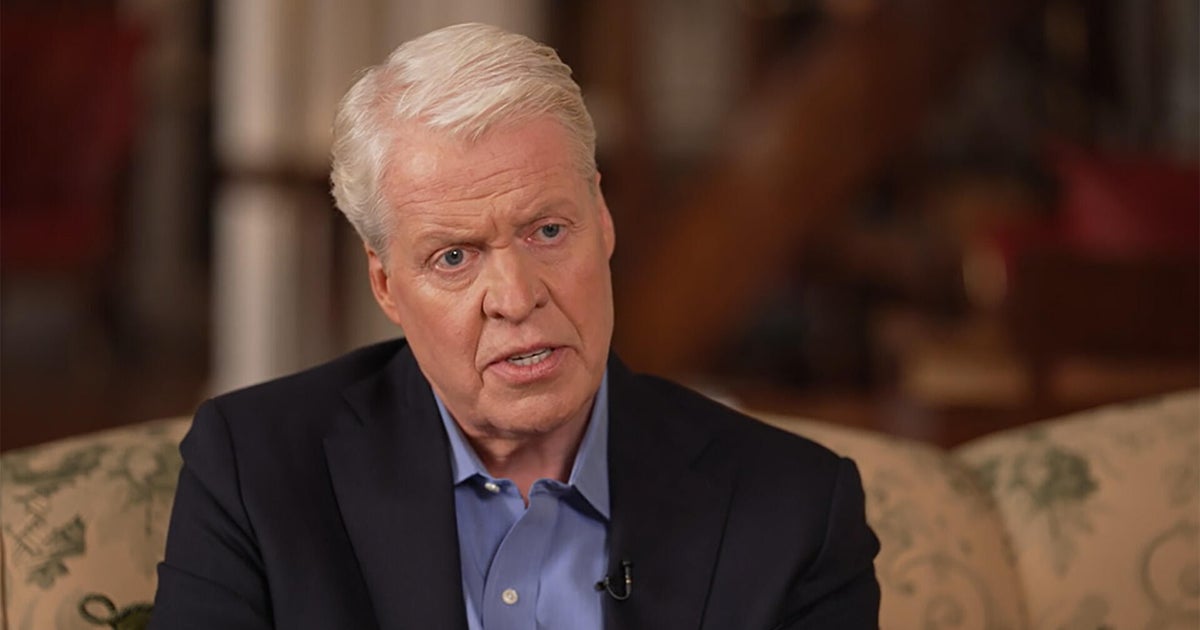
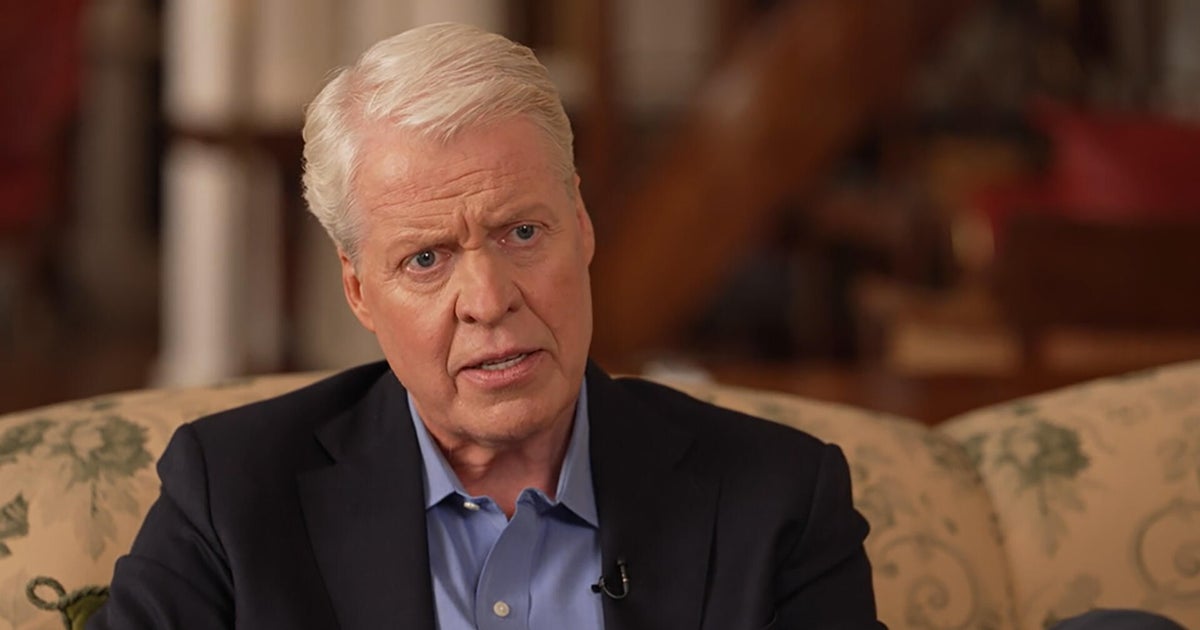
Earl Spencer has told the BBC writing his book about sister Princess Diana, which has made headlines for its criticism of King Charles, was his "duty...as an eyewitness to history".
asserted
which → publish → history
In an interview with the BBC's Laura Kuenssberg ahead of the memoir's release on Tuesday, Earl Spencer said he wanted "to put things down once and for all that were true".
asserted
that → say → all
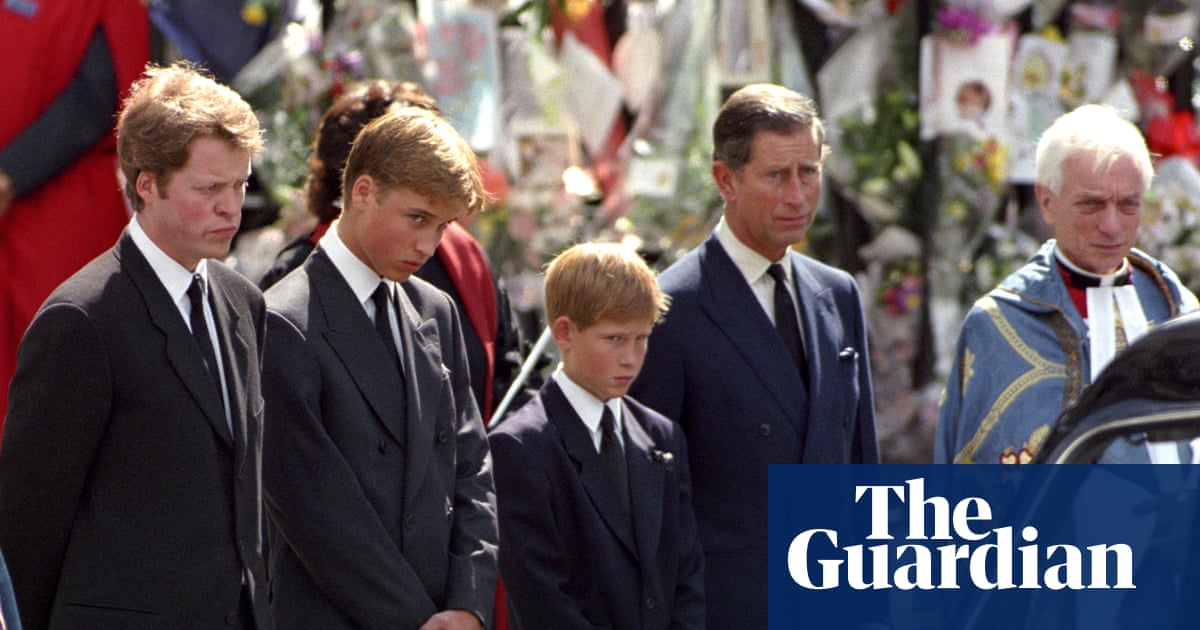
Among claims made in Swan Song about the King, who was then the Prince of Wales, was that he said "we'll forget her soon enough" during an argument over whether Princes William and Harry should walk in Diana's funeral procession.
uncertain
William → make → procession
In a strongly worded response, Buckingham Palace said the King was "mindful that the pain of fraternal grief can cloud reason, affect judgement and colour memory in ways others do not recognise, even many years after such a loss".
asserted
others → word → loss
Here are the key moments from Earl Spencer's interview, which include his first account of how he was told about Diana's death and criticism of press coverage of the Duke and Duchess of Sussex.
asserted
he → include → Sussex
Earl initially told Diana crash was 'not too serious'
asserted
crash → tell → ?
Earl Spencer was in South Africa when Princess Diana died in a Paris car crash in the early hours of 31 August 1997, along with close friend Dodi Fayed and the driver of the car.
asserted
Diana → die → car
He told the BBC he got a call in the middle of the night from his sister Lady Jane Fellowes, who said Princess Diana had been in a crash but "it's not too serious".
asserted
it → tell → crash
But then he "kept getting more and more distressing calls" from his sister.
asserted
he → keep → sister
"And then my sister Jane said, 'I'm afraid she's died.'
asserted
she → say → ?
It started... as a little prang, and then it became a broken leg, perhaps a head injury, and then death.
asserted
it → start → prang
"
Charles had 'giddy tone' after Diana's death
Describing the hours after her death, Earl Spencer said he took a call at his home in Cape Town from Prince Charles, who told him how he broke the news to Princes William and Harry at Balmoral Castle.
asserted
he → have → Castle
"I felt there was a sort of giddy tone," he told the BBC.
asserted
he → feel → BBC
"I'd had a lot of calls that day from people who cared, who were stunned... and I just felt there was a lightness in his tone about Diana's death that really jarred with me."
asserted
that → care → me
In his book, Earl Spencer compares his tone to like a "lottery winner" and says he suspects the prince's reaction was based on how this event would free him to marry the woman he loved, his future wife Queen Camilla.
asserted
he → compare → woman
When asked by Kuenssberg if he could be sure that is what Prince Charles was thinking, Earl Spencer said: "I cannot be sure, I'm saying that's what I assume from the tone is a possibility."
Comments 'will not be a surprise' to William and Harry
Earl Spencer told the BBC he had been discussing funeral arrangements with a palace official, who said it had been agreed Princes William and Harry should walk behind their mother's coffin.
uncertain
William → ask → coffin
Unhappy, he said he told the official it is not what his sister would have wanted, before the conversation came to an end.
asserted
conversation → say → end
Soon after, the earl says he took a call from Prince Charles, who asked him about his opposition to it.
asserted
who → say → it
"I said, 'Well, of course not, sir, she wouldn't want it'.
asserted
she → say → it
And then he said, 'Well, I walked behind Lord Mountbatten's coffin.'
asserted
I → say → coffin
And I said, 'Yes, but you were 30 and he wasn't your mother'."
asserted
he → say → ?
He then claims Charles went "ballistic... and ranted for a while" about the Spencer's sense of duty not being adequate enough before "he said 'We'll forget her [Diana] soon enough'."
uncertain
We → claim → her
"I really was so stunned and after a stunned silence I said 'I can not believe you just said that' and I hung up on him", the earl told Kuenssberg during his sit down interview at his Althorp estate.
asserted
earl → stun → estate
Responding to the Palace's statement pushing back on the story, Earl Spencer said: "I can tell you here and now, those are exactly the words he said.
"
asserted
he → respond → you
I've only ever had two calls on the line with Prince Charles at any stage in my life.
asserted
I → have → life
I was hyper-alert to what he was saying, and those are precisely the words he said.
asserted
he → say → what
And I promise that to you now.
asserted
I → promise → you
Genuinely, that is what he said.
"
asserted
he → say → what
I don't hear him saying he didn't say that."
asserted
he → hear → that
The earl said he told "close friends and family" about the "monstrous" comment.
asserted
he → say → comment
When asked if people should believe him or the King, he said: "Well, I'm telling the truth... what else would have made me hang up on the King that day?"
asserted
me → ask → King
On what Princes William and Harry might think of the comments being brought up nearly 30 years later, he added the words "will not be a surprise" to the brothers.
uncertain
words → think → brothers
He also said his renowned funeral eulogy, in which he said his sister's qualities would never be "extinguished from our minds", was a "direct rebuttal" of the prince's comments.
asserted
qualities → say → comments
'I know lots of things about the King' not in the book
Talking about his motivations for writing the book, Earl Spencer, aged 62, said it was his "duty... as an eyewitness to history" and as someone in the "final season of my life" with his parents dying in their sixties.
asserted
parents → know → sixties
"I'm aware of mortality and I wanted to just put things down once and for all that were true," the historian and journalist explained.
"
asserted
historian → want → all
This is not a threat, it's a fact, I know lots of things about the King which I chose not to include in the book because they were not relevant."
asserted
they → know → book
When put to him that the statement sounded like a threat when it involved potentially damaging information, he said: "No, not at all a threat, it's just the reality."
asserted
it → put → information
Kuenssberg questioned why he included an account of a conversation in which his sister told him Prince Charles was in love with his valet - a claim Earl Spencer said was improbable - and asked if he was motivated in including some of these allegations to create interest to sell the book.
uncertain
he → question → book
"It's in the context of a conversation where Diana is telling me that her marriage is over," the earl replied.
asserted
earl → tell → me
And I think she deserves honesty so that's what I've delivered."
asserted
I → think → what
…and 32 more, not listed.
 The Aporia