The rise of GLP-1 weight-loss drugs could be changing more than what Americans put on their plates, as restaurants increasingly look to wellness drinks and other alternatives to traditional alcoholic beverages.
uncertain
restaurants → change → beverages
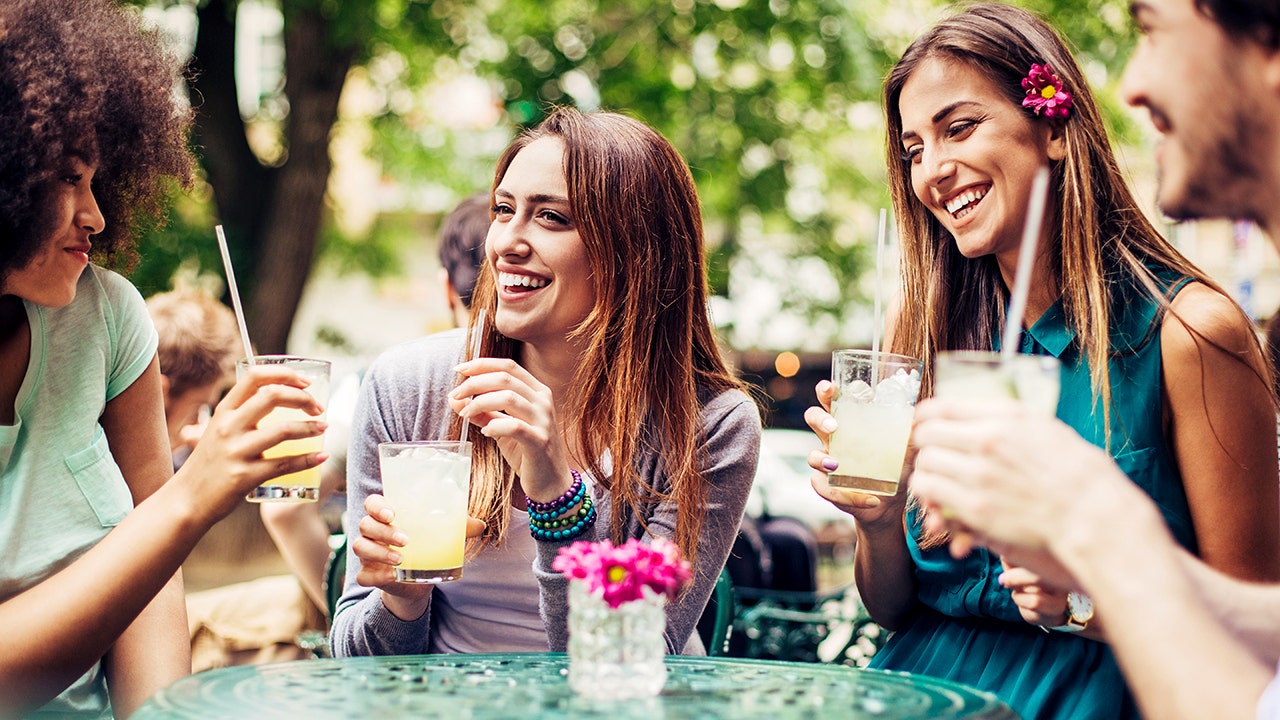
The National Restaurant Association's new 2026 Restaurant Beverage Trends report found growing interest in a wider range of drink choices, particularly among younger consumers, as restaurants experiment with everything from wellness and energy drinks to smoothies, lemonades and alcohol-free cocktails.
asserted
restaurants → find → smoothies
Chad Moutray, chief economist at the Washington, D.C.-based National Restaurant Association, told Fox News Digital that the growing use of GLP-1 medications is one of several health trends restaurant operators are watching.
asserted
operators → tell → trends
The report, which was conducted by the National Restaurant Association and is based on surveys of consumers and restaurant operators across the country, found that health is already influencing some Americans' decisions about alcohol.
asserted
health → conduct → alcohol
Among adults surveyed who said they don't drink alcohol, 25% cited health reasons.
asserted
% → survey → reasons
That figure climbed to 34% among Gen Z nondrinkers.
asserted
figure → climb → nondrinkers
Several trends are converging as younger consumers become more health-conscious and GLP-1 medications become more widely used, Moutray said.
"
asserted
Moutray → converge → ?
I think you're seeing a lot younger folks who are, in general, wanting to be healthier.
asserted
who → think → folks
You have the Make America Healthy Again movement, which is also driving some of this trend," he said.
asserted
he → have → trend
"You have people drinking energy drinks and health drinks and all those things.
asserted
people → have → drinks
And then you add to that the GLP-1 notion, where if you're taking one of those drugs and your appetite is more suppressed, you're not going to drink as much alcohol.
asserted
you → add → alcohol
Restaurants are already preparing to broaden their drink selections.
asserted
Restaurants → prepare → selections
Among limited-service restaurant operators, 24% said they planned to add new wellness drinks in 2026, while 26% planned to add energy drinks, 29% smoothies and 27% lemonades.
asserted
% → say → drinks
Just under half, 46%, planned to add new coffee offerings.
asserted
half → plan → offerings
"I think as GLP-1s become less expensive as this year goes on and as we move into 2027, you're going to see restaurant operators continuing to look for alternatives that can be good menu options for consumers that might be taking those drugs," Moutray said.
uncertain
Moutray → think → drugs
Derek Brown, a hospitality consultant and founder of Drink Company, said he's also seeing GLP-1s contribute to a broader shift toward moderation.
asserted
GLP-1s → say → moderation
"Yeah, there's no doubt that GLP-1s are having an effect on the way that people consume," Brown told Fox News Digital.
asserted
Brown → be → Digital
"And it's part of a basket of things that's contributing to people moderating more often.
asserted
people → contribute → things
The drugs can affect people's appetites for both food and drinks, Brown said, potentially leading some customers to consume less alcohol or choose nonalcoholic alternatives.
asserted
Brown → affect → alternatives
"I think that's clearly part of this entire moderation trend that we're seeing that's just a part of it, but it's significant enough, so I think that's certainly a real thing," Brown said.
asserted
Brown → think → it
"And I definitely think that bars and restaurants are starting to feel that."
asserted
bars → think → that
The changing beverage landscape, however, doesn't necessarily mean younger Americans are abandoning alcohol.
asserted
Americans → change → alcohol
Per the report, 71% of Gen Z adults and 74% of millennials surveyed said they drink alcohol either at home or at restaurants.
asserted
they → survey → restaurants
Sixty percent of Gen Z adults and 68% of millennials said they drink alcohol at restaurants.
asserted
they → say → restaurants
Moutray believes younger consumers are instead choosing from a broader portfolio of drinks.
asserted
consumers → believe → drinks
The report found that 87% of full-service operators and 80% of limited-service operators said beverages can be an important driver of customer traffic.
asserted
beverages → find → traffic
"It's driving traffic, it's getting people excited and it's, hopefully, also helping to improve overall profit margins," Moutray said.
asserted
Moutray → drive → margins
 The Aporia