ABC News (AU)
· collected 2026-09-20 · by Briana Shepherd and Courtney Withers
A Western Australia government official issued a rare catch-and-kill order for the shark suspected of fatally attacking Greg James O'Neill at Sorrento Beach in Perth. Fisheries Minister Jackie Jarvis justified the measure due to the potential recovery of coronial evidence and the hazard posed by the shark. However, Culum Brown, a behavioral biologist from Macquarie University, criticized this approach as impractical, given sharks' extensive movements along coastal waters. He suggested that deploying more shark-spotting drones would be a more effective strategy for protecting beachgoers while minimizing harm to marine life.
Written locally by qwen2.5:14b on 2026-09-20,
using this article's own text rather than the other coverage of the
same event (that is the story summary below).
Story summary
On Friday, around 10:15am local time, emergency services responded to reports of a suspected shark attack at Sorrento Beach north of Perth. Three ambulance crews and police were dispatched to the scene after a witness reported seeing blood in the water and a large shark in the vicinity. A male swimmer was reportedly bitten by a shark while swimming about 50 meters off the beach; he has not been seen since, raising concerns that he may have succumbed to his injuries. Witnesses described seeing significant amounts of blood in the water and said multiple shark patrols had been initiated for the summer season just days earlier. The popular beach was subsequently closed to swimmers as authorities conducted a search without success. This incident follows another fatal shark attack near Geraldton about 400 kilometers north of Perth earlier in the week, highlighting increased risks for swimmers along Western Australia's coast.
Written for “Shark Attack Off Perth Beach” on 2026-10-05,
grounded in this article and the 24 other(s) covering the same event.
A behavioural biologist and shark drone expert has criticised the WA government's response to the state's most recent fatal shark attack, saying the chances of finding the shark responsible for a 63-year-old swimmer's death are slim to none.
asserted
shark → criticise → none
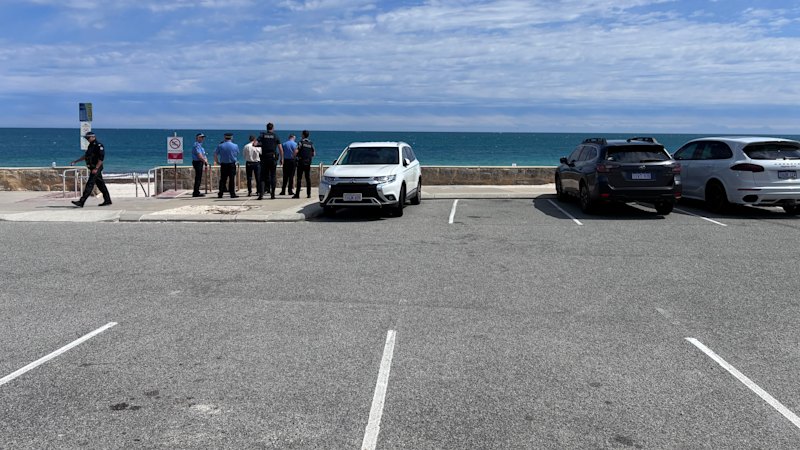
WA Fisheries Minister Jackie Jarvis on Saturday took an "extraordinary" step of issuing a catch-and-kill order for the shark that killed Greg James O'Neill at Sorrento Beach in Perth's north.
asserted
that → take → north
Ms Jarvis said the decision was made under "the exceptional circumstances of the attack" where "the hazard posed by the shark" and "the potential recovery of coronial evidence" were taken into consideration.
asserted
hazard → say → consideration
Culum Brown, from Macquarie University's Ecology and Evolution of Fishes Laboratory, said the chances of finding the shark responsible for Mr O'Neill's death were like finding "a needle in a haystack".
asserted
shark → say → haystack
"The reality is that white sharks move a long, long way, they are literally on the move all the time … by now, that shark could be hundreds of kilometres away."
uncertain
shark → move → kilometres
The only way to determine whether a shark is responsible, according to Mr Brown, is to kill and gut it to see if it has human remains in it.
uncertain
it → determine → it
"So what are they going to do?
asserted
they → go → what
Catch every white shark on the west coast until they find the one?
asserted
they → catch → one
I mean, it's a bit ridiculous."
asserted
it → mean → ?
Mr Brown said he believed a better response would be to invest more funds in shark-spotting drones, an approach the New South Wales government took after a shark attack at Sydney's Coogee Beach in June.
asserted
government → say → June
"They [drones] are just a very highly effective technology," Mr Brown said.
"
asserted
Brown → say → ?
They are a lot cheaper than fixed-wing or helicopters … and one of the many benefits is that you can intervene before the shark attacks anybody and … there's no bycatch as there is with shark nets and things like that."
asserted
shark → intervene → that
He said that it was a "win-win" situation for swimmers and sharks.
asserted
it → say → swimmers
The Fisheries Minister Ms Jarvis added that deploying more drones to spot sharks along WA's vast coastline was "absolutely under consideration".
asserted
deploying → add → consideration
She said the government would first review its current mitigation strategies — which focus on tagging and tracking, an app for notifications, warning sirens, shark enclosures and personal deterrents — to see what more could be done to protect beachgoers.
uncertain
more → say → beachgoers
Body yet to be recovered
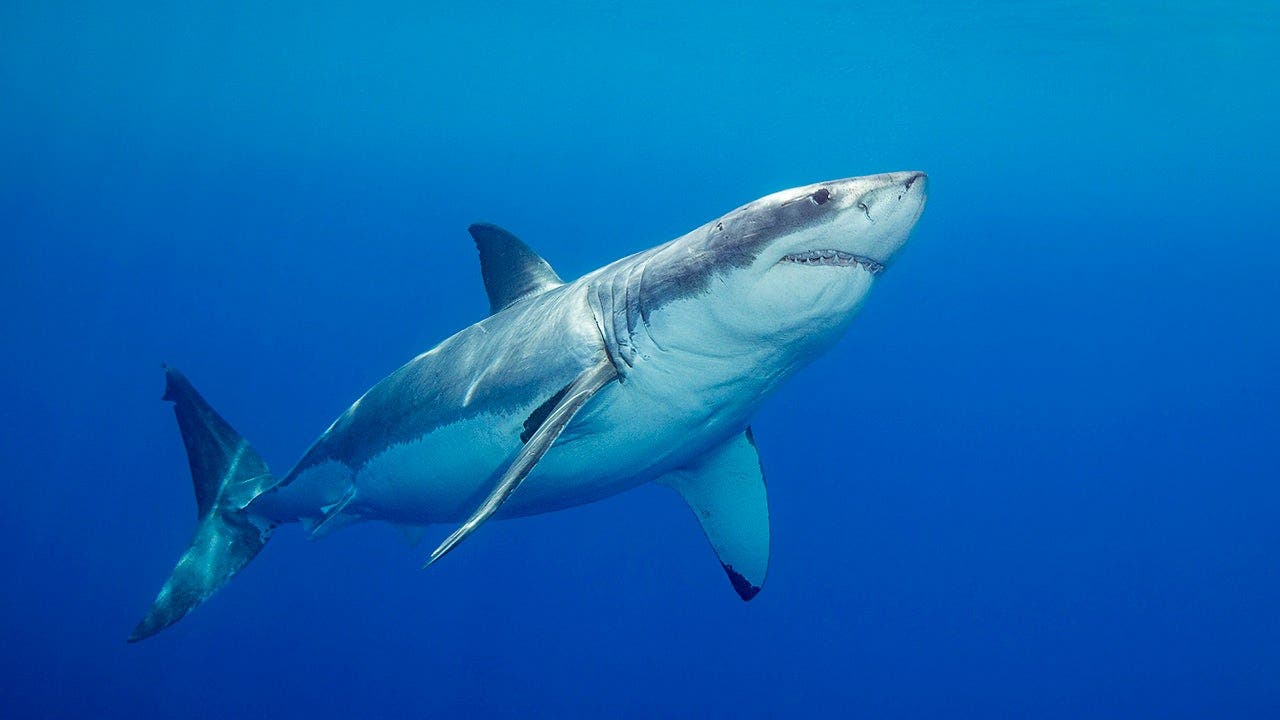
Mr O'Neill was swimming close to the Sorrento Beach shoreline when a suspected three-metre great white took him on Friday morning.
asserted
white → recover → morning
Authorities soon began a wide-scale search for his body and the white shark responsible, which they believed they had located before losing track of it.
asserted
they → begin → it
The body of the 63-year-old is yet to be recovered.
asserted
body → recover → old
The Department of Primary Industries and Regional Development (DPIRD) has set shark capture gear, a type of drum line normally used to tag sharks, about 1.5 kilometres off Sorrento Beach.
asserted
Department → set → Beach
On Sunday, WA Deputy Premier Rita Saffioti said she "100 per cent" supported Ms Jarvis's response to the attack, including the catch-and-kill order.
asserted
she → say → order
"The minister made a decision based on advice.
asserted
minister → make → advice
That advice was given by, as I understand, both police and fisheries," Ms Saffiotti said.
asserted
Saffiotti → give → police
WA Greens healthy oceans spokeswoman Sophie McNeill earlier criticised the order, describing it as cruel and ineffective.
Ms McNeill instead called for more funding for shark-spotting drones and helicopters, and an expansion of the shark tagging program.
asserted
McNeill → criticise → program
 The Aporia