That is 0 articles you have read today.
The Aporia is free and carries no advertising, so readers are the only
thing paying for it. If you are getting this much out of it, a small
donation is what keeps it independent.
Daily limit reached
You have read 0 articles today.
That is more than the 15 a day The Aporia gives away,
and well past what it can carry on nothing. Your allowance resets at
midnight.
There is no advertising here and nothing about you is sold, so readers
are the only thing paying for it. If the site is worth this much of
your day, it is worth a few dollars.
Everything else stays open: the
maps, the
directory and
search do
not count against this, and neither does re-opening something you have
already read today.
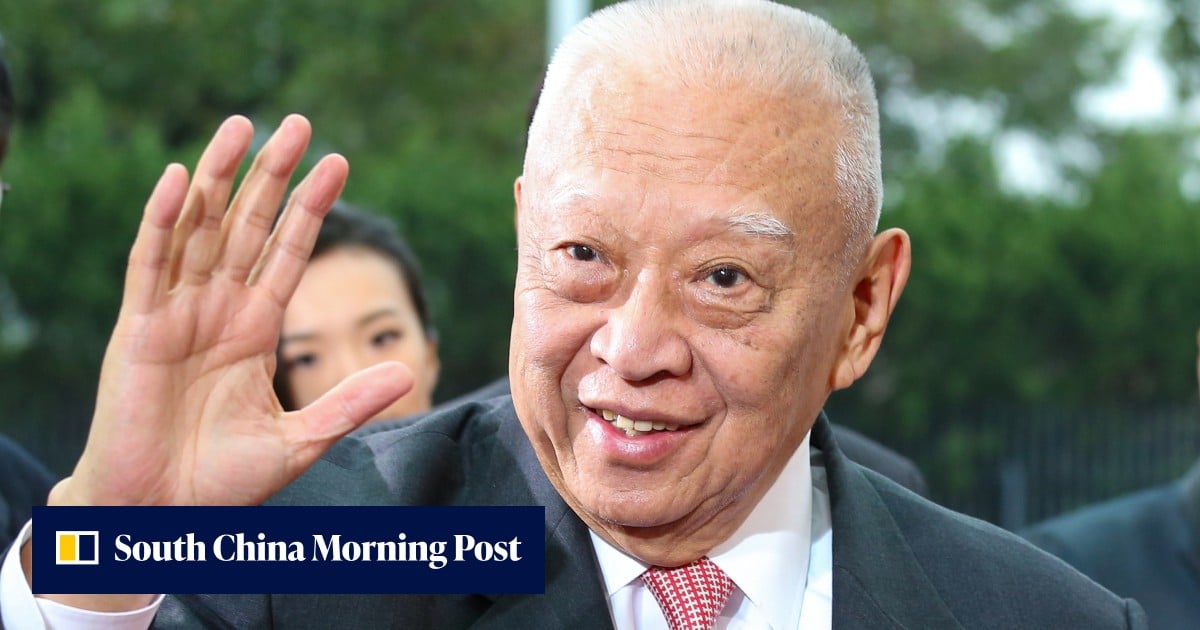
Hong Kong held a state funeral for Tung Chee-hwa, its first post-colonial leader who died on September 8 at age 89. The event, only the third such honor since Hong Kong returned to Chinese rule in 1997, was attended by senior officials from both China and Hong Kong, including current Chief Executive John Lee and former chief executives Leung Chun-ying and Carrie Lam. Tung led Hong Kong through significant challenges like the 1997 financial crisis and the SARS outbreak but faced criticism for governance issues and public discontent.
Written locally by qwen2.5:14b on 2026-09-20,
using this article's own text rather than the other coverage of the
same event (that is the story summary below).
Story summary
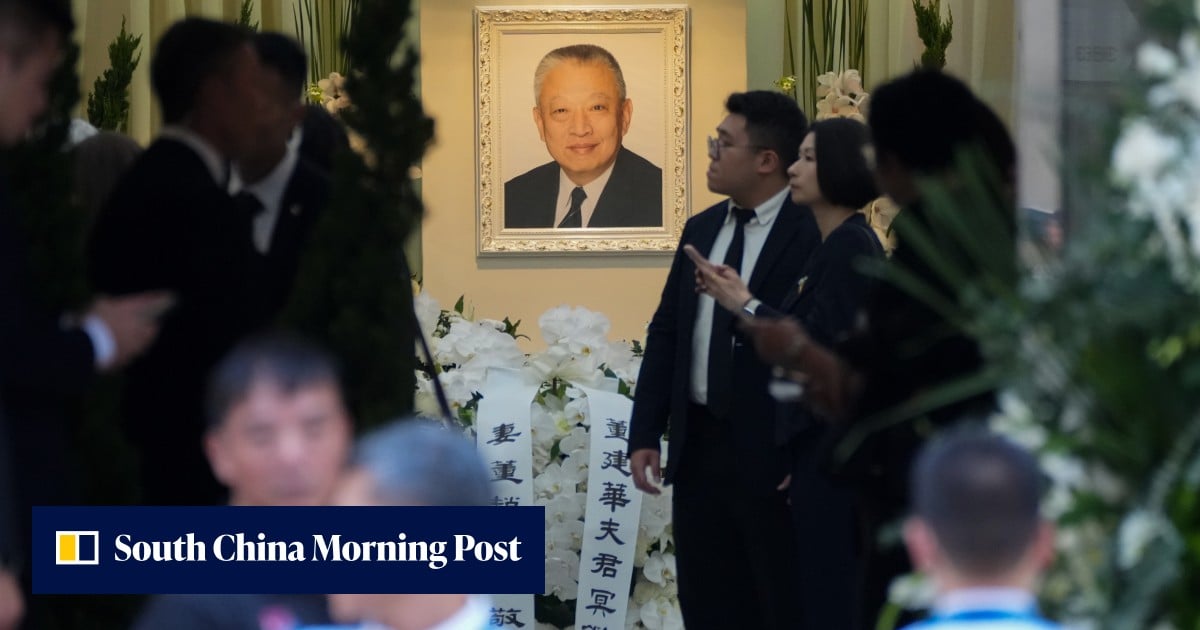
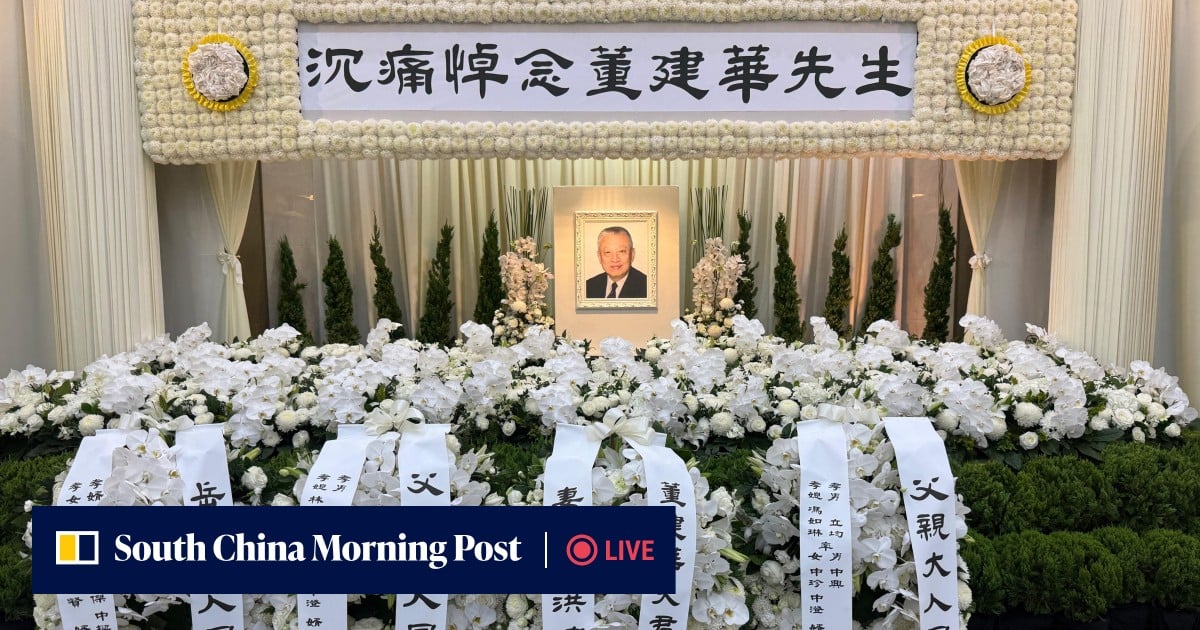
Tung Chee-hwa, Hong Kong's first post-colonial chief executive who died on September 8 at age 89, was honored with a state funeral in Hong Kong on Sunday. The ceremony followed an invitation-only vigil held at the Hong Kong Funeral Home in North Point on Saturday and drew top officials including Beijing’s Shi Taifeng, Wang Dongfeng, and Xia Baolong, along with current chief executive John Lee and former leaders Leung Chun-ying, Carrie Lam, and Donald Tsang. Hong Kong police established high security measures for the event, setting up a command center at their headquarters in Wan Chai to guard the route from the funeral home to Cape Collinson Crematorium in Chai Wan. The public could sign condolence books at three community halls until Sunday noon, though initial plans for an open memorial service were scaled back due to venue constraints. Tung is remembered as a pioneering figure under "one country, two systems," steering Hong Kong through significant challenges like the 1997 Asian financial crisis and Sars outbreak.
Written for “Tung Chee-hwa State Funeral” on 2026-10-05,
grounded in this article and the 10 other(s) covering the same event.
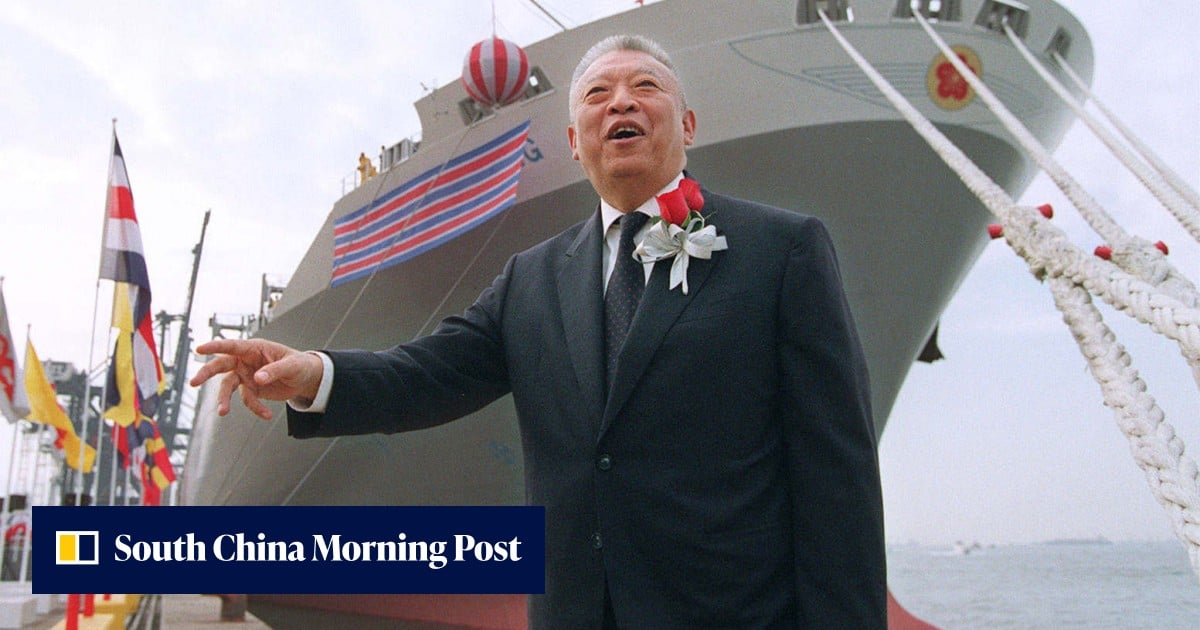
Hong Kong has given a state funeral to Tung Chee-hwa, its first post-colonial leader, only the third time the city has granted such an honour since Britain returned it to Chinese rule in 1997.
asserted
Britain → give → 1997
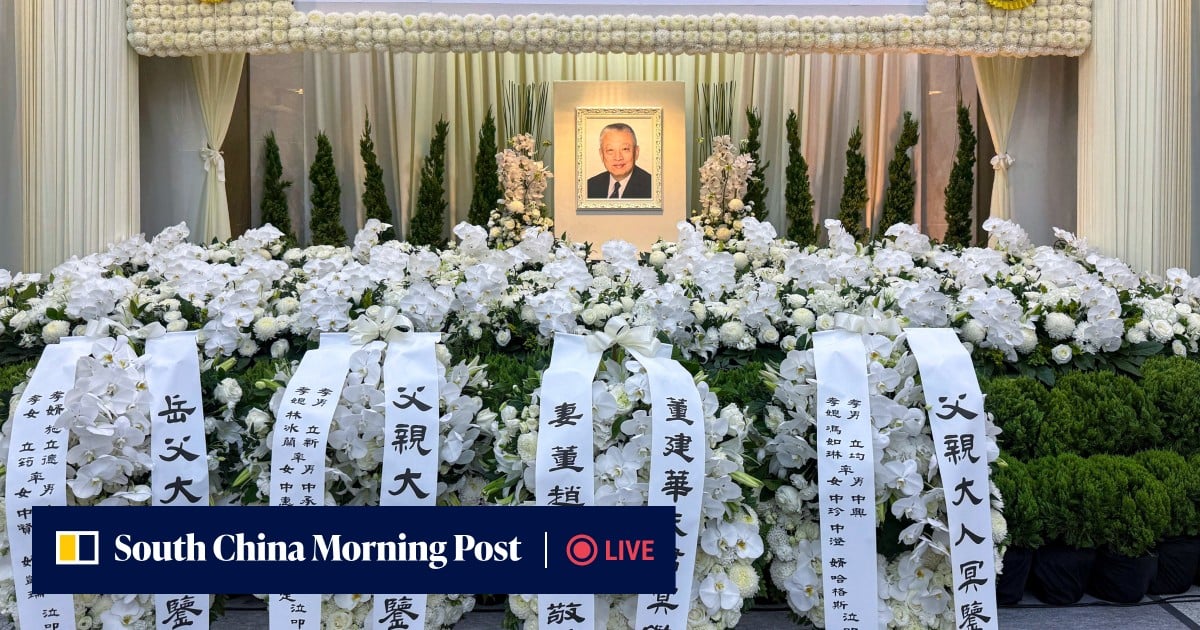
Senior Chinese and Hong Kong officials bid farewell to Tung at the Hong Kong Funeral Home in North Point on Sunday, a day after a public vigil that drew dozens of political and business figures.
asserted
that → bid → figures
support for Iran shows its limits as US ramps up pressure on Tehran
- list 2 of 3Hong
asserted
US → show → Tehran
Kong court rules Dow Jones tried to stop journalist taking union role
- list 3 of
asserted
journalist → rule → role
3Hong Kong court hands stiff jail sentences to Tiananmen vigil activists
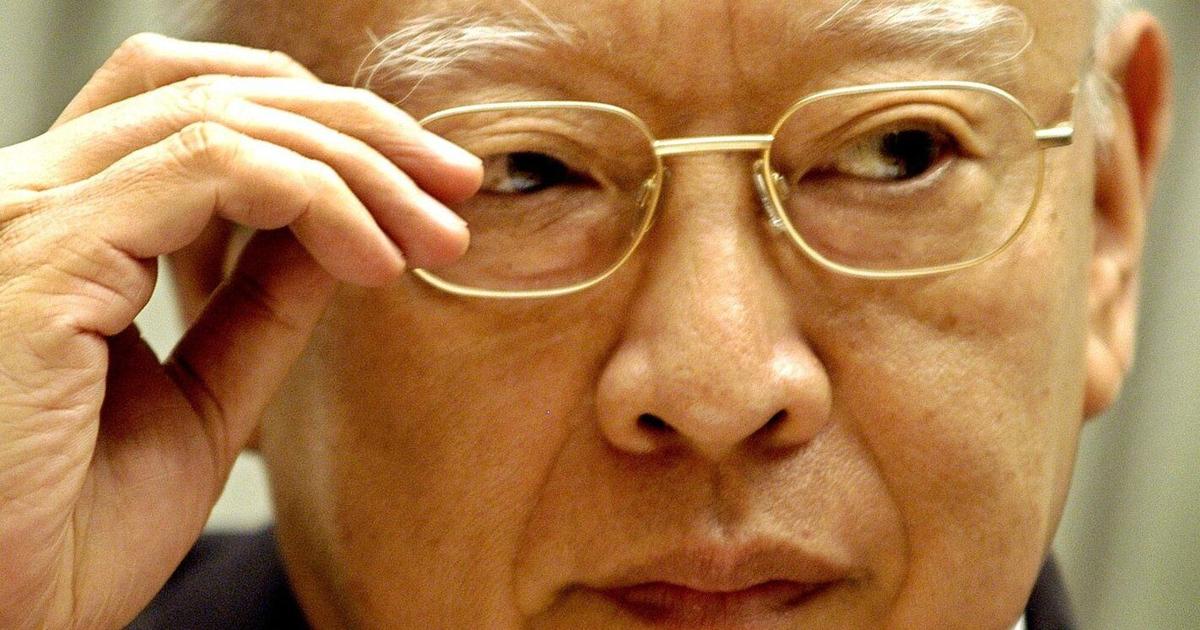
Tung, Hong Kong’s first chief executive, died on September 8 at the age of 89.
asserted
Tung → hand → 89
Members of the public could pay their respects by signing condolence books at three community halls until Sunday noon.
uncertain
Members → pay → noon
The funeral committee, made up of 87 members, was chaired by Shi Taifeng, a senior Chinese Communist Party Politburo member and vice chairman of the Chinese People’s Political Consultative Conference (CPPCC), the top political advisory body, underlining the level of official backing from Beijing.
asserted
committee → make → Beijing
Shi attended the funeral alongside Xia Baolong, Beijing’s top official for Hong Kong and Macau affairs; current chief executive John Lee; former chief executives Leung Chun-ying, Carrie Lam and Donald Tsang; and other political and business figures, reported government-funded Radio Television Hong Kong (RTHK).
asserted
Kong → attend → figures
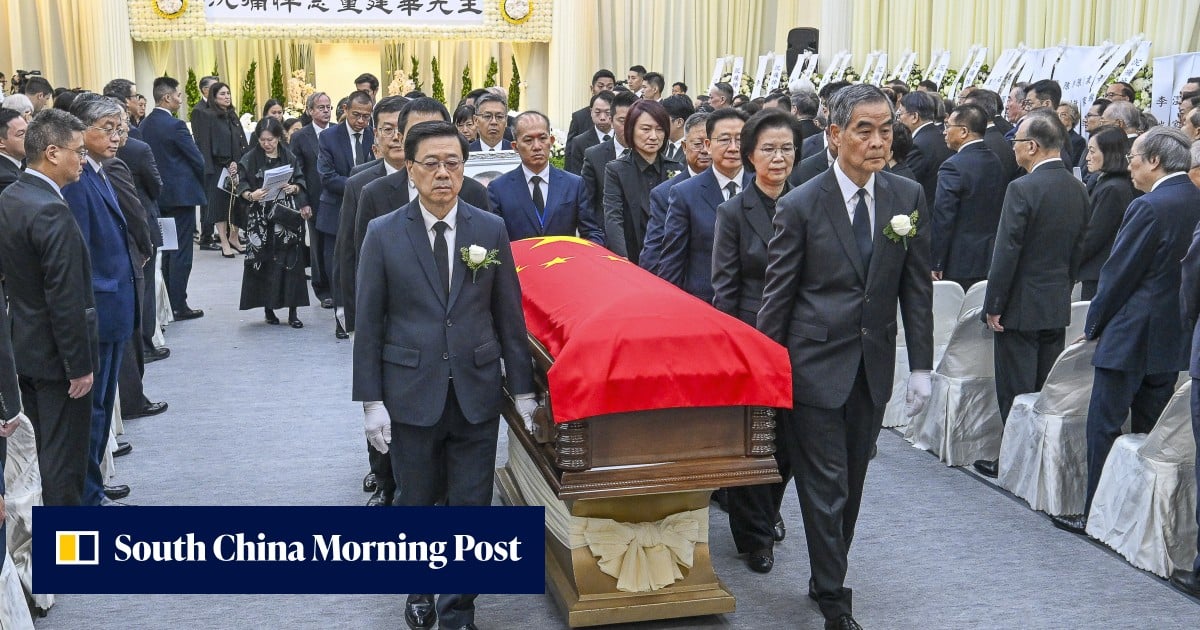
Lee and Leung were among the pallbearers who carried Tung’s coffin, draped in China’s national flag, from the hall to a hearse, which headed to Cape Collinson Crematorium.
asserted
which → carry → Crematorium
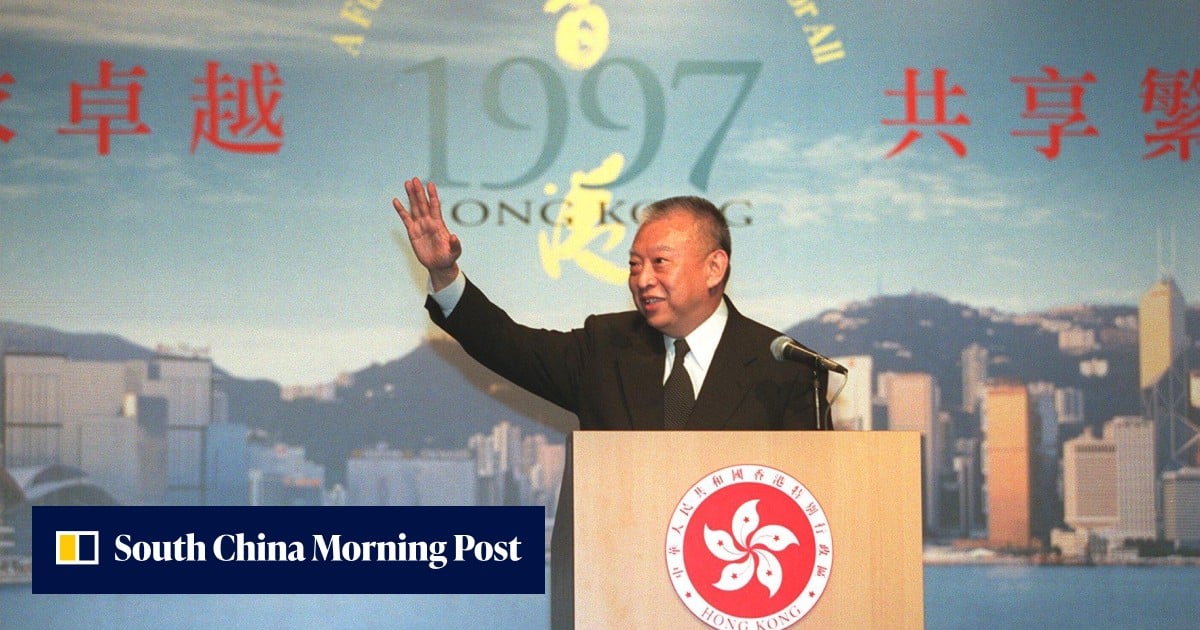
A shipping tycoon with little political experience, Tung was selected in 1996 by a Beijing-appointed committee to become Hong Kong’s first leader after the 1997 handover from Britain.
asserted
Tung → select → Britain
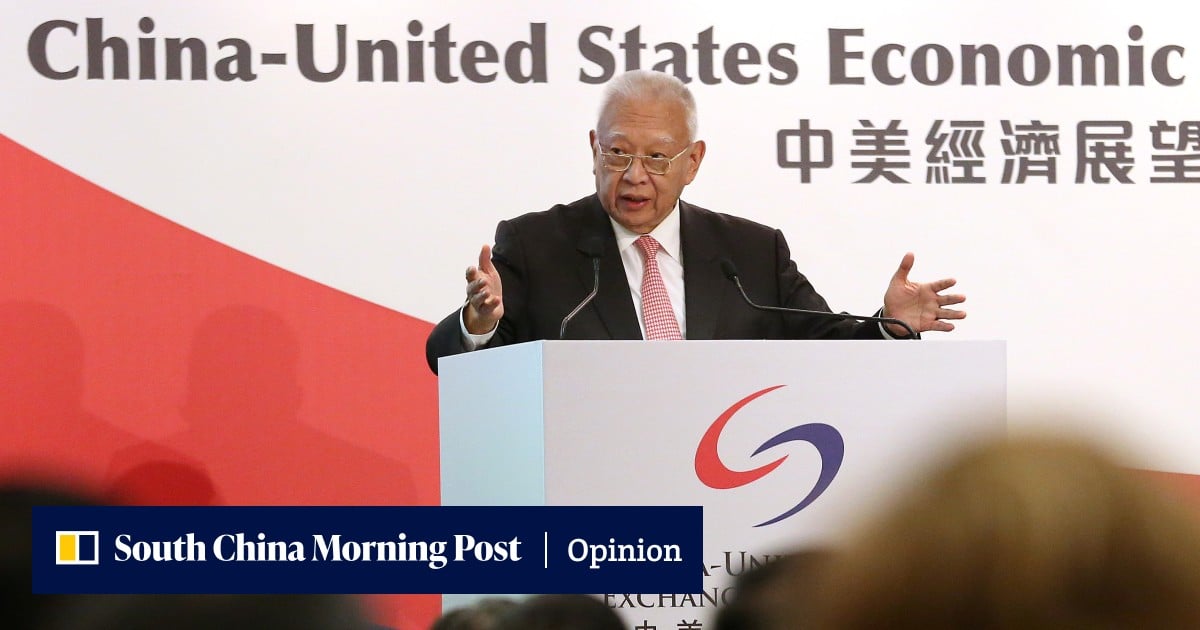
Tung led the city through the 1997 Asian financial crisis and the 2003 SARS outbreak, and mass protests that year forced him to shelve proposed national security legislation.
asserted
protests → lead → legislation
He was re-elected unopposed in 2002 but resigned in 2005, midway through his second term, citing poor health, in a move widely seen as driven by Beijing’s loss of confidence in him.
asserted
He → re → him
He went on to serve as a vice chairman of the CPPCC until 2023.
asserted
He → go → 2023
Two business leaders, industrialist Ann Tse-kai and tycoon Henry Fok, who both served as vice chairs of the CPPCC, were given state funerals in 2000 and 2006, respectively.
asserted
who → serve → 2000
Chinese state media described Tung as a “renowned patriot”, while his successor, Tsang, called him “an easy-going, gentle and refined man with a broad-minded outlook and far-reaching vision”.
asserted
successor → describe → outlook
Critics recalled his tenure as marked by governance struggles and public discontent that never fully recovered after the financial crisis.
asserted
that → recall → crisis
 The Aporia