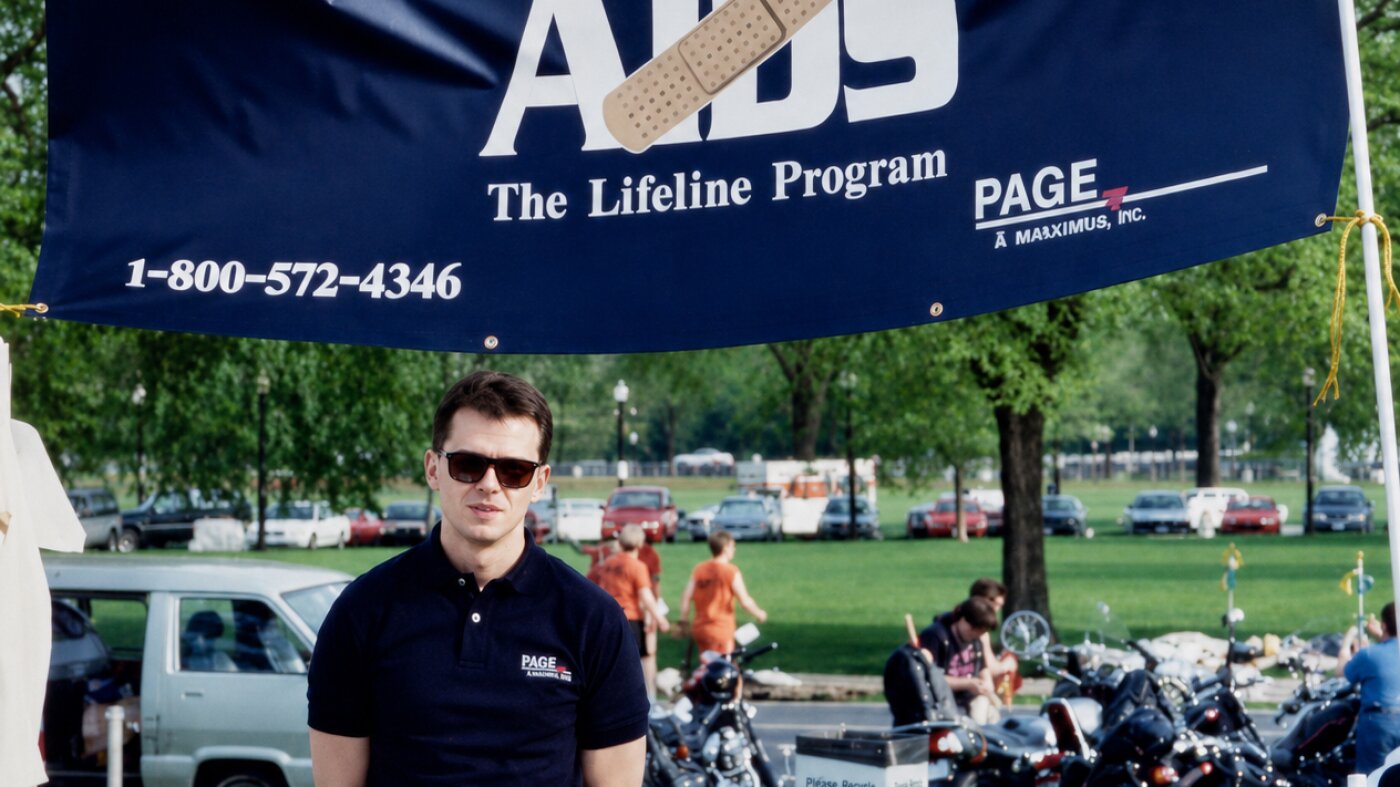
How the AIDS crisis helped create a multibillion-dollar death-speculation market
asserted
crisis → help → market
Listeners of our August 14 Planet Money episode may recognize some of today's newsletter.
uncertain
Listeners → recognize → newsletter
We got such a response, and so many questions, we wanted to go a little deeper with this follow up.
asserted
we → get → follow
Frank Sierawski didn't set out to discover a multibillion-dollar market for speculating on when people with life insurance policies will die.
asserted
people → set → policies
He stumbled on it by accident, after getting the worst news of his life.
asserted
He → stumble → life
Over a decade ago, Sierawski got diagnosed with a rare form of Stage IV lung cancer.
asserted
Sierawski → diagnose → cancer
He has a wife and three kids, and he's thinking about all the time together he's going to miss out on.
asserted
he → have → time
So he sets what he thought then was an ambitious goal: live seven years.
asserted
he → set → what
"That's when I was 35," Sierawski said.
asserted
Sierawski → say → ?
That seems like I'd be beating the odds.
asserted
I → seem → odds
I'll take that."
asserted
I → take → that
He was obviously worried about how his death would impact his family emotionally, but he was less worried about the financial impact.
asserted
he → impact → impact
Because, before his diagnosis, he'd taken out two life insurance policies.
asserted
he → take → policies
Back then, he understood the basic value proposition of life insurance like many of us do: you pay an annual premium to your insurance company, and if you die while your policy is in force, the insurer pays a big chunk of change to whomever you tell it to.
asserted
you → understand → it
In this case, the money would go to his family.
asserted
money → go → family
Luckily, his life insurance never had to pay out.
asserted
insurance → have → ?
He got on a new drug that put his cancer into remission.
asserted
that → get → remission
But he kept paying into those two life insurance policies.
asserted
he → keep → policies
Then, just over a year ago, Sierawski was scrolling through a Facebook group for cancer survivors when he stumbled across a post that would change his whole idea of what life insurance even is. And what it can do.
asserted
it → scroll → what
The post was about a deal where you don't have to actually die to get some of your life insurance money.
asserted
you → have → money
It's called a life settlement.
asserted
It → call → ?
Here's how it works: You sell your life insurance policy to an investor for a fraction of the face value of the policy, maybe 20 to 30 cents on the dollar.
asserted
You → work → dollar
The company pays the premiums to keep it in force, and when you die, they get the full payout instead of your beneficiaries.
asserted
they → pay → payout
In other words, Sierawski realized his life insurance was more than just a contract between him and his insurer.
asserted
insurance → realize → him
It was something he could sell.
uncertain
he → sell → ?
"It's an asset I didn't know I had," Sierawski said.
asserted
Sierawski → know → ?
"Which was like, whoa, mind-blowing.
asserted
Which → blow → ?
This is when he gets curious.
asserted
he → get → ?
He knows these companies want their returns as fast as possible.
asserted
companies → know → returns
They make the most money when someone dies the day after they sell their policy.
asserted
they → make → policy
So he suspects his cancer history might net him a better offer.
uncertain
history → suspect → offer
He fills out some forms online.
asserted
He → fill → forms
And that's when his phone starts ringing off the hook.
asserted
phone → start → hook
Sierawski's journey down the life settlement rabbit hole is the subject of a recent episode of Planet Money, which also follows the journey of the market from its desperate origins as loose handshake deals during the AIDS crisis to the abstract financial asset it is today.
asserted
it → follow → asset
He didn't know it at the time, but he'd stumbled into a multibillion-dollar market where policyholders like him were line items in massive investment portfolios.
asserted
policyholders → know → portfolios
Binders upon binders of policies on people like him that Wall Street was waiting on to die to reap their returns.
asserted
Street → wait → returns
Wait, how is this even legal?
asserted
this → wait → ?
Back in the early 1900s, a man sold his life insurance policy to his doctor for $100 to pay for an operation.
asserted
man → sell → operation
And when he eventually died, his insurance company went to the courts to figure out who it should pay: the doctor or the dead man's estate?
asserted
it → die → doctor
Because on the one hand, the Supreme Court didn't want people to take out policies on strangers.
asserted
people → want → strangers
…and 106 more, not listed.
 The Aporia