That is 0 articles you have read today.
The Aporia is free and carries no advertising, so readers are the only
thing paying for it. If you are getting this much out of it, a small
donation is what keeps it independent.
Daily limit reached
You have read 0 articles today.
That is more than the 15 a day The Aporia gives away,
and well past what it can carry on nothing. Your allowance resets at
midnight.
There is no advertising here and nothing about you is sold, so readers
are the only thing paying for it. If the site is worth this much of
your day, it is worth a few dollars.
Everything else stays open: the
maps, the
directory and
search do
not count against this, and neither does re-opening something you have
already read today.
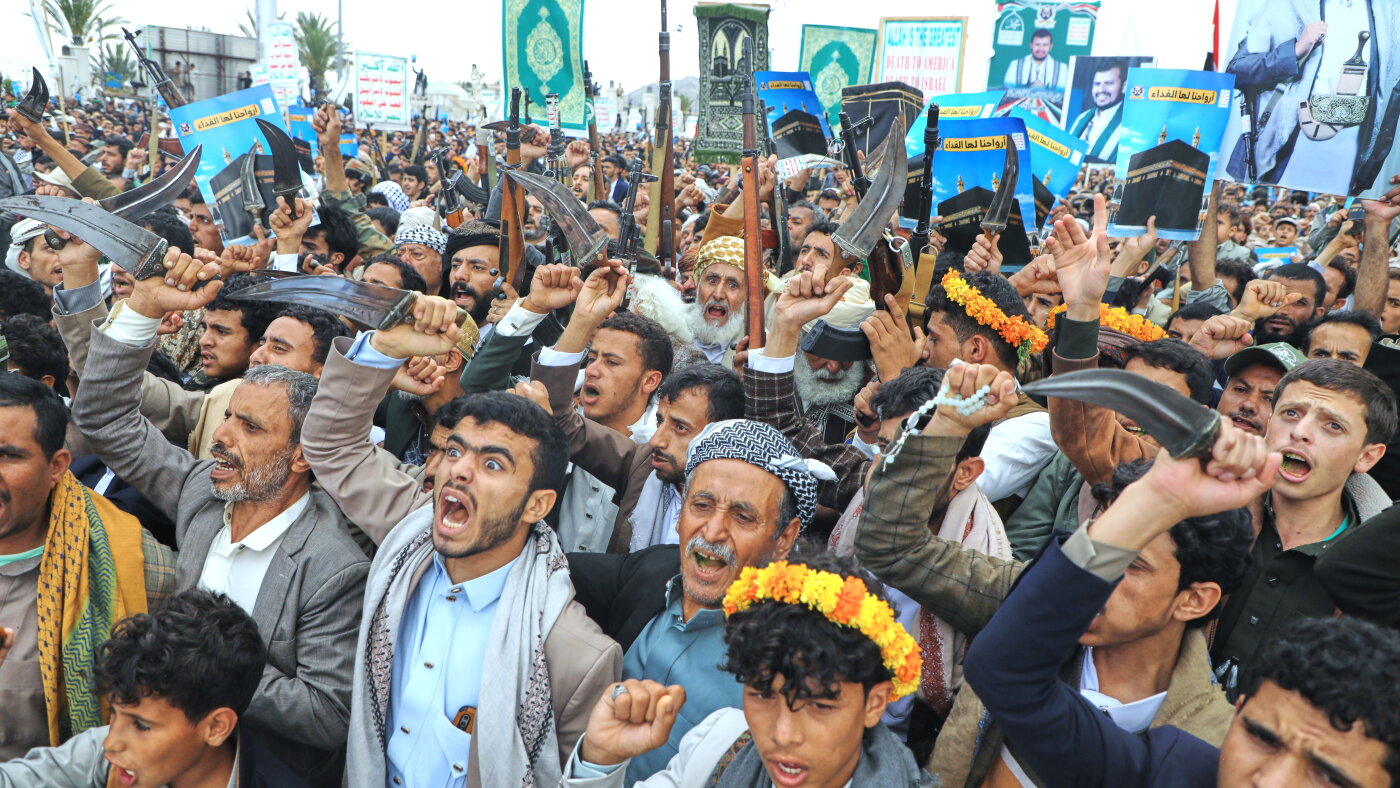
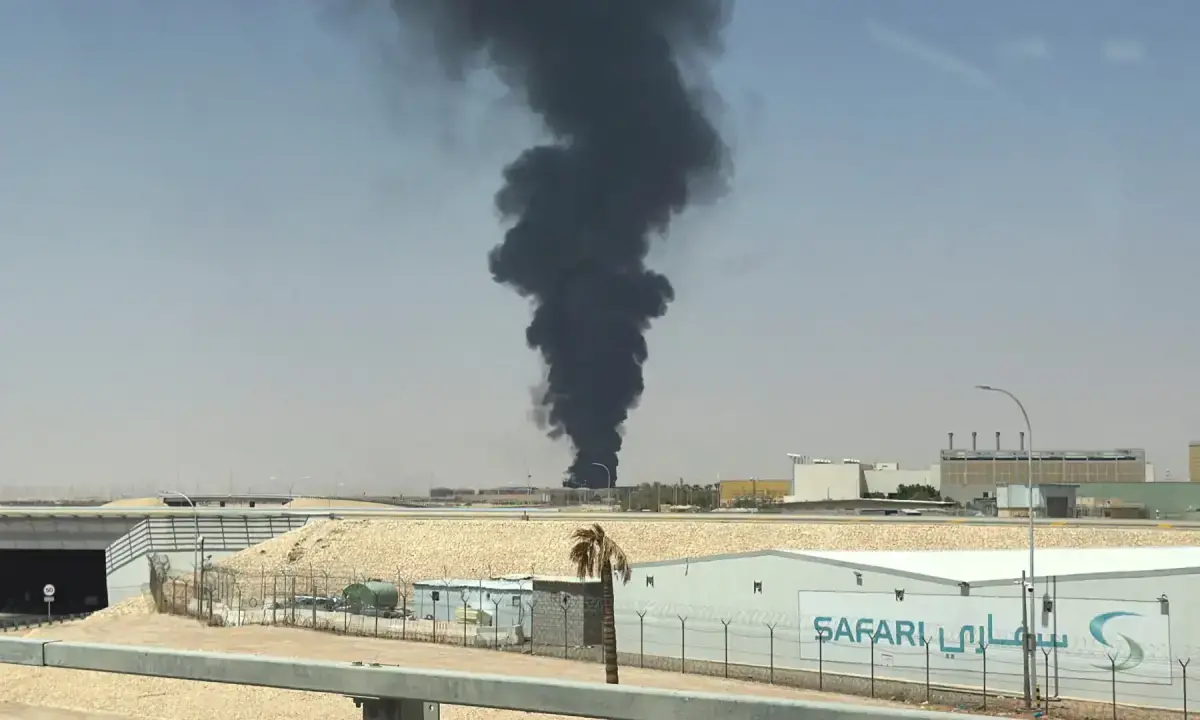
On Saturday, explosions near King Khalid International Airport in Riyadh led to air-raid alerts being issued by Saudi authorities due to threats from Yemeni Houthi forces. Smoke was seen coming from a fuel storage area at the airport. The Houthis claimed responsibility for missile and drone attacks against multiple Saudi targets, including Aramco facilities. About 4.2 million barrels per day of crude oil passed through the Bab el-Mandeb Strait in the first half of 2025, but Houthi attacks have disrupted this shipping route, forcing Saudi Arabia to use alternative pipelines like its East-West Pipeline, which carries crude from eastern Saudi Arabia to Red Sea ports.
Written locally by qwen2.5:14b on 2026-09-19,
using this article's own text rather than the other coverage of the
same event (that is the story summary below).
Story summary
On September 19, black smoke and flames were reported near Riyadh King Khalid International Airport in Saudi Arabia, following overnight air raid alerts issued by authorities due to heightened tensions with Yemen’s Houthi rebels. Residents heard explosions and saw firefighters battling a burning fuel tank emblazoned with the logo of Aramco, Saudi's national oil company. Flight tracking websites reported major disruptions at the airport, including flight cancellations and delays. The UN Security Council condemned continued Houthi attacks on civilian infrastructure in Saudi Arabia. This incident marks the first air raid alerts issued for Riyadh since July when fighting intensified near the border with Yemen.
Written for “Houthis Attack Claims Near Riyadh Air…” on 2026-10-05,
grounded in this article and the 39 other(s) covering the same event.
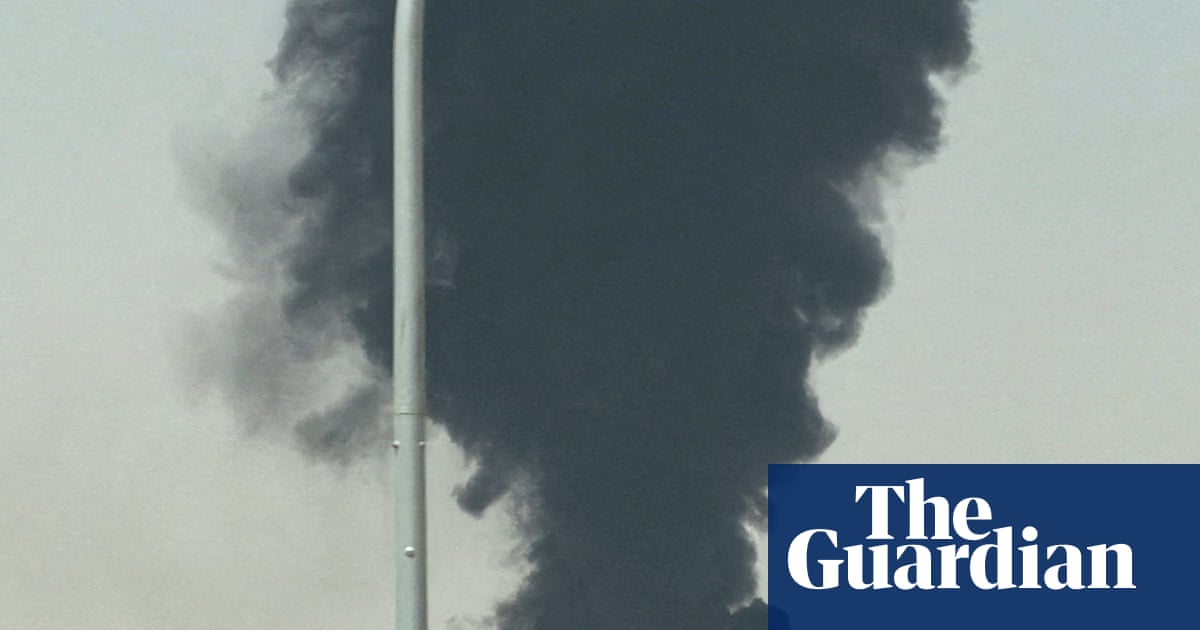
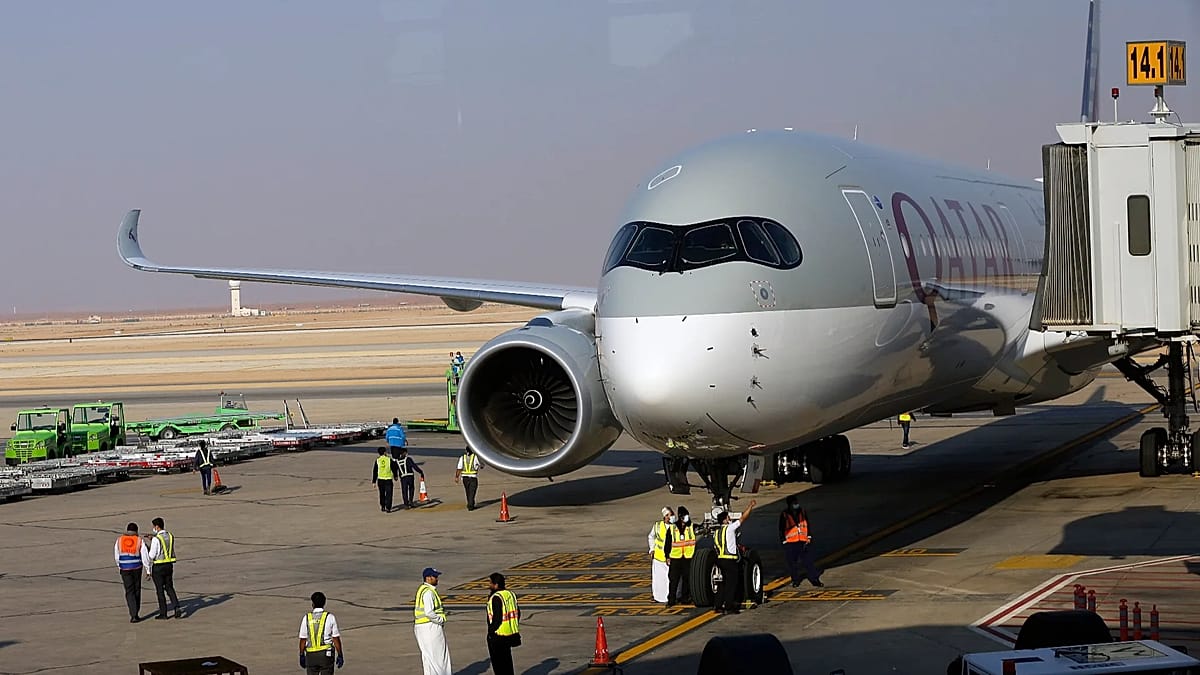
Smoke plumes rose over Saudi Arabia’s capital Saturday after explosions were heard near Riyadh’s King Khalid International Airport, prompting the government to issue air-raid alerts as fighting with Iran-backed Houthi forces in neighboring Yemen escalates.
asserted
fighting → rise → Yemen
Saudi Arabia’s Civil Defense issued warnings to residents of Riyadh and the surrounding area early Saturday, telling people to remain indoors because of an aerial threat.
asserted
Defense → issue → threat
The alert was lifted shortly afterward, although authorities urged residents to avoid gathering in crowds.
asserted
authorities → lift → crowds
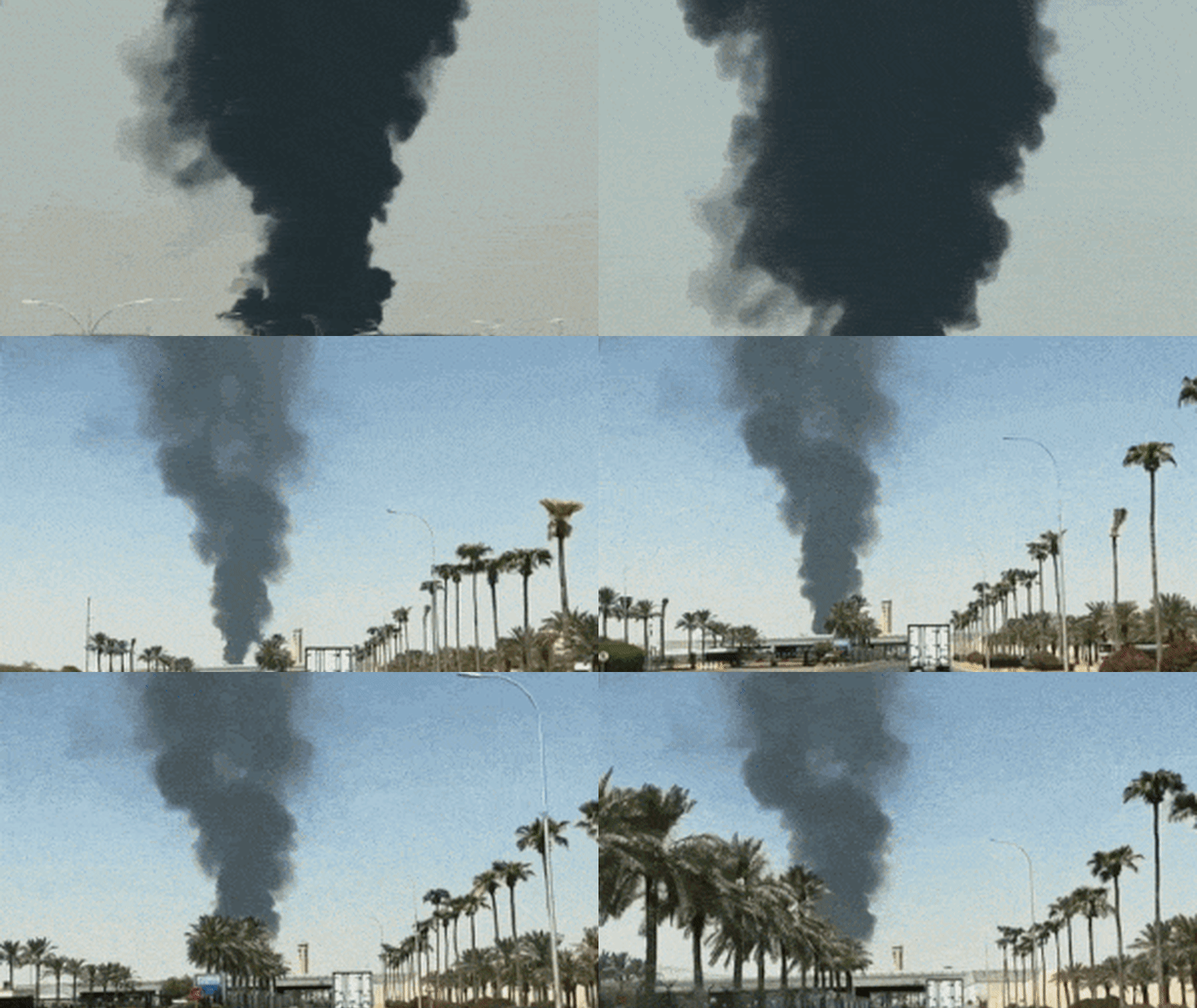
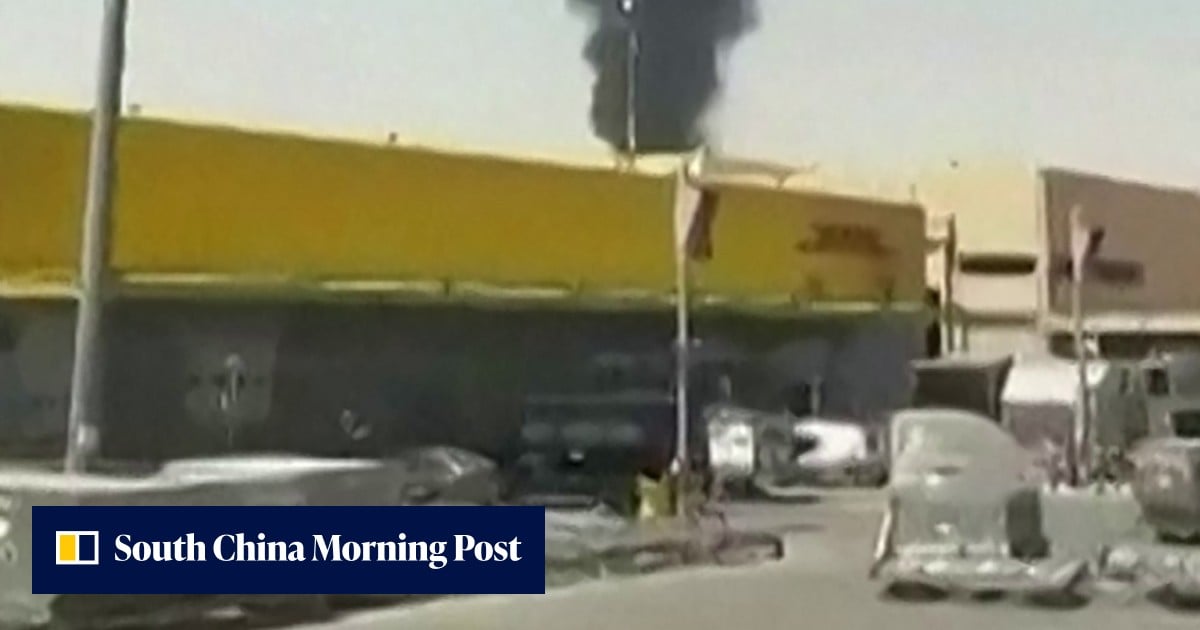
Flames and thick black smoke were later seen rising from a fuel storage area near the airport.
asserted
Flames → see → airport
The alert marked the first time Riyadh had received such a warning since fighting in Yemen intensified in July.
asserted
fighting → mark → July
Authorities also issued alerts in Jeddah and Yanbu, a major Red Sea industrial port that houses critical oil infrastructure.
asserted
that → issue → infrastructure
The Houthis claimed Saturday that they had launched missile and drone attacks against several Saudi targets, including sites in Riyadh and an Aramco facility in Yanbu.
asserted
they → claim → Yanbu
The group said the attacks were retaliation for Saudi military operations against Houthi positions in Yemen.
asserted
attacks → say → Yemen
The Houthis also accused Saudi Arabia of conducting 26 airstrikes against them over a 24-hour period.
asserted
Houthis → accuse → period
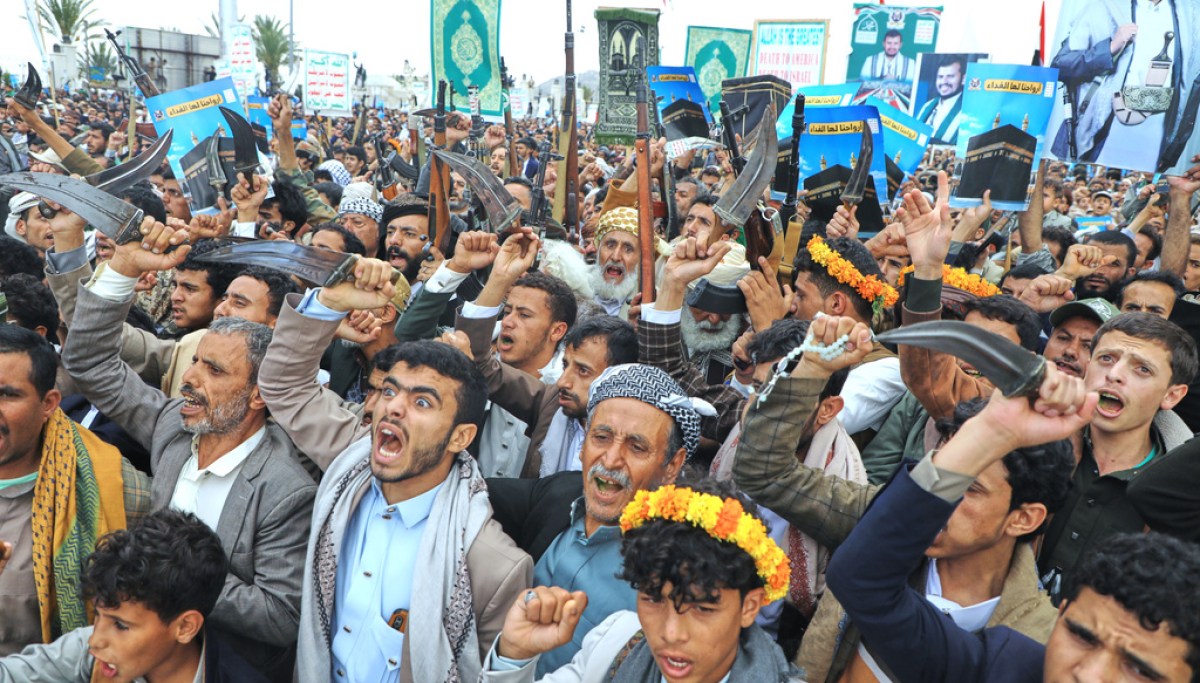
The latest fighting represents another escalation in the long-running conflict between Saudi Arabia and the Houthis, who control much of northern Yemen and large portions of the country’s Red Sea coastline.
asserted
who → represent → coastline
The group, which is backed by Iran, began attacking commercial shipping in the Red Sea and surrounding waters in November 2023, following Hamas’s Oct. 7 attack on Israel.
asserted
which → back → Israel
Those attacks have disrupted shipping through the Bab el-Mandeb Strait, a strategic waterway connecting the Red Sea with the Gulf of Aden and the Arabian Sea.
asserted
attacks → disrupt → Aden
The renewed fighting has taken on broader significance because of the disruption to oil shipments through the Strait of Hormuz, which has forced Saudi Arabia to rely more heavily on alternative routes.
asserted
which → renew → routes
The Bab el-Mandeb sits at the southern end of the Red Sea, between Yemen and the Horn of Africa.
asserted
Mandeb → sit → Africa
About 4.2 million barrels per day of crude oil, condensate and petroleum products passed through the strait during the first half of 2025, according to the U.S. Energy Information Administration.
uncertain
barrels → pass → Administration
That was roughly half the volume recorded in 2023, as shipping companies diverted vessels away from the waterway because of Houthi attacks
Saudi Arabia has also increasingly depended on its 1,200-kilometer East-West Pipeline, which carries crude from the kingdom’s oil-producing east to the Red Sea port of Yanbu, allowing exports to bypass the Strait of Hormuz.
asserted
exports → record → Hormuz
The kingdom shut the pipeline earlier this month after attacks damaged infrastructure in the Riyadh and Medina regions.
asserted
attacks → shut → regions
Saudi officials said the attacks caused injuries but did not publicly attribute them to the Houthis.
asserted
attacks → say → Houthis
The pipeline’s disruption is particularly significant because Saudi Arabia had been using it to reroute oil away from the Persian Gulf amid the wider regional conflict.
asserted
Arabia → use → conflict
The pipeline has historically been capable of carrying several million barrels of crude per day.
asserted
pipeline → carry → day
Oil prices have climbed above $100 per barrel during the disruptions, driven by fears that further attacks could constrain the amount of oil reaching international markets.
uncertain
attacks → climb → markets
 The Aporia