That is 0 articles you have read today.
The Aporia is free and carries no advertising, so readers are the only
thing paying for it. If you are getting this much out of it, a small
donation is what keeps it independent.
Daily limit reached
You have read 0 articles today.
That is more than the 15 a day The Aporia gives away,
and well past what it can carry on nothing. Your allowance resets at
midnight.
There is no advertising here and nothing about you is sold, so readers
are the only thing paying for it. If the site is worth this much of
your day, it is worth a few dollars.
Everything else stays open: the
maps, the
directory and
search do
not count against this, and neither does re-opening something you have
already read today.
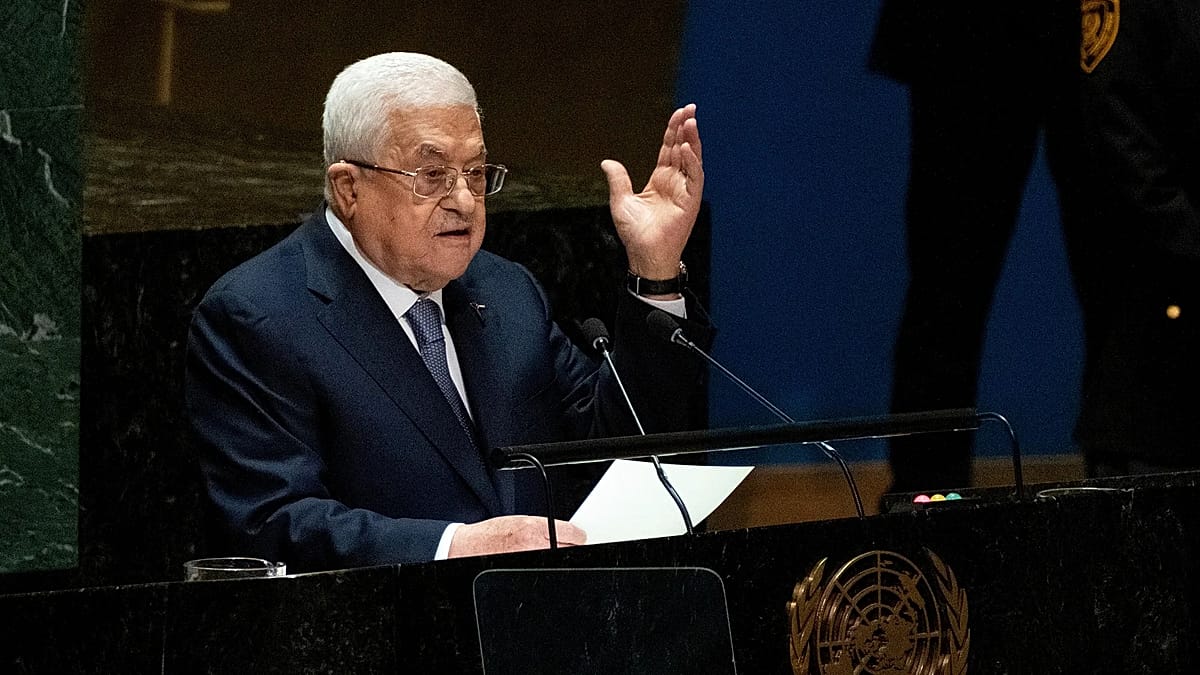
On September 18, the European Union expressed disappointment over the U.S.'s refusal to grant visas for Palestinian officials, including President Mahmoud Abbas, to attend the UN General Assembly in New York. This is the second consecutive year that Washington has denied these visas, and the EU called on the United States to reconsider its stance, citing its obligations as host state of the UN assembly. The decision has drawn criticism from both the UN Secretary-General Antonio Guterres and a significant majority at the General Assembly who voted in favor of Abbas addressing the body virtually this year due to visa issues.
Written locally by qwen2.5:14b on 2026-09-19,
using this article's own text rather than the other coverage of the
same event (that is the story summary below).
Story summary
The Trump administration denied entry visas to Palestinian officials, including President Mahmoud Abbas, preventing them from attending the UN General Assembly in New York. This marks the second consecutive year that such a visa ban has been implemented. The State Department cited previous commitments to seek peace with Israel as unfulfilled by Palestinian leaders and accused them of undermining peace efforts through actions at international bodies like the International Criminal Court (ICC). In response, the Palestinian Authority condemned the decision as unjustified, arguing it hinders diplomatic progress toward a two-state solution. The EU also urged the US to reconsider its stance, expressing concern over the impact on Palestinian representation at the UN.
Written for “US Visa Denial Palestine UNGA” on 2026-10-05,
grounded in this article and the 9 other(s) covering the same event.
EU urges US to reconsider visa denial to Palestinian delegation for UN meeting
asserted
EU → urge → meeting
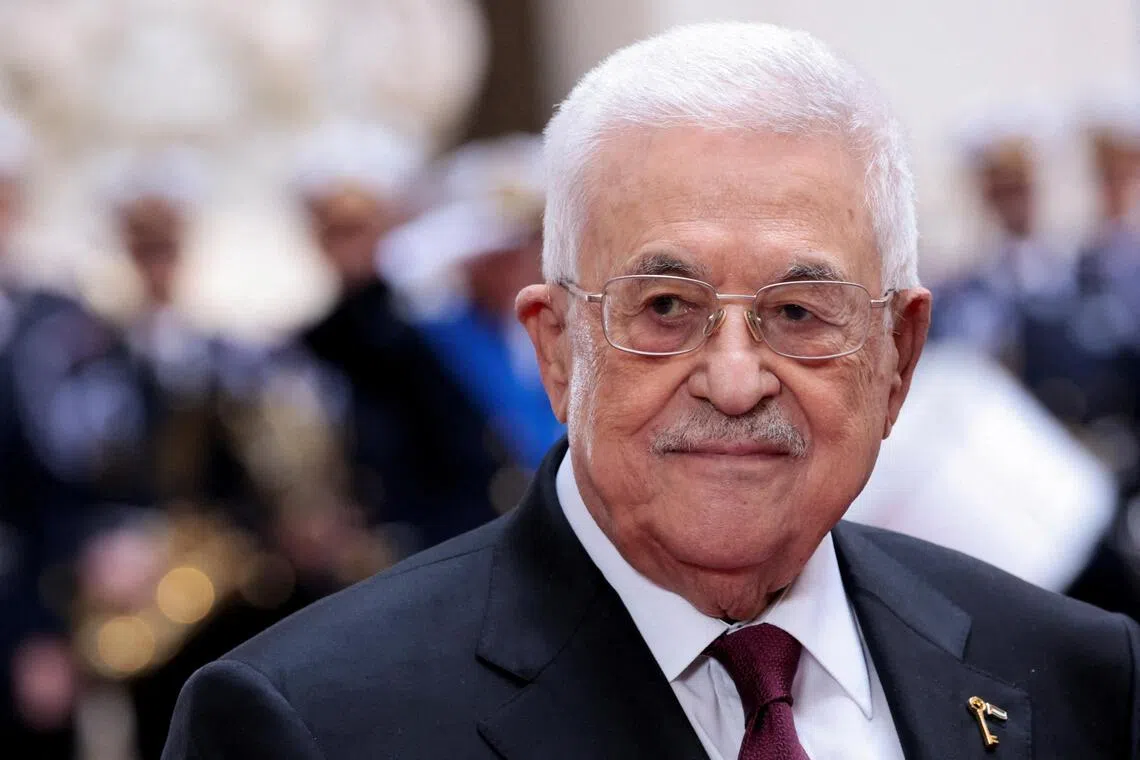
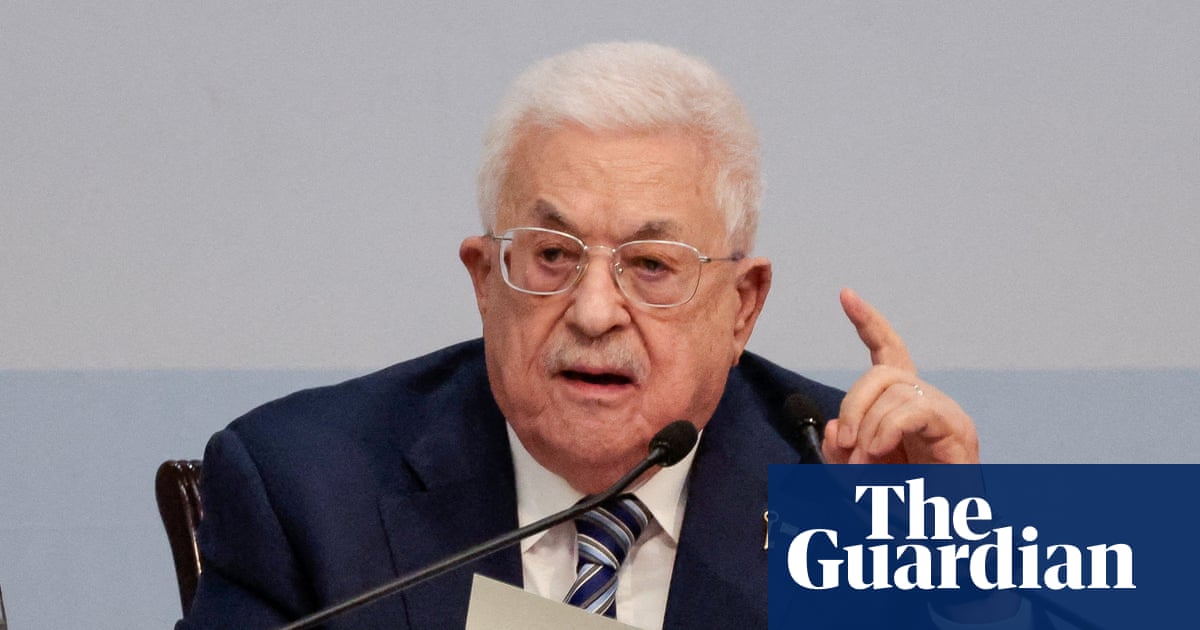
The European Union said on Sept 18 it regretted Washington’s decision to deny visas for the second year running to Palestinian officials seeking to attend the UN General Assembly, urging a rethink.
asserted
it → say → rethink
The US State Department said this week it was refusing to grant visas to Palestinian leader Mahmoud Abbas and other members of his delegation ahead of next week’s meeting in New York.
asserted
it → say → York
“We regret the decision to extend the denial of entry visas for members of the Palestinian delegation for a second year in a row,” said Anouar El Anouni, a spokesman for the EU’s diplomatic service.
asserted
Anouni → regret → service
“In light of its existing headquarters agreements with the UN and its obligations as host state, we urge the United States for this decision to be reconsidered.”
asserted
decision → exist → States
The administration of US President Donald Trump denied visas for the Palestinian delegation also in 2026, forcing Abbas, a regular at the UN General Assembly, to address the body of global leadership by video.
asserted
administration → deny → video
The General Assembly voted 152-3 on Sept 17 for Abbas to be able to appear virtually once again this year.
asserted
Abbas → vote → Sept
As it stands, only members of the Palestinian mission to the UN will be able to attend the meeting, which begins Sept 22.
asserted
which → stand → meeting
On Sept 18, UN Secretary-General Antonio Guterres also expressed regret at Washington’s decision, adding he was concerned about its impact “on the ability of the State of Palestine to participate fully in the work of the United Nations”.
The United States and Israel have objected to the Palestinian Authority’s historical payments to families of imprisoned or slain Palestinians, including those who carried out attacks against Israelis.
The PA recently reformed this system, allocating welfare payments to families on a needs basis rather than political affiliation or prisoner status.
asserted
PA → express → basis
The US State Department said Washington also opposed Palestinian “actions to internationalise the Israeli-Palestinian conflict including through the International Criminal Court (ICC) and International Court of Justice (ICJ), seeking to bypass negotiations through seeking unilateral recognition”.
asserted
Washington → say → recognition
They accused the Palestinians of “continuing to pay stipends to terrorists and to glorify acts of terrorism and terrorists in public pronouncements and school textbooks”.
asserted
They → accuse → pronouncements
The United States is at odds with the 142 UN member states that recognised a Palestinian state at the United Nations in 2026.
asserted
that → recognise → 2026
The decision to deny Abbas a US entry visa comes as violence by Israeli settlers against Palestinians has escalated in recent months in the West Bank.
asserted
violence → deny → Bank
 The Aporia