Toronto Star
· collected 2026-09-19 · by Aamer Madhani The Associated Press
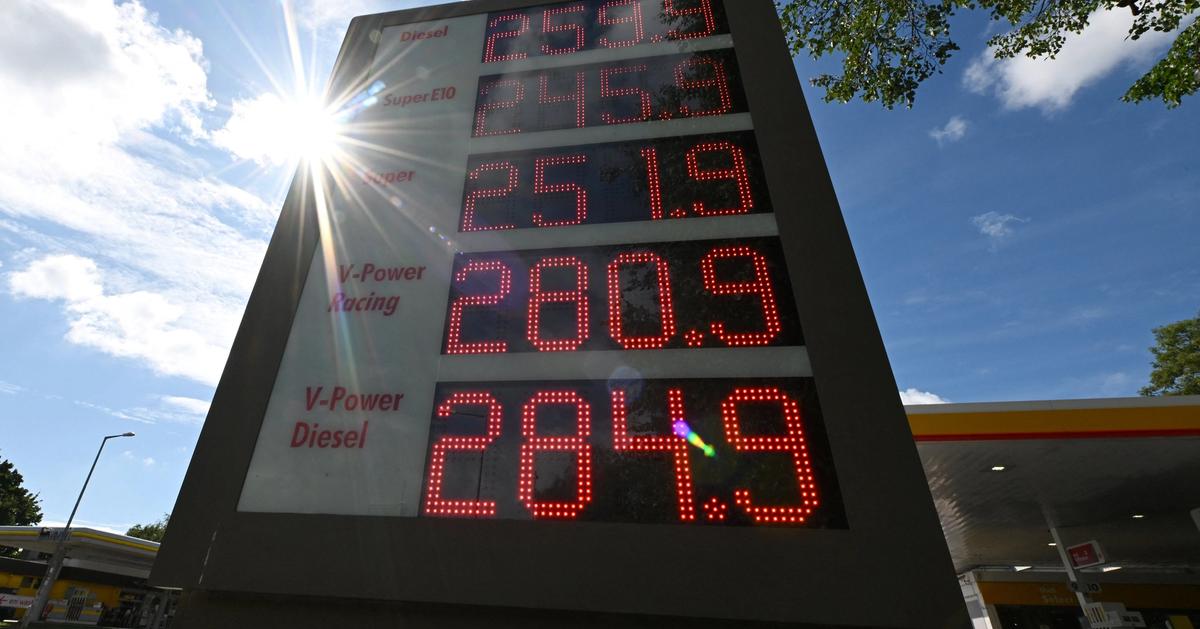
When President Donald Trump launched his war against Iran in late February, energy analysts issued dire warnings that oil prices could more than double during a protracted conflict and urged investors and motorists to buckle up for a bumpy ride.
The war grinds on and oil prices certainly remain volatile.
uncertain
prices → launch → ride
the most dire projections have not yet come to pass six months into a conflict that has no end in sight.
asserted
that → come → sight
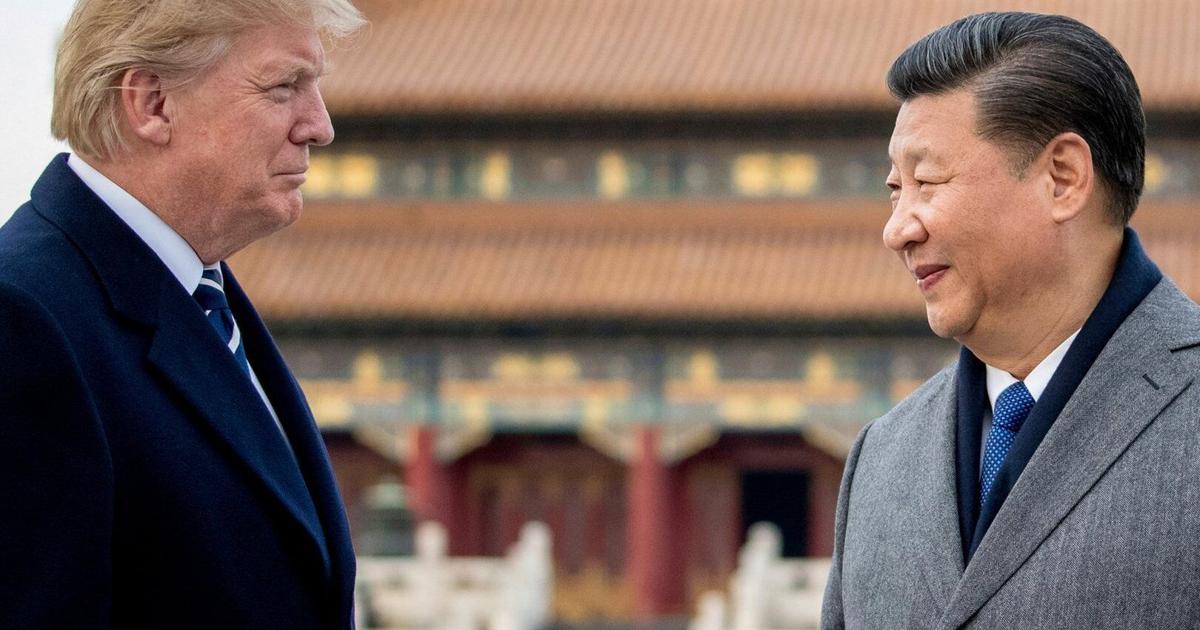
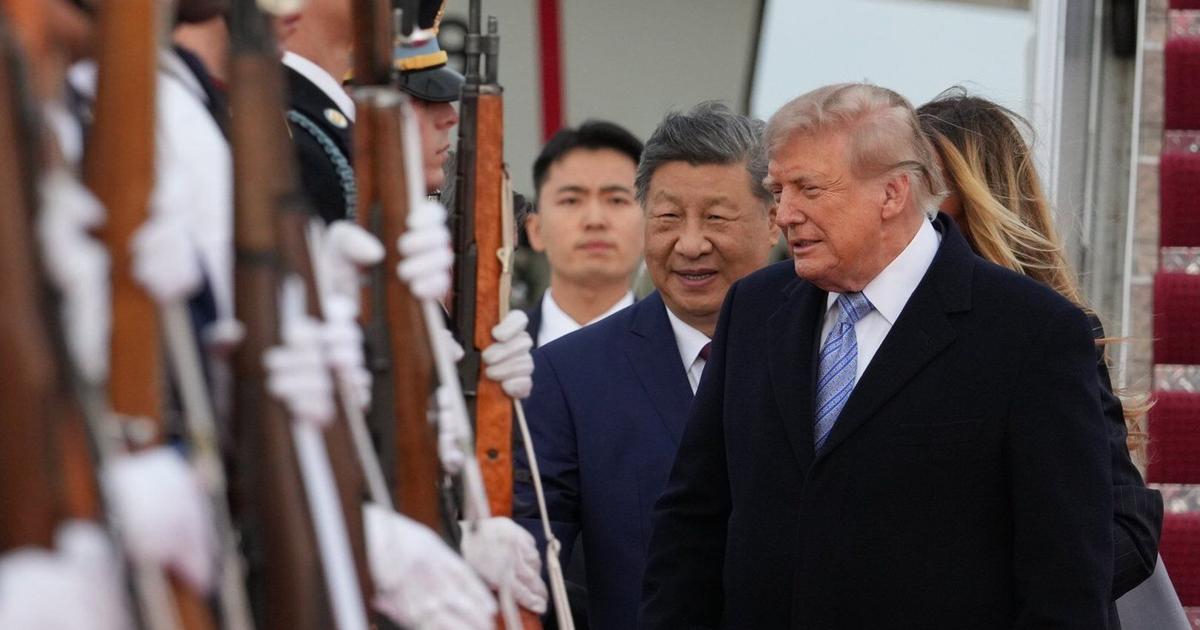
Chinese President Xi Jinping, who is making a much-anticipated state visit to Washington next week, could make a credible argument that the world has his country’s energy strategy to thank for that.
uncertain
world → make → that
It’s unclear how much the two leaders will discuss Iran during the visit, which comes as Trump’s Republican Party faces pressure from voters over high gasoline prices, and as China’s buffer is being further tested as the conflict in the Middle East spreads.
uncertain
conflict → ’ → East
Trump, who has sought to keep a fragile trade truce with Beijing intact, has been careful in public comments about differences with Xi over the country’s relationship with Iran.
asserted
who → seek → Iran
“We’ve been free-riding off Beijing in a weird way,” said Rosemary Kelanic, director of the Middle East program at Defense Priorities, a Washington think tank.
asserted
Kelanic → rid → Priorities
“China’s doing it because they understand that they’re on the train that Trump is driving off a cliff.
asserted
Trump → do → cliff
If oil prices go way up, that hurts the global economy.
asserted
that → go → economy
If it hurts the global economy, it hurts them.
asserted
it → hurt → them
”
China’s stockpiles helped Xi weather the storm — so far
Beijing spent years and billions of dollars amassing the world’s largest oil stockpile, building its strategic reserve to about 1.4 billion barrels by the end of last year, according to the U.S. Energy Information Administration’s estimates.
uncertain
Beijing → help → estimates
To protect China from foreign supply risks, Xi made energy self-reliance a part of the country’s latest five-year plan.
asserted
reliance → protect → plan
Drawing from the massive stockpile allowed China, the world’s second-biggest oil consumer and Iran’s top buyer, to dramatically cut crude imports once the U.S. and Israel began their bombardment and Tehran effectively closed the Strait of Hormuz.
asserted
Tehran → draw → Hormuz
The country was also helped by its shift toward electric vehicles in recent years and increasingly tapping into other energy alternatives.
asserted
country → help → alternatives
China’s oil import diet in turn helped ease global demand, softening the upward price effects for the United States, Europe and beyond.
asserted
diet → help → States
“The Chinese deserve credit,” said retired U.S. Navy Rear Adm. Mark Montgomery, an analyst at the Foundation for Defense of Democracies, a hawkish Washington think tank.
asserted
Montgomery → deserve → Democracies
“They did in 10 years what took us 25 years after the 1973 oil crisis to do: really build a kind of strategic petroleum reserve that could allow you to weather this.
uncertain
you → do → this
But that resilience faces new challenges.
asserted
resilience → face → challenges
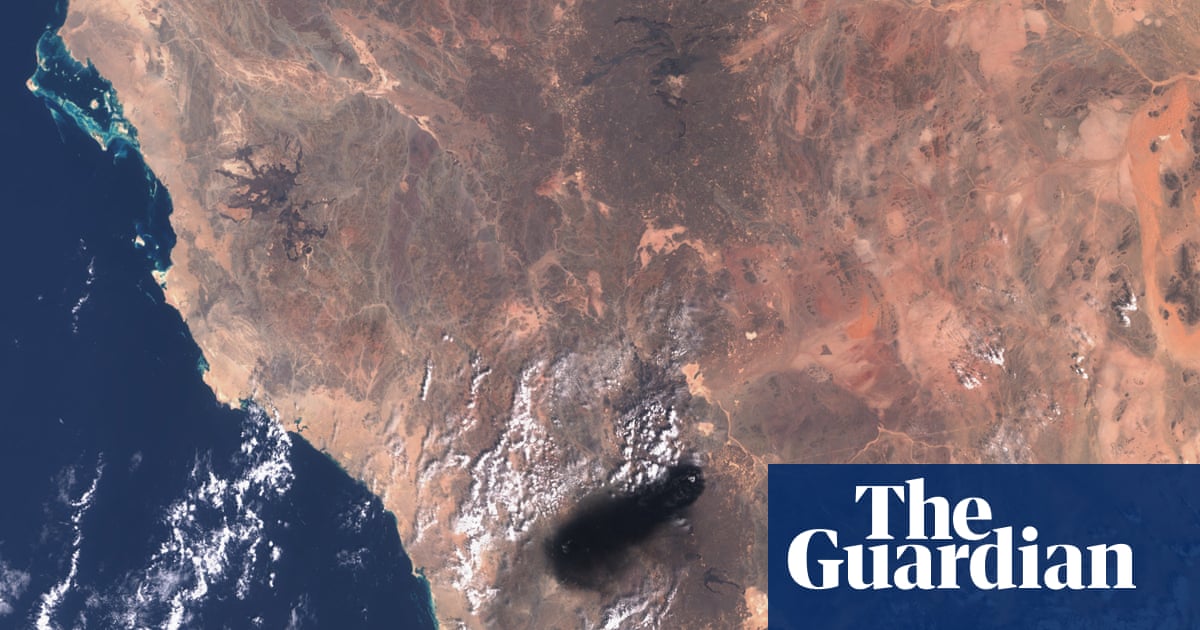
Attacks by Iran-backed militias this month led Saudi Arabia to temporarily shut a vital pipeline that transports crude across the kingdom to ports on the Red Sea.
asserted
that → back → Sea
The Yemen-based Houthis have also seized two strategic islands in the southern Red Sea, bolstering the Iran-backed rebels’ ability to disrupt a key maritime shipping route.
asserted
Houthis → base → route
Planned talks among Gulf nations focused on reopening the Strait of Hormuz, which were supposed to take place earlier this week, have also been put on hold.
asserted
which → focus → hold
Before he meets Xi, Trump is set to meet Tuesday with leaders of the Gulf Cooperation Council in New York, on the sidelines of the annual United Nations General Assembly.
asserted
Trump → meet → Assembly
The group includes Saudi Arabia, the United Arab Emirates, Qatar, Oman, Kuwait and Bahrain.
asserted
group → include → Arabia
Oil industry experts say the moment remains tenuous
Analysts at Bank of America last week forecast oil at $83 a barrel for the second half of the year “in light of more persistent disruptions to Hormuz,” but said they still expected shipping through the strait to gradually pick up.
But if violence escalates and keeps a chokehold on traffic, prices could reach $95 to $120 a barrel, while damage to major energy infrastructure could produce spikes of up to $150 a barrel, the analysts wrote.
uncertain
analysts → say → 150
Brent crude averaged about $69 per barrel last year and currently is hovering around $100.
asserted
crude → average → 100
Brent crude briefly peaked in late April, touching $126.
asserted
crude → peak → 126
How China has weathered the volatile oil market caused by Trump’s war is ultimately seen by Beijing as “a vindication of Xi’s last five-year plan and his focus on self-reliance,” said Jonathan Czin, a former senior CIA analyst who is now at the Brookings Institution.
asserted
who → weather → Institution
Deep differences between Trump and Xi on Iran persist
asserted
differences → persist → Iran
The war in Iran — and its impact on the global economy — is expected to be on the agenda for the Trump-Xi talks.
asserted
war → expect → talks
But the prospects of the world’s two biggest powers coming up with a breakthrough appear dim.
asserted
powers → come → breakthrough
Over the course of the conflict, the Trump administration has faced resistance when urging Beijing to use its considerable economic leverage to press the Islamic Republic to end the war and reopen the Strait of Hormuz.
asserted
administration → face → Hormuz
Chinese officials, who have expressed strong opposition to the U.S. war, also have bristled at more recent administration threats to ratchet up economic pressure on nations and entities still doing business with Iran.
asserted
who → express → Iran
To be certain, analysts say there’s little altruism in how China came to sit on its massive stockpile of oil.
asserted
China → say → oil
Experts believe Beijing was driven by contingency planning for potential military action to take over the self-ruled island of Taiwan, which China considers its own territory.
asserted
China → believe → Taiwan
Tapping the reserves now has been far from ideal for Beijing — but seeing global oil prices skyrocket was not ideal, either.
asserted
prices → tap → Beijing
Trump treads carefully on differences with China over Iran
The leaders last met in Beijing just four months ago, and could meet twice more later this year.
uncertain
leaders → tread → Beijing
After the talks in May, Trump claimed Xi agreed with him that a nuclear-armed Iran is a bad idea and that the Strait of Hormuz must be reopened.
uncertain
Strait → claim → Hormuz
Chinese officials have neither affirmed nor denied Trump’s telling of the private conversation.
asserted
officials → affirm → conversation
The U.S. administration has also warned China not to aid Iran’s military effort.
asserted
administration → warn → effort
But earlier this week, Trump downplayed a Wall Street Journal report that Chinese entities had supplied Tehran with satellite images of a Jordanian military base ahead of an Iran strike in July that killed three U.S. soldiers working there.
asserted
that → downplay → soldiers
“You know, when they say that China spies on us, I say you’re right, and we spy on them too,” Trump told reporters.
asserted
Trump → know → reporters
…and 9 more, not listed.
 The Aporia