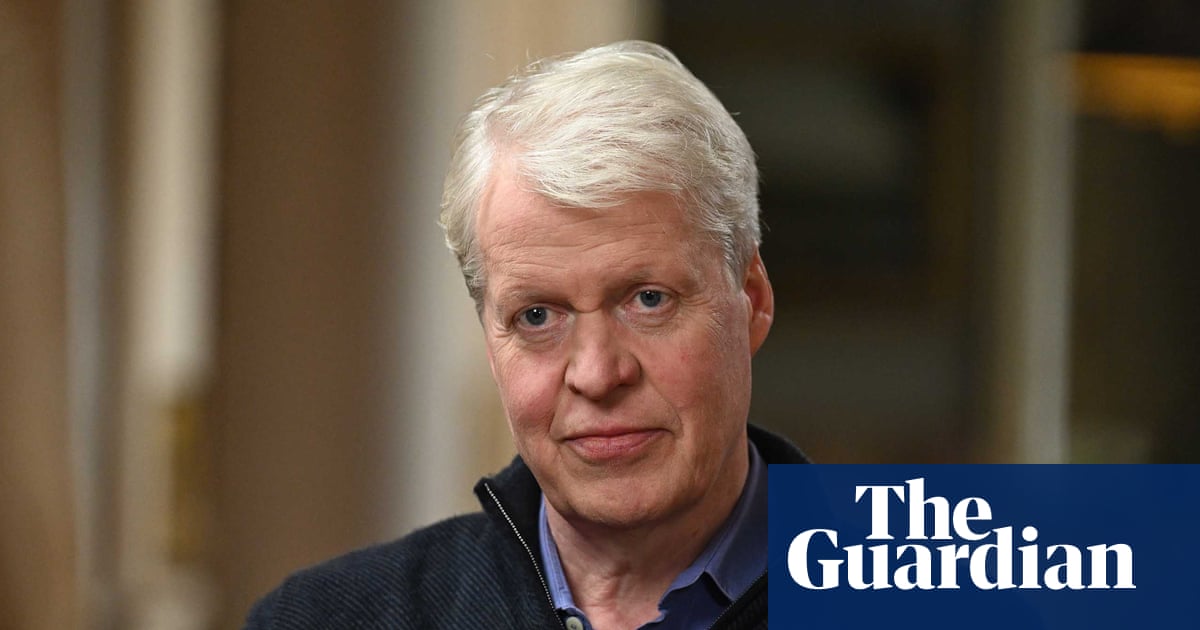
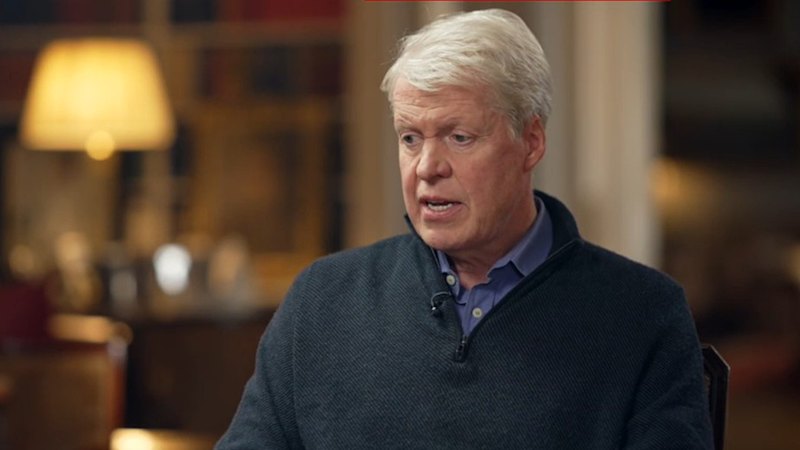
Earl Spencer has released new allegations about King Charles in an interview with the BBC and through extracts from his memoir published by the Daily Mail, claiming that the king made insensitive comments about Diana during a dispute over funeral arrangements. Buckingham Palace responded by stating that grief can cloud reason. The earl details a conversation where he claims the king said, “We’ll forget her soon enough,” referring to Princess Diana after her death in 1997. He also recounts his concerns for Prince Harry’s well-being following the funeral and alleges that Queen Elizabeth II had offered to restore Diana's HRH title posthumously.
Written locally by qwen2.5:14b on 2026-09-19,
using this article's own text rather than the other coverage of the
same event (that is the story summary below).
Story summary
Experts suggest that Earl Spencer felt a duty to write his memoir about Diana's life. In the book, he makes explosive claims against King Charles, alleging that shortly after Princess Diana’s death in 1997, then-Prince Charles said "we’ll forget her soon enough." This prompted Buckingham Palace to issue a statement saying His Majesty is mindful that fraternal grief can cloud judgment and reason.
Spencer accused the king of gaslighting him when the palace responded by questioning his recollections. He called the palace's defense a "rather poor imitation" of how Queen Elizabeth II handled similar allegations from Prince Harry in their Oprah interview.
The book also includes details about an alleged row over Diana’s funeral arrangements where King Charles reportedly went ballistic, criticizing Spencer's family for not fulfilling their duties adequately enough. Buckingham Palace did not comment on the specifics of these claims but suggested that grief could affect memory accuracy over time.
Earl Spencer told BBC he wanted to put down truths before it was too late due to his awareness of mortality. He added that there are other facts about King Charles he chose not to include in the book, deeming them irrelevant.
Written for “Diana Controversies Royal Family” on 2026-10-05,
grounded in this article and the 92 other(s) covering the same event.
The earl has made a series of damning claims about the King in a new memoir chronicling the life of his sister Diana that prompted an “unprecedented” response from Buckingham Palace who said “the pain of fraternal grief can cloud reason”.
uncertain
pain → make → reason
In an extract of a BBC interview released on Friday, the earl insisted he is “telling the truth” and described the King’s comments about his sister as “monstrous”.
asserted
he → release → sister
Speaking about an alleged row over Diana’s funeral arrangements involving her sons, the earl said: “(The King) went ballistic, would be the right term, and started really going for my family as a whole, about their sense of duty, not being adequate enough, and ranted for a while, I have no idea how long, but it was a significant period, and I just listened.
asserted
I → speak → idea
“And then he stopped, and I thought, ‘Oh now he’s going to pull himself together and say something more appropriate’.
asserted
he → stop → something
“And then he said, ‘We’ll forget her soon enough’.”
asserted
We → say → her
Asked whether he has “evidence” of the King’s comments, the earl told the BBC: “I told friends and family straight away, close friends and family, about what had been said, because it was so monstrous.”
asserted
it → ask → friends
He added: “I’m telling the truth.”
asserted
I → add → truth
Charles is said to have made the comments about his ex-wife in a row with the earl over whether the then Prince William and Prince Harry should follow Diana’s funeral cortege.
asserted
William → say → cortege
In the latest extract of the earl’s book serialised in the Daily Mail, Earl Spencer told of his memories of the funeral, and his concern for Harry, after he observed a “lack of obvious care” for the then 12-year-old prince.
asserted
he → serialise → prince
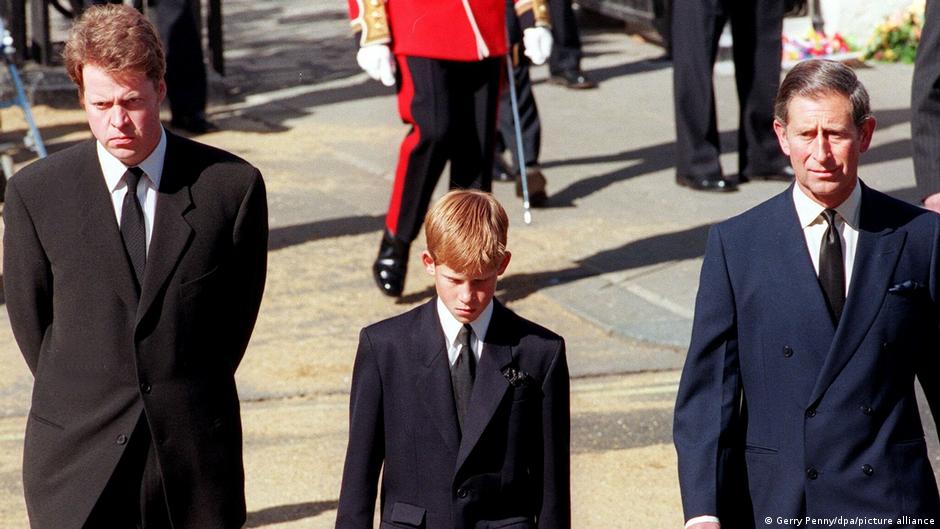
Earl Spencer walked behind Diana’s coffin during the funeral procession on September 6 1997, alongside Harry, William, then 15, Charles, and the late Duke of Edinburgh.
asserted
Spencer → walk → Edinburgh
Recounting the train journey from London to Althorp after the funeral, Earl Spencer said: “My chief memory of that train journey is of being concerned at the lack of obvious care for Harry, as he decompressed from the ghastliness of the morning.
asserted
he → recount → morning
“He needed Diana’s hugs, of course, and they would forever be denied him.
asserted
they → need → him
“But instead of calm and nurture, he was allowed to spin out of control.”
asserted
he → allow → control
Earl Spencer said he could not get over how “tiny, and slight, and bereft” his nephew looked, adding he remembers thinking Harry was “too small to be doing this”.
uncertain
Harry → say → this
In a previously published excerpt, Earl Spencer claimed the then-prince Charles “went nuts” in a row over Diana’s funeral arrangements, after he told him she “never would have wanted” her sons to walk behind her coffin.
asserted
sons → publish → coffin
The earl claimed Charles told him: “That’s the problem with your family.
“
asserted
That → claim → family
They’ve got no bloody sense of duty.”
asserted
They → get → duty
The earl further claimed that on that same train journey, he was told the late Queen Elizabeth II had offered to restore Diana’s Her Royal Highness title.
asserted
II → claim → title
Earl Spencer said Elizabeth’s private secretary, Robert Fellowes, relayed the offer after the late Queen phoned him.
asserted
Queen → say → him
The earl recounted telling Mr Fellowes that while Elizabeth’s offer was “very kind”, he failed to see the point in restoring her title, adding: “I mean – Diana’s dead.”
asserted
Diana → recount → title
Earl Spencer further claimed Elizabeth reacted “tetchily” to news of his sister having been in a car accident.
asserted
sister → claim → accident
He said: “When the Queen had heard the first news of Diana’s being in a traffic accident, she had asked tetchily, ‘What is she up to now?’
“This, before the seriousness of it all became clear.”
asserted
seriousness → say → it
 The Aporia