Claims extracted
20
sentences that state something as happening or true
Uncertain
10%
2 of 20 hedged
("reportedly", "may", "according to")
Leaning
Leans left
of the writing, not the subject · beta estimate
Publisher signals
64/100
Toronto Star's corrections and
hedging, across everything collected from it. Not a measure of accuracy.
Outlets on this story
2
Health
Same framing elsewhere
1
articles that frame the event the way this one does
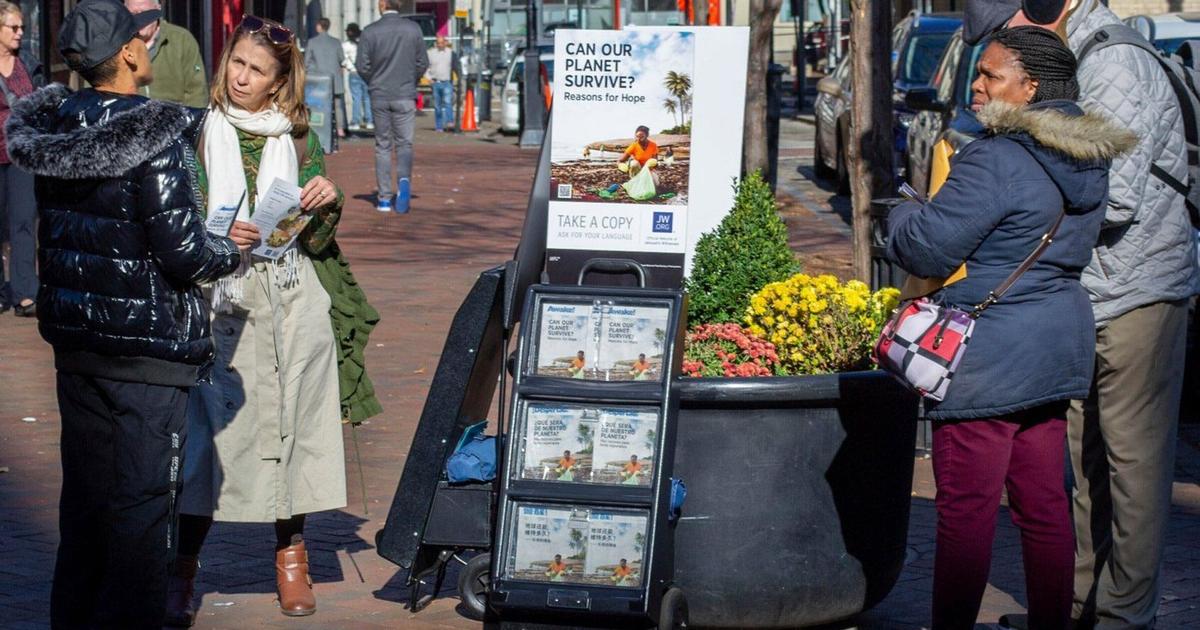
The Jehovah’s Witnesses have partly eased their longstanding prohibition on the medical use of donated blood, allowing members to receive products derived from blood but maintaining a ban on transfusions of whole blood.
asserted
members → ease → blood
The policy, announced Friday, is the second revision this year in what has long been one of the most controversial and distinctive teachings of the religious organization.
asserted
what → announce → organization
The new policy says that individuals can receive products derived from blood donated by other people.
asserted
individuals → say → people
It says they can receive medical treatments that involve the use of the four main components of whole blood: plasma, platelets and red and white blood cells.
asserted
that → say → blood
“Each Christian must make his own personal decision about the use of these four primary components in all medical and surgical care,” said Geoffrey W. Jackson, a member of the Governing Body of the organization, based in New York State.
asserted
Jackson → make → State
The new announcement also allows members to decide as a matter of individual conscience whether to donate blood to be used for blood products for the medical treatment of others.
asserted
members → allow → others
But the organization continues to oppose members receiving transfusions of whole blood or donating blood for that purpose.
asserted
members → continue → purpose
In March, the Governing Body also announced a revised policy, authorizing members to have their blood stored for their own future medical treatment, but not for others’.
asserted
blood → announce → others
Critics have faulted the organization for prohibiting the use of a proven treatment that can be lifesaving in replenishing blood lost in surgeries, accidents or violence.
asserted
that → fault → surgeries
Critics, including former church members, say that the teaching has led to deaths that could have been prevented.
uncertain
that → include → deaths
The Jehovah’s Witnesses’ longtime opposition to blood transfusions derives from their interpretation of Bible passages requiring believers to “abstain” from blood.
asserted
opposition → derive → blood
While Jewish and other Christian religious traditions have interpreted this as a dietary law, Jehovah’s Witnesses have extended that prohibition to transfusions.
asserted
Witnesses → interpret → transfusions
Blood components are often used for specific treatments.
asserted
components → use → treatments
Plasma, the liquid component of blood, is often used for those suffering from trauma or certain diseases, according to the American Red Cross.
uncertain
Plasma → use → Cross
Red cells can be used to treat conditions such as anemia and white cells to treat certain infections.
asserted
cells → use → infections
Platelets are used in some cancer and other treatments.
asserted
Platelets → use → cancer
Members shouldn’t make the decision on using blood products lightly, Paul Gillies, international spokesperson for the Jehovah’s Witnesses, said in an interview.
“What we’re saying is you have to pray about it, you have to study it, you have to see what the Bible has to say about it, because blood in the Bible represents life,” Gillies said.
asserted
Gillies → make → life
Members need to consider all these factors before reaching “a decision that you feel happy about with your God.”
asserted
you → need → God
Jehovah’s Witnesses, who emerged in 19th century America, share many Christian beliefs with other churches but diverge on key theological issues, such as the nature of Jesus and biblical prophecy.
asserted
who → emerge → Jesus
Jehovah’s Witnesses reported a U.S. membership of 1.3 million in 2025, with a worldwide membership of 9.2 million in more than 200 countries and territories.
asserted
Witnesses → report → countries
 The Aporia