That is 0 articles you have read today.
The Aporia is free and carries no advertising, so readers are the only
thing paying for it. If you are getting this much out of it, a small
donation is what keeps it independent.
Daily limit reached
You have read 0 articles today.
That is more than the 15 a day The Aporia gives away,
and well past what it can carry on nothing. Your allowance resets at
midnight.
There is no advertising here and nothing about you is sold, so readers
are the only thing paying for it. If the site is worth this much of
your day, it is worth a few dollars.
Everything else stays open: the
maps, the
directory and
search do
not count against this, and neither does re-opening something you have
already read today.
ABC News (US)
· collected 2026-09-18 · by FATIMA HUSSEIN Associated Press
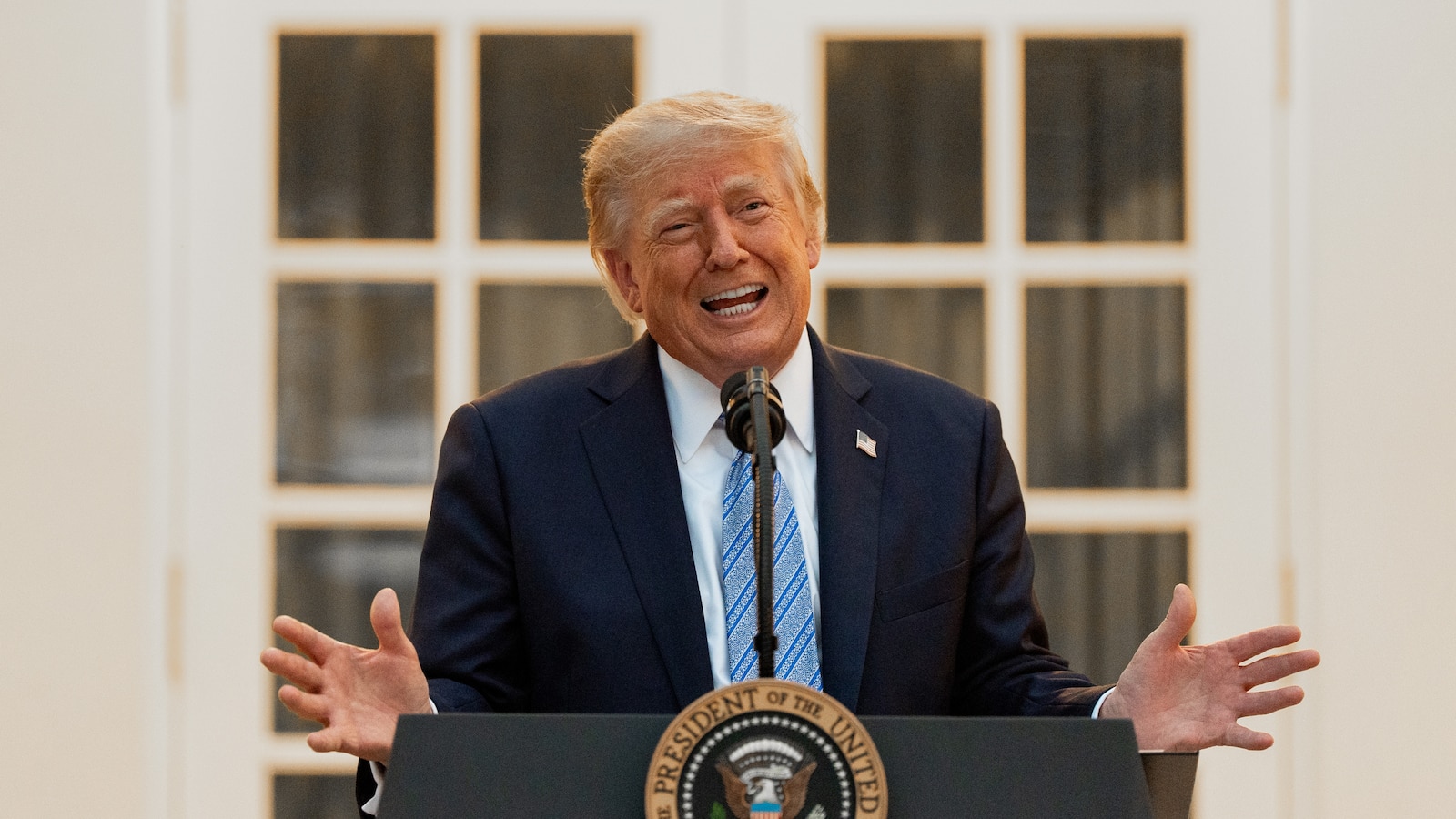
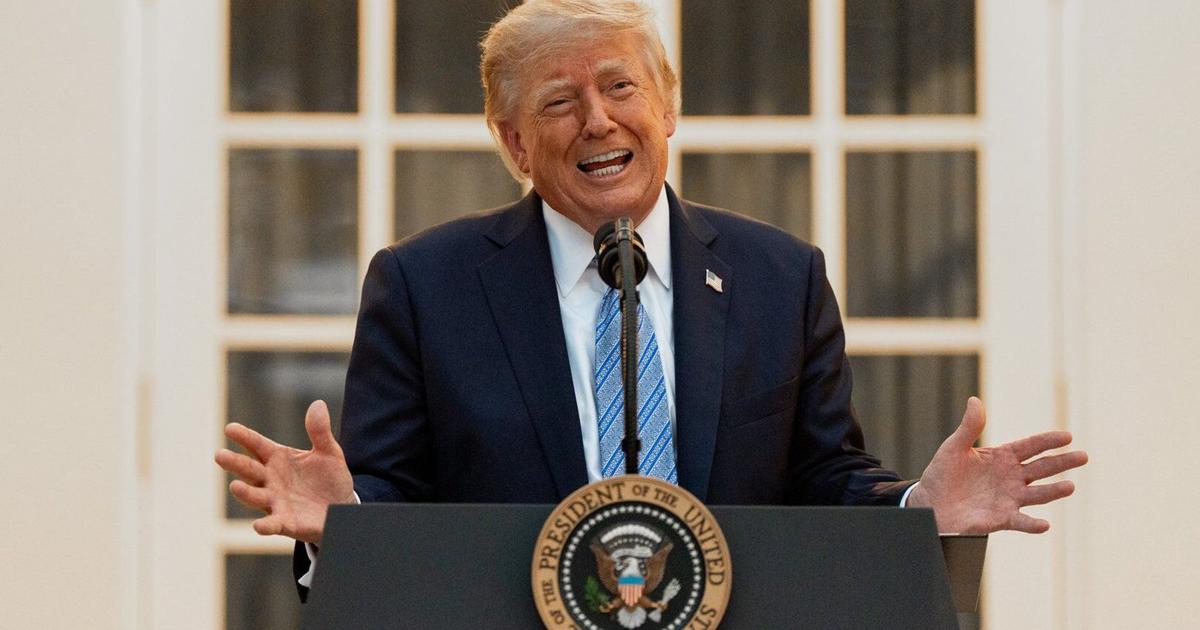
President Donald Trump is set to announce on Friday that all 50 states will participate in a program called the Medicaid "GENEROUS" model, which aims to provide most favored nation pricing for some drugs within the Medicaid program. This initiative claims it could save billions on prescription drug costs by aligning U.S. prices with those in other countries; however, experts note that the lack of transparency and details about these deals makes verifying the projected savings difficult. The announcement comes amid heightened voter concerns over cost-of-living issues ahead of November's midterm elections.
Written locally by qwen2.5:14b on 2026-09-19,
using this article's own text rather than the other coverage of the
same event (that is the story summary below).
Story summary
On Friday, President Trump announced a "most-favored-nation" (MFN) drug pricing program that would bring down prescription costs in Medicaid programs across all 50 states, Washington D.C., and Puerto Rico. The initiative aims to align U.S. drug prices with those in other developed nations, potentially saving state governments $27.6 billion and the federal government $36.6 billion over 10 years. However, experts question whether these savings will directly benefit Medicaid recipients, given that they already receive steep discounts on drugs. The announcement was made as part of Trump's strategy to highlight healthcare achievements ahead of the midterm elections, with the president asserting it would improve services for Americans while freeing up state budgets.
Written for “Trump Medicaid Drug Pricing Announcem…” on 2026-10-05,
grounded in this article and the 7 other(s) covering the same event.
Trump to announce all 50 states joining Medicaid drug pricing model
asserted
states → announce → model
President Donald Trump is set to announce that all 50 states will join a program to provide most favored nation pricing for some Medicaid drugs
WASHINGTON --
asserted
states → set → drugs
President Donald Trump is set to announce Friday that all 50 states will join in on a program set to provide most favored nation pricing to some drugs within the Medicaid program, bringing the net price of selected drugs down to prices paid in certain other countries.
asserted
states → set → countries
The Trump administration claims that Medicaid will save billions on prescription drug costs as a result of the plan, dubbed the Medicaid “GENEROUS” model.
uncertain
Medicaid → claim → plan
Experts say the savings are unclear since the content of the deals isn't public.
uncertain
content → say → deals
Friday's announcement comes as cost-of-living issues are at the forefront of voters’ concerns ahead of the midterm elections in November.
asserted
issues → come → November
In a way to address affordability concerns, Trump has cut deals with pharmaceutical companies so that the cost of some drugs in the U.S. would not be dramatically higher than in other affluent nations.
asserted
cost → address → nations
Last year, Trump signed an executive order instituting a “Most Favored Nations” policy, where the U.S. would commit to paying the same price for medications as the nation that pays the lowest price anywhere in the world.
asserted
that → sign → world
The White House in May estimated that Trump’s deals with pharmaceutical companies to lower some of their U.S. prescription drug prices to levels charged in other countries could save $529 billion over the next 10 years.
uncertain
deals → estimate → years
Patients in Medicaid, the state- and federally-funded program for people with low incomes, already pay a nominal co-payment of a few dollars to fill their prescriptions, but lower prices could help state budgets that fund the programs.
uncertain
that → fund → programs
The true cost of the claimed savings is unclear since few details of the deals struck by the Trump administration and participating pharmaceutical companies have been made public, making it hard to independently verify the projected savings.
uncertain
it → claim → savings
Kathy Hempstead, a senior policy advisor at the Robert Wood Johnson Foundation, told The Associated Press that there is significant pressure on the administration to provide more granular data to justify its cost-savings claims, and that the lack of information creates a barrier to legislative action.
uncertain
lack → tell → action
“He is saying Congress should codify all of his MFN arrangements," Hempstead said.
asserted
Hempstead → say → arrangements
“But it’s kind of unreasonable because it’s not clear what Congress would actually do.
asserted
Congress → ’ → what
No one knows what is in these deals.”
asserted
what → know → deals
She added that there is concern about whether the current administration’s tenure will affect the longevity of these price cuts and whether prices will revert once the administration leaves.
asserted
administration → add → cuts
Some want to see more people benefit from lower drug pricing.
asserted
people → want → pricing
JD Hayworth, a former Republican congressman and spokesperson for the Pharmaceutical Reform Alliance, said in a statement that Friday's announcement reflects “meaningful progress, but that progress remains incomplete," as millions of Americans not enrolled in government healthcare want lower drug prices.
asserted
millions → say → prices
Drug prices for patients in the U.S. can depend on a number of factors, including the competition a treatment faces and insurance coverage.
asserted
treatment → depend → competition
Most people have coverage through work, the individual insurance market or government programs like Medicaid and Medicare, which shield them from much of the cost.
asserted
which → have → cost
 The Aporia