Environmental engineers in Queen Anne’s County, Maryland, have repurposed thousands of cubic yards of crushed concrete from Baltimore’s demolished Memorial Stadium to restore over 400 feet of coastline and create two acres of intertidal wetlands. This project, initiated in 2002 by the Chesapeake Bay Environmental Centre with support from the Maryland Department of Natural Resources, converts stadium rubble into low barriers called sills that reduce wave energy and promote marine life growth without hindering water flow or sediment movement. The initiative turns sports history into coastal protection while providing a habitat for various fish species, filtering pollutants, and controlling erosion.
Written locally by qwen2.5:14b on 2026-09-19,
using this article's own text rather than the other coverage of the
same event (that is the story summary below).
Tons of crushed concrete from Baltimore’s former Memorial Stadium are getting a second life as the foundation for a growing coastal ecosystem along the Chesapeake Bay.
asserted
Tons → get → Bay
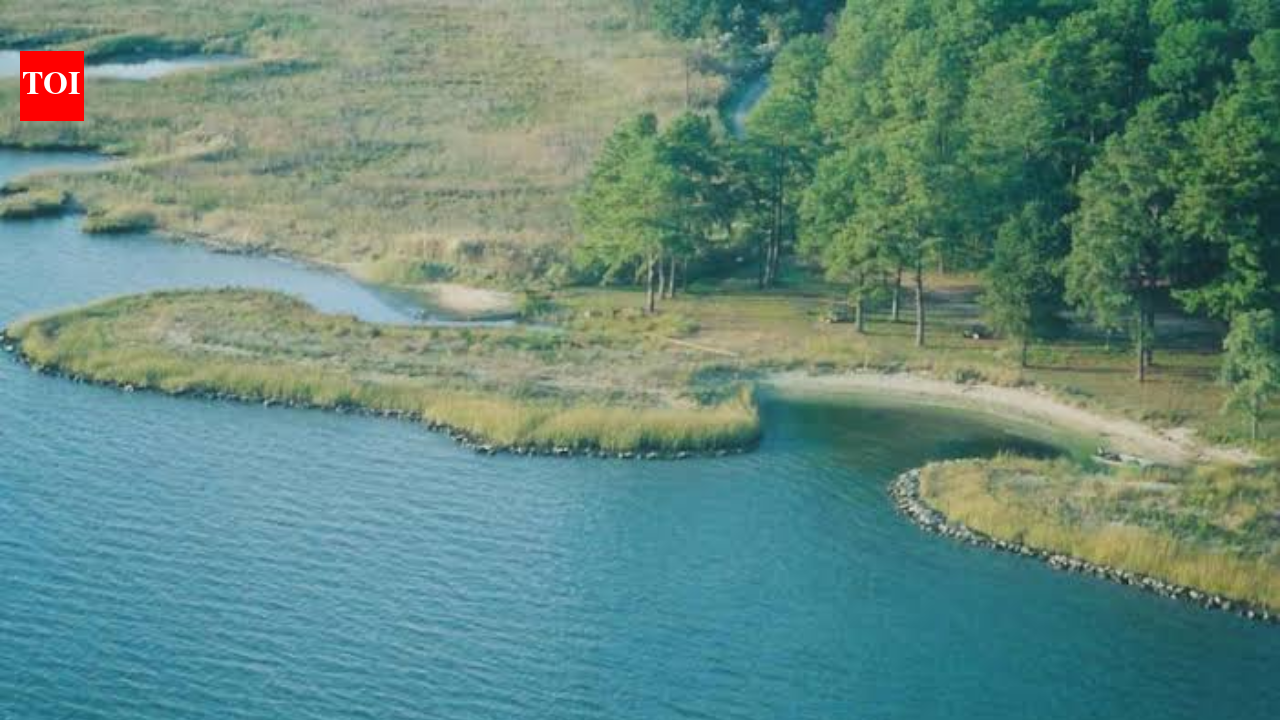
In 2002, environmental engineers placed thousands of cubic yards of clean stadium rubble along the shores of Queen Anne’s County to fight serious wave erosion.
asserted
engineers → place → erosion
More than 20 years later, monitoring shows that the recycled stadium material has helped create two acres of healthy intertidal wetlands and restored more than 400 linear feet of shoreline.
asserted
material → show → shoreline
The project is part of a larger restoration effort led by the Chesapeake Bay Environmental Centre (CBEC) in Grasonville, working with the Maryland Department of Natural Resources (DNR).
asserted
project → lead → Resources
Turning sports history into coastal protection
asserted
Turning → turn → protection
Memorial Stadium was once home to Major League Baseball’s Baltimore Orioles and the National Football League’s Baltimore Colts before it was demolished in 2001.
asserted
it → demolish → 2001
Instead of sending all the concrete and masonry from the stadium to landfills, state planners reused much of the material for coastal projects.
asserted
planners → send → projects
Workers moved clean concrete pieces, with rebar and harmful finishes removed, across the Chesapeake Bay.
asserted
Workers → move → Bay
The material was used to build offshore breakwaters and low barriers called sills.
asserted
material → use → breakwaters
Unlike tall wooden bulkheads or concrete seawalls, which can reflect wave energy and increase erosion, the rubble was placed in low structures.
asserted
rubble → reflect → structures
These barriers reduce the force of incoming waves while still allowing water, sediment and marine life to move between the open bay and the protected marsh.
Building a living laboratory
According to project information from the Maryland Department of Natural Resources, the state’s Watershed and Climate Service has worked with the Chesapeake Bay Environmental Centre to maintain the site as a living laboratory for coastal research.
uncertain
Service → reduce → research
Engineers placed clean sand behind the recycled stadium sills and planted native marsh grasses, including smooth cordgrass (
Spartina alterniflora) and saltmeadow cordgrass (
Spartina patens).
asserted
Engineers → place → patens
As the plants grew, their large root systems trapped sediment carried by the water.
asserted
systems → grow → water
This slowly raised the marsh surface and helped it keep up with rising sea levels.
asserted
it → raise → levels
Research from the Chesapeake Bay Environmental Centre shows that living shorelines can provide several important environmental benefits compared with hard seawalls:
asserted
shorelines → show → seawalls
- Habitat creation: The shallow intertidal area provides nursery habitat for young blue crabs, striped bass and other small fish.
asserted
area → provide → crabs
- Nutrient filtering: Native marsh grasses capture nitrogen and phosphorus from runoff before these pollutants reach deeper parts of the bay.
- Erosion control:
asserted
pollutants → capture → bay
The plants and low sills reduce the force of storm waves, helping prevent shoreline loss without increasing erosion on nearby properties.
asserted
plants → reduce → properties
Reusing concrete to build artificial reefs
The old stadium material has also been used beyond shoreline protection.
asserted
material → reuse → protection
According to reports from the Maryland Artificial Reef Coalition (MARC) and the Maryland DNR Fisheries Service, crushed Memorial Stadium concrete was transported by barge to approved artificial reef locations across the bay.
uncertain
concrete → accord → bay
Placed on areas of hard seafloor, the rough concrete provides surfaces where organisms such as eastern oysters, barnacles and mussels can attach and grow.
asserted
organisms → place → oysters
These reef structures then attract popular sportfish, including black sea bass, tautog and summer flounder.
asserted
structures → attract → bass
By combining offshore artificial reefs with living shorelines near the coast, marine scientists have created connected habitats that can support aquatic animals at different stages of their lives.
asserted
that → combine → lives
Growing use of nature-based coastal protection
Maryland lawmakers passed the Living Shorelines Protection Act in 2008.
asserted
lawmakers → grow → 2008
The law made nature-based designs the standard requirement for waterfront property owners seeking permits to control erosion along state waterways.
asserted
designs → make → waterways
Early projects such as the Memorial Stadium site helped show property owners and contractors that softer, nature-based engineering methods could work.
uncertain
methods → show → site
Today, state climate programs continue to support living shorelines as a way to protect coastal communities from stronger storms and rising sea levels.
asserted
programs → continue → storms
DNR field data shows that sites using strong sills and native plants have remained stable through major storms, including Hurricane Sandy and Tropical Storm Lee.
asserted
sites → show → Sandy
Traditional bulkheads on nearby properties, meanwhile, often experienced structural damage.
asserted
bulkheads → experience → damage
Monitoring at the Grasonville site continues to provide long-term information about how recycled concrete sills respond to sediment buildup, marsh growth and changing water conditions across the Mid-Atlantic.
asserted
sills → continue → Atlantic
 The Aporia