The Aporia
The Aporia
The Aporia
Ghosh, P. (2026, September 18). US border agents can search any traveler's phone or laptop without a warrant; judges say it's like checking suitcases. Times of India. https://timesofindia.indiatimes.com/world/us/us-border-agents-can-search-any-travelers-phone-or-laptop-without-a-warrant-judges-say-its-like-checking-suitcases/articleshow/134335822.cms
Ghosh, Poulomi. “US border agents can search any traveler's phone or laptop without a warrant; judges say it's like checking suitcases.” Times of India, 18 Sept. 2026, https://timesofindia.indiatimes.com/world/us/us-border-agents-can-search-any-travelers-phone-or-laptop-without-a-warrant-judges-say-its-like-checking-suitcases/articleshow/134335822.cms.
Ghosh, Poulomi. “US border agents can search any traveler's phone or laptop without a warrant; judges say it's like checking suitcases.” Times of India, September 18, 2026. https://timesofindia.indiatimes.com/world/us/us-border-agents-can-search-any-travelers-phone-or-laptop-without-a-warrant-judges-say-its-like-checking-suitcases/articleshow/134335822.cms.
Dated when The Aporia collected the article, usually within hours of publication. Check the original for its exact date and byline.
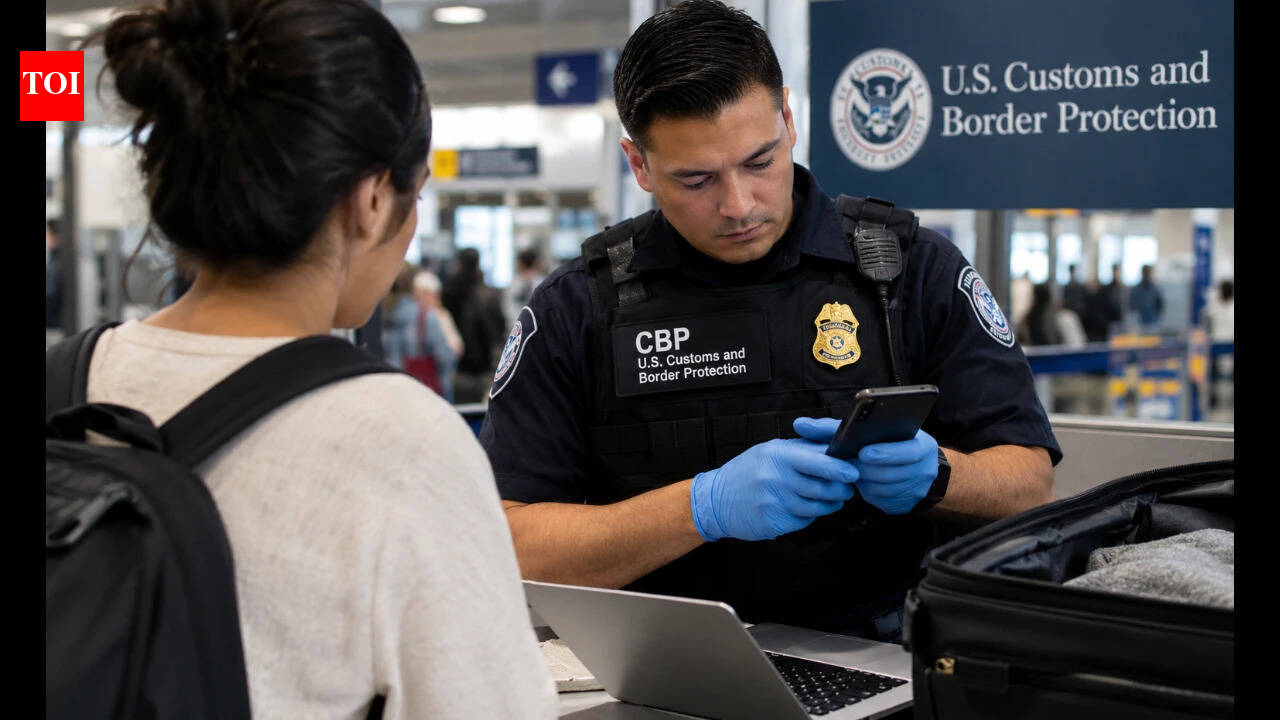
In a recent ruling, the U.S. Court of Appeals for the Second Circuit upheld that border agents can search travelers' cell phones without a warrant or suspicion of criminal activity. The decision was based on U.S. v. Flores-Montano (2004), where the Supreme Court established that searches at borders are reasonable due to the government's interest in preventing the entry of unwanted persons and effects. This ruling stems from a case involving Chinwendu Alisigwe, a Green Card holder whose phone was searched during his arrival at John F Kennedy International Airport in New York City, leading to his conviction for bank fraud and money laundering. The judges rejected arguments that cell phones should receive special constitutional protection due to the vast amount of personal data they contain, likening digital searches to routine physical luggage checks.Critics argue this decision could undermine freedom of speech and privacy rights, while proponents maintain it is necessary for national security and border control.