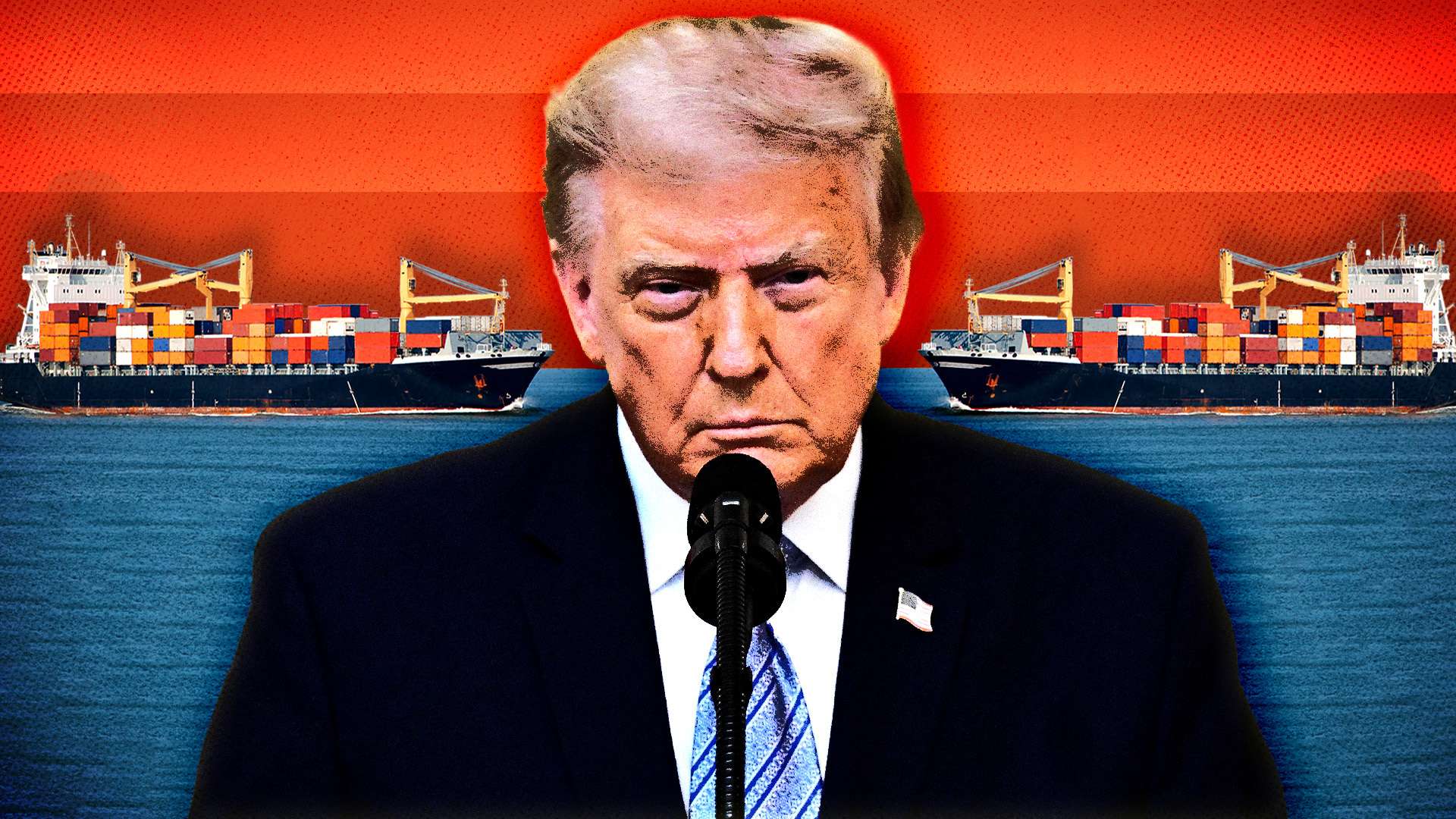
Americans are accustomed to Donald Trump's tall tales, as he recently told an improbable story about firemen lifting him out of the 9/11 rubble.
asserted
firemen → tell → rubble
We're also used to his unprincipled and irresponsible ideas, such as his recent promise to pay each American $5,000 if the GOP retains Congress after the midterms.
asserted
GOP → pay → midterms
That would add $1.35 trillion to the debt, by the way.
asserted
That → add → way
Fortunately, he's as likely to make good on it as he was in paying out DOGE checks or even paying his own contractors.
asserted
he → make → contractors
My Republican friends haven't tired of this carnival barker act and tell me not to take him literally.
asserted
friends → tire → him
However, sometimes the president details his policy views that seem too serious to ignore.
asserted
that → detail → views
For instance, he recently detailed his thinking on trade, which is the foundation of the administration's tariff policy.
asserted
which → detail → policy
Here's what he said at a press conference: "We could do tremendous good for ourselves by just not trading with countries.
uncertain
We → say → countries
We lose with the European Union $200 billion a year.
asserted
We → lose → billion
If I didn't trade with them, we'd lose nothing.
asserted
we → trade → nothing
We lose with Mexico $195 billion a year…
asserted
We → lose → billion
They have nothing we have to have.
asserted
we → have → nothing
I mean, hot tamales, tomatoes, a couple of things.
asserted
I → mean → things
This displays a nearly unfathomable level of economic ignorance.
asserted
This → display → ignorance
For starters, Trump saying that he can stop all trade with "one swipe of the pen" is the stuff of authoritarian countries.
asserted
he → say → countries
Do we want a nation where the Dear Leader can obliterate millions of complex voluntary trading relationships?
asserted
Leader → want → relationships
Founding Father John Jay envisioned a nation where "every man being then at liberty, by the law, to cultivate the earth as he pleased, to raise what he pleased, to manufacture as he pleased, and to sell the produce of his labor to whom he pleased, and for the best prices, without any duties or impositions whatsoever."
asserted
he → found → duties
Free trade is at the heart of a free society, even if Republicans have ditched their party's post-Ronald Reagan advocacy for it.
asserted
Republicans → ditch → it
It's hard to top Reagan's 1987 radio address about the impact of tariffs: "[H]omegrown industries start relying on government protection…
asserted
industries → top → protection
They stop competing and stop making the innovative management and technological changes they need to succeed in world markets…
asserted
they → stop → markets
High tariffs inevitably lead to retaliation…
asserted
tariffs → lead → retaliation
Then the worst happens: Markets shrink and collapse; businesses and industries shut down; and millions of people lose their jobs."
What makes the Trump approach even worse: By insisting that he alone has the power to dramatically revamp trade policy by fiat, he has imposed uncertainty on the business community.
asserted
he → happen → community
Every time some foreign leader annoys him, Trump announces 50 percent or 100 percent tariffs, then he backs down, reduces them, then increases them again.
asserted
he → annoy → them
Supply chains can take years to develop.
asserted
chains → take → years
It's hard to plan for the future in this scenario.
asserted
It → plan → scenario
Let's not forget that tariffs are taxes, period.
asserted
tariffs → let → ?
They are paid by Americans.
asserted
They → pay → Americans
They rarely protect jobs because when, say, the president imposes steel tariffs to protect steelworkers, that increases prices for automobile manufacturers and other companies that rely on steel.
asserted
that → protect → steel
They raise prices and lose business, then have to lay off workers or shutter plants.
asserted
They → raise → plants
By the way, when companies are protected from foreign competition, they don't reduce prices—they typically raise them because they face less competition and, per Reagan, avoid making technological changes that boost efficiency and benefit American consumers.
asserted
that → protect → consumers
Tariffs and other restrictions on trade do not, as Trump said, create a "tremendous good" for Americans.
asserted
Trump → say → Americans
Think of all the wonderful benefits we get from open trade—the vast array of fresh fruits and vegetables we can now enjoy in January, the selection of products of every type from every corner of the world.
asserted
we → think → world
"The U.S. ran a $197 billion goods deficit with Mexico in 2025, but Mexico also supplies critical vehicles, machinery, electronics and agricultural goods to U.S. businesses and consumers," explains FreightWaves, a transportation trade publication.
asserted
FreightWaves → run → businesses
If every one of those items had to be manufactured in the United States, it would take years to undo disrupted supply chains and lead to dramatic increases in consumer costs.
asserted
it → have → costs
Haven't we had enough inflation?
asserted
we → have → inflation
We all run trade deficits with our local grocery store—to each of our great advantage.
asserted
We → run → advantage
Republicans are obsessed with halting immigration, yet what better way to reduce the pressure for job seekers to immigrate to the United States than encouraging the construction of job-producing factories in Mexico and elsewhere and then just simply trading with them?
asserted
seekers → obsess → them
Free trade boosts consumer choice and economic growth.
asserted
trade → boost → choice
It reduces prices and makes for freer lives.
asserted
It → reduce → lives
Unfortunately, the president is doubling down rather than learning the right lesson.
asserted
president → double → lesson
…and 3 more, not listed.
 The Aporia