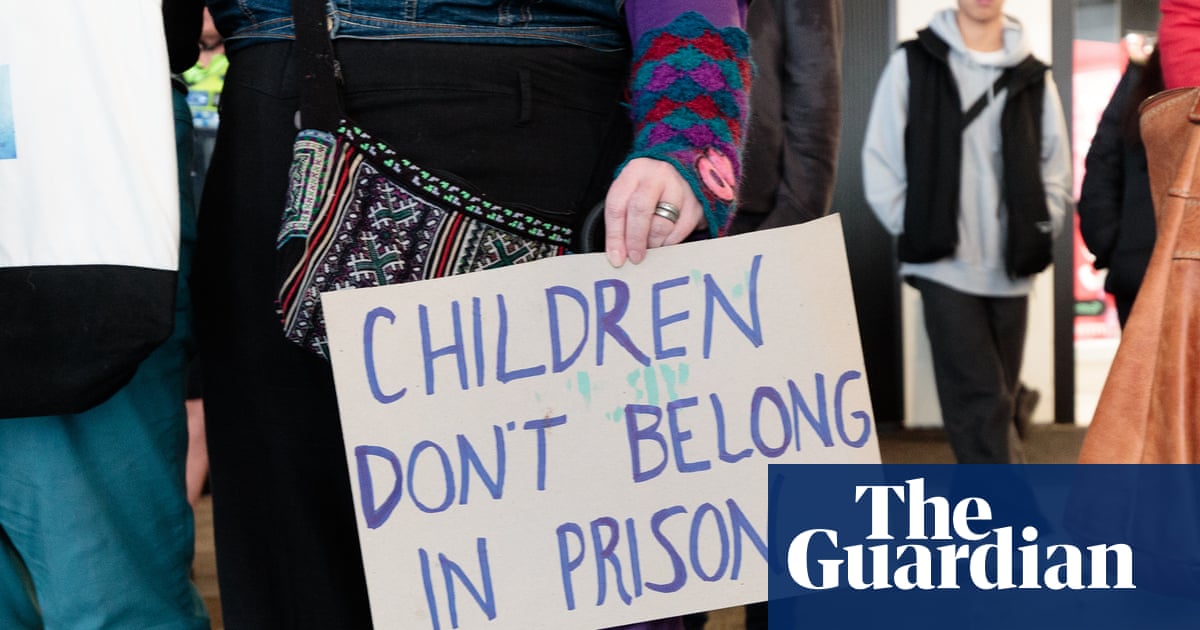
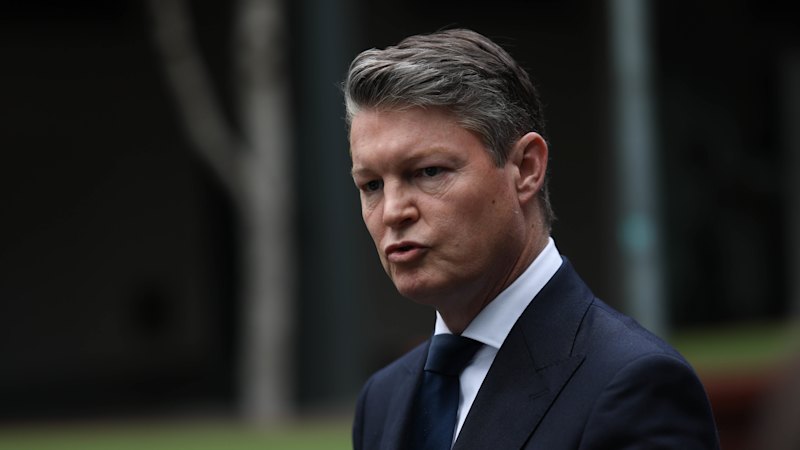
Liberal and Greens senators Andrew McLachlan and David Shoebridge have called for raising the age of criminal responsibility from 10 to 14 after a Senate committee report highlighted inconsistent treatment of children across states. The report, released on Friday, made several recommendations including national minimum standards in youth justice and an education campaign about youth crime. However, the senators argue that lifting the age of criminal responsibility is necessary given falling youth crime rates and evidence showing punitive laws disproportionately affect marginalized groups like First Nations and disabled children. They also criticize the Northern Territory for failing to address high incarceration rates among its young population.
Written locally by qwen2.5:14b on 2026-09-18,
using this article's own text rather than the other coverage of the
same event (that is the story summary below).
Story summary
Liberal and Greens senators in Australia are calling for the age of criminal responsibility to be raised following a federal inquiry into youth justice. The Senate committee report, released on Friday, recommended national minimum standards in youth justice and an education campaign focused on children involved with the law. However, Senators Andrew McLachlan from the Liberal party and David Shoebridge from the Greens argue that lifting this age is necessary due to the overrepresentation of First Nations and disabled children in prisons. Most states set the criminal responsibility age at 10 years old, except for Victoria which has it set at 14. The senators assert that current laws are making communities less safe by locking up vulnerable young people who struggle with poverty, disability, or trauma.
Written for “Age Of Criminal Responsibility Debate” on 2026-10-04,
grounded in this article and the 0 other(s) covering the same event.
Senators from the Liberals and Greens have joined forces to call for the age of criminal responsibility to be lifted, after a federal inquiry into the youth justice system found that incorrect media reporting was leading to an inconsistent treatment of children across states and territories.
asserted
reporting → join → states
The Senate committee report, released on Friday, made four recommendations, including for the federal attorney general to work with state and territory counterparts to introduce national minimum standards in relation to youth justice and establish a “National Child and Community Safety Taskforce”.
asserted
general → release → Taskforce
It also recommended an education campaign focused on children and young people in conflict with the law which provided evidence-based information on youth crime, and that a separate Senate committee should report on the factors that contribute to youth incarceration in Australia.
asserted
that → recommend → Australia
But senators Andrew McLachlan, a Liberal, and the Greens’ David Shoebridge, said the committee should have gone further and forced all jurisdictions to raise the age of criminal responsibility to 14.
asserted
committee → say → 14
Most Australian states and territories set an age of criminal responsibility of 10 years old, with the exception of Victoria, which sets it at 12, and the Australian Capital Territory (ACT) which sets it at 14.
asserted
which → set → 14
“The lack of any meaningful national response to the youth justice crisis that is washing across the country is disturbing,” the senators wrote in comments published with the report.
asserted
senators → wash → report
The senators said the evidence they had heard made clear that youth crime rates were in fact falling “in stark conflict with the hyped media reporting” and yet more children than ever were being locked up.
asserted
children → say → reporting
“Submission after submission, from criminologists, human rights bodies, communities and frontline services told the same story about punitive laws created as result of political and media pressure rather than evidence.
asserted
Submission → tell → pressure
“These laws are making communities less safe, and mean children’s prisons in this country are locking up children who are overwhelmingly poor, First Nations, and living with disability or trauma in a system that was never built to respond to and in fact exacerbates these characteristics.
“The continued overrepresentation of First Nations and disabled children in Australian prisons is a disgrace and one the Government has no current plans to address despite the obvious harms it causes.
asserted
it → make → harms
The Northern Territory was singled out, with the senators saying that none of its government departments or officials fronted the committee “despite children there being incarcerated at rates that dwarf the rest of the country, and with a degree of casual and systemic brutality that is genuinely shocking”.
asserted
that → single → brutality
The committee heard evidence about the rates of disability in the youth justice system, including the prevalence of foetal alcohol spectrum disorder (FASD).
asserted
committee → hear → disorder
In the Northern Territory, a 2024 study found that 77% of children in detention under 14 had “unmet mental health, cognitive disability and poor health needs”, while a Western Australian study found that nine out of 10 incarcerated young people had a form of neurodiversity.
asserted
people → find → neurodiversity
In Queensland, it was estimated that 37% of children in detention had a cognitive, intellectual or physical disability, including 12% of children with FASD, and in New South Wales a study found that 17.4% of young people with a disability had spent time in youth detention.
asserted
% → estimate → detention
The committee also heard that young people with FASD are 19 times more likely to be incarcerated than their peers.
asserted
people → hear → peers
In justifying its recommendations relating to a national approach, and accompanying taskforce, the committee said it “recognises … that a nationally consistent approach to children in conflict with the law, rather than a piecemeal approach to addressing different aspects of state and territory systems, is required.”
asserted
approach → justify → systems
Nick Espie, the executive director of the national Aboriginal and Torres Strait Islander legal service, said this key recommendation made clear the federal government had to step in.
asserted
government → say → service
“This along with the other findings of the report make it utterly clear that the prime minister has an obligation and responsibility to act to end the youth justice crisis that is seeing our children locked up at unprecedented rates,” he said in a statement.
asserted
he → make → statement
 The Aporia