Home - CBSNews.com
· collected 2026-08-21 · by Camilo Montoya-Galvez
Liberia received its first group of 20 "third country" deportees from the US on Thursday, including migrants from Latin America. The deportees were part of President Trump's crackdown on illegal immigration and were allowed to apply for asylum in Liberia, which has agreed to accept up to 1,200 third-country deportees over the next year. However, a small group of deportees resisted getting off the plane, but eventually returned to it, and their whereabouts are now unknown. The US has brokered deportation agreements with dozens of countries worldwide as part of its effort to deter illegal immigration.
Written by the local model on 2026-08-21,
using this article's own text rather than the other coverage of the
same event (that is the story summary below).
Story summary
20 people from the US arrived in Liberia on Thursday as part of a deal between the two countries to take in up to 1,200 third-country deportees over the next year. The group includes migrants from Latin American countries such as Cuba and Venezuela, as well as Africans and nationals from North America, South America, and the Caribbean. This agreement is one of several made by the Trump administration with African countries to take in people who cannot be deported back to their home countries due to concerns for their safety. The Liberian government has stated that it will receive $124 million in assistance from the US as part of the arrangement, and that the deportees will be allowed to apply for asylum or depart the country freely. A US official reported that a small group of migrants initially refused to deplane upon arrival, but were eventually escorted back onto the plane.
Written for “US Deports to Liberia” on 2026-08-31,
grounded in this article and the 5 other(s) covering the same event.
Why this leaning score
The article's own words the score was based on. Each is quoted
verbatim and was checked against the article text before being
stored, so you can find it in the original.
Leaning score +0.35 for article 1785 (medium confidence, 1 verified quote) · logged 2026-08-31
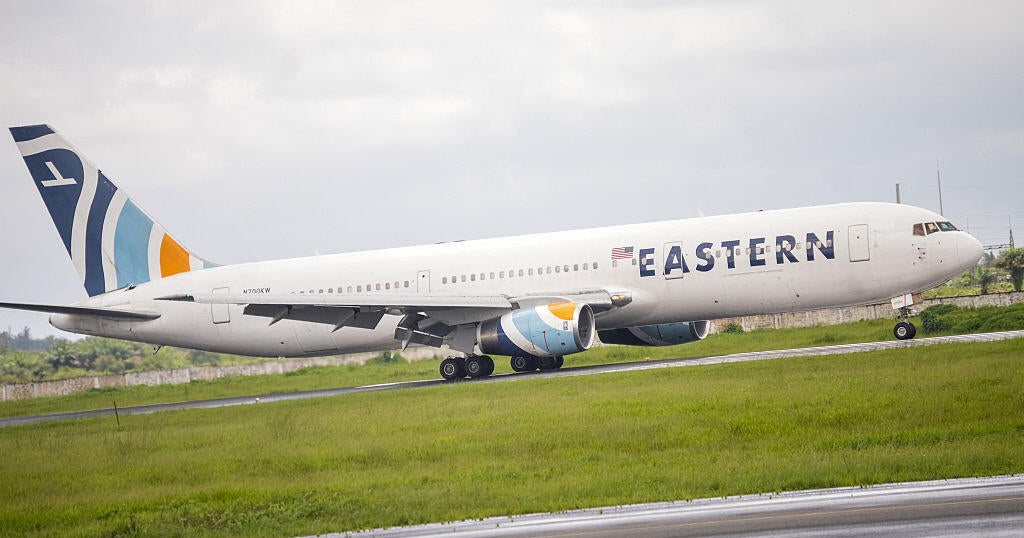
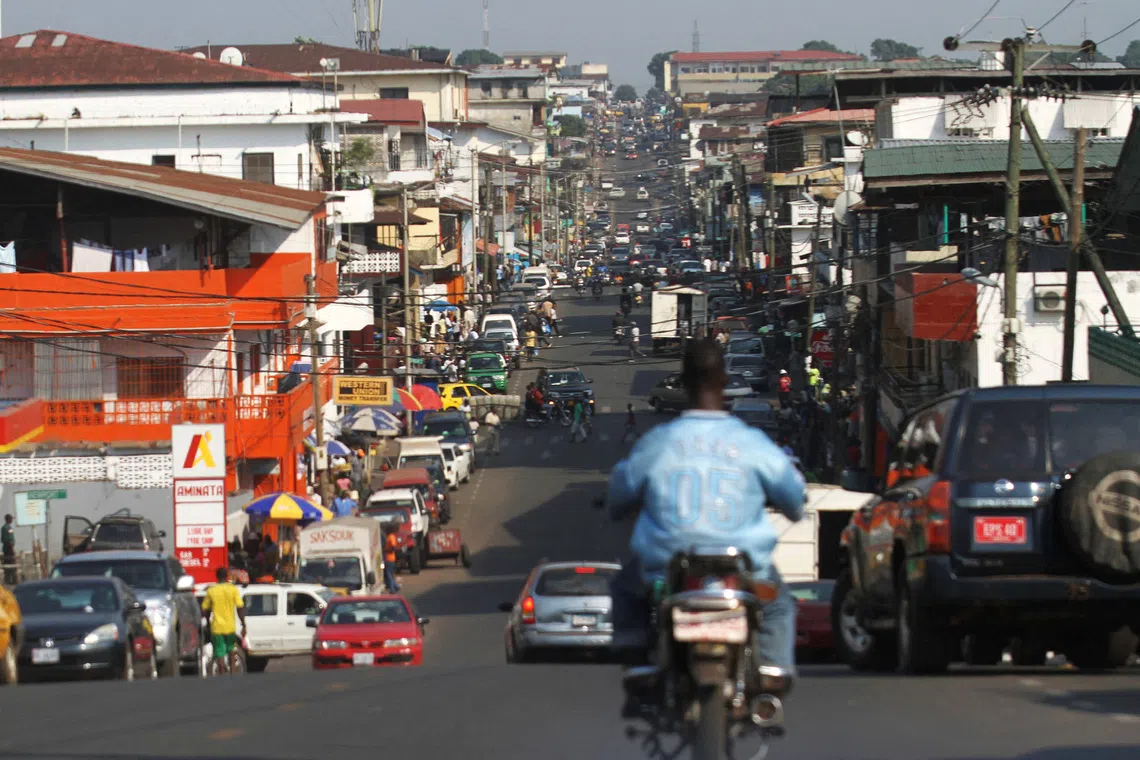
The West African nation of Liberia received the first group of "third country" deportees from the U.S. on Thursday, including migrants from Latin America, U.S. officials told CBS News.
asserted
officials → receive → News
Roughly 20 deportees from different countries landed in Liberia, after being deported from the U.S.
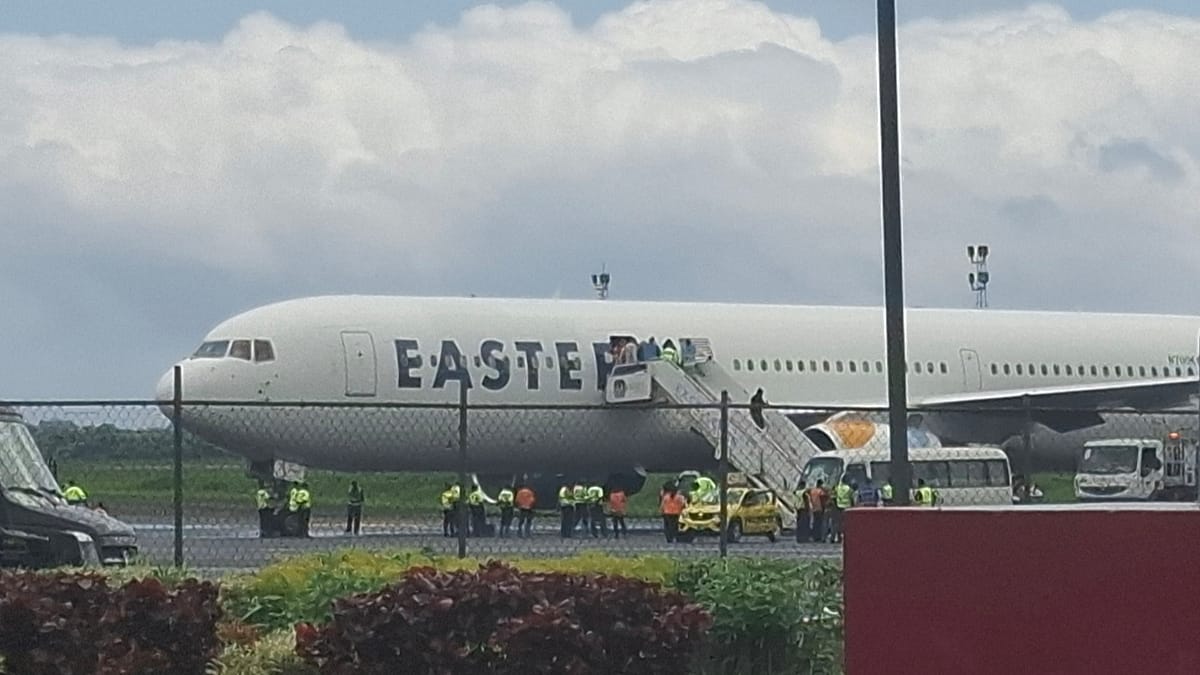
A U.S. official, however, told CBS News that after the plane carrying the deportees arrived in Liberia, a small group of them resisted and refused to deplane.
asserted
group → land → them
They were escorted off the plane, but then returned to it, the official said.
asserted
official → escort → it
Liberia is the latest country to accept deportees who are not its citizens as part of President Trump's crackdown on illegal immigration and an aggressive White House effort to deport migrants to so-called third countries where they have no ties.
asserted
they → accept → ties
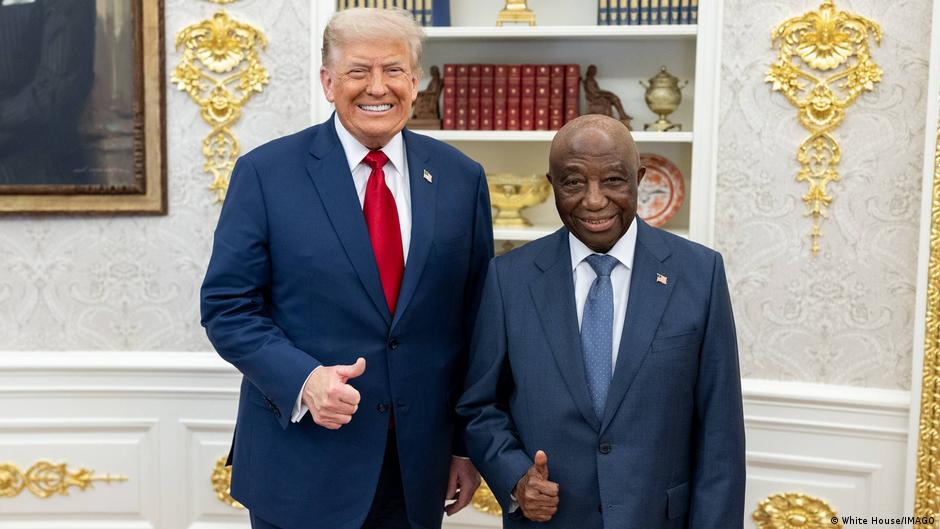
The government of Liberia has said it intends to accept up to 1,200 third country deportees from the U.S. over the next year, and that the new arrivals will be allowed to apply for asylum there.
asserted
arrivals → say → asylum
Liberia is also where the Trump administration has said it is trying to deport , the man who was wrongfully deported to El Salvador last year and then returned to the U.S. to be prosecuted on human smuggling charges.
asserted
who → say → charges
That effort has been blocked for now by a federal judge in Maryland.
asserted
effort → block → Maryland
The Trump administration has brokered third country deportation agreements with dozens of nations across the globe, including African countries plagued by armed conflict, political tumult and human rights abuses, including South Sudan, the Central African Republic and the Democratic Republic of the Congo.
asserted
administration → broker → Congo
U.S. immigration officials have also sent regular deportation flights to Ghana, Equatorial Guinea and other African countries that have agreed to receive deportees from other nations.
asserted
that → send → nations
Human rights activists have denounced the third country deportations as inhumane and illegal under international law, saying some countries are returning deportees to places they fled because of persecution.
But the Trump administration has defended the legality and merits of the deportations, portraying them as an effective way to deter illegal immigration.
asserted
administration → denounce → immigration
For the most part, the administration's third country deportation effort has focused on migrants whose home countries limit or reject U.S. deportations or who've won legal protections from being sent back to their homelands.
asserted
who → focus → homelands