That is 0 articles you have read today.
The Aporia is free and carries no advertising, so readers are the only
thing paying for it. If you are getting this much out of it, a small
donation is what keeps it independent.
Daily limit reached
You have read 0 articles today.
That is more than the 15 a day The Aporia gives away,
and well past what it can carry on nothing. Your allowance resets at
midnight.
There is no advertising here and nothing about you is sold, so readers
are the only thing paying for it. If the site is worth this much of
your day, it is worth a few dollars.
Everything else stays open: the
maps, the
directory and
search do
not count against this, and neither does re-opening something you have
already read today.
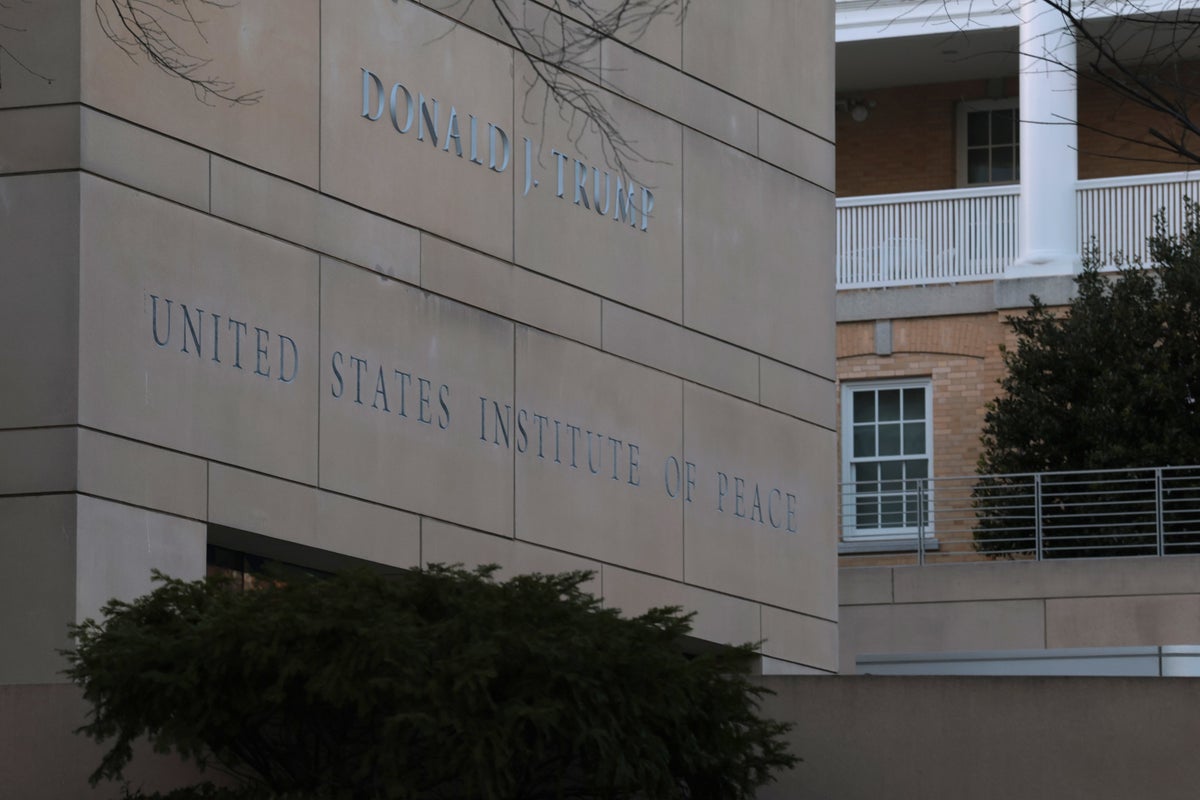
A federal judge is being asked to stop President Donald Trump from engraving his name on the U.S. Institute of Peace headquarters in Washington, D.C., as he has done with other landmarks during his presidency. The ousted board members filed an emergency motion arguing that altering the facade would cause irreparable harm to the building’s symbolic purpose. This move follows public opposition, with only 9 percent of Americans finding it acceptable for a president to name government buildings after themselves while in office, according to a Pew Research Center poll from May.
Written locally by qwen2.5:14b on 2026-09-18,
using this article's own text rather than the other coverage of the
same event (that is the story summary below).
Story summary
During his second term, President Donald Trump attempted to leave a physical mark in Washington, D.C., by adding his name to several landmarks. In December 2021, the State Department renamed the U.S. Institute of Peace as the "Donald J. Trump Institute of Peace," describing him as "the greatest dealmaker in our nation's history." This move was made shortly before Trump hosted a peace agreement signing ceremony between the presidents of Rwanda and the Democratic Republic of Congo. Now, ousted board members of the Institute of Peace have filed an emergency motion with a federal judge to prevent any plans to carve Trump’s name into the facade of the institute's headquarters building, which was largely funded by private donations.
Written for “Trump Name Controversy” on 2026-09-18,
grounded in this article and the 0 other(s) covering the same event.
Why this leaning score
The article's own words the score was based on. Each is quoted
verbatim and was checked against the article text before being
stored, so you can find it in the original.
-
A federal judge has been asked to prevent President Donald Trump from carving his name on yet another historic building in Washington, D.C.
left frames the action as problematic
-
Most Americans oppose Trump naming government buildings after himself while in office. Only 9 percent of Americans said it would be acceptable for Trump to name government buildings after himself while serving as president, according to a Pew Research Center poll released in May.
left cites public opposition and low approval
-
Trump called for the dismantling of the Institute of Peace in a February 2025 executive order as part of his and tech billionaire Elon Musk’s effort to reduce what they saw as government waste.
left criticizes Trump's actions negatively
Leaning score -0.40 for article 17636 (high confidence, 3 verified quotes) · logged 2026-09-18
Claims extracted
17
claim-shaped sentences
Uncertain
18%
3 of 17 hedged
Leaning
Leans left
of the writing, not the subject
Correction & hedging signals
58.8
corrections and hedging in what we collected;
not a measure of accuracy
Outlets on this story
1
Politics
Narrative spread
1
articles carrying this framing
A federal judge has been asked to prevent President Donald Trump from carving his name on yet another historic building in Washington, D.C.
asserted
judge → ask → Washington
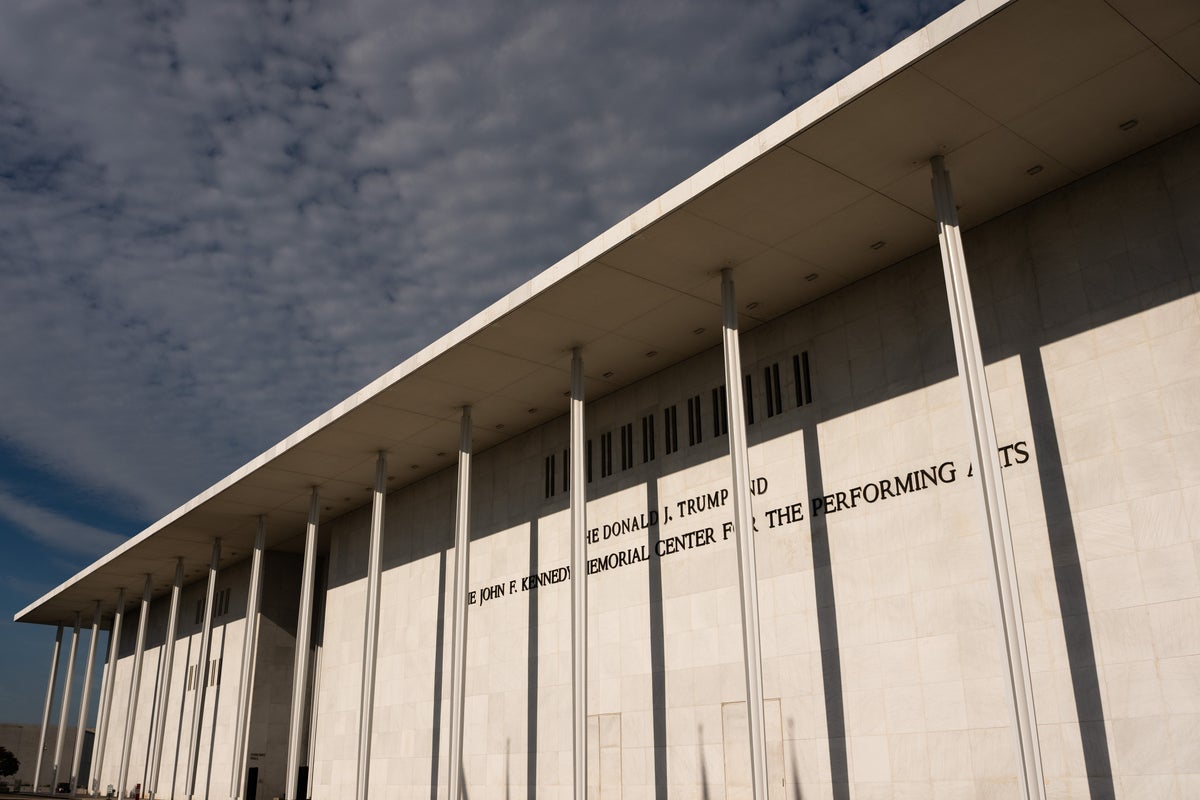
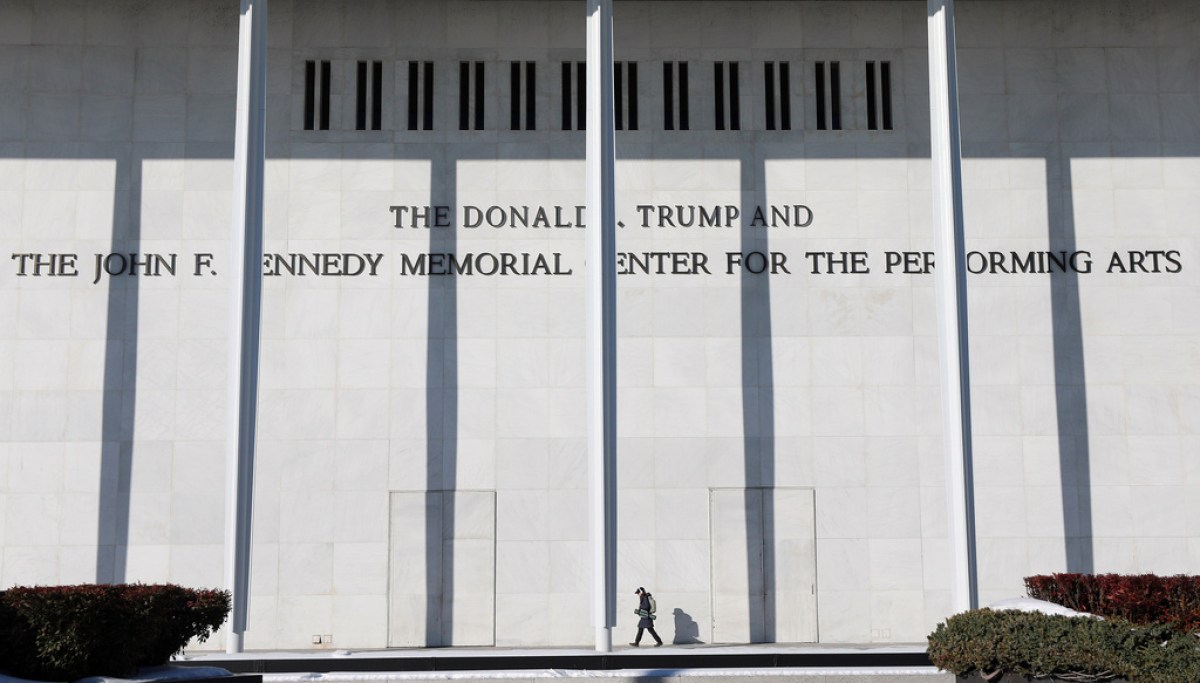
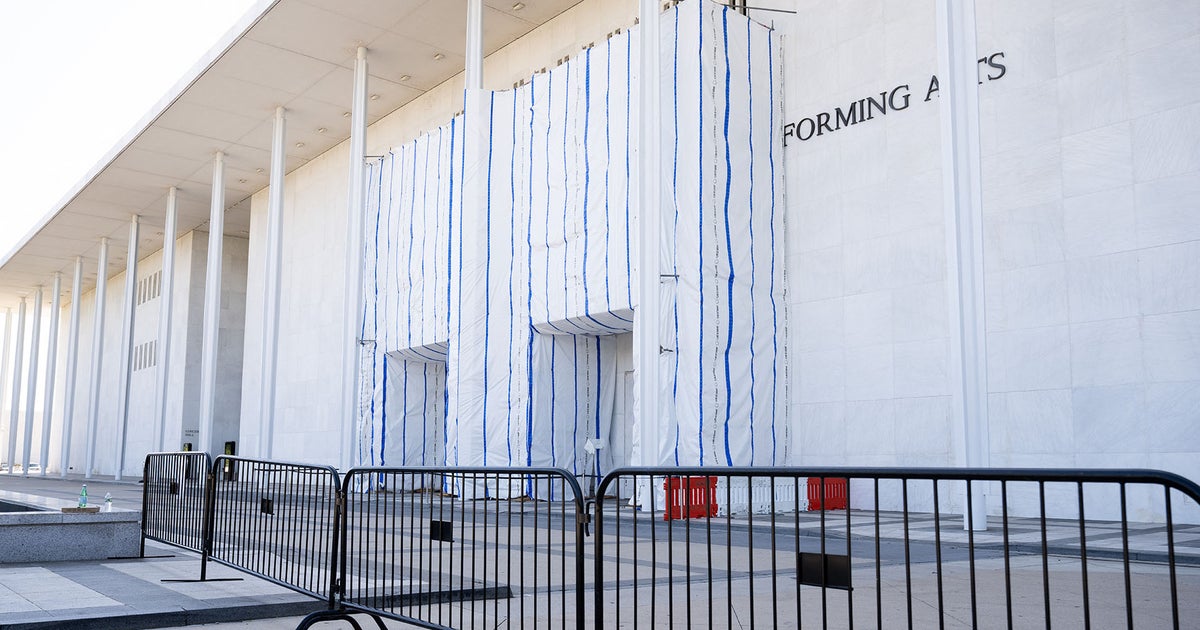
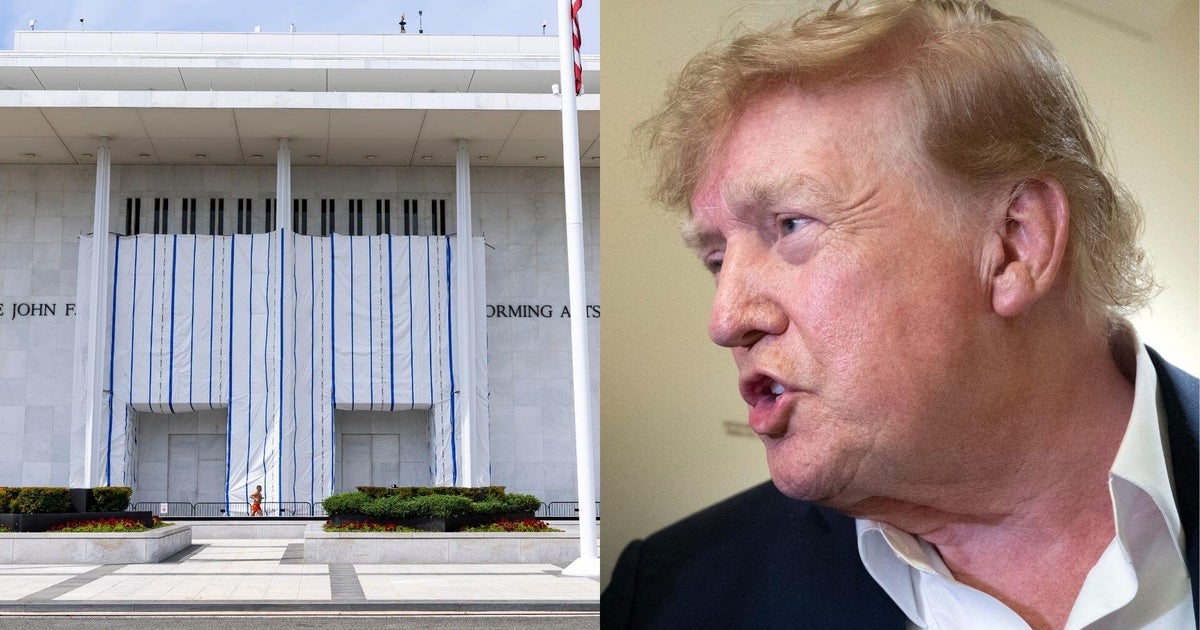
During his second term, Trump has tried to literally make his mark on Washington, slapping his name on several D.C. landmarks, most notably the John F. Kennedy Center for the Performing Arts.
asserted
Trump → try → Arts
Last December, the State Department announced that it had renamed the U.S. Institute of Peace “to reflect the greatest dealmaker in our nation's history” shortly before Trump hosted a signing ceremony for a peace deal between the presidents of Rwanda and the Democratic Republic of Congo.
asserted
Trump → announce → Congo
The best is yet to come,” the department’s X post read.
asserted
post → come → ?
Trump’s name is tacked onto the building while the “Institute of Peace” is permanently etched in.
asserted
Institute → tack → Peace
But now, ousted board members of the Institute of Peace asked the court in an emergency motion Thursday to stop any “plans to carve President Trump’s name into the facade of the iconic USIP headquarters building.”
asserted
members → oust → building
The motion was first reported on X by Kyle Cheney, a senior legal affairs reporter for Politico.
asserted
motion → report → Politico
“The building — which was largely funded by private donations to USIP as a tax exempt nonprofit corporation — is a work of expressive architecture designed to be ‘symbolic of USIP’s’ independent ‘mission,’” the emergency motion said, according to a subsequent Politico article.
uncertain
motion → fund → article
“Alteration of the design to impose a different message would cause irreparable harm.”
asserted
Alteration → impose → harm
Despite Secretary of State Marco Rubio calling Trump the “president of peace” when the building was renamed, the leader of the free world was the one who gutted the think tank created to resolve global conflict.
asserted
who → call → conflict
Trump called for the dismantling of the Institute of Peace in a February 2025 executive order as part of his and tech billionaire Elon Musk’s effort to reduce what they saw as government waste.
asserted
they → call → waste
The executive order led to mass firings at the agency, which are still being challenged in court.
asserted
which → lead → court
Most Americans oppose Trump naming government buildings after himself while in office.
asserted
Trump → oppose → office
Only 9 percent of Americans said it would be acceptable for Trump to name government buildings after himself while serving as president, according to a Pew Research Center poll released in May.
uncertain
Trump → say → May
Around 70 percent said it would not be acceptable or would only be acceptable after he's no longer leading the country.
asserted
he → say → country
Last December, the Trump-appointed Kennedy Center board voted to put the president’s name on the building, prompting a wave of artists to refuse to perform at the arts center.
In May, U.S. District Court Judge Christopher Cooper ordered Trump’s name to be removed from the Kennedy Center, stating, “Congress gave the Kennedy Center its name, and only Congress can change it.”
uncertain
Congress → appoint → it
Weeks later, construction crews were seen taking Trump’s name off the building.
asserted
crews → see → building
 The Aporia