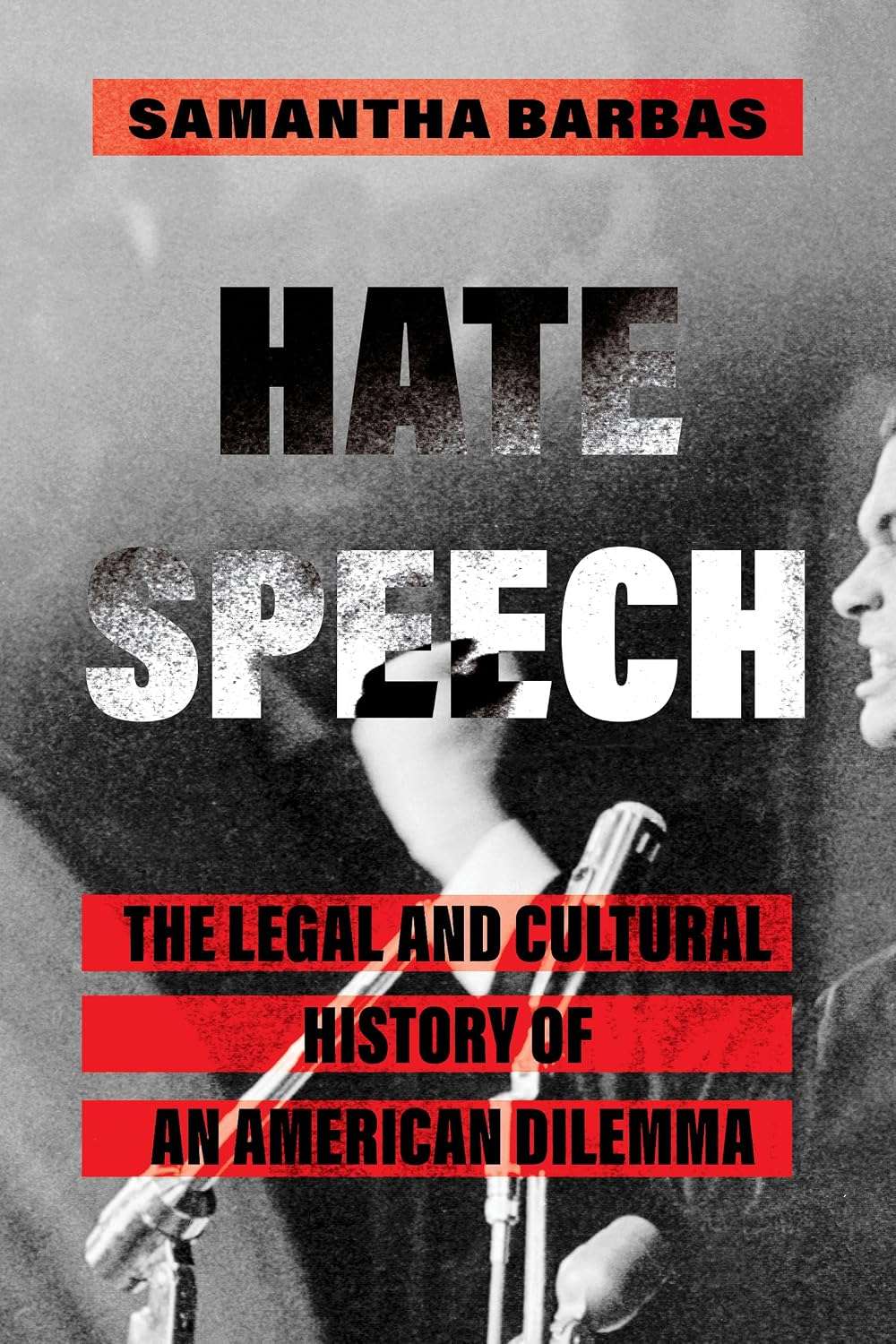
During the Second World War, the United States faced a surge in what was termed "hate literature," including pamphlets like America Preferred and Patriotic Research Bulletin. This material, allegedly circulated by native fascist groups and agents of Nazi Germany, promoted racist, antisemitic, and anti-Catholic content intended to undermine national unity during the war effort. Riots and violent incidents linked to such propaganda erupted in cities like Detroit, Boston, Los Angeles, and New York, leading to deaths and extensive property damage. In response, the U.S. implemented laws criminalizing speech that defamed racial or religious groups, aiming to maintain social peace and support for the war.
Written locally by qwen2.5:14b on 2026-09-18,
using this article's own text rather than the other coverage of the
same event (that is the story summary below).
During the Second World War, America was flooded with "hate literature."
asserted
America → flood → literature
A "systematic avalanche of falsehoods" besieged the nation, in the words of one commentator.
asserted
avalanche → besiege → commentator
Native fascist groups and agents of Nazi Germany circulated pamphlets and periodicals with titles like America Preferred, The Cross and the Flag, The Defender, Patriotic Research Bulletin, and X-Ray.
asserted
groups → circulate → Preferred
"Vicious literature … assailing minority groups on racial and religious grounds" was being spread in large quantity in major cities.
asserted
literature → assail → cities
Crude leaflets containing racist, antisemitic, and anti-Catholic invective were being distributed in war factories and at Army and Navy camps.
asserted
leaflets → contain → camps
The purpose of this "hate literature" was to undermine the morale and unity that was needed for the war effort by fomenting violence between races and religions.
asserted
that → undermine → races
This "hate propaganda" seemed to be having its intended effects.
asserted
propaganda → seem → effects
"Hate propaganda" was said to be responsible for major riots in munitions plants in Boston, Los Angeles, and Harlem that resulted in deaths and property damage running into the millions.
asserted
deaths → say → millions
A June 1943 race riot that killed thirty-four in the war production center of Detroit was tied to material distributed by Nazi sympathizers.
asserted
that → kill → sympathizers
In New York, attacks on Jews had been provoked by Father Coughlin's Social Justice magazine.
asserted
attacks → provoke → magazine
Antisemitic gangs confronted people on the streets, demanded to know if they were Jewish, and beat them if they said they were.
asserted
they → confront → them
Gangs desecrated nearly every synagogue in Washington Heights.
asserted
Gangs → desecrate → Heights
In Boston, bands of Irish Catholic youths, members of Coughlin's Christian Front, assaulted Jews in the streets with blackjacks and vandalized stores and homes.
asserted
bands → assault → stores
Youths deliberately entered neighborhoods to go "Jew hunting."
asserted
Youths → enter → hunting
The New York newspaper PM described it as a "reign of terror."
asserted
newspaper → describe → terror
Under these circumstances, many believed, America had to take drastic steps to curb "hate propaganda."
asserted
America → believe → propaganda
The defamation of racial and religious groups was said to present "clear and immediate dangers" to the production of munitions and carrying out the war effort.
asserted
defamation → say → effort
Defamation of minority groups tugged at the consciences of Americans who embraced the democratic ideals of equality and tolerance that the nation was fighting for.
asserted
nation → tug → that
Many believed that in the context of war and social unrest, it was more important to curtail the defamation of groups than it was to halt the defamation of individuals.
asserted
it → believe → individuals
Between 1940 and 1945, the United States embarked on a historic experiment with group libel and "race hate" legislation.
asserted
States → embark → libel
Hate speech laws were passed, with most of them imposing criminal liability for statements about racial and religious groups that caused breaches of the peace or that defamed those groups.
asserted
that → pass → groups
The stated purpose of the laws was to protect domestic peace and the war effort by thwarting attempts to "set … labor against management, race against race, [and] religion against religion."
asserted
purpose → state → religion
During World War II, several prominent lawyers and academics advocated hate speech laws, portraying them as a means of fostering democracy and social order in a world that was wracked by prejudice and conflict.
asserted
that → advocate → prejudice
One of the most noted advocates of hate speech laws was a law professor named David Riesman ….
asserted
One → name → laws
He later served as a clerk for Supreme Court justice Louis Brandeis.
asserted
He → serve → Brandeis
In the late 1940s, he left the field of law for sociology.
asserted
he → leave → sociology
It was only then that Riesman became a household name with his bestselling book The Lonely Crowd (1950), a critique of American consumer culture that defined a generation and that was so renowned that it made the cover of Time magazine.
asserted
it → become → magazine
In mid-1941, Riesman took a one-year fellowship at Columbia Law School.
asserted
Riesman → take → School
During that year, he wrote a series of three articles that were published in The Columbia Law Review, under the title "Democracy and Defamation."
asserted
that → write → title
His trilogy would go down in history as foundational writings on the law and theory of group defamation.
asserted
trilogy → go → defamation
Defamation of minority groups was hardly a new phenomenon, Riesman observed.
asserted
Riesman → observe → groups
He described how Nazis were using mass-mediated propaganda against Jews to justify their annihilation.
asserted
Nazis → describe → annihilation
"In the fascist tactic, defamation becomes a form of verbal sadism, to be used in the early stages of the conflict, before other forms of sadism are safe," Riesman wrote.
asserted
Riesman → become → sadism
Pointing to the rise of Father Coughlin, he noted that America was hardly immune to the struggle between democracy and fascism.
asserted
America → point → democracy
Riesman believed that carefully crafted group defamation laws might curb the spread of fascist movements and permit minority groups to fight back against their attackers.
uncertain
laws → believe → attackers
He was inspired by the work of German émigré political scientist Karl Loewenstein, who advocated the concept of "militant democracy."
asserted
who → inspire → democracy
In a series of articles published in American law journals, Loewenstein, who fled the Nazis in the mid-1930s, argued that democracies must become "militant."
asserted
democracies → publish → mid-1930s
When faced with existential threats, such as the rise of internal fascist groups, democracies must adopt antidemocratic laws as a means of saving democracy.
asserted
democracies → face → democracy
Because fascists played to people's emotions rather than reason, democracies could not rely on counterspeech to dispel fascist propaganda, Loewenstein argued.
uncertain
Loewenstein → play → propaganda
Only by denying fascists freedom of speech and press could democracies "fight fire with fire."
uncertain
democracies → deny → fire
…and 14 more, not listed.
 The Aporia