Trump administration officials are revising interpretations of the Endangered Species Act (ESA) that could weaken protections for 1,600 endangered species. A September 14 memo from Fish and Wildlife Service Director Brian Nesvik reinterprets “taking” an endangered species to exclude unintentional harm caused by activities like logging or mining, arguing such actions are not illegal unless intended to cause injury or death. The move follows the administration’s July repeal of ESA protections against habitat modification that harms wildlife, drawing legal challenges from 20 states and Washington DC as well as criticism from environmental groups.
Written locally by qwen2.5:14b on 2026-09-18,
using this article's own text rather than the other coverage of the
same event (that is the story summary below).
Story summary
The Trump administration moved to significantly weaken protections under the Endangered Species Act by changing its interpretation of what constitutes illegal harm to endangered species. According to an internal memo distributed on September 14, actions that accidentally kill or injure protected animals would no longer be deemed violations unless they were intentionally targeting those specific species. This reinterpretation means that activities such as logging and dam construction, which previously could have led to liability for harming endangered species like grizzly bears and salmon, are now less restricted.
Experts argue this change undermines the original intent of the ESA, creating a loophole that allows developers and companies to proceed with projects even if they foresee potential harm to protected wildlife. The Center for Biological Diversity obtained the memo and highlighted examples illustrating the new interpretation: a ship hitting a whale unintentionally wouldn’t be considered illegal under the amended understanding of "take," nor would cutting down trees where bats reside, unless such actions were specifically intended to cause harm.
This shift in policy marks a substantial departure from past enforcement practices by the Fish and Wildlife Service (FWS) and could significantly impact conservation efforts for over 1,600 endangered species. Critics like Dan Ashe, former FWS director under Obama, warn that this change will weaken environmental protections and hinder recovery efforts for threatened species.
Written for “Endangered Species Protections Weakened” on 2026-09-18,
grounded in this article and the 3 other(s) covering the same event.
Why this leaning score
The model judged this article politically coded and scored it -0.45, but every quote it verified points right, so the score is not published.
Written under an earlier scoring contract, which gave a paragraph
rather than checkable quotes. Re-analysing this article replaces it.
Leaning score withheld for article 17232: score contradicts its own evidence · logged 2026-09-18
More than 1,600 critically imperiled species protected under the US Endangered Species Act (ESA) face losing further federal protections following a new reinterpretation of the 1973 law by the Donald Trump administration.
asserted
species → protect → administration
A September 14 memo distributed to Fish and Wildlife Service (FWS) field offices by FWS director Brian Nesvik calls for a reinterpretation of what it means to “take” an endangered species.
asserted
it → distribute → species
Under the ESA, “take” is defined as “to harass, harm, pursue, hunt, shoot, wound, kill, trap, capture, or collect, or to attempt to engage in any such conduct”.
asserted
take → take → conduct
The memo, obtained and shared by the Center for Biological Diversity, reinterprets the law to mean that harming or killing an endangered animal would no longer be considered illegal unless the action was specifically intended to cause harm or death.
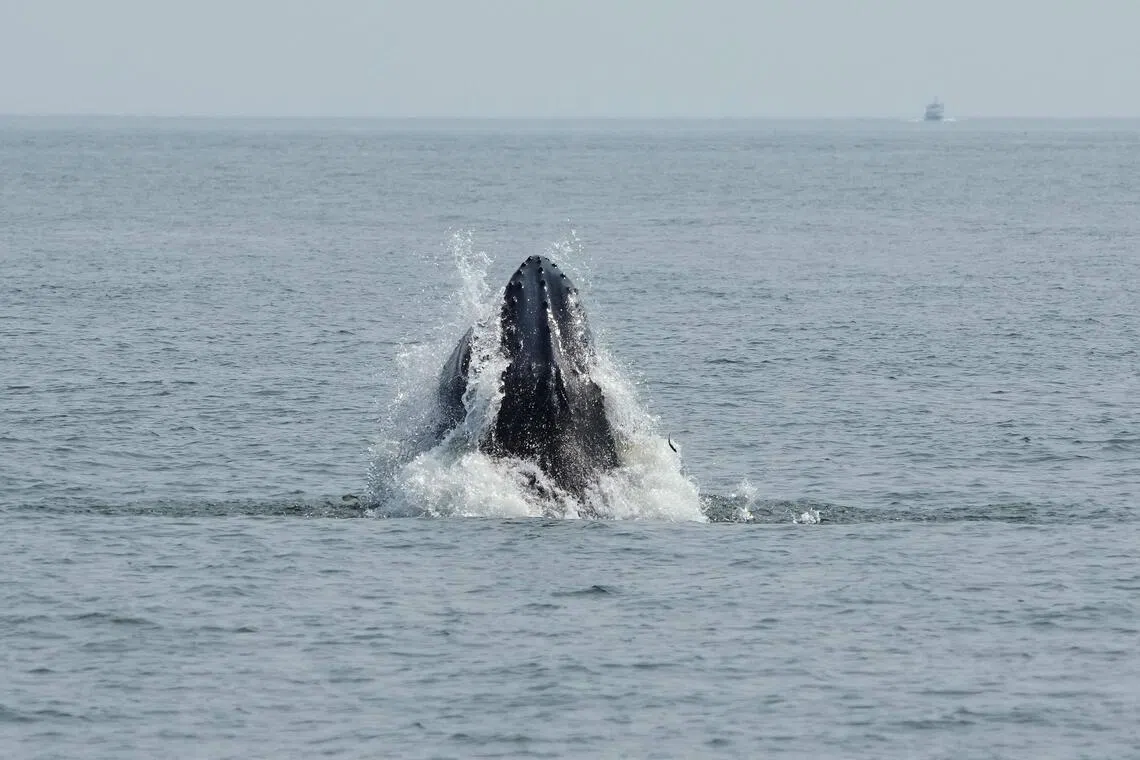
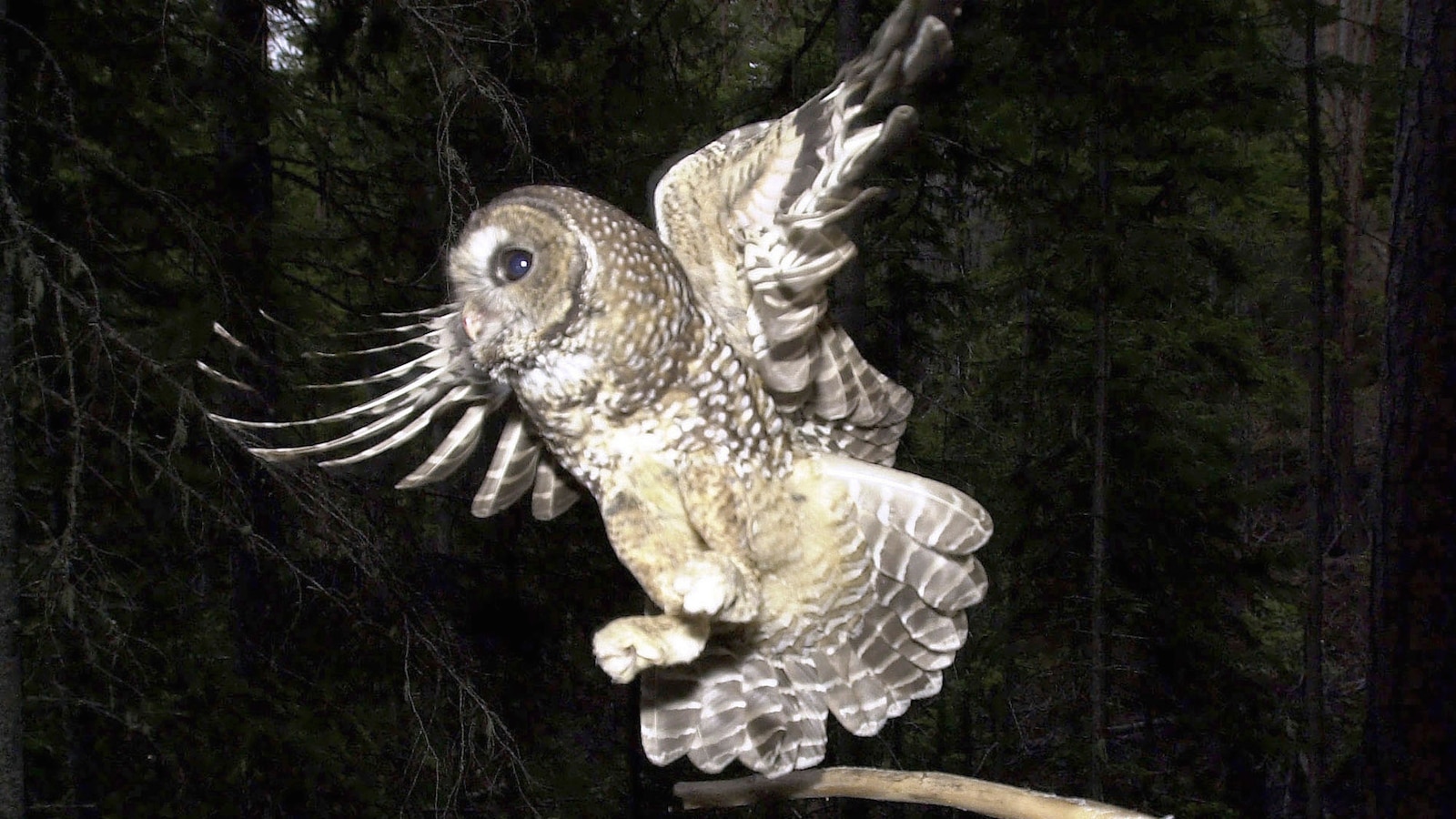
“A vessel that inadvertently strikes a whale has not taken it, because the vessel’s course was not set against the whale,” the memo said, adding: “Felling a tree is not a take of the bats roosting in it unless the tree is felled for the purpose of killing or capturing them.”
asserted
tree → obtain → them
The reinterpretation effectively excludes economic activities such as logging, mining and industrial development from the ESA’s prohibition on “take” when those activities foreseeably kill or injure wildlife without intentionally targeting them.
asserted
activities → exclude → them
The memo follows the Trump administration’s repeal in July of the ESA’s definition of prohibited “harm,” which was defined as “an act which actually kills or injures wildlife,” including acts that “may include significant habitat modification or degradation”.
uncertain
that → follow → modification
Interior secretary Doug Burgum justified the repeal in July by saying: “For years, federal agencies abused the ESA to obstruct lawful land use and burden American families and businesses.”
asserted
agencies → justify → families
Earlier this month, 20 states and Washington DC sued the Trump administration over its decision to redefine “harm,” including removing “modification or degradation” of habitat from conduct that can constitute a prohibited take.
asserted
that → sue → take
In a statement on Thursday to the Guardian about the administration’s reinterpretation of “take,” the interior department, which oversees the FWS, said: “As outlined in the final rule, the department determined that the previous regulatory definition of ‘harm’ expanded the Endangered Species Act’s prohibition on ‘take’ beyond the text Congress enacted.
asserted
Congress → oversee → text
The final rule restores that interpretation while maintaining the ESA’s core protections for listed species.”
asserted
rule → restore → species
The memo has drawn swift backlash from environmental advocacy organizations.
asserted
memo → draw → organizations
The Center for Biological Diversity pointed to the supreme court’s 1995 6-3 decision in Babbitt v Sweet Home Chapter of Communities for a Great Oregon, in which the majority rejected the argument that “take” is limited to actions deliberately directed against endangered species.
asserted
take → point → species
“If you chop down a tree full of endangered birds or race a huge ship through a pod of endangered whales, you should be held accountable for your destructive acts,” Brett Hartl, the Center for Biological Diversity’s government affairs director, said.
asserted
Hartl → chop → Diversity
“But this administration wants to give wildlife killers a get out of jail free card.
asserted
administration → want → card
Imposing new limitations on the entire definition of take is a flagrant and illegal attempt to rewrite the Endangered Species Act via unilateral fiat.
asserted
Imposing → impose → fiat
This would drive imperiled species over the cliff to extinction,” he added.
asserted
he → drive → extinction
Similarly, the environmental law nonprofit Earthjustice told the Guardian: “The government’s new legal position is a prescription for extinction.
asserted
position → tell → extinction
It says that as long as you claim you didn’t mean to kill an endangered species, the law can’t and won’t stop you.
uncertain
law → say → you
That’s ridiculous.
asserted
That → ’ → ?
“The supreme court decided this issue in the Sweet Home case and its ruling still represents the best reading of the Endangered Species Act.
asserted
ruling → decide → Act
We’ll see the Trump administration in court about this.”
asserted
We → see → this
Since returning to office last January, Trump has moved to weaken federal protections for old-growth forests, potentially jeopardizing habitat for 400 endangered species across the US; scrapped drilling restrictions near a world heritage site in New Mexico; and directed his administration to consider the delisting of gray wolves from the ESA.
asserted
Trump → return → ESA
During the signing ceremony for the latter, Trump asked: “You can shoot them as of today?”
asserted
You → ask → today
Agriculture secretary Brooke Rollins replied that Burgum “has to do a little magic, but yes”.
asserted
Burgum → reply → magic
 The Aporia