That is 0 articles you have read today.
The Aporia is free and carries no advertising, so readers are the only
thing paying for it. If you are getting this much out of it, a small
donation is what keeps it independent.
Daily limit reached
You have read 0 articles today.
That is more than the 15 a day The Aporia gives away,
and well past what it can carry on nothing. Your allowance resets at
midnight.
There is no advertising here and nothing about you is sold, so readers
are the only thing paying for it. If the site is worth this much of
your day, it is worth a few dollars.
Everything else stays open: the
maps, the
directory and
search do
not count against this, and neither does re-opening something you have
already read today.
David Lambiaso, a partner at data center developer TerraWatt, filed a lawsuit against the St. Louis Board of Adjustment over its requirement that the company supply 2.4 megawatts of renewable energy on-site for a proposed $3.1 billion, 120-megawatt facility in St. Louis. The lawsuit claims this mandate exceeds the board’s authority and is impractical given the site size. Local residents and environmental groups criticize the agreement as inadequate, arguing it does not truly represent community input or consent, despite TerraWatt's commitment to use renewable energy for 50% of the data center's load within five years.
Written locally by qwen2.5:14b on 2026-09-18,
using this article's own text rather than the other coverage of the
same event (that is the story summary below).
Story summary
TerraWatt, a developer of a $3.1 billion data center in St. Louis, Missouri, has filed a lawsuit against the St. Louis Board of Adjustment after the board required the company to supply at least 2.4 megawatts of renewable energy on-site. The board approved the permit for the 120-megawatt facility in July despite concerns from local residents who fear the data center will strain water resources, worsen air quality, and increase utility costs. David Lambiaso, a partner at TerraWatt, argues that the board's requirement exceeds its authority and is impractical given the size of the 11-acre site. The rapid expansion of data centers to support AI development has frequently caused tensions between developers and communities over environmental impacts and quality-of-life issues. Activists like Elyse Schaeffer from the Missouri Coalition for the Environment question whether this agreement truly benefits the community, noting a lack of meaningful input from local residents.
Written for “Renewable Energy Requirement Lawsuit” on 2026-09-18,
grounded in this article and the 0 other(s) covering the same event.
Why this leaning score
The article's own words the score was based on. Each is quoted
verbatim and was checked against the article text before being
stored, so you can find it in the original.
Leaning score -0.45 for article 17182 (high confidence, 1 verified quote) · logged 2026-09-18
The developer of a proposed $3.1 billion data center in St. Louis, Missouri, has sued a board that handles city zoning after the five-member panel required the company to supply renewable energy on-site.
asserted
panel → propose → site
David Lambiaso, a partner at data center developer TerraWatt, claimed in a lawsuit filed Wednesday that the St. Louis Board of Adjustment imposed illegal conditions when it upheld a permit for the 120-megawatt facility in July, according to the St. Louis Post-Dispatch, which reported on the filing.
uncertain
which → claim → filing
The lawsuit argues that requiring his company to supply a minimum of 2.4 megawatts of renewable energy at the data center exceeds the board’s authority.
asserted
requiring → argue → authority
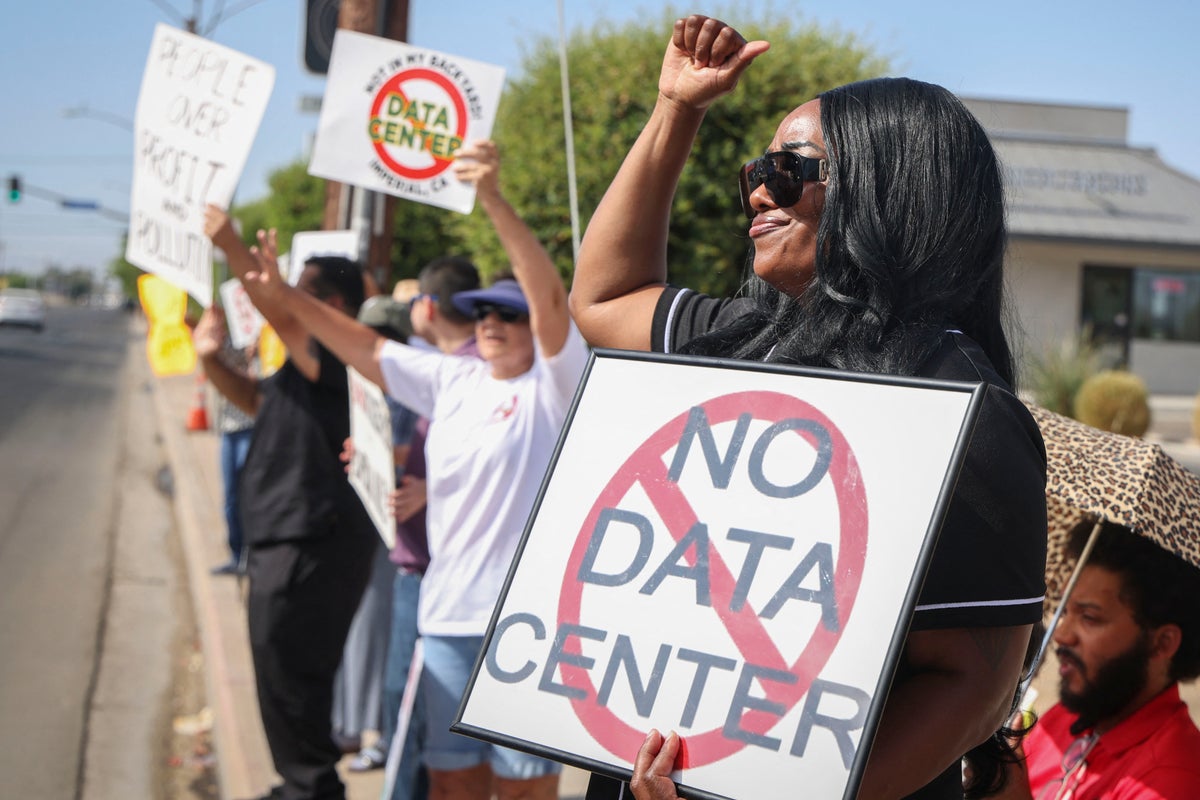
The rapid development of data centers across the country to power the AI boom has often led to friction between cities and developers, with locals citing environmental and quality of life concerns.
asserted
locals → power → concerns
Some St. Louis residents have complained that the proposed data center in the Midtown neighborhood would use too much water, worsen air quality and raise utility costs, the Post-Dispatch reported.
asserted
Dispatch → complain → costs
Lambiaso also claimed the renewable energy requirement is “practically impossible” given the size of the 11-acre site.
asserted
requirement → claim → site
The Independent has reached out to TerraWatt and the St. Louis City Counselor’s Office for comment.
asserted
Independent → reach → comment
TerraWatt did agree to use renewable energy for at least 50 percent of the data center’s energy load within five years of the facility’s opening in a community benefits agreement.
asserted
TerraWatt → agree → agreement
That amounts to about 60 megawatts — far more than the 2.4 megawatts mandated by the board.
asserted
That → amount → board
Local environmentalists have argued the community benefits agreement does not actually represent residents’ wishes.
asserted
agreement → argue → wishes
Elyse Schaeffer with the Missouri Coalition for the Environment told local outlet KSDK, “I'm reluctant to call this a community benefits agreement at all because at base level a community benefits agreement should involve conversations with feedback from and input by community members.
asserted
agreement → tell → members
And that's not the process that we saw happen with this.”
asserted
we → see → this
“‘Community Benefit Agreement’ — which community does it benefit?
asserted
it → benefit → community
It should be called a Developers' Benefit Agreement,” Kerry McCullen with the Eco-Socialist Green Party of Eastern Missouri told the outlet.
asserted
McCullen → call → outlet
“The community did not and does not consent to this.
asserted
community → do → this
It is being forced upon us.
asserted
It → force → us
It's disgusting that we have no say in the matter.”
asserted
we → have → matter
The St. Louis Board of Adjustment has also required aldermen to approve the community benefits agreement, which Lambiaso argued in the lawsuit exceeds the board and aldermen’s authority.
asserted
Lambiaso → require → board
 The Aporia