That is 0 articles you have read today.
The Aporia is free and carries no advertising, so readers are the only
thing paying for it. If you are getting this much out of it, a small
donation is what keeps it independent.
Daily limit reached
You have read 0 articles today.
That is more than the 15 a day The Aporia gives away,
and well past what it can carry on nothing. Your allowance resets at
midnight.
There is no advertising here and nothing about you is sold, so readers
are the only thing paying for it. If the site is worth this much of
your day, it is worth a few dollars.
Everything else stays open: the
maps, the
directory and
search do
not count against this, and neither does re-opening something you have
already read today.
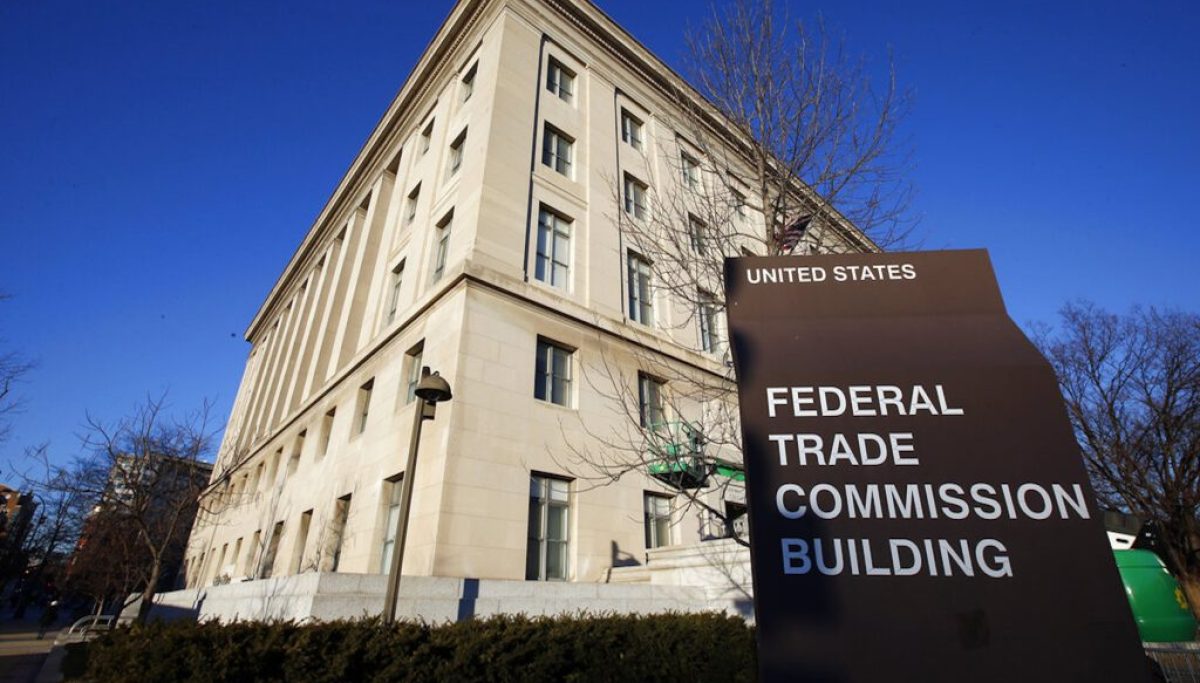
The Federal Trade Commission (FTC) is seeking $225 million from multilevel marketing company Amway to settle allegations that it used deceptive practices to recruit individuals and pressure them into purchasing unsellable products. The FTC claims Amway’s training groups misled recruits about potential earnings and encouraged buying large quantities of products for internal points, rather than selling to external customers. Recruits were often told they could achieve financial independence by following a system developed by successful Amway leaders, but the FTC alleges that most sellers find their expenses exceed any bonuses received.
Written locally by qwen2.5:14b on 2026-09-18,
using this article's own text rather than the other coverage of the
same event (that is the story summary below).
Story summary
The Federal Trade Commission (FTC) is demanding Amway pay $225 million to settle allegations that the multilevel marketing company and its affiliates, World Wide Group and Leadership Team Development, used deceptive tactics to recruit individuals and pressure them into purchasing products they couldn't sell. Amway markets itself as a business opportunity where independent sellers can earn money by selling consumer goods like supplements and energy drinks. However, the FTC claims that Amway misled recruits about potential earnings and encouraged them to buy unsold inventory just to meet internal sales targets for bonuses. According to court filings, an Amway executive stated in 2019 that "selling to customers is not rewarded," highlighting a focus on inter-seller transactions over external customer sales.
Written for “FTC Targets Amway For Fraud” on 2026-09-18,
grounded in this article and the 0 other(s) covering the same event.
Why this leaning score
The article's own words the score was based on. Each is quoted
verbatim and was checked against the article text before being
stored, so you can find it in the original.
Leaning score -0.45 for article 17130 (medium confidence, 2 verified quotes) · logged 2026-09-18
The Federal Trade Commission is seeking to force multilevel marketing company Amway to pay $225 million to resolve allegations that it and two affiliated training groups used deceptive tactics to recruit people and pressure them into buying products they struggled to sell.
asserted
they → seek → products
Amway markets itself as a business opportunity in which individuals, whom the company dubs as independent business owners, can make money by selling consumer products ranging from nutritional supplements and energy drinks to health and beauty products.
asserted
company → market → products
But the FTC and Washington allege that Amway and two of its affiliates, World Wide Group and Leadership Team Development, misled recruits about how much money they could make and encouraged them to buy Amway products even when they did not want or need them.
uncertain
they → allege → them
Rather than emphasizing sales to outside customers, the FTC alleges that Amway’s training groups encouraged sellers to purchase a set number of products each month to generate points that could help determine their bonuses.
uncertain
that → emphasize → bonuses
“Selling to customers is not rewarded, not taught by leaders and difficult,” one of Amway’s highest-ranking executives wrote in a 2019 presentation, according to court filings.
uncertain
one → sell → filings
Another Amway leader told members during a 2023 training session that “we’re rich because we’ve always used our own products.”
asserted
we → tell → products
The FTC said more than three-quarters of Amway’s products have been sold to its own independent business owners in recent years.
asserted
quarters → say → years
Most Amway sellers eventually stop pursuing the business after finding that the cost of buying Amway products and participating in training exceeds the bonuses they receive, the court filings alleged.
asserted
filings → stop → bonuses
The FTC also said recruiters have targeted young adults with promises of financial independence, early retirement, and the ability to leave traditional jobs.
asserted
recruiters → say → jobs
Prospective recruits were sometimes told they could achieve those goals simply by following a system developed by successful Amway leaders.
uncertain
they → tell → leaders
In some cases, the FTC said, recruits were not initially told they were being pitched an Amway business opportunity.
asserted
they → say → opportunity
Instead, they were told they had the chance to be mentored by a wealthy couple who had supposedly retired in their 20s or 30s.
asserted
who → tell → 20s
The agency cited examples of recruiters telling prospective independent business owners that they had “connected with a couple” who had walked away from their jobs in their 20s and 30s and agreed to “take us under their wing.”
asserted
who → cite → wing
The costs of participating could also add up.
uncertain
costs → participate → ?
Membership fees, messaging services, and tickets to major WWG events alone can cost someone more than $2,100 a year, according to the FTC, while travel and other expenses can push the total higher.
uncertain
travel → cost → total
Under the proposed settlement, Amway and its affiliates would have to change how independent business owners are compensated and trained.
asserted
owners → propose → settlement
IBOs would have to sell at least 70% of the products they purchase from Amway each month, while recruiters would receive less compensation when recruits buy products without reselling them.
asserted
recruits → have → them
The FTC and Washington state filed the complaint and proposed settlement in federal court in Washington.
asserted
FTC → file → Washington
 The Aporia