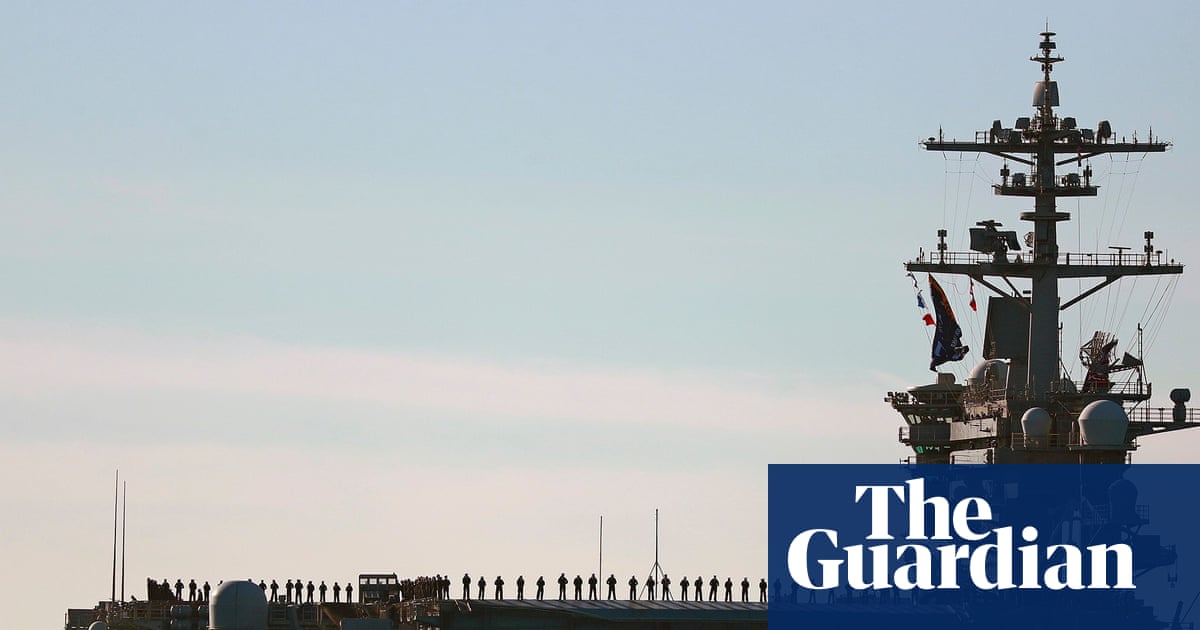
As USS Lincoln heads home, mental health experts tally the stressors of life at sea
asserted
experts → head → sea
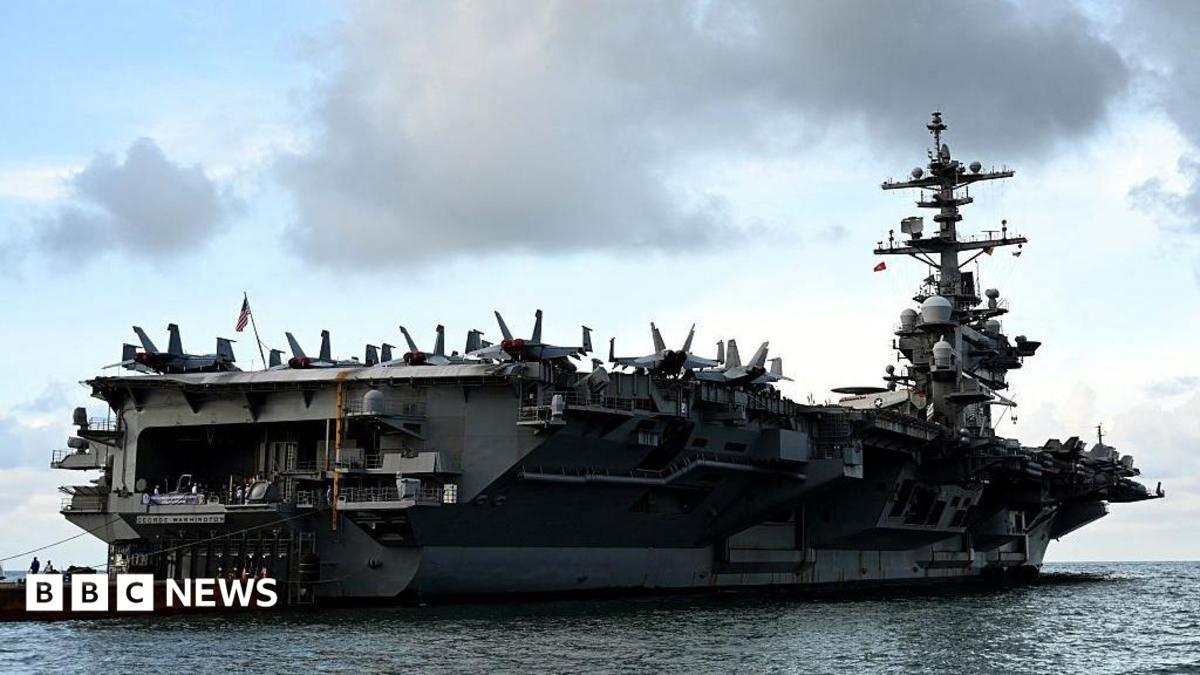
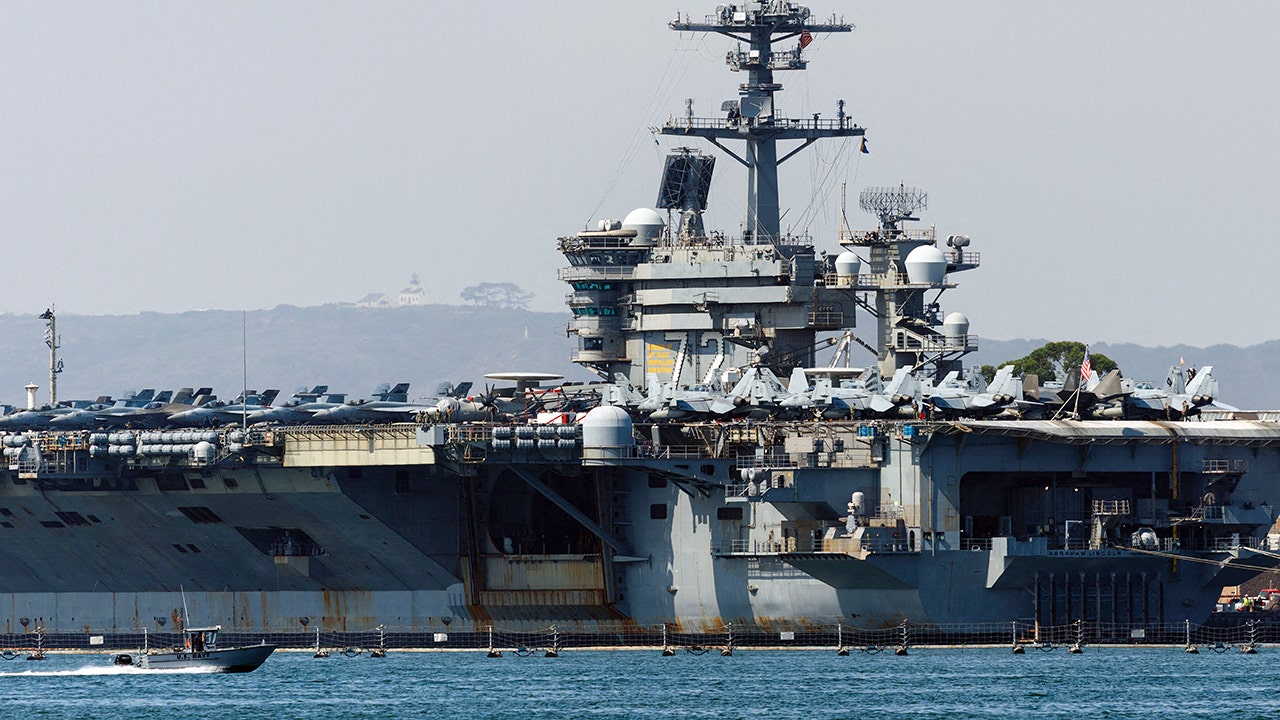
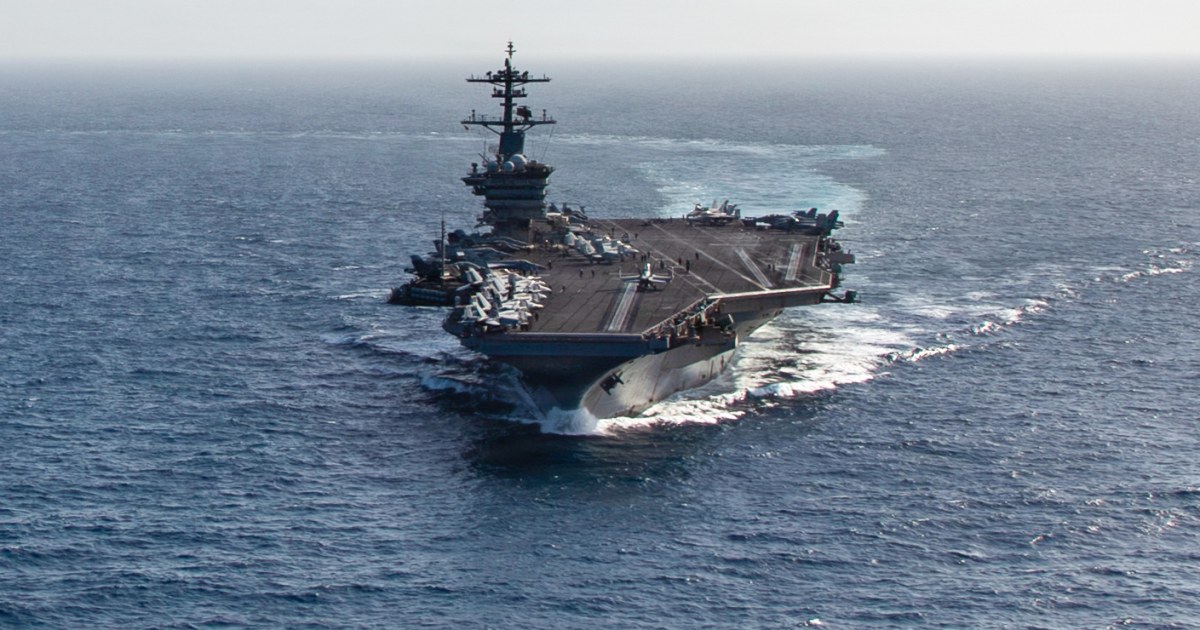
The USS Abraham Lincoln — which has been participating in U.S. military operations in the war with Iran — is now on its way home.
asserted
which → participate → way
The roughly 5,000 sailors and Marines aboard that ship have spent a grueling nine months at sea with little relief.
asserted
sailors → spend → relief
Reports have emerged of deteriorating conditions — and of deteriorating mental health, including apparent attempts by crewmembers to jump overboard.
asserted
Reports → emerge → crewmembers
The Navy has not confirmed those reports and NPR has not independently verified them.
uncertain
NPR → confirm → them
"A small number of mental health cases were treated with no loss of life," Acting Secretary of the Navy Hung Cao said in a statement last week.
asserted
Cao → treat → statement
Experts say while the physical circumstances are difficult, a lack of careful and consistent messaging from leadership at the highest levels also contributed to the crews' mental distress.
asserted
lack → say → distress
The USS Lincoln is like a small city, according to Armen Kurdian, a retired U.S. Navy captain who served aboard the aircraft carrier in 2005.
uncertain
who → accord → 2005
The labor aboard the carrier, he says, can be uniquely physical and difficult.
asserted
he → say → carrier
It takes a toll on your body," says Kurdian.
asserted
Kurdian → take → body
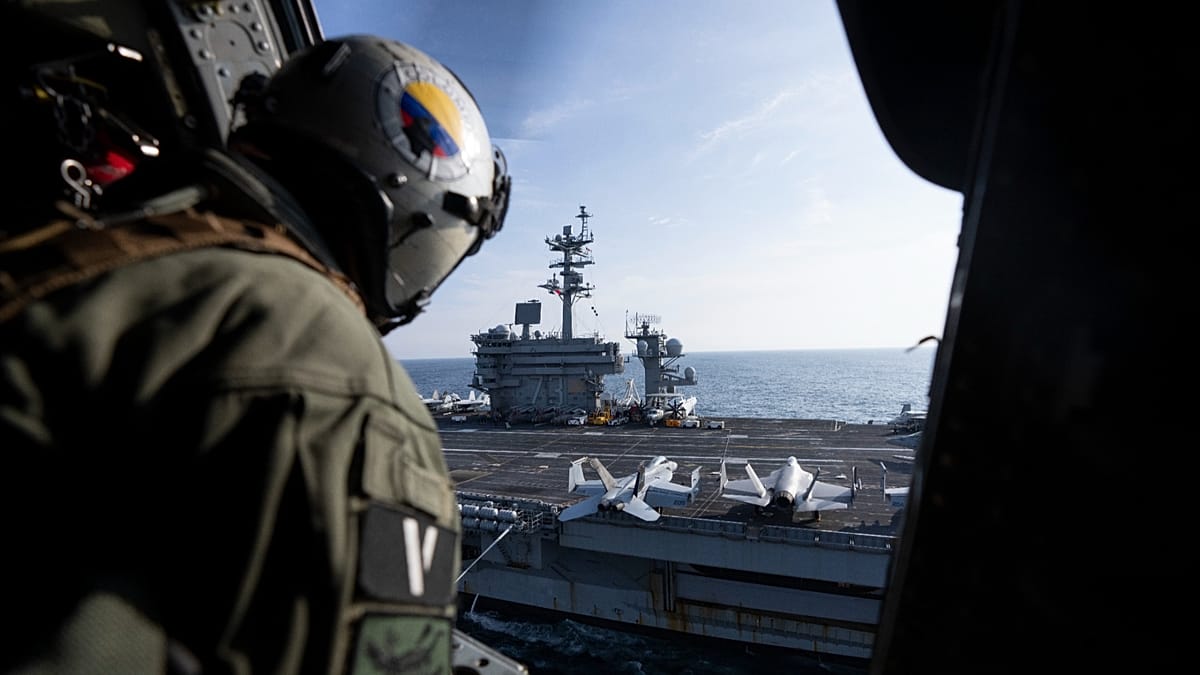
"The plane captains are out there on the flight deck — you know, these 18-, 19-, 20-year-olds lugging these 100-pound chains on their backs in 120-degree weather.
asserted
you → know → weather
He describes dehydration and exhaustion as pilots have to take off and land on the carriers, sometimes at night and in bad weather, and "then just being mentally prepared to go fly because lives are at stake."
In the off-hours, Kurdian says there is little to no privacy, with people sleeping in crowded quarters.
asserted
people → describe → quarters
While difficult, these conditions can be bearable, he adds.
asserted
he → add → ?
But experts say once uncertainty is thrown into this equation, it can push people to their mental brink.
asserted
it → say → brink
Jack Stuster is a retired behavioral scientist who spent decades studying human performance.
asserted
who → retire → performance
"In conditions of isolation and confinement," says Stuster, "one of the worst things that you could do to the person is to tell them they're gonna come home at a certain time, and then you say, 'No.
uncertain
you → say → time
It's gonna be delayed.'
asserted
It → go → ?
"
Return is overdue
The Abraham Lincoln's deployment was originally scheduled to end in May.
uncertain
deployment → schedule → May
In addition to the Navy, Stuster worked with NASA and scientists operating in small groups in places like Greenland, where return flights home were often canceled at the very last moment — even after their would-be passengers had dragged their duffle bags right up to the flight line.
asserted
passengers → work → line
People have described to me going out there for the third time … only to be told that it wasn't gonna happen," says Stuster, which caused them "to break down in tears.
asserted
them → describe → tears
A three-month deployment is ideal, says Stuster, or even six.
asserted
Stuster → say → ?
At nine months, he says, things start to become untenable.
asserted
things → say → months
Dr. Phillip Hunt was for years a Navy physician who deployed on several submarine missions.
asserted
who → deploy → missions
His background is in emergency medicine, but Hunt says in the Navy much of what he treated was mental health.
asserted
he → say → what
" I was kind of the father confessor, psychologist, what have you," says Hunt.
asserted
Hunt → have → what
With a crew of 5,000 people on a ship, Hunt says it's inevitable that some people will struggle with mental health — even in the best of deployment conditions.
asserted
people → say → conditions
"You'd have guys getting anxious.
asserted
guys → have → ?
You'd have guys getting depressed."
asserted
guys → have → ?
Defense Secretary Pete Hegseth says reports of poor conditions aboard the Lincoln are overstated.
asserted
reports → say → Lincoln
President Trump recently called the deployment "not nearly long enough."
asserted
Trump → call → deployment
Hunt says a lack of certainty or reassurance from leadership at the highest levels can trickle down to impact everyone's mental well-being.
asserted
lack → say → being
"Denial of this unit's deteriorating operational conditions is highly detrimental to the crew's morale," says Hunt.
asserted
Hunt → deteriorate → morale
"The result can include anger, anxiety, or eventually mental exhaustion and depression."
asserted
result → include → anger
Hunt says he blames leadership at the highest levels for the lack of recognition of this hardship.
"
asserted
he → say → hardship
I just, I feel so badly for that crew.
asserted
I → feel → crew
It's just tragic," says Hunt.
asserted
Hunt → say → ?
"Just thinking about them almost brings me to tears."
asserted
thinking → think → tears
If you or someone you know is struggling with their mental health, please call or text the number 9-8-8 to connect with a counselor.
asserted
you → know → counselor
 The Aporia