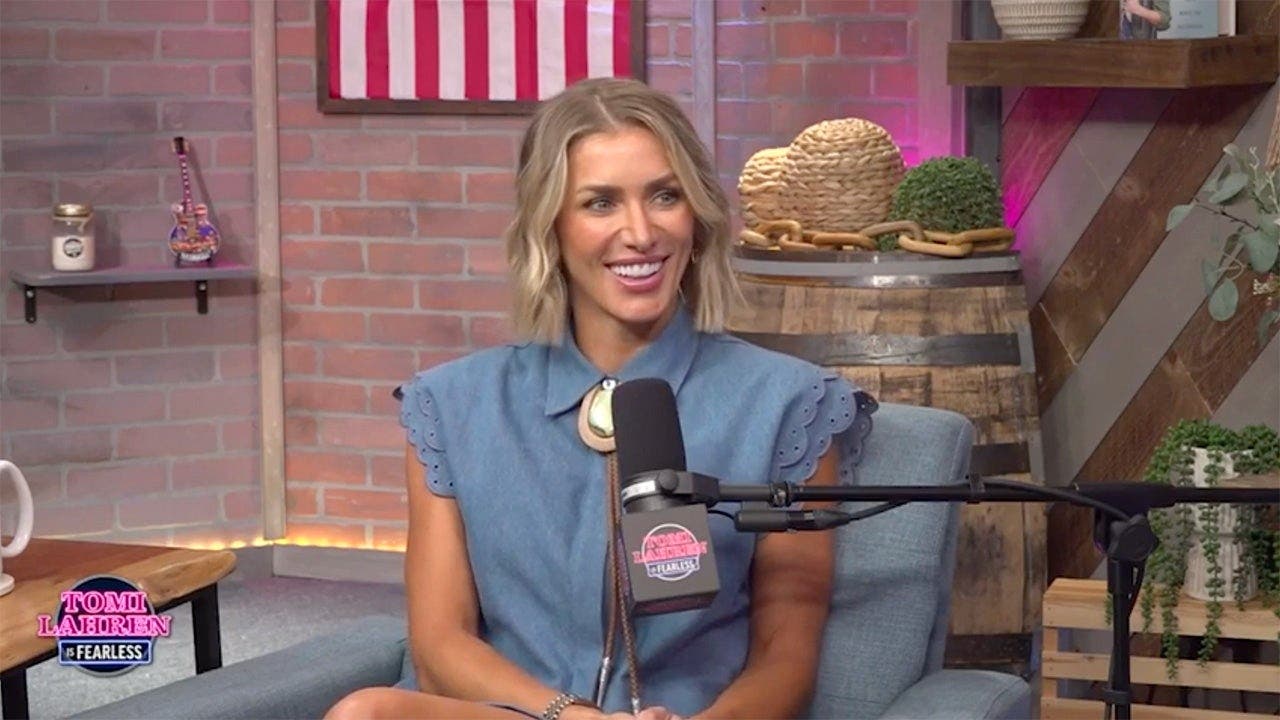
Eva Shockey, a prominent figure in the hunting community, discusses facing criticism for maintaining her femininity while participating in outdoor activities. During an interview on Tomi Lahren’s show, she explains that despite growing up in a hunting family, she felt disconnected from the sport because of a lack of representation of women like herself. Shockey advocates for inclusivity and emphasizes that individuals do not need to abandon their personal style or identity to engage in outdoor pursuits. She highlights the role social media has played in making hunting more accessible to young girls and other newcomers.
Written locally by qwen2.5:14b on 2026-09-17,
using this article's own text rather than the other coverage of the
same event (that is the story summary below).
Eva Shockey never thought becoming a hunter should require giving up the other parts of herself.
asserted
becoming → think → herself
Apparently, plenty of people disagreed.
asserted
plenty → disagree → people
Shockey, one of the most recognizable women in the outdoor industry, told OutKick's Tomi Lahren that she has faced pushback from within the hunting community almost from the moment she entered it — including criticism for something as simple as wanting to look feminine while doing it.
asserted
she → tell → it
"Pretty much everything I've done in the hunting community, there's been pushback since day one," Shockey said during an appearance on "Tomi Lahren is Fearless."
asserted
Lahren → do → appearance
"It's never been where everyone's like, 'Yeah, she's doing it right.'
asserted
she → do → it
But fitting neatly into someone else's idea of what a hunter should look like was never particularly appealing to her.
asserted
hunter → fit → her
Shockey grew up in a hunting family as the daughter of legendary outdoorsman Jim Shockey, but she didn't immediately follow her dad into the field.
asserted
she → grow → field
In fact, one of the things that kept her away from hunting when she was younger was that she didn't see women who looked or lived like her doing it.
asserted
who → keep → it
When she eventually began hunting herself, she wasn't interested in trading one identity for another.
asserted
she → begin → another
"I didn't hunt because I didn't know you could be this — have hair and makeup and care about your nails being done — and also love to hunt," she said.
uncertain
she → hunt → hair
"I love being in the mountains.
asserted
I → love → mountains
I love hiking.
asserted
I → love → hiking
I love wearing camo, but I also like still looking feminine.
asserted
I → wear → camo
Her solution was pretty simple: Don't choose.
asserted
solution → choose → ?
"If I'm gonna hunt, I'm still me," Shockey said.
asserted
Shockey → go → ?
"I'm not gonna change who I am because I want to go hunting."
asserted
I → go → hunting
That became a defining part of her message as her profile grew over the years.
asserted
profile → become → years
Shockey came into the outdoor industry at a time when hunting media was still overwhelmingly male.
asserted
media → come → time
She started on television alongside her father before social media opened the door for women and other newcomers to find outdoor personalities who looked more like them.
asserted
who → start → them
She is quick to point out that she didn't create the movement toward more women hunting.
asserted
she → point → women
"I got to really ride the wave of a big change in more women starting to hunt," Shockey said.
asserted
Shockey → got → change
Like, no, I'm not going to take all that credit.
asserted
I → go → credit
I just got to be a bit of a face of it and represent a lot of women through those last 15 years or so.
asserted
I → get → years
Still, she has seen the change firsthand.
asserted
she → see → change
Shockey believes social media, for all its faults, has made the outdoor world far more accessible to girls who might otherwise grow up believing hunting simply isn't something women do.
uncertain
women → believe → girls
"If young girls want to see someone shooting a bow or they live out in the country and they've never seen a girl hunt — which was little Eva back in the day — they can open social and see people doing what they want to do," she said.
asserted
she → want → what
And they don't all have to look the same.
asserted
they → have → ?
"I'm by no means everybody's style," Shockey said.
asserted
Shockey → say → means
"Not everyone wants to see someone with, like, hair and makeup done.
asserted
someone → want → hair
For Shockey, expanding hunting isn't about replacing one stereotype with another.
asserted
expanding → expand → another
It's about showing women that they don't have to adopt a particular personality, appearance or identity before they're allowed to participate.
asserted
they → show → personality
Over the years, she said, that message has come back to her directly.
asserted
message → say → her
"I had a lot of girls, thousands and thousands of girls over the years, come up to me with basically relaying that to me," Shockey said.
asserted
Shockey → have → me
"Like, 'I'm so glad you said that we could hunt and not be embarrassed of who we are or what we look like or where we're from or whatever that looks like.'
uncertain
that → say → whatever
"Maybe it's not hair and makeup," she said.
asserted
she → say → ?
"It's just you want to be who you are and still enjoy hunting.
asserted
you → want → hunting
You don't have to transition into a hunter and leave everything else out.
asserted
You → have → everything
Like, we all have more elements than that."
asserted
we → have → that
Shockey also believes the broader culture has moved closer to the outdoor lifestyle in recent years.
asserted
culture → believe → years
More people, she said, are showing interest in gardening, sourcing their own food, hunting and generally reconnecting with where food comes from.
asserted
food → say → where
…and 7 more, not listed.
 The Aporia