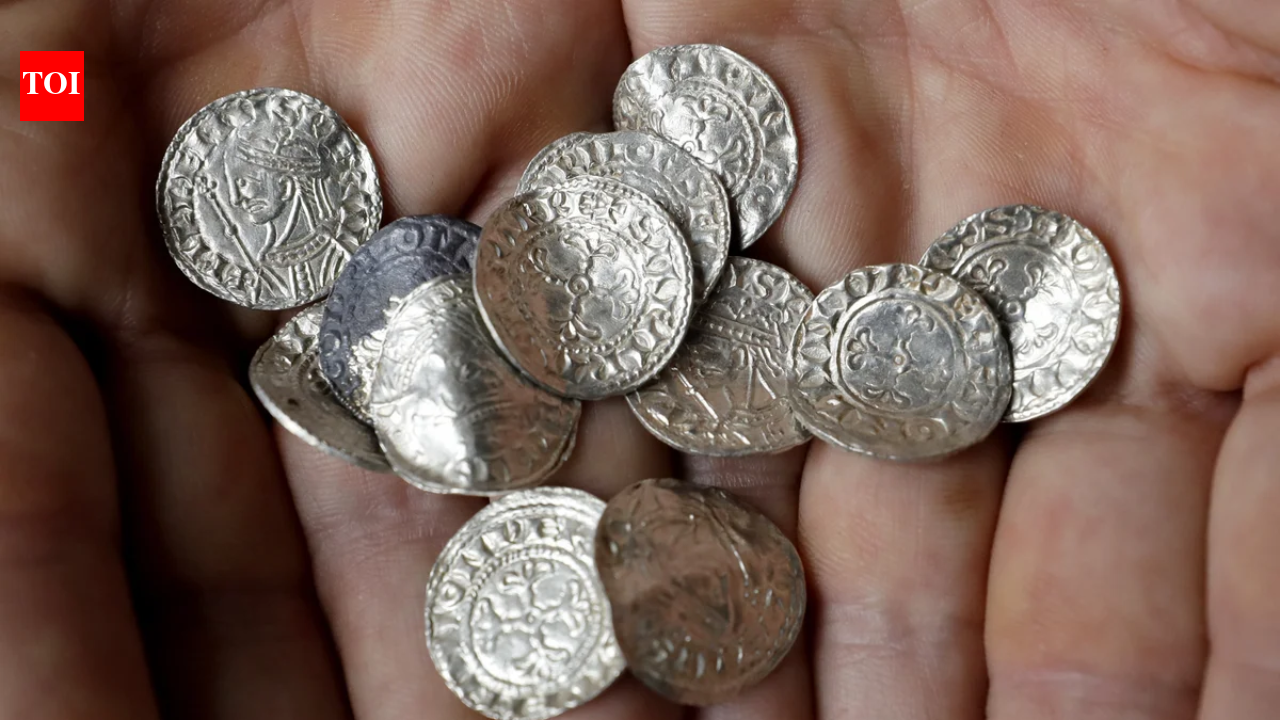
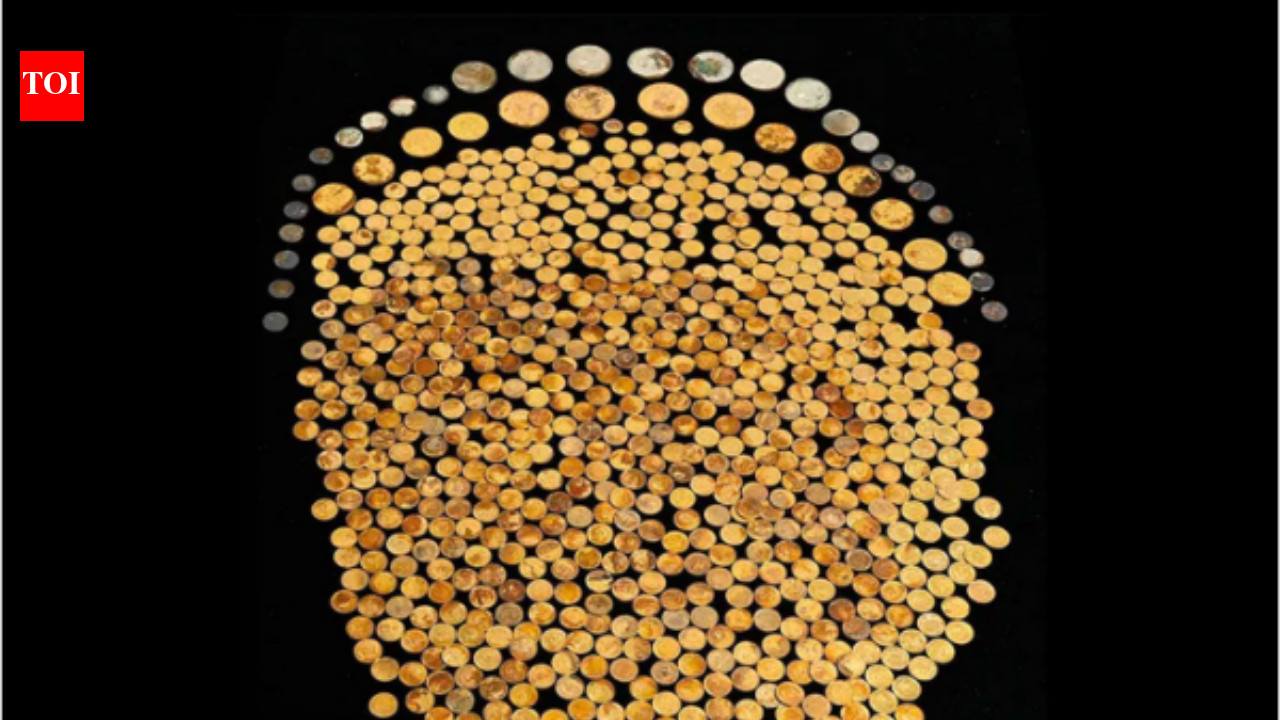
A collection of 2,584 Norman-era silver pennies found by seven metal detectorists in a Somerset field in January 2019 has been acquired for £4.3 million by the South West Heritage Trust, setting a new record as Britain’s most valuable treasure find. The coins, dating from 1066 to 1068 and known as the Chew Valley Hoard, were discovered scattered on the surface of an unused field in the Chew Valley. After five years of formal processing under the Treasure Act 1996, the acquisition was made possible by grants totaling £4,420,527 from various funds, including a significant contribution from the National Lottery Heritage Fund. The find provides rare historical evidence of political unrest following the Battle of Hastings and the Norman Conquest.
Written locally by qwen2.5:14b on 2026-09-17,
using this article's own text rather than the other coverage of the
same event (that is the story summary below).
A collection of 2,584 Norman-era silver pennies found by seven metal detectorists in a Somerset field has been acquired for the nation at a value of £4.3 million, making it the most valuable treasure find in British history.
asserted
it → find → history
The South West Heritage Trust secured the ancient coins, known as the Chew Valley Hoard, after five years of formal processing under the Treasure Act 1996.
asserted
Trust → secure → Act
The purchase was made possible by a £4,420,527 grant from the National Lottery Heritage Fund, along with £150,000 from the Art Fund and support from local charities.
asserted
purchase → make → charities
Dating from 1066 to 1068, the coins offer rare physical evidence of the political unrest that followed the Battle of Hastings and the Norman Conquest of England.
asserted
that → date → England
Under the laws covering treasure finds in England, the £4.3 million payment is divided equally.
asserted
payment → cover → England
Half goes to the landowner, while the other half is shared by the seven people who found the coins.
asserted
who → go → coins
Discovery in a muddy field
The discovery was made on 26 January 2019, when Adam Staples and his former partner Lisa Grace, along with five friends they were training, were searching an unused field in the Chew Valley.
asserted
they → make → Valley
Their metal detectors began giving strong signals, leading the group to uncover individual silver coins scattered close to the surface.
asserted
detectors → begin → surface
By the end of the day, they had recovered more than 2,400 coins.
asserted
they → recover → coins
Speaking after the official acquisition was announced, Staples described the experience of taking the find to archaeological experts.
asserted
Staples → speak → experts
"It's like winning the lottery but then you can't cash the ticket for five years," Staples told reporters.
asserted
Staples → win → reporters
"Coming to the British Museum a few days after we found the hoard, when they opened the front gates and we drove through crowds with a few million pounds worth of coins in the back of the car, was a surreal experience."
asserted
we → come → car
He said the coronavirus pandemic added to the delay in the valuation process.
asserted
pandemic → say → process
"And then it was Covid and five years of silence until we got to this point.
asserted
we → get → point
It's frustrating, but it's still winning the lottery, so you feel like you can't complain.
asserted
you → win → lottery
We received the money a few weeks ago.
asserted
We → receive → money
I've bought a house and can now live mortgage-free."
asserted
I → buy → house
The group followed the official process by reporting the coins to the British Museum's Portable Antiquities Scheme.
asserted
group → follow → Scheme
Experts were then able to examine, identify and record the collection.
asserted
Experts → examine → collection
Historical evidence from Saxon to Norman rule
The hoard contains 1,343 silver pennies issued during the reign of King William I and 1,240 coins showing King Harold II, the last crowned Anglo-Saxon king of England.
asserted
hoard → contain → England
It also contains one coin made during the reign of King Edward the Confessor.
asserted
It → contain → Edward
Archaeologists believe the owner buried the money for protection around 1067 or 1068.
asserted
owner → believe → 1067
At the time, people in the South West were taking part in rebellions against William the Conqueror and his new Norman rule.
asserted
people → take → William
Amal Khreisheh, curator of archaeology at the South West Heritage Trust, explained why the hoard is important.
asserted
hoard → explain → Trust
"The hoard was buried in 1067-1068 on an estate that belonged to the Bishop of Wells and we know at this time there were a lot of rebellions in the South West against the new Norman king," Khreisheh said.
asserted
Khreisheh → bury → king
"We think that the hoard was probably buried for safekeeping because if you wanted to keep your money safe you had to bury it in the ground.
asserted
you → think → ground
We know that the people of Exeter rebelled against William in 1068 and attacks were mounted in the mouth of the River Avon and down into Somerset.
asserted
attacks → know → Somerset
We think that against that backdrop that the coins were buried and we're really excited to discover more about the stories they tell us."
asserted
they → think → us
Khreisheh added: "This is the largest hoard of coins from the period immediately following the Norman conquest so the hoard dates from 1067-1068.
asserted
hoard → add → 1067
It encapsulates that transition from Saxon to Norman rule that's marked by the Battle of Hastings."
asserted
that → encapsulate → Hastings
The collection also contains rare "mule" coins.
asserted
collection → contain → coins
These have the face of one king on one side and the reverse design used under an earlier ruler.
asserted
These → have → ruler
The coins provide evidence of how early Norman rulers changed existing Anglo-Saxon minting practices as they worked to establish their authority.
asserted
they → provide → authority
National tour and permanent display
Funding from The National Lottery Heritage Fund will allow members of the public to see the historic coins at several locations around the country.
asserted
members → fund → country
The collection will go on display at the British Museum in London on 26 November.
asserted
collection → go → November
After its first London exhibition, the hoard will travel to other locations in the region, including a temporary display in nearby Bath.
asserted
hoard → travel → Bath
After the UK tour, the collection will return permanently to Somerset and will be displayed at the Museum of Somerset in Taunton.
asserted
collection → return → Taunton
Sam Astill, Chief Executive of the South West Heritage Trust, said: "The hoard symbolises a pivotal moment in English history and we are delighted to have made this acquisition so that it may be enjoyed by generations to come.
uncertain
it → say → generations
It highlights the power of museums, collections and stories to inspire people and communities and has been made possible thanks to a wide range of partners working together to ensure our heritage is protected and accessible for everyone."
asserted
heritage → highlight → everyone
Heritage Minister Sir Chris Bryant also welcomed the public acquisition.
asserted
Bryant → welcome → acquisition
…and 1 more, not listed.
 The Aporia