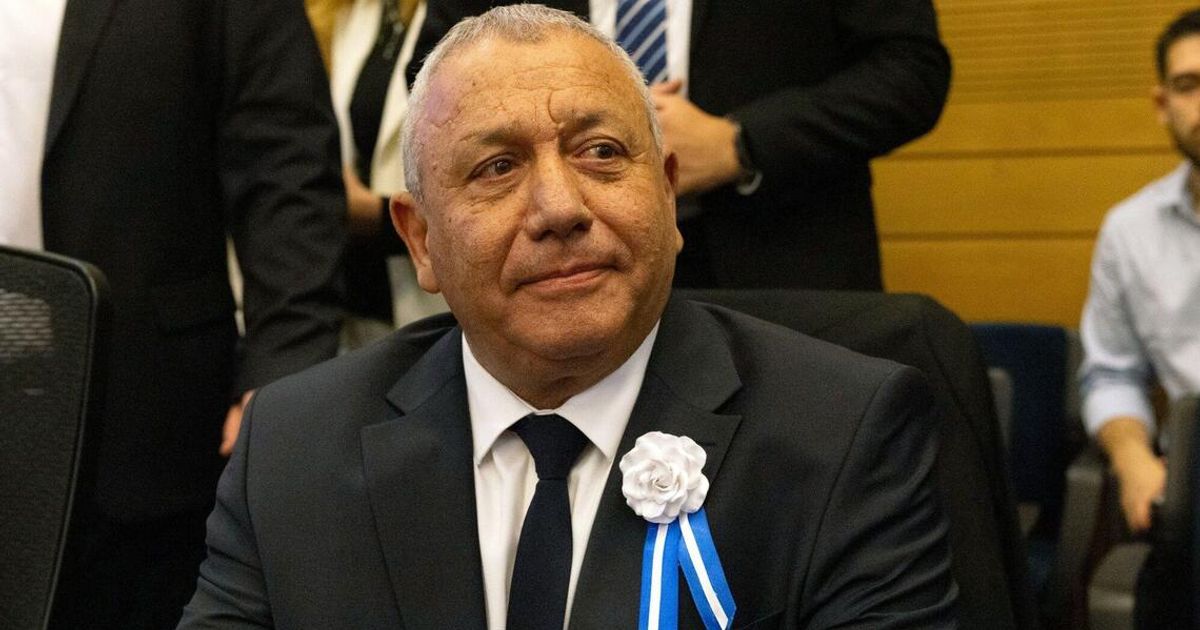
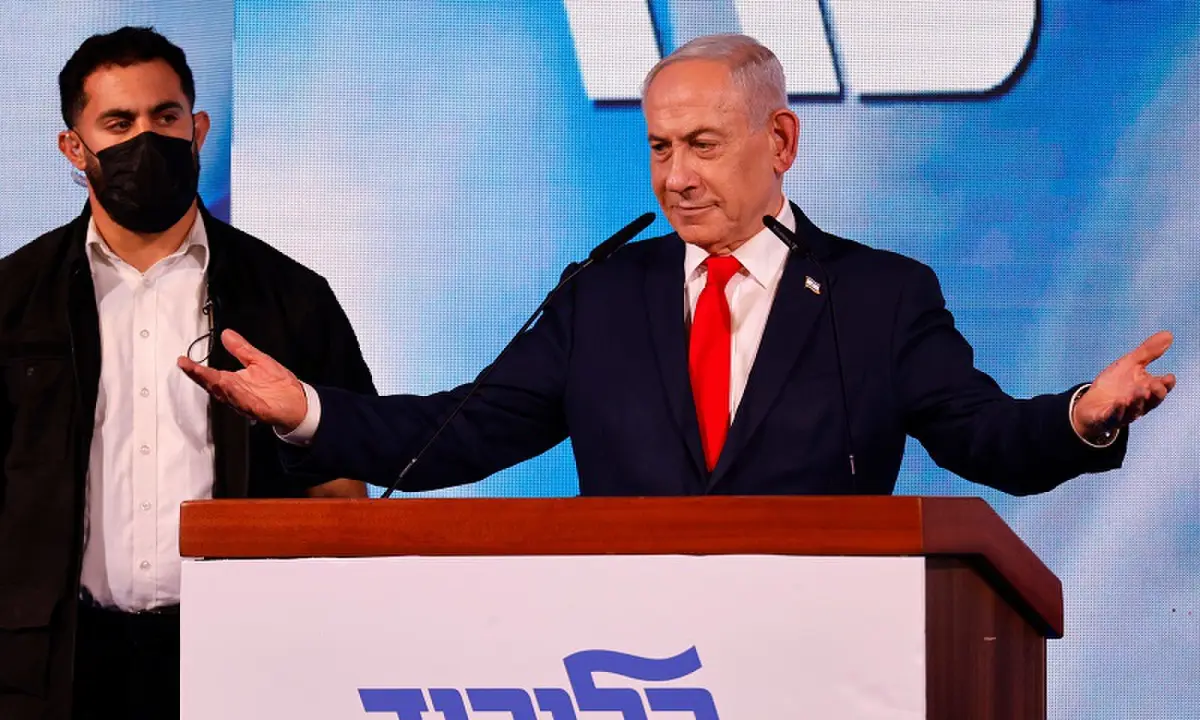
Photo via The Guardian

Anti-Arab hate speech surged on social media during Israel’s election, report finds

Read the original at The Guardian ↗
Cite

Christou, W. (2026, November 17). Anti-Arab hate speech surged on social media during Israel’s election, report finds. The Guardian. https://www.theguardian.com/world/2026/nov/17/anti-arab-hate-speech-surged-on-social-media-during-israel-election-report

Dated from the outlet's own feed. Check the original for its byline.

The Guardian · collected 2026-11-17 · by William Christou

Quick Summary

Digital monitors report a significant increase in anti-Arab hate speech on social media during Israel’s recent election, with platforms like X, Facebook, and TikTok seeing a surge in discriminatory content. According to the Brandeis Institute and FakeReporter, anti-Arab posts on X spiked by over 400% from October 27 to 29. Politicians, including Benjamin Netanyahu and Itamar Ben-Gvir, shared content alleging election fraud by Arab parties, despite official refutations. These posts often called for restricting Arab voting rights and portrayed them as security threats.
Written by AI on 2026-11-17, from this article's own text only (the story summary below draws on all the coverage).

AI analysis

Story summary

Anti-Arab hate speech surged on social media during Israel’s recent election, according to a report by the Brandeis Institute and FakeReporter. The analysis, focusing on the period around October 27, found that anti-Arab sentiment on X (formerly Twitter) increased by over 400% from election day to October 29. Similar content also spread on Facebook and other platforms. Arab-majority parties won 19 seats in the Knesset, potentially making them a key player in forming the next government. Politicians, including Benjamin Netanyahu, fueled the discourse by making unsubstantiated claims of election fraud against Arab Israeli parties. Google responded by stating that Israel’s election is a “Priority 0” for the company and has dedicated resources to monitor traffic around the election, though the Central Elections Committee has not requested additional moderation procedures.

Written for “Anti-Arab Hate Speech Surged” on 2026-11-18, grounded in this article and the 0 other(s) covering the same event.

Compared with similar articles

This article reads unscored and hedges 16% of its claims. Each row says how that neighbour differs.
The Guardian
Leans left Hedges 2 of 18 claims Outlet record 64/100
“Article A reports on a specific accusation by Eisenkot against Netanyahu, while Article B discusses a broader surge in anti-Arab hate speech on social media during the election period, involving multiple politicians and platforms.”
The Straits Times
Leans left Hedges 2 of 18 claims Outlet record 64/100
“Article A reports on Eisenkot's call for respect towards Arab minorities following Netanyahu's attacks, while Article B discusses a surge in anti-Arab hate speech on social media during the election, though both relate to similar political tensions.”
Al Jazeera
Leans left Hedges 3 of 19 claims Outlet record 60/100
“Article A describes Eisenkot's criticism of Netanyahu's campaign, while Article B discusses a report on the surge of anti-Arab hate speech on social media during the election. While related, they describe different aspects of the election period.”
Dawn
Hedges 1 of 16 claims Outlet record 67/100
“Article A focuses on the alleged attempt by Netanyahu's office to frame Arab-Israeli party members, while Article B discusses the surge in anti-Arab hate speech on social media during the election period.”

Story

Anti-Arab Hate Speech Surged
Politics · 1 article(s) covering the same event.
How this article was measured signals, leaning charts, publisher record, byline, topics and claims

Signals How these are calculated →

Claims extracted
19
sentences that state something as happening or true
Uncertain
16%
3 of 19 hedged ("reportedly", "may", "according to")
Leaning
withheld
no quote in the article backed the model's score
Publisher signals
64/100
The Guardian's corrections and hedging, across everything collected from it. Not a measure of accuracy.
Outlets on this story
1
Politics
Same framing elsewhere
1
articles that frame the event the way this one does
Analyzed 2026-11-17 · how these are computed

How this is being covered How these are calculated →

Article leaning vs. publisher reliability
Source leaning vs. consistency

Publisher

The Guardian · 3642 article(s) · 8 correction(s) detected
Running correction rate · 8 correction(s)

Who wrote this

William Christou
6 article(s) here · 0 carrying a prediction
Nuñez suspended the use of a type of police stun grenade against the young demonstrators after a 15-year-old lost a hand, but said that they could be used on Saturday.
“We heard there was fighting in surrounding areas but we didn’t expect it would reach our village that fast,” Muneer said.
In Taiz, a government military officer said the “coming hours will be decisive” as the Houthis had taken positions near the city a day before.
Those steps would be announced in “coming weeks”, a White House official said in a statement, and the envoys “look forward to equally productive meetings tomorrow [Sunday] in Ukraine”.
Also by William Christou
Nothing else under this byline is closely related to this article, so these are simply their most recent.
All 6 articles by William Christou →

Topics

Arab FakeReporter Israel Israeli anti-Arab

Subjects

Israel GPE · 13× Arab NORP · 10× FakeReporter ORG · 4× Israeli NORP · 4× Netanyahu PERSON · 3× anti-Arab NORP · 3× Facebook ORG · 2× Google ORG · 2× TikTok ORG · 2× Benjamin Netanyahu PERSON · 1×

Narrative

Only Google responded, saying that Israel’s election is a “Priority 0” for the company and that it has dedicated resources to monitoring traffic around the election, but that the Central Elections Committee had made no requests for extra moderation procedures.
framing: assertive · carried by 1 article(s) · first seen 2026-11-17

Claims (19 extracted, 3 hedged)

Anti-Arab hate speech surged on social media in Israel around the country’s general election last month, digital monitors have said, as politicians including Benjamin Netanyahu levelled disproven allegations against Arab Israeli parties of election fraud. asserted
politicians → surge → fraud
A new report by the Israel-based Brandeis Institute and FakeReporter recorded a deluge of anti-Arab discourse across social media platforms such as X, Facebook, Instagram and TikTok in the days surrounding Israel’s 27 October election. asserted
report → base → election
According to FakeReporter’s analysis, anti-Arab sentiment on X rose by more than 400% from election day on 27 October to 29 October. uncertain
sentiment → accord → October
Similar content also spread across Facebook and other platforms. asserted
content → spread → Facebook
Arab-majority parties won 19 seats in the Israeli Knesset in last month’s election, potentially putting them in a kingmaker position. asserted
parties → win → position
Opposition leader Gadi Eisenkot has been invited to try to put together a coalition to replace Netanyahu’s religious-nationalist government. asserted
Eisenkot → invite → government
The posts mainly pushed three messages, the first of which was the allegation that “the Arabs stole the election” via fraud, vote buying and foreign interference, according to the report. uncertain
Arabs → push → report
Israel’s electoral commission had already publicly refuted such claims. uncertain
commission → refute → claims
Posts also depicted Arab citizens of Israel as a security threat and called for them to have their right to vote restricted. asserted
right → depict → threat
Some of the most-viewed posts also came from top Israeli officials and Netanyahu’s post “They stole the election in Israel!” was viewed 1.2m times. asserted
They → view → Israel
A post by the far-right national security minister, Itamar Ben-Gvir, calling for heads of Arab political parties was also viewed more than 350,000 times. asserted
post → call → times
FakeReporter said much of the anti-Arab hate speech was fuelled by politicians from Netanyahu’s political bloc. asserted
much → say → bloc
“It can be said that they were a major factor in spreading hate speech against Arab citizens of Israel following the election,” its analysis said. asserted
analysis → say → election
Arab citizens of Israel, the majority of whom are Palestinians, make up 21% of the population of Israel. asserted
majority → make → Israel
Since the Hamas-led 7 October 2023 attack and Israel’s subsequent war in Gaza, Arab political leaders have faced increasingly inflammatory attacks and accusations of dual loyalties. asserted
leaders → lead → loyalties
In the run-up to the election, Israel’s Central Elections Committee voted to bar the country’s two main Arab majority political lists from running – a move later struck down by the Israeli supreme court. asserted
Committee → vote → court
Eisenkot last week condemned what he called a “racist and aggressive campaign of delegitimisation” against the country’s Arab citizens. asserted
he → condemn → citizens
The Brandeis Institute and FakeReporter sent letters to Google, Meta, TikTok and X on 4 November calling on them to take steps to stop the proliferation of hate speech against Arab citizens of Israel on their platforms. asserted
Institute → send → platforms
Only Google responded, saying that Israel’s election is a “Priority 0” for the company and that it has dedicated resources to monitoring traffic around the election, but that the Central Elections Committee had made no requests for extra moderation procedures. asserted
Committee → respond → procedures

Give feedback · no sign-in needed

No sign-in needed for now. Your note is sent without a name, so it cannot be answered.

History Support