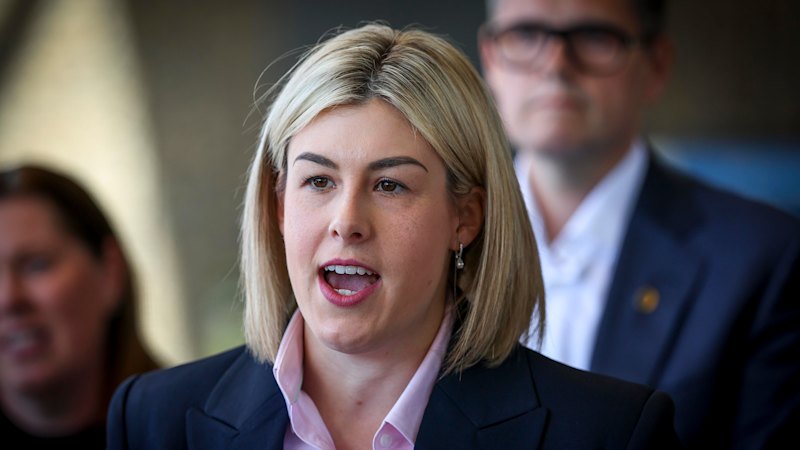
The expert behind a major review into children’s gender services has said she can no longer support proposed legislation to ban conversion practices related to sexual orientation and transgender identity.
asserted
she → say → orientation
Hilary Cass, a paediatrician who now sits in the House of Lords, initially indicated her support when the conversion practices bill was announced in the summer.
asserted
bill → sit → summer
However, she has now said the proposed ban is having a “chilling effect” on healthcare professionals and could pose a risk to parents.
uncertain
ban → say → parents
The bill, published in June and currently undergoing parliamentary scrutiny, seeks to ban abusive practices that aim to change someone’s sexual orientation or gender identity in England and Wales.
asserted
that → publish → England
People found guilty of such abuse could face an unlimited fine and up to five years in prison.
uncertain
People → find → prison
However, it has prompted criticism from religious leaders and the former head of Britain’s rights watchdog, with calls for the legislation to be abandoned.
asserted
legislation → prompt → calls
Opponents argue harmful practices are already covered in law and the bill could threaten parental and religious rights.
uncertain
bill → argue → rights
Cass, who gave evidence to a joint committee of MPs and peers scrutinising the bill this week, said the proposed ban as drafted is also affecting healthcare professionals, who fear repercussions even when they give “appropriate and ethical therapy”.
asserted
they → give → therapy
“The draft bill is already having a chilling effect on healthcare professionals who fear they may be accused of falling far below professional standards, even when they have conducted appropriate and ethical therapy,” she said.
uncertain
she → have → therapy
“Standards are hotly disputed in this contentious area and no professional wants to risk complaints and even prosecution, even if they are later exonerated.
asserted
they → dispute → complaints
It is the process which ends up being an unwarranted punishment.”
asserted
which → end → ?
A government spokesperson told the BBC they would take all evidence put forward by the committee seriously as they “want to get this ban right”.
asserted
ban → tell → committee
Last week, Dr Igi Moon, a psychologist representing a coalition of more than 25 health, counselling and psychotherapy organisations that have signed a memorandum of understanding to end conversion practices, spoke in support of the bill.
asserted
that → represent → bill
“The draft bill is something that all the organisations on the MOU support,” they said.
asserted
they → support → MOU
“We want a legal ban.”
asserted
We → want → ban
Cass’s 2024 review of NHS gender care for under-18s concluded that children had been let down by a lack of research and evidence on medical interventions in gender care and led to sweeping changes, including a ban on puberty blockers.
asserted
children → conclude → blockers
In her initial comment, she said she was “pleased to see that the government is bringing forward legislation which not only gives a clearer definition of what conversion practices are, compared with previous drafts, but also what they are not”.
asserted
they → say → drafts
She had specified the importance of healthcare professionals being “able to do their job without fear of litigation”.
asserted
professionals → specify → litigation
But she has now confirmed she could not support the bill without radical changes, which she suggested might not be possible.
uncertain
she → confirm → changes
“I can’t support this bill as it has too many problems, including the risk to parents,” she said.
asserted
she → support → parents
“It would have to be radically changed to be workable and I am not sure that is possible.”
asserted
that → have → ?
When the draft legislation was published in the summer, Olivia Bailey, then an under-secretary of state for equalities, vowed it would “prevent and protect” LGBTQ+ people from abusive attempts to change their sexual orientation or transgender identity.
asserted
it → publish → orientation
The government has previously stressed there is a “high threshold for criminality”, that will only cover acts deemed abusive, attempting to change someone’s identity, and which create “real harm” to the person.
asserted
which → stress → person

 The Aporia