- Published
At 27, Huang Shihua is living the Chinese Dream.
asserted
Shihua → publish → Dream
He works as an engineer for a leading humanoid robot company in Shenzhen.
asserted
He → work → Shenzhen
The sprawling south-eastern metropolis is touted by China as the origin story for a high-tech future powered by artificial intelligence, robotics and home-grown innovation.
asserted
metropolis → sprawl → intelligence
Drones soar across the sky to deliver your dinner, driverless taxis play relaxing music as you journey to your destination, and robots don't just hand you a cappuccino
asserted
robots → soar → cappuccino
"We have created a miracle in Shenzhen," Huang says, surrounded by humanoid robots making coffee and playing chess.
asserted
Huang → create → chess
"Many young people from across China, full of passion and dreams, have flocked here."
asserted
people → flock → passion
Now they all spend their days figuring out ways to make robots smarter.
asserted
robots → spend → ways
The Chinese call Shenzhen the "city of dreams".
asserted
Chinese → call → dreams
The moniker suits it: one of China's wealthiest, it is close to Hong Kong and the place where the country's explosive growth took off decades ago.
asserted
growth → suit → Kong
Its manufacturing inventory mirrors China's rise: cabbage patch dolls, then TVs, later iPhones, electric vehicles, drones and now the robots, which are drawing Huang and a new generation of Chinese ambition.
asserted
which → mirror → ambition
The "miracles" these young engineers are chasing are central to Xi Jinping's bold vision for China.
asserted
engineers → chase → China
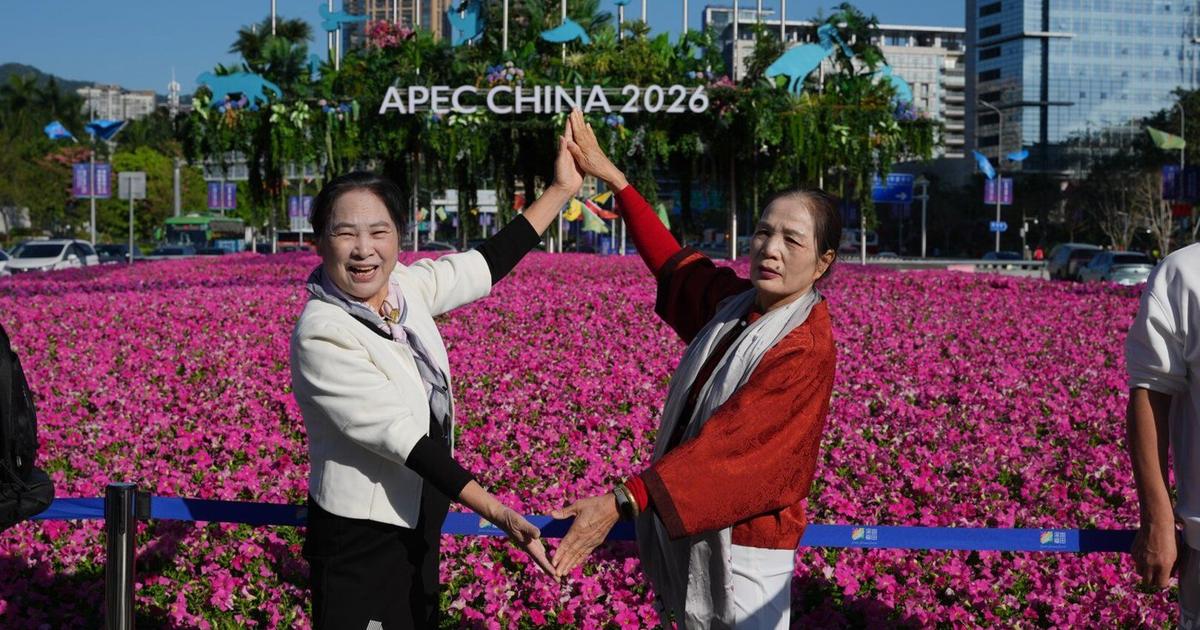
So where better to show it off than Shenzhen, which will be centre-stage when US President Donald Trump, Russian leader Vladimir Putin and others arrive for a global economic summit this week.
asserted
Trump → show → summit
And yet there is another side to this flashy, coastal city, a side that they will not get to see.
asserted
they → be → that
Drive away from towering skyscrapers towards Shajing and Songgang, once the source of much of the world's electronics, and you will run into the challenges confronting Xi's China.
asserted
you → drive → China
"Everyone feels life is hard," one construction worker tells us.
asserted
worker → feel → us
"Lots of factories have relocated and workers lost their jobs.
asserted
workers → relocate → jobs
China remains exceptionally good at making things - and Shenzhen is proof of that.
asserted
Shenzhen → remain → that
But the city also holds the evidence for what ails the world's second-largest economy.
asserted
what → hold → economy
The property crisis is not over, denting confidence in the future.
asserted
crisis → dent → future
This is one of China's most expensive cities but even here, our taxi driver tells us, his house is now only worth a third of its original price.
asserted
house → tell → price
A weak property market and sluggish consumer spending mean many households are buying less.
asserted
households → mean → less
Factories are increasingly relying on exports while many manufacturers have cut production, downsized, automated or moved elsewhere in search of cheaper labour.
asserted
manufacturers → rely → labour
The result is a growing number of workers turning to temporary jobs in the gig economy, often with lower pay and fewer benefits.
asserted
result → grow → pay
"Shenzhen is not a magic place," says one delivery driver in his 40s, unwilling to give his name.
asserted
driver → say → name
"Some say there is gold everywhere in Shenzhen, but it's not like that anymore.
asserted
it → say → that
It's not a city where you can come and thrive.
asserted
you → come → ?
If you don't work hard, you won't have anything."
asserted
you → work → anything
The BBC spent several days in Shenzhen exploring these two very different sides of China's progress: on the one hand is the dazzling promise of AI, and on the other are the anxieties of workers who worry if there will be room for them in the future it creates.
asserted
it → spend → future
The elevator is packed with young engineers and developers headed to the right floor for the free carbs and sugar that will fuel their afternoon.
asserted
that → pack → afternoon
They jostle past their creations en route: human-sized, yellow robots whose limbs fill every available corner.
asserted
limbs → jostle → corner
"I believe that in a decade, robots will be able to better serve humanity by taking on highly repetitive or even dangerous tasks," Huang says.
asserted
Huang → believe → tasks
That could be anything from serving coffee to working in mines, and they are being trained for all of that in this laboratory for the future, where machines flail, jerk or lurch into motion as they learn to behave.
uncertain
they → serve → motion
Because, much like in the US, many young people have been able to realise their dreams and earn the wealth they desire.
asserted
they → realise → wealth
This is what Xi wants to hear as he pushes China to lead the world in advanced tech.
asserted
he → want → tech
Shenzhen has indeed long been a place for seeking opportunity but Huang and his colleagues want to do much more.
asserted
Huang → seek → more
They don't simply want to continue China's manfuacturing supremacy.
asserted
They → want → supremacy
They want to transform it.
asserted
They → want → it
Beyond making "our lives more convenient and comfortable", Huang sees AI as helping "the entire world become one family - a global village.
asserted
world → make → AI
AI has the potential to foster equality and the prospect of AI-driven equality is, to me, the most exciting possibility of all."
Smiling enthusiastically, he explains how he hopes that robots can help emerging economies across Africa and South East Asia catch up by reshaping their production lines too.
asserted
economies → have → lines
This tech-charged optimism, which is everywhere in the building, jars with the uncertainty elsewhere in Shenzhen, where robots are nowhere to be found.
asserted
robots → charge → Shenzhen
…and 64 more, not listed.
 The Aporia