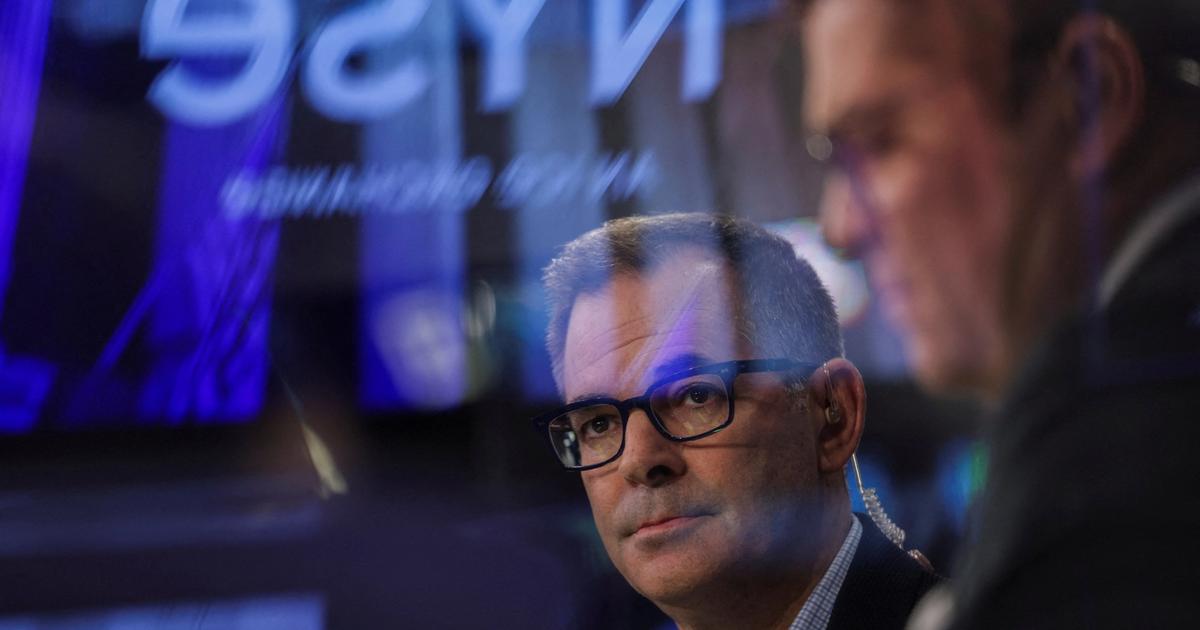
Photo via Semafor

AI makes everyone more vulnerable

Read the original at Semafor ↗
Cite

DiMauro, E. (2026, November 16). AI makes everyone more vulnerable. Semafor. https://www.semafor.com/article/11/16/2026/ai-makes-everyone-more-vulnerable

Dated from the outlet's own feed. Check the original for its byline.

Semafor · collected 2026-11-16 · by Ellen DiMauro

Quick Summary

AT&T CEO John Stankey expressed concerns about the increased vulnerability of everyone due to AI at Semafor’s Silicon Valley & The World event. He highlighted the current high anxiety levels and cybersecurity risks associated with AI, emphasizing the need to transform these technologies from liabilities into advantages. Stankey also stressed the importance of data sovereignty and warned against the potential negative impacts on infrastructure and public trust if proper measures are not taken.
Written by AI on 2026-11-17, from this article's own text only (the story summary below draws on all the coverage).

AI analysis

Story summary

AT&T CEO John Stankey warned at Semafor’s Silicon Valley & The World conference that everyone is currently more vulnerable due to AI. Stankey acknowledged the technology's potential to become an advantage but emphasized the current high anxiety levels and increased cybersecurity risks. He stressed the importance of preventing disruptions like power outages in metropolitan areas or cell phone network failures, which could have severe economic consequences if the public loses trust. Stankey urged considering the downstream effects of AI beyond just concerns over data centers, emphasizing that technology should not be pursued for its own sake.

Written for “AI Vulnerability Risks” on 2026-11-17, grounded in this article and the 0 other(s) covering the same event.

Compared with similar articles

This article reads unscored and hedges 9% of its claims. Each row says how that neighbour differs.
Semafor
Leans right Hedges 0 of 9 claims Outlet record 66/100
“The articles discuss similar themes of AI's impact and public perception but describe different speakers and viewpoints at the same event.”
Washington Examiner
Leans left Hedges 2 of 3 claims Outlet record 67/100
“The articles describe different perspectives on AI risks but do not report on the same specific legal action or incident.”
The Sydney Morning Herald
Leans right Hedges 7 of 52 claims Outlet record 61/100
“The articles discuss different aspects of AI and its impacts, with Article A focusing on the AI advertising landscape in San Francisco and Article B reporting on AT&T CEO John Stankey's views on AI vulnerabilities at a specific event.”
Semafor
Hedges 0 of 17 claims Outlet record 66/100
“The articles cover different speakers' comments at the same event, Semafor’s Silicon Valley & The World, but they are not reporting on the same specific incident or outcome.”

Story

AI Vulnerability Risks
Technology · 1 article(s) covering the same event.
How this article was measured signals, leaning charts, publisher record, byline, topics and claims

Signals How these are calculated →

Claims extracted
11
sentences that state something as happening or true
Uncertain
9%
1 of 11 hedged ("reportedly", "may", "according to")
Leaning
withheld
no quote in the article backed the model's score
Publisher signals
66/100
Semafor's corrections and hedging, across everything collected from it. Not a measure of accuracy.
Outlets on this story
1
Technology
Same framing elsewhere
1
articles that frame the event the way this one does
Analyzed 2026-11-17 · how these are computed

How this is being covered How these are calculated →

Article leaning vs. publisher reliability
Source leaning vs. consistency

Publisher

Semafor · 1811 article(s) · 5 correction(s) detected
Running correction rate · 5 correction(s)

Who wrote this

Ellen DiMauro
18 article(s) here · 1 carrying a prediction
Stankey believes that can be turned around to make things safer, but it will take some time to figure out “how to turn that technology into advantage rather than liability.”
2026-11-16 · assertive framing · AI makes everyone more vulnerable
True to its word that it will offer collateral for credit going forward — its unsecured bonds got hammered earlier this fall in one of the early signs of nerves in the AI financing market — the new debt will be backed by contracts with Meta, allowing CoreWeave to coast on Meta’s AA coattails.
CoreWeave, the battered AI computing provider, surprised Wall Street yesterday by posting better-than-expected earnings and raising its annual forecast.
Citing $800 billion in AI-related debt, plus off-balance-sheet liabilities and the circular financing powering the AI trade, Fed Governor Michelle Bowman said any “shock would likely slow the AI buildout” and “soften” the economy.
CoreWeave, the battered AI computing provider, surprised Wall Street yesterday by posting better-than-expected earnings and raising its annual forecast.
“I think no matter how this plays out, Nvidia will continue to be a great and important American company.”
We’re hearing about whole portfolios of loans that are being shopped at steep discounts, with GPU financings in particular “getting smoked” over worries the life of those loans will outlive the useful life of the technology, one person told Semafor.
2026-11-09 · assertive framing · AI chip financing hits a wall
SpaceX, rated three rungs lower than Microsoft at BBB, will pay as much as 8.75% for its $40 billion haul this week, and neocloud CoreWeave’s bonds, deep in junk-rated territory, have traded at yields above 15%.
Investors are piling into the insurance contracts as anxiety grows over the huge amount of capital it will take to scale up artificial intelligence and how quickly the revenue will materialize to support it.
2026-10-15 · assertive framing · The cost of insuring against AI company defaults spikes
In other words, the lawsuits claim, fund managers are charging fees based on interest they may never collect.
Also by Ellen DiMauro
Nothing else under this byline is closely related to this article, so these are simply their most recent.
All 18 articles by Ellen DiMauro →

Topics

AT&T Semafor

Subjects

Stankey PERSON · 6× AT&T ORG · 1× John Stankey PERSON · 1× Semafor ORG · 1×

Narrative

“If the public loses trust, if an economy is interrupted aid nd it can’t transact business in the way it should transact business and grow, then we’ve got technology that is built on a bad foundation.”
framing: assertive · carried by 1 article(s) · first seen 2026-11-17
Stankey believes that can be turned around to make things safer, but it will take some time to figure out “how to turn that technology into advantage rather than liability.”
2026-11-17 · Semafor
AI makes everyone more vulnerable · assertive framing

Claims (11 extracted, 1 hedged)

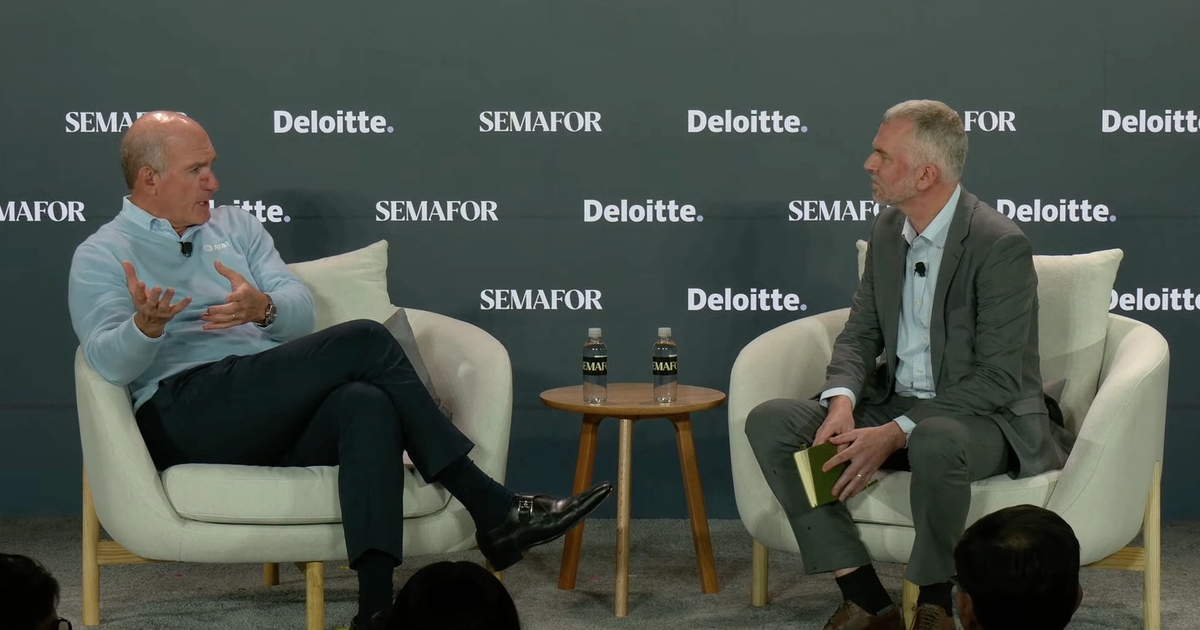
Everybody is more vulnerable because of AI, at least for now, said AT&T CEO John Stankey at Semafor’s Silicon Valley & The World. asserted
Stankey → say → Valley
Stankey believes that can be turned around to make things safer, but it will take some time to figure out “how to turn that technology into advantage rather than liability.” asserted
it → believe → advantage
Stankey said he is by no means a “doomer” when it comes to AI, but it’s hard for anyone to know what the true full effect of these AI models will be. asserted
effect → say → models
He added that “anxiety levels are pretty high right now” because of the added cybersecurity risks brought on by artificial intelligence. asserted
levels → add → intelligence
While there’s been a lot of concern around data centers and the public reaction to them, Stankey urged consideration of the downstream effects. asserted
Stankey → urge → effects
If “a metropolitan area doesn’t have power for a period of time, or we start seeing cell phones drop from the network,” Stankey said. asserted
Stankey → have → network
“We’ve got to make sure we’re doing the right things to prevent that from happening. asserted
we → get → that
We can’t have “technology for technology’s sake,” Stankey said. asserted
Stankey → have → sake
“If the public loses trust, if an economy is interrupted aid nd it can’t transact business in the way it should transact business and grow, then we’ve got technology that is built on a bad foundation.” asserted
that → lose → foundation
He added that additional government regulation may not be the answer, but urged his peers to think about the fundamental needs and pacing as the environment continues to evolve. uncertain
environment → add → needs
Data sovereignty was also a major concern for Stankey, adding that the notion that “my data isn’t my data” is very important. asserted
data → add → Stankey
Give feedback · no sign-in needed

No sign-in needed for now. Your note is sent without a name, so it cannot be answered.

History Support