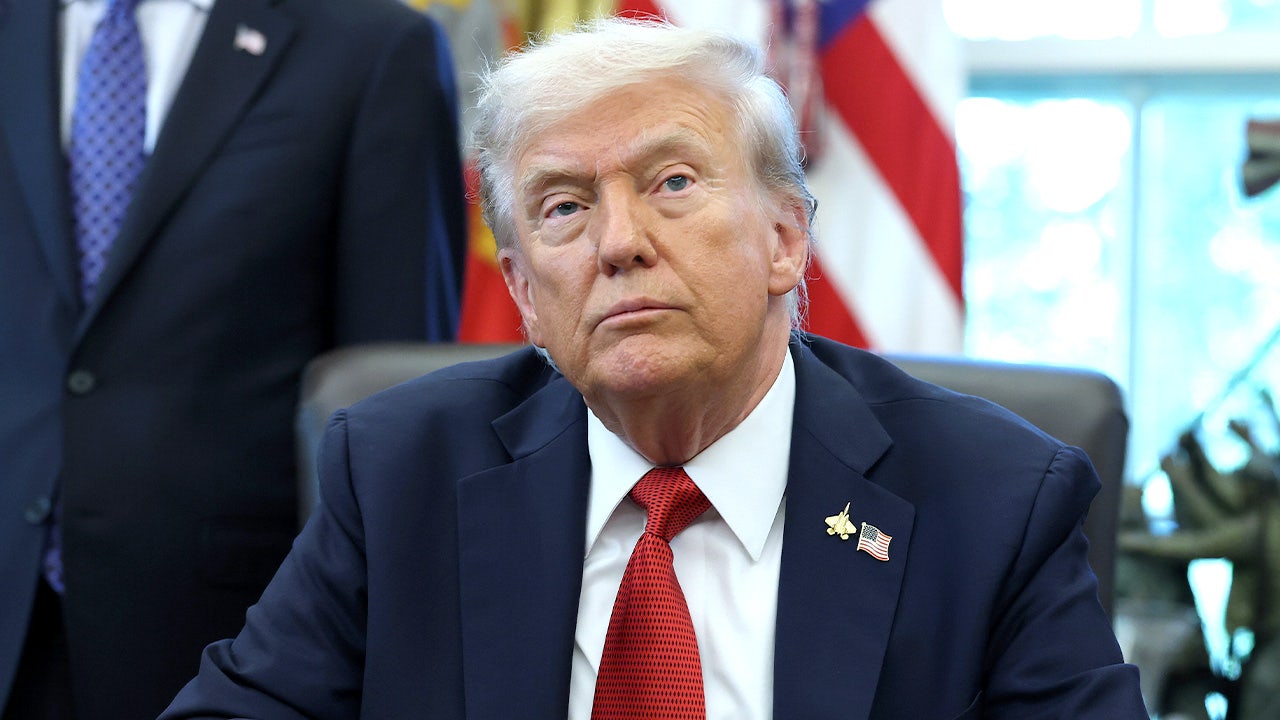
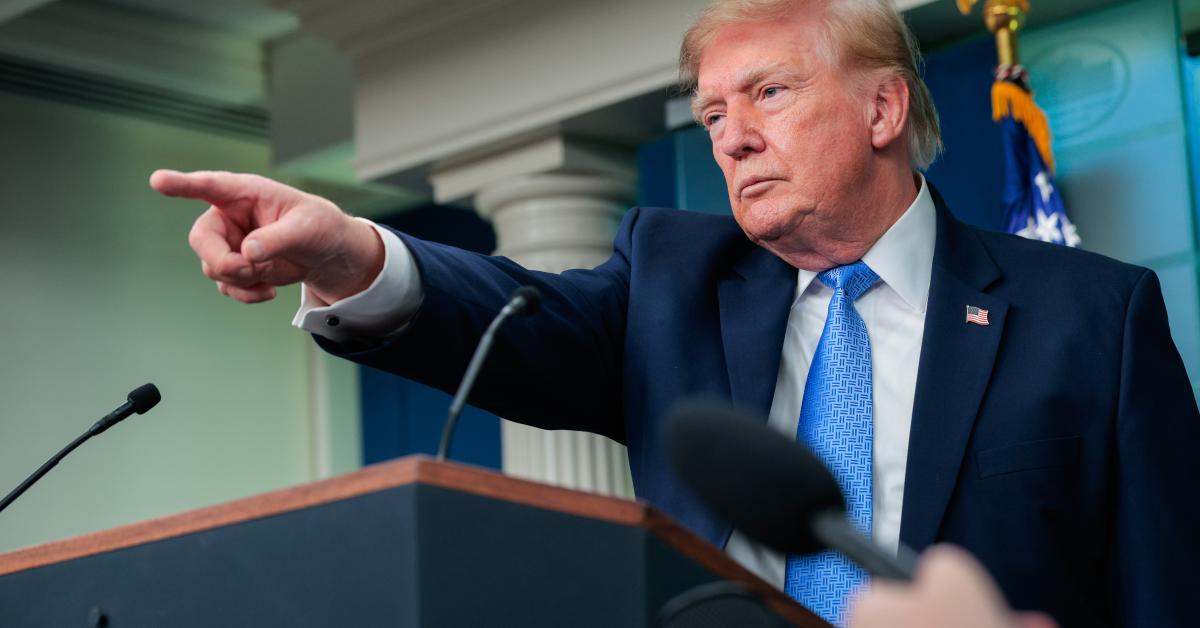
After President Donald Trump signaled in a "60 Minutes" interview that aired shortly after the midterm elections that he was willing to "work on a deal" with Democrats to allow some illegal immigrants to gain legal status, Fox News Digital spoke with several immigration experts about the potential ramifications of such an agreement.
asserted
Digital → signal → agreement
The interview came just days after Republicans suffered crushing losses in the midterm elections, raising questions about whether Trump might be willing to compromise on immigration.
uncertain
Trump → come → immigration
But the president later ruled out amnesty, saying, "There won't be amnesty," while maintaining that his immigration policy had not changed.
asserted
policy → rule → amnesty
While Trump has not outlined a specific proposal, his comments have raised questions about what a potential deal could look like and how granting legal status to some illegal immigrants could impact the rule of law, assimilation and fiscal policy.
uncertain
granting → outline → law
Fox News Digital spoke with three immigration experts about what a potential agreement could mean for the country, including its impact on the rule of law, assimilation and taxpayers.
uncertain
agreement → speak → law
"I think one of the first things we have to always consider is the impact on the rule of law and does it undermine it.
asserted
it → think → it
It's very hard to argue that the best way to restore the rule of law and deal with illegal immigration is to reward some large fraction of people who've broken the law," said Steven Camarota, the director of research at the Center for Immigration Studies (CIS).
asserted
Camarota → argue → Studies
Camarota believes that amnesty begs the question of basic fairness, and impacts how people who have come to the United States legally view the immigration system.
asserted
who → believe → system
"It seems like it mocks them," he said.
asserted
he → seem → them
He used the example of a person who illegally overstays a visa to illustrate his point, saying that person shouldn't be rewarded with citizenship after overstaying a visa, especially when there are millions of people who have already followed the law and left the country when their visas expired.
asserted
visas → use → country
Laura Collins, director of immigration policy at the George W. Bush Presidential Center, acknowledged those concerns but argued that the country's immigration laws are part of the problem.
asserted
laws → acknowledge → problem
"I understand people's concerns about the rule of law," said Collins.
asserted
Collins → understand → law
"I also think you have a set of immigration laws that are not working as intended, the reason we have so many people who are here undocumented is because we have an economy that pulls in a lot of people's work, but an immigration system that restricts that labor flow."
asserted
that → think → flow
She says the United States is at a crossroads: the country can choose a system where illegal immigrants cannot stay and fix their mistakes while also contributing to the economy, or they can stay and be offered a chance at restitution.
asserted
they → say → restitution
"Almost every single piece of legislation that, has had a chance at passage on immigration that involves legalization program has had things like paying back taxes, going through a background check, paying some sort of fine or fee or restitution payment in order to make up for the fact that these people did something illegal by either overstaying a visa or crossing the border," she said.
asserted
she → have → border
But Camarota questioned whether a future amnesty agreement would actually require immigrants to complete those restitution payments before obtaining citizenship.
asserted
agreement → question → citizenship
Camarota also said that one of the main reasons for restricting immigration in the first place is to ensure that the United States isn't overwhelmed.
asserted
States → say → place
"We don't want the numbers to be so large that they overwhelm the assimilation process where you can go to a school where everyone's from your background or, you don't ever have to learn English because there's enough people around you who you don't [and] who you speak your native tongue
asserted
you → want → tongue
So that's one reason to limit immigration," he said.
asserted
he → limit → immigration
"In effect, an amnesty throws that out the window and says, well, we have these limits, but we're not going to enforce them," he continued.
asserted
he → throw → them
Drawing from the findings of a 2022 book called "Streets of Gold: America's Untold Story of Immigrant Success," Collins argued that today's immigrants are assimilating at a pace similar to that of immigrants of prior generations.
asserted
immigrants → draw → generations
America's current foreign born population has matched a historic peak similar to late 1800s and early 1900s levels.
asserted
population → bear → levels
About 15% of the current population is foreign born.
asserted
% → bear → population
The book, she said, compared people's memories of how their grandparents and great grandparents assimilated when they came to the United States.
asserted
they → say → States
"And what they found was actually that immigrants are integrating it pretty much the same rates," she said.
asserted
she → find → it
She also said that work helps people to assimilate faster, and thus, if illegal immigrants were given the opportunity to work legally, assimilation would be a smoother process.
"
asserted
assimilation → say → opportunity
I do think that one of the things America really is good at is us taking newcomers and turning them into Americans, and so I worry less about that" she said.
asserted
she → think → that
"But I understand why there is a scenario where people could be afraid of that.
uncertain
people → understand → that
But the data doesn't support it."
asserted
data → support → it
Camarota estimated that households headed by illegal immigrants receive approximately $50 billion annually in government benefits, often through programs for which their U.S.-born children are eligible.
asserted
children → estimate → which
He cited Medicaid, Supplemental Security Income (SSI), Temporary Assistance for Needy Families (TANF) and free school lunches as examples, although illegal immigrants themselves are generally barred from receiving many federal welfare benefits.
asserted
immigrants → cite → benefits
Illegal immigrants use welfare not because they're lazy, but because most of them do not have educations higher than 11th grade levels, Camarota said.
asserted
Camarota → use → levels
"Legalizing folks doesn't change the fact that the illegal population is overwhelmingly less educated, and less educated people just don't pay enough in taxes to cover their consumption of public services, especially when you consider all the means-tested programs they get," he said.
asserted
he → legalize → programs
Low income people, he noted, simply don't pay much in taxes.
asserted
he → note → taxes
"Remember, half of all workers pay no federal income tax," he said.
asserted
he → remember → tax
"So, yes, illegal immigrants do pay taxes, and actually we think more than half already work on the books, so there's no big boon to taxpayers anyway.
asserted
half → pay → taxpayers
But now, they themselves will become eligible for welfare programs."
asserted
they → become → programs
Collins conceded that while many immigrants have low education levels, but said that that doesn't mean all of them are working jobs that meet their education skills.
asserted
that → concede → skills
She pointed to a 2013 Congressional Budget Office (CBO) analysis of the Gang of Eight's immigration bill, S. 744, which estimated that the legislation would increase federal tax revenues and reduce federal deficits by approximately $158 billion over 10 years, despite increased spending on government benefits.
asserted
legislation → point → benefits
"You get a little bit more tax revenue," she said.
asserted
she → get → revenue
…and 24 more, not listed.
 The Aporia