The recent midterm election cycle marked by historic levels of pro-Israel spending saw an emerging trend that aimed to counter their influence: a new crop of pro-Palestine PACs.
asserted
that → mark → PACs
Led by American Priorities PAC, which formed in January as part of an effort by donors, including supporters of New York City Mayor Zohran Mamdani, who opposed U.S. military support for Israel, a cadre of pro-Palestine organizations spent more than $14.4 million on races this cycle.
asserted
cadre → lead → races
Almost all of their candidates won.
asserted
all → win → candidates
“In the midst of the genocide, we felt compelled to push every lever and engage in every way possible to push candidates and the [Democratic] party to catch up to its base,” said Margaret DeReus, who leads the Institute for Middle East Understanding Policy Project and the Peace, Accountability, and Leadership political action committee, or PAL PAC.
asserted
who → compel → Project
Both groups spent on pro-Palestine ads for the first time this cycle.
asserted
groups → spend → time
As DeReus and other leaders of the emergent pro-Palestine lobby told The Intercept, voters, especially Democratic ones, have become increasingly disillusioned with Israel and frustrated with politicians who support unchecked military aid to the country.
asserted
who → tell → country
“I don’t think there is an issue that I can think of where the party position, the mainstream party position, is so out of step with the base,” DeReus said.
asserted
DeReus → think → base
The new pro-Palestine spending is a drop in the bucket compared to the more than $84 million the pro-Israel lobby poured into elections this cycle.
asserted
lobby → compare → elections
AIPAC’s super PAC outspent pro-Palestine groups almost 6 to 1 — and that doesn’t include the more than $50 million AIPAC funneled directly to candidates.
asserted
AIPAC → outspent → candidates
The pro-Palestine side may never match their opponents dollar for dollar.
uncertain
side → match → dollar
“The point is, nobody has to outspend AIPAC,” said Beth Miller, political director at the advocacy group Jewish Voice for Peace Action.
asserted
Miller → have → Action
Her group doesn’t spend directly on elections and instead focuses on mobilizing anti-Zionist Jewish voters.
asserted
group → spend → voters
“AIPAC is spending this much money because the message they are trying to force down voters’ throats is unpopular.”
asserted
they → spend → throats
The pro-Israel lobby long dominated the discourse on Israel policy before its flagship group, the American Israel Public Affairs Committee, started spending directly on elections for the first time in the 2022 cycle.
asserted
group → dominate → cycle
But as AIPAC and other pro-Israel groups find their brand growing increasingly toxic amid public outcry over U.S. military support for Israel’s genocide in Gaza, pro-Palestine money is shifting the terrain when it comes to election spending.
asserted
it → find → spending
Simply put, Miller said, “Their message goes further because it’s popular.”
asserted
it → put → ?
Whether the spending is for or against the pro-Israel lobby, it’s rare to see political ads that directly address U.S. policy toward Israel.
asserted
that → ’ → Israel
For one thing, the topic can be controversial — even if the controversy is manufactured.
asserted
controversy → manufacture → thing
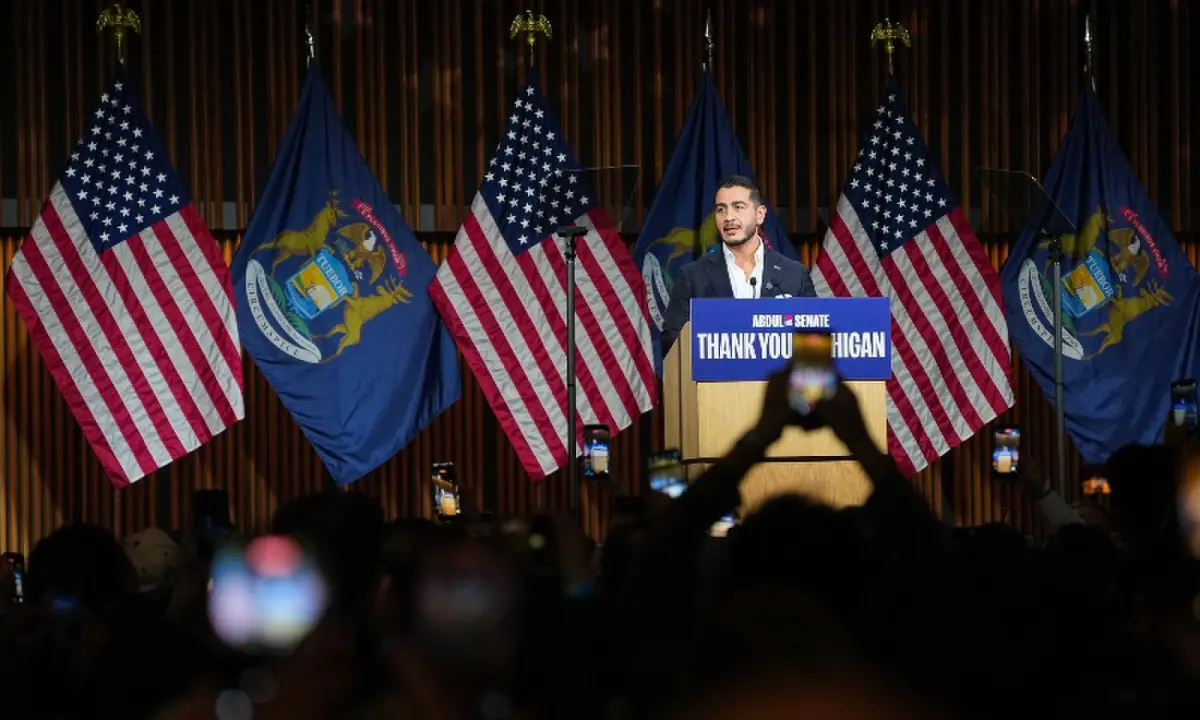
When Rebellion PAC, a committee founded to back the 2020 congressional campaign of left-wing commentator Cenk Uygur, ran an ad supporting Abdul El-Sayed and connecting high grocery prices to U.S. support for Israel, the fallout threatened to upend the Michigan Senate race.
asserted
fallout → found → race
Rep. Haley Stevens, D-Mich., called the ad antisemitic and took it as an opportunity to air her grievances with her former primary opponent, eventually switching her endorsement to Republican Mike Rogers.
asserted
Stevens → call → Rogers
The PAC originally ran a version of the ad during Uygur’s short-lived 2024 presidential bid.
asserted
PAC → run → bid
Voters didn’t seem to be swayed by the controversy, and El-Sayed beat Rogers by a comfortable 7 percentage points.
asserted
Sayed → seem → points
“The drama comes from a handful of elected officials and an establishment that, at best, takes an outdated view of how Israel and AIPAC operate,” said Greg Krieg, spokesperson for American Priorities, which was not affiliated with the Rebellion PAC ad but did produce other ad spots that criticized the U.S. relationship with Israel.
asserted
that → come → Israel
“Not every ad we ran was about Israel, obviously, but the topic came up often because it united Democrats across the party’s ideological spectrum,” Krieg said.
asserted
Krieg → run → spectrum
That new, vocally pro-Palestine PACs are backing successful candidates alongside veteran left organizations is a sign of health for a nascent effort, Miller said.
asserted
Miller → back → effort
The midterms were “a test case of: Will this message resonate with voters?
asserted
message → resonate → voters
And the answer overwhelmingly was yes,” Miller said.
asserted
Miller → say → ?
“This is a sign of the increasing power and mobilization of the Palestinian rights movement in the political and electoral space.”
asserted
This → increase → space
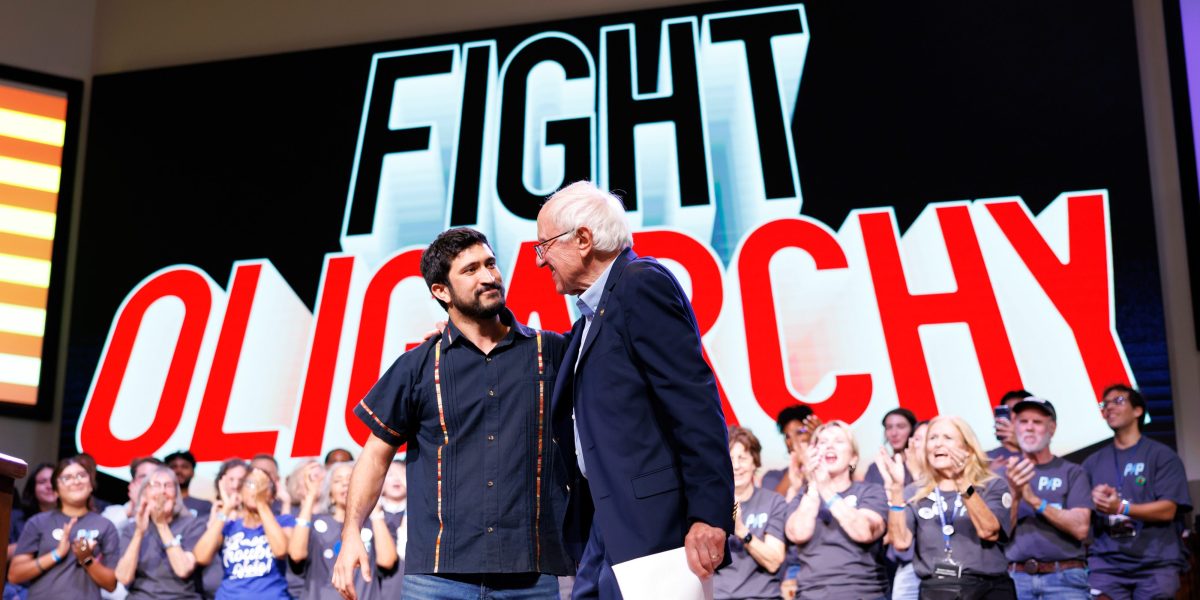
Groups like American Priorities and PAL PAC often endorsed the same candidates as progressive bench-builders like Justice Democrats and the Working Families Party.
asserted
Groups → endorse → Democrats
In some cases, the Palestine solidarity movement seemed to breathe a much-needed new life into the electoral left.
asserted
movement → seem → left
The pro-Israel lobby doled out bruising defeats last cycle, after making a promise to unleash its full arsenal to oust critics of Israel from Congress.
asserted
lobby → dole → Congress
AIPAC’s super PAC spent more than $25 million to unseat then-Reps. Cori Bush, D-Mo., and Jamaal Bowman, D-N.Y. — a quarter of the $100 million it spent on primaries in 2024.
asserted
it → spend → 2024
Reeling from those losses, progressive and Democratic strategists went back to the drawing board.
asserted
strategists → reel → board
Alone, they could never hope to have the same infrastructure or wield the same influence as a group like AIPAC.
uncertain
they → hope → AIPAC
But together, they could more effectively pool their resources to tap into public opinion shifting further each year in their favor.
uncertain
they → pool → favor
One of the new pro-Palestine groups, American Priorities, was born out of a desire to leverage that shifting public opinion against U.S. support for Israel into electoral wins.
asserted
One → bear → wins
As the first truly pro-Palestine super PAC, the group spent $8.15 million backing 15 candidates this cycle, 13 of whom won.
asserted
13 → spend → whom
(The group also considered spending for Angie Nixon, a Florida democratic socialist who narrowly lost her bid for U.S. Senate, but ended up putting the money into another race.)
asserted
who → consider → race
Twelve of the 20 candidates backed by PAL PAC won their races, including El-Sayed and Donavan McKinney in Michigan, Claire Valdez and Darializa Avila Chevalier in New York, Adam Hamawy in New Jersey, Melat Kiros in Colorado, and Chris Rabb in Pennsylvania.
asserted
candidates → back → Pennsylvania
The growing networks allowed groups like Justice Democrats to get involved in more races.
asserted
groups → grow → races
…and 28 more, not listed.
 The Aporia