This 250th year of American independence has given us much to celebrate.
asserted
year → give → much
We have honored the courageous signing of the Declaration of Independence and reflected on how its principles unleashed a degree of prosperity unmatched in human history.
asserted
principles → honor → history
Each and every day, the Trump administration has built on this legacy of freedom in unprecedented ways, from policy achievements to cultural events around our capital.
asserted
administration → build → capital
Understandably, this year’s historic fireworks, literally and figuratively, may have caused some to overlook one of the more significant causes for celebration.
uncertain
some → cause → celebration
As of this summer, the Supreme Court and the Trump administration agree that you should be treated as an individual without regard to your race or color.
asserted
you → agree → race
In Allen v. Milligan (2026), the Supreme Court for the first time issued a decision citing “our colorblind Constitution.”
asserted
Court → issue → Constitution
The phrase has been quoted numerous times since across the Trump administration, but the principle behind it has guided the U.S. Department of Agriculture since Day One.
asserted
principle → quote → Day
And the principle has deep roots.
asserted
principle → have → roots
Justice John Marshall Harlan was the first jurist to claim we have a colorblind Constitution.
uncertain
we → claim → Constitution
In his lone dissenting opinion in Plessy v. Ferguson in 1896, he insisted the Constitution neither knows nor tolerates classes among citizens.
asserted
Constitution → dissent → citizens
His position was that the Constitution did not permit racial segregation under the “separate but equal” doctrine.
asserted
Constitution → permit → doctrine
Generations later, the civil rights movement fought for the colorblind principle.
asserted
movement → fight → principle
It took until this year for the Supreme Court to state it in its own words.
asserted
Court → take → words
But this administration has carried out that principle at the USDA all along.
asserted
administration → carry → USDA
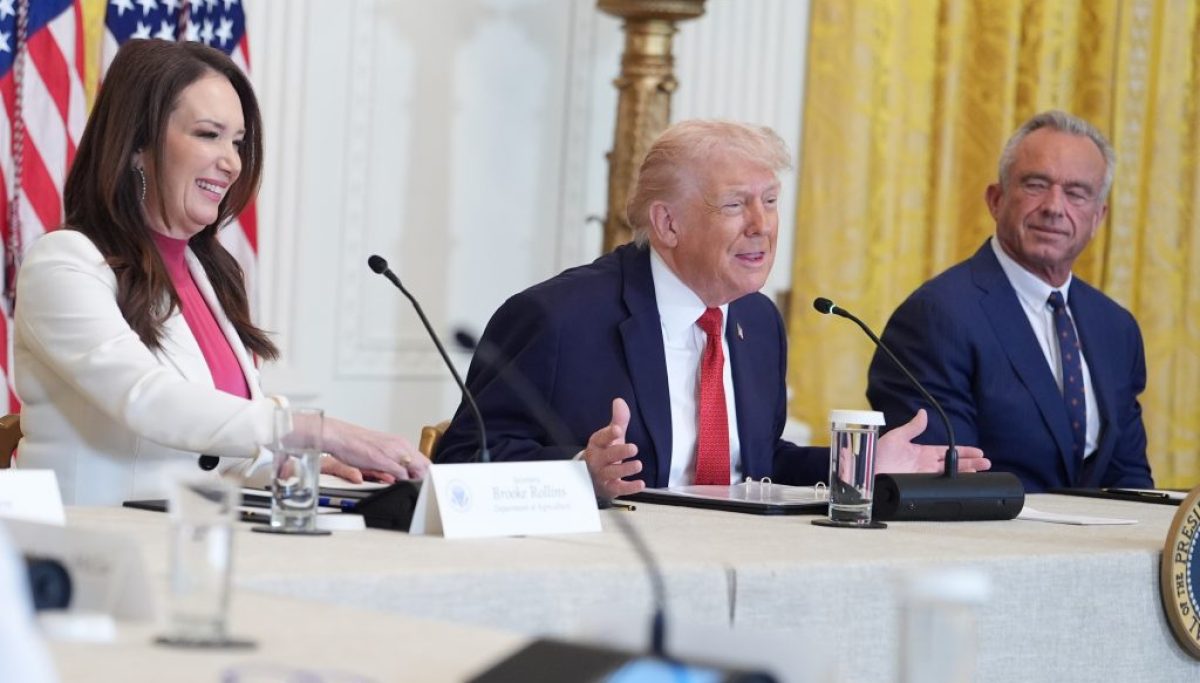
It started with Agriculture Secretary Brooke Rollins canceling nearly 1,000 problematic employee trainings, more than 750 of them focused on divisive or discriminatory DEI concepts.
asserted
750 → start → concepts
Separately, in June 2025, the USDA terminated more than 145 awards worth as much as $148.6 million that had used race as the basis of preference or disfavor.
asserted
that → terminate → preference
One of those awards required limiting free produce distributions based on the race of the requesting family.
asserted
One → require → family
Additionally, under previous departmental regulations, USDA-funded organizations could be held liable for discrimination solely on the basis of statistics outside their control, without any evidence of intent to discriminate.
uncertain
organizations → fund → intent
The message to these organizations was essentially to “get their numbers right” by taking actions that would, for example, balance the racial composition of their workforce.
asserted
that → get → workforce
This concept, known as “disparate impact liability,” twisted our laws guaranteeing equal treatment into regulations that pushed organizations toward racial quotas to avoid scrutiny.
asserted
that → know → scrutiny
However, it is impossible to be true to our colorblind Constitution while promoting racial balancing.
asserted
it → promote → balancing
That’s why we recently rescinded all of our disparate impact regulations related to our program activities at the USDA.
asserted
we → ’ → USDA
We have continued to combat unlawful discrimination wherever we find it.
asserted
we → continue → it
The USDA civil rights staff has conducted over 1,000 investigations of alleged discrimination in USDA programs in fiscal 2026 alone.
asserted
staff → conduct → 2026
We have reformed multiple regulations that gave racial preference under the code words “socially disadvantaged.”
asserted
that → reform → words
And programs from farm loan guarantees to conservation grants no longer ask what a person looks like before deciding whether they are eligible.
asserted
they → ask → what
Perhaps our most enduring activity in support of our colorblind Constitution is a first-of-its-kind effort we call the Merit-Based Opportunity Commission.
asserted
we → call → kind
The USDA assembled subject-matter experts from every staff office and mission area to examine their policies for instances where people were judged by their demographics.
asserted
people → assemble → demographics
With an enterprise-wide mandate, the commission has combed through thousands of guidance documents and regulations, grants and other awards, employment practices, webpages, and operations manuals.
asserted
commission → comb → documents
Wherever any remaining discriminatory practices or policies are found, we eliminate them and replace them with standards of merit and equal opportunity.
asserted
we → remain → merit
No office is exempt, and no policy is left unexamined.
asserted
policy → leave → ?
The USDA serves millions of people through the work of nearly 100,000 devoted employees.
asserted
USDA → serve → employees
Programs such as rural housing, farm equipment loans, and nutrition assistance can mean the difference between a hungry, impoverished America and one with thriving families and a growing economy.
asserted
Programs → mean → families
The USDA is dedicated to serving every American regardless of race or color so that everyone can prosper, not just some.
asserted
everyone → dedicate → race
The Supreme Court moved the country closer to that ideal this year by declaring that our Constitution is colorblind.
asserted
Constitution → move → ideal
Since January 2025, the USDA has been carrying out that vision through sustained action.
asserted
USDA → carry → action
We commit on this Constitution Day to continue this work in honor of the colorblind vision of our founding document.
asserted
We → commit → document
 The Aporia