Photo via Times of India

US State Secretary Marco Rubio blames Iran’s ‘expansionist mentality’ for conflicts across Middle East

Read the original at Times of India ↗
Cite

Ankari, G. (2026, November 15). US State Secretary Marco Rubio blames Iran’s ‘expansionist mentality’ for conflicts across Middle East. Times of India. https://timesofindia.indiatimes.com/world/us/us-state-secretary-marco-rubio-blames-irans-expansionist-mentality-for-conflicts-across-middle-east/articleshow/135859073.cms

Dated from the outlet's own feed. Check the original for its byline.

Share
Times of India · collected 2026-11-15 · by Gokul Ankari

Quick Summary

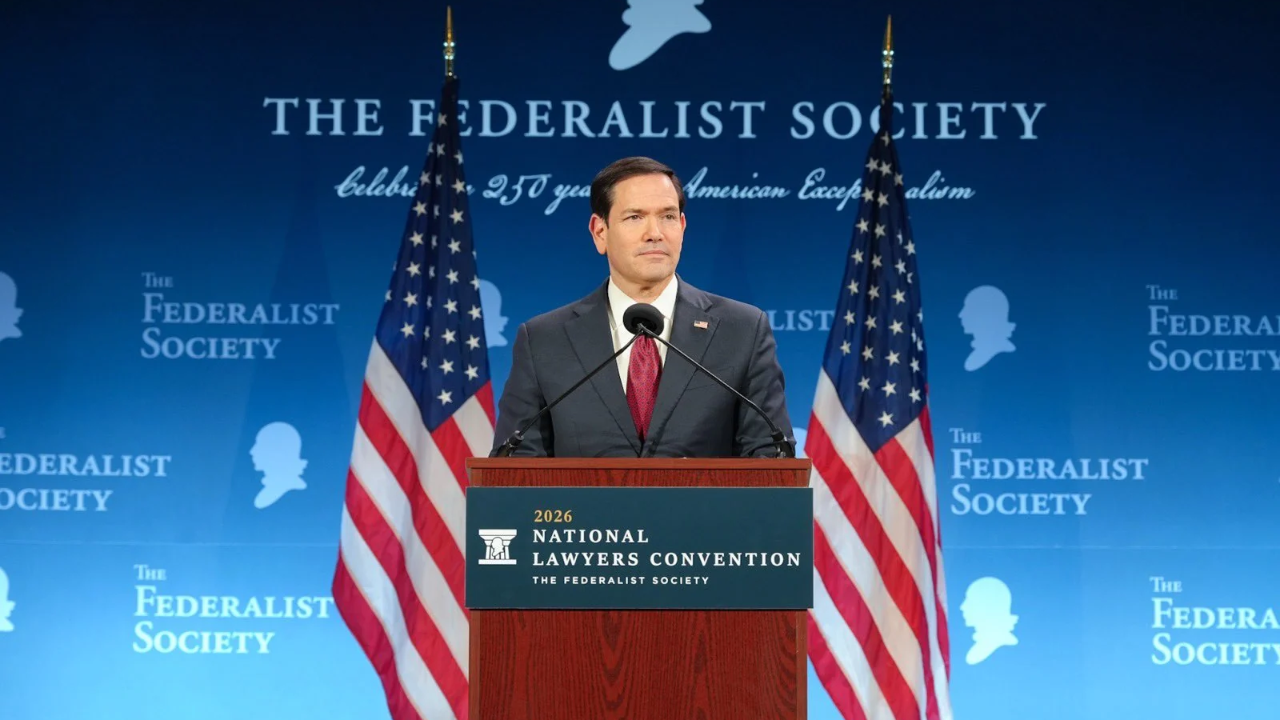
US Secretary of State Marco Rubio accused Iran’s leadership of being a primary driver of conflicts in the Middle East during a speech on Friday. He cited Iran’s support for the Houthis in Yemen, Shia militias in Iraq, forces backing Bashar al-Assad in Syria, and Hezbollah in Lebanon as evidence of its aggressive regional influence. Rubio’s comments came as tensions between the United States, Israel, and Iran escalated, marked by recent joint strikes and ongoing military confrontations across the region.
Written by AI on 2026-11-15, from this article's own text only (the story summary below draws on all the coverage).

AI analysis

Story summary

US State Secretary Marco Rubio blamed Iran's leadership for major conflicts across the Middle East during a speech at the Federalist Society’s National Lawyers Convention in Washington on November 15, 2026. Rubio accused Iran of having an "expansionist mentality" and cited the activities of the Houthis in Yemen, Shia militias in Iraq, forces that supported former Syrian president Bashar al-Assad, and Hezbollah in Lebanon as evidence of Iran's destabilizing influence in the region. He described Iran's influence as an "extraordinary historic danger" that requires urgent attention. This speech comes in the context of escalating tensions between the US, Israel, and Iran, which began in February 2026.

Written for “Marco Rubio Blames Iran For Middle East Conflicts” on 2026-11-16, grounded in this article and the 0 other(s) covering the same event.

Compared with similar articles

This article reads unscored and hedges 9% of its claims. Each row says how that neighbour differs.
Al Jazeera
Leans right Hedges 1 of 3 claims Outlet record 60/100
“Article A discusses Secretary Marco Rubio's speech about Iran's influence in the Middle East, while Article B reports on Iran's deputy foreign minister's warning and a security alert issued by the US Embassy.”

Story

Marco Rubio Blames Iran For Middle East Conflicts
Politics · 1 article(s) covering the same event.
How this article was measured signals, leaning charts, publisher record, byline, topics and claims

Signals How these are calculated →

Claims extracted
11
sentences that state something as happening or true
Uncertain
9%
1 of 11 hedged ("reportedly", "may", "according to")
Leaning
withheld
no quote in the article backed the model's score
Publisher signals
59/100
Times of India's corrections and hedging, across everything collected from it. Not a measure of accuracy.
Outlets on this story
1
Politics
Same framing elsewhere
1
articles that frame the event the way this one does
Analyzed 2026-11-15 · how these are computed

How this is being covered How these are calculated →

Article leaning vs. publisher reliability
Source leaning vs. consistency

Publisher

Times of India · 5037 article(s) · 5 correction(s) detected
Running correction rate · 5 correction(s)

Who wrote this

Gokul Ankari
73 article(s) here · 1 carrying a prediction
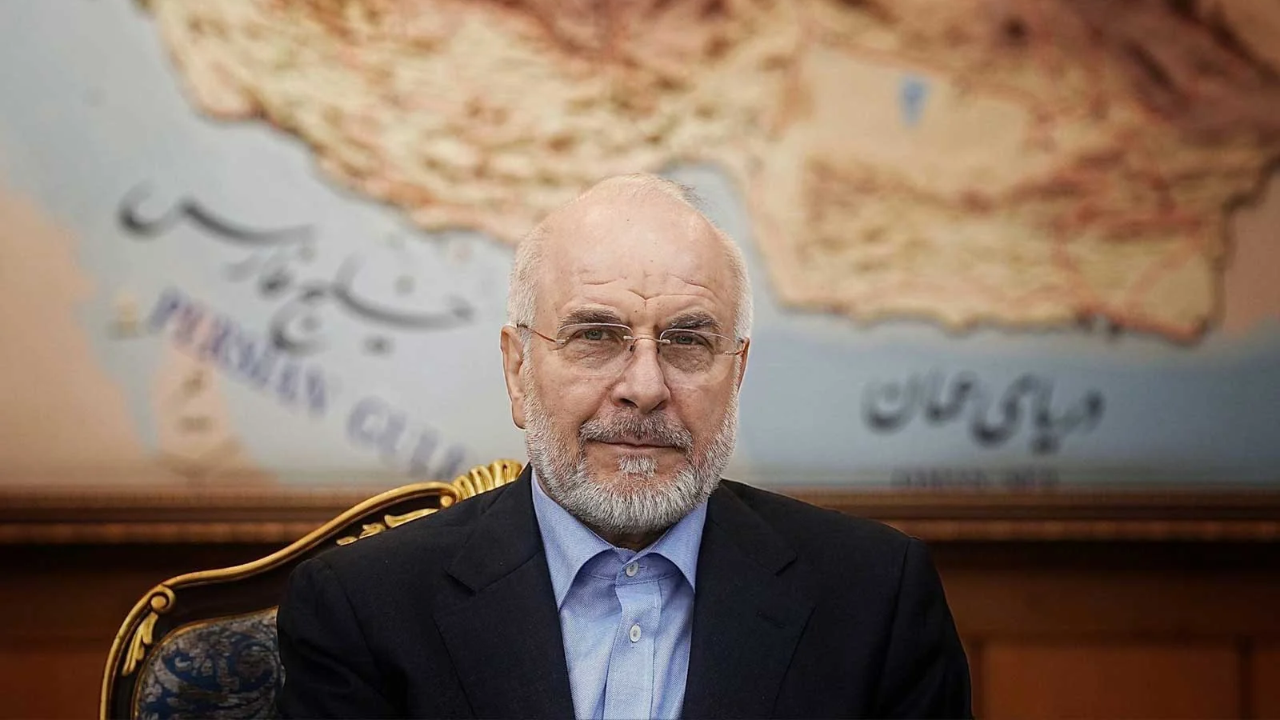
Meanwhile, Iranian Parliament Speaker Mohammad-Baqer Qalibaf has said Tehran will not accept a prolonged situation of “neither war nor peace” with Washington.
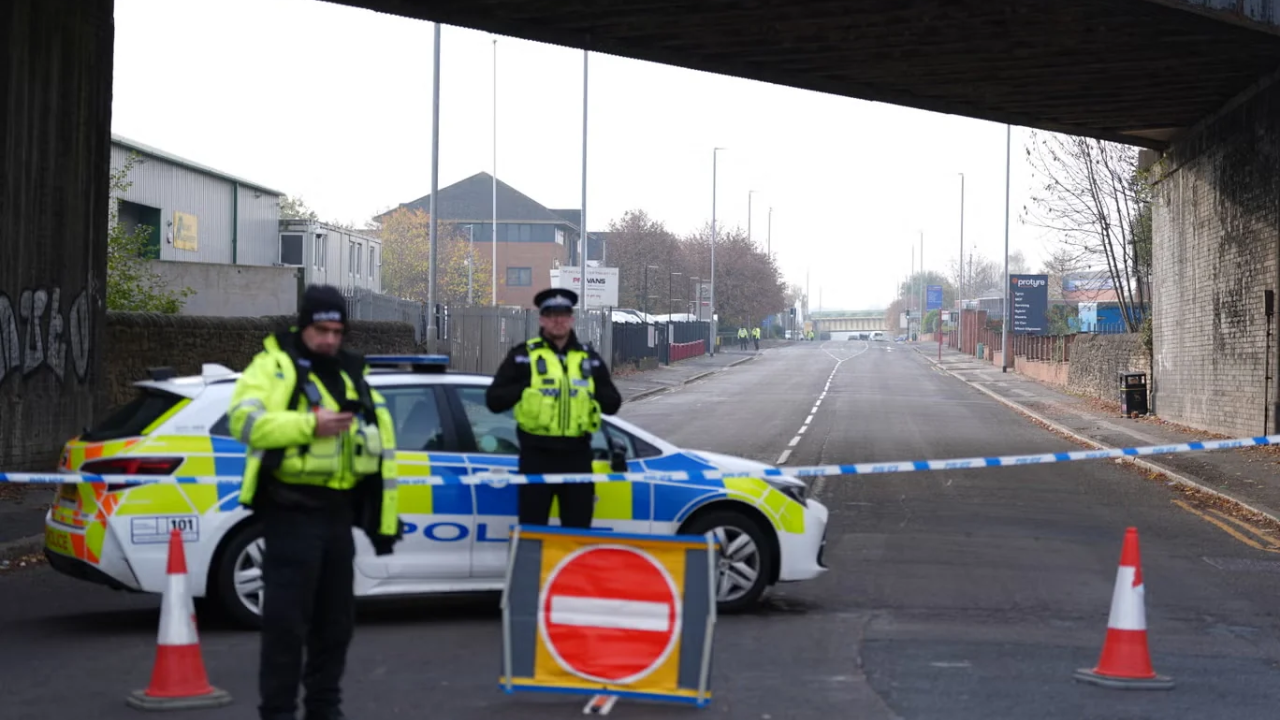
West Yorkshire Police confirmed that the incident had been referred to the Independent Office for Police Conduct (IOPC), which will carry out an independent investigation.
Iranian Parliament Speaker Mohammad-Baqer Qalibaf has said Tehran will not accept a prolonged state of “neither war nor peace” with Washington, adding that an agreement remains possible if the United States accepts seven conditions set by Iran.
The secretary is also set to host a press briefing at 10.30 am ET at the US Department of Transportation headquarters to provide further updates.
New York City Mayor Zohran Mamdani has secured a 90-day extension for small retailers across the US to comply with revised food stocking requirements under the Supplemental Nutrition Assistance Program (SNAP), following discussions with President Donald Trump and Agriculture Secretary Brooke Rollins.
Ottawa, however, is not prepared to accept terms that could weaken its automotive industry, which has faced pressure from US tariffs.
Sheinbaum said a separate group of around 600 migrants moving through the southern state of Chiapas had largely dispersed after being informed that reaching the United States would be "very difficult".
US Senator Tom Cotton has urged the Trump administration to impose tighter restrictions on Chinese memory chip manufacturer ChangXin Memory Technologies (CXMT), arguing that the company's growing presence in the global market could threaten American economic and military interests.
The funding will help Turkey address an estimated $68 billion investment requirement for climate action by 2030, with around half of the amount expected to come from private sources, according to the AIIB.
Former US president Joe Biden has said he would not have pursued a second term in the White House if he had known he was suffering from cancer, while also dismissing the impact of his widely criticised 2024 debate performance against Donald Trump.
Also by Gokul Ankari
Nothing else under this byline is closely related to this article, so these are simply their most recent.
All 73 articles by Gokul Ankari →

Topics

Houthis Iran Iranian Shia Washington

Subjects

Iran GPE · 8× Iranian NORP · 3× Rubio PERSON · 3× Shia NORP · 3× Washington GPE · 3× Houthis NORP · 2× Iraq GPE · 2× Lebanon GPE · 2× Tehran GPE · 2× State PERSON · 1×

Narrative

“Every problem in the Middle East, every major problem in the Middle East – the Houthis attacking Saudi Arabia, the Shia militias that destabilize Iraq, the fighting elements that supported Assad and the destruction of Syria, Hizballah in Lebanon – everywhere you turn, there is one common denominator: the Shia clerics of Iran and their expansionist mentality,” Rubio said.
framing: assertive · carried by 1 article(s) · first seen 2026-11-15
Meanwhile, Iranian Parliament Speaker Mohammad-Baqer Qalibaf has said Tehran will not accept a prolonged situation of “neither war nor peace” with Washington.

Claims (11 extracted, 1 hedged)

US Secretary of State Marco Rubio has accused Iran’s leadership of being a common factor behind major conflicts across the Middle East, describing its regional ambitions as an “extraordinary historic danger” that cannot be ignored. asserted
that → accuse → danger
Speaking at the Federalist Society’s National Lawyers Convention in Washington on Friday, Rubio pointed to the activities of the Houthis in Yemen, Shia militias in Iraq, forces that supported former Syrian president Bashar al-Assad and Hezbollah in Lebanon as examples of Iran’s regional influence. asserted
that → speak → influence
“Every problem in the Middle East, every major problem in the Middle East – the Houthis attacking Saudi Arabia, the Shia militias that destabilize Iraq, the fighting elements that supported Assad and the destruction of Syria, Hizballah in Lebanon – everywhere you turn, there is one common denominator: the Shia clerics of Iran and their expansionist mentality,” Rubio said. asserted
Rubio → attack → Iran
He described Iran’s influence as a threat that required attention, adding: “This is an extraordinary historic danger and one that cannot be ignored.” Rubio’s remarks come amid an expanding confrontation involving the United States, Israel and Iran, which began on February 28 with joint US-Israeli strikes on Iranian targets. asserted
which → describe → targets
The conflict has since extended across the region, with military installations, shipping routes and energy infrastructure among the targets of attacks. asserted
conflict → extend → attacks
Tensions remained high on Sunday after Bahrain said its air defence systems had intercepted several Iranian aerial attacks, while Iran’s Islamic Revolutionary Guard Corps (IRGC) issued claims about its military operations. uncertain
Corps → remain → operations
Meanwhile, Iranian Parliament Speaker Mohammad-Baqer Qalibaf has said Tehran will not accept a prolonged situation of “neither war nor peace” with Washington. asserted
Tehran → say → Washington
Addressing lawmakers on Sunday, he said Iran was open to negotiations if the US accepted seven conditions set by Tehran. “We do not care whether the US chooses the path of negotiations or war. asserted
US → address → negotiations
If it accepts our seven reasonable conditions, the door to an agreement will be open,” Qalibaf said. asserted
Qalibaf → accept → agreement
He also warned Washington against further miscalculations, saying Iran’s armed forces would determine the territorial limits of any future conflict. asserted
forces → warn → conflict
The contrasting statements reflect the positions taken by the two sides as military tensions continue alongside references to the possibility of negotiations. asserted
tensions → contrast → negotiations
Give feedback · no sign-in needed

No sign-in needed for now. Your note is sent without a name, so it cannot be answered.

History Support