That is 0 articles you have read today.
The Aporia is free and carries no advertising, so readers are the only
thing paying for it. If you are getting this much out of it, a small
donation is what keeps it independent.
Daily limit reached
You have read 0 articles today.
That is more than the 15 a day The Aporia gives away,
and well past what it can carry on nothing. Your allowance resets at
midnight.
There is no advertising here and nothing about you is sold, so readers
are the only thing paying for it. If the site is worth this much of
your day, it is worth a few dollars.
Everything else stays open: the
maps, the
directory and
search do
not count against this, and neither does re-opening something you have
already read today.
Fiji has declared an HIV outbreak a national crisis due to a 27% increase in new diagnoses last year, bringing the total number of cases to 2,016 and estimating that one in every 60 adults is now living with HIV. The government reported that 59 infants were born with HIV and 18 died within their first year. UNAIDS noted that only 39% of infected individuals are aware of their status, and just 22% are receiving antiretroviral therapy. In response to the crisis, Fiji plans to expand free testing and preventative measures, including harm-reduction programs for intravenous drug users and medical treatment options.
Written by the local model on 2026-09-17,
using this article's own text rather than the other coverage of the
same event (that is the story summary below).
Story summary
Fiji has declared a national HIV emergency due to a sharp rise in infections. Health Minister Dr. Ratu Atonio Lalabalavu announced the decision on social media, noting that one in every 60 adults is now living with HIV, up from one in 167 five years ago. In 2025 alone, 2,060 new cases were diagnosed. The surge has also affected newborns; 59 infants were born with HIV last year, and 18 died before their first birthday.
Fiji's cabinet decided to declare the emergency on September 9th. The country plans to introduce a needle and syringe program to curb drug-related infections and expand access to testing, prevention, and treatment services. UNAIDS reports that new HIV infections in Fiji increased by 12-fold between 2010 and 2025, making it one of the steepest rises globally.
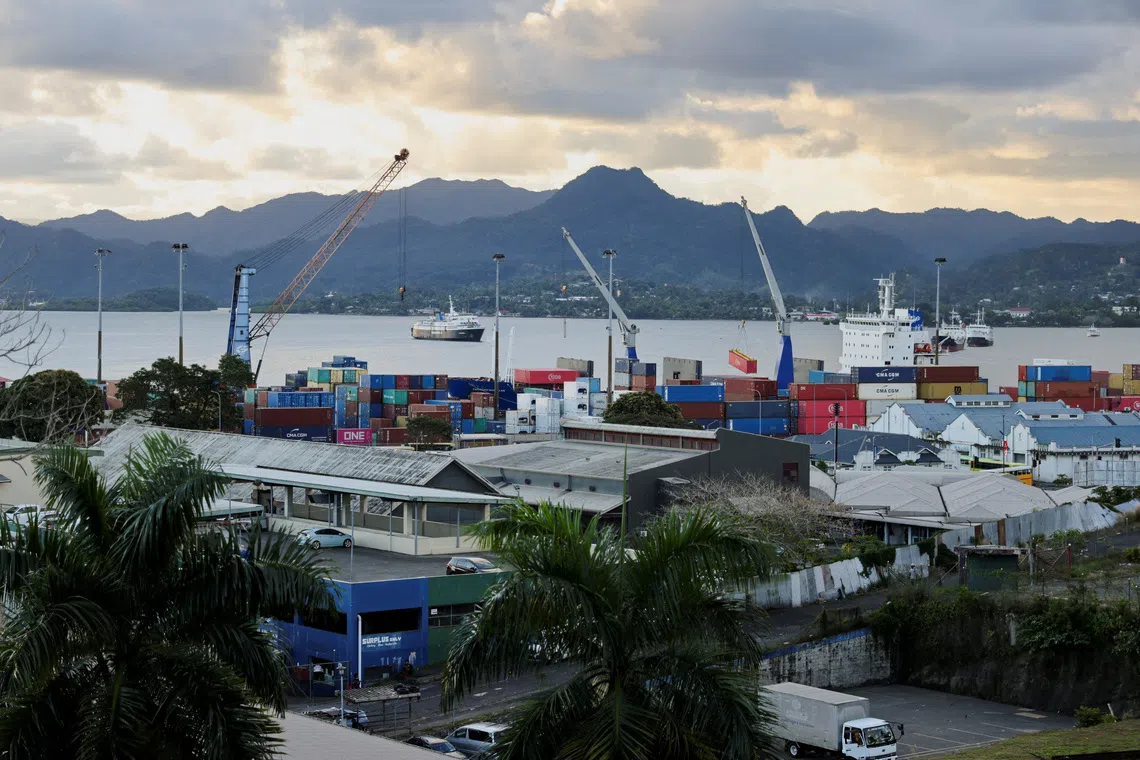
The nation's vulnerability as a regional hub for business, tourism, and transport means unchecked spread could affect other South Pacific countries. Officials stress that discrimination against those with HIV is illegal and care remains accessible nationwide.
Written for “Fiji HIV Emergency” on 2026-09-17,
grounded in this article and the 3 other(s) covering the same event.
Why this leaning score
This article does not take a side on a contested political
question, so it has no leaning score. That is an
answer rather than a gap: a match report or a rescue can be warmly
or critically written without being left or right, and scoring it
anyway is how approval of a subject gets recorded as a political
position.
No political leaning scored for article 15223 · logged 2026-09-17
Fiji declared HIV a national crisis following a 27 per cent surge in new diagnoses last year, raising fears that an outbreak previously concentrated among people injecting drugs was spreading broader across the Pacific nation.
asserted
outbreak → declare → nation
In a statement published on Facebook, the government revealed that 2,016 individuals were diagnosed with HIV in 2025, estimating that one in every 60 adults was now living with the infection.
asserted
one → publish → infection
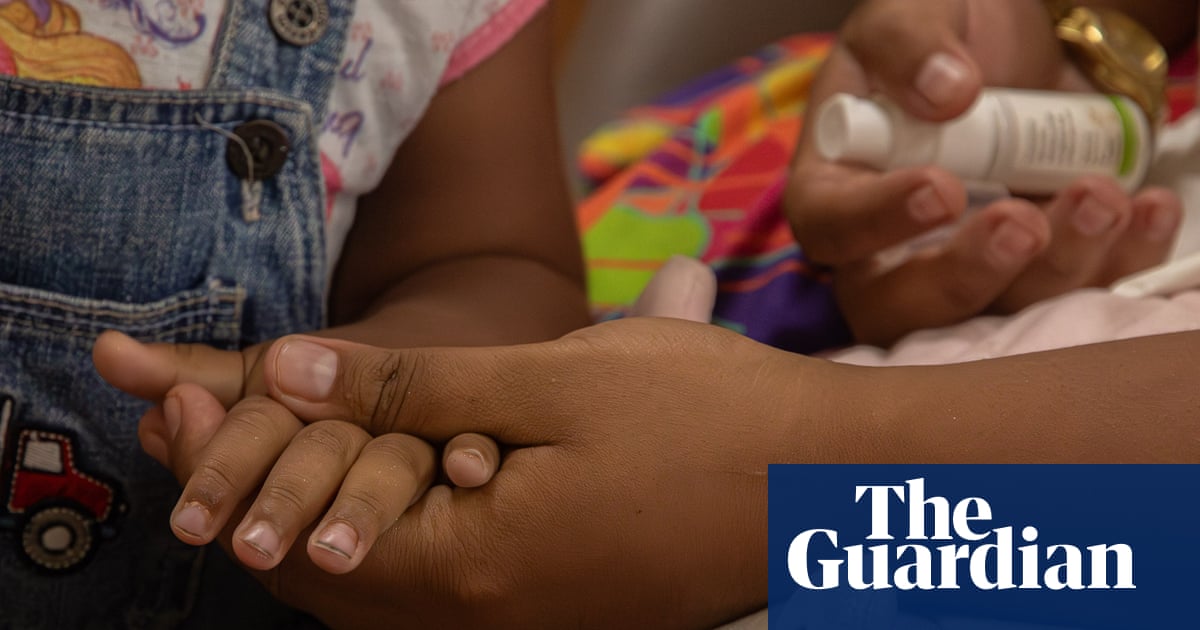
The announcement noted that 59 infants were born with HIV last year, with 18 dying before reaching their first birthday.
asserted
18 → note → birthday
Officials stated that increased testing capabilities had exposed previously undetected cases, allowing patients to access earlier care.
asserted
patients → state → care
In response, authorities intend to expand free, voluntary, and confidential testing, along with preventative medications, harm-reduction initiatives for intravenous drug users and medical treatment.
asserted
authorities → intend → users
According to UNAIDS, the nation of 900,000 people is facing one of the steepest global increases in new HIV infections.
uncertain
nation → accord → infections
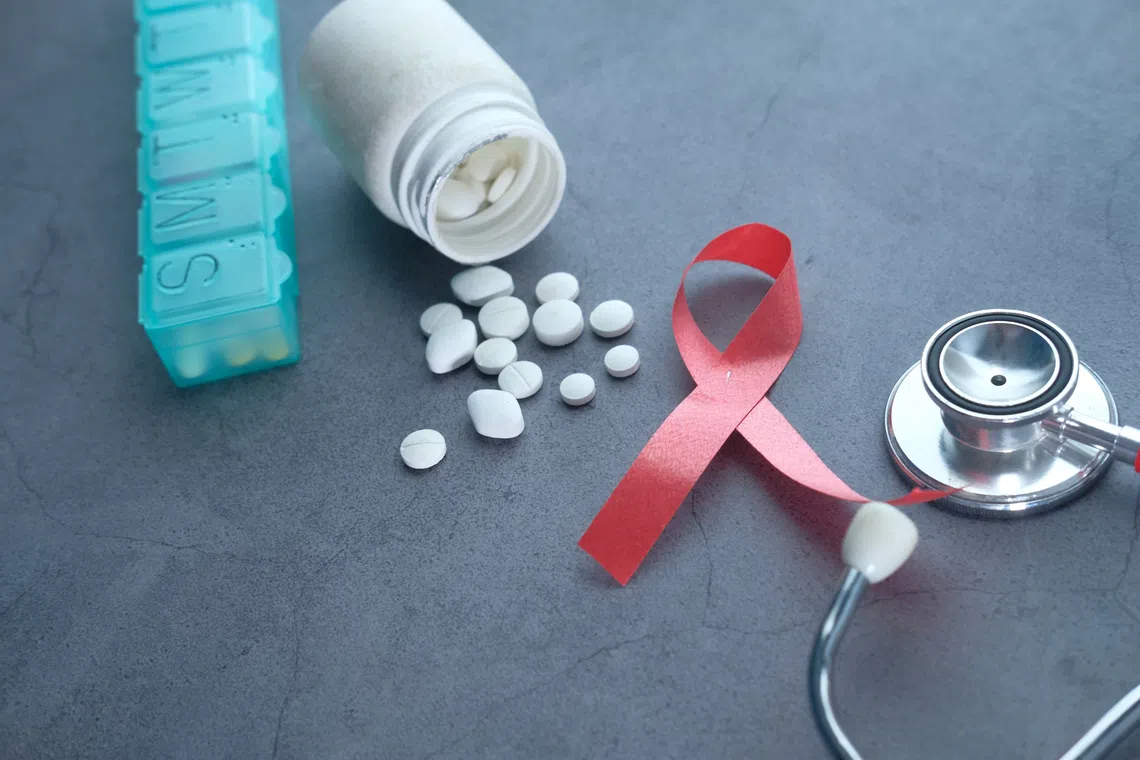
The agency estimated that 9,100 Fijians were living with the virus last year, yet only 39 per cent were aware of their status and merely 22 per cent were undergoing antiretroviral therapy.
asserted
cent → estimate → therapy
"Fiji has recognised the urgency of the moment and is stepping up its response," UNAIDS executive director Winnie Byanyima said.
asserted
Byanyima → recognise → response
For cases where the mode of transmission was identified, UNAIDS noted that sexual contact accounted for over half, while injecting drugs represented more than 42 per cent.
asserted
injecting → identify → cent
The agency praised official plans to launch a needle-and-syringe programme and broaden availability of pre-exposure prophylaxis, a medication used to lower the risk of contracting HIV.
asserted
agency → praise → HIV
The government recently established a five-minister cabinet subcommittee to remove barriers to action, while officials reiterated that discriminating against anybody with HIV was illegal and care remained accessible nationwide.
asserted
care → establish → HIV
Although severe, Fiji's rate of one in 60 adults living with HIV remains lower than some regions of Africa, where close to one in 35 adults carries the virus, according to WHO data.
uncertain
adults → live → data
 The Aporia