Kratom and 7-OH can feel like 'a miracle.'
asserted
Kratom → feel → miracle
Tyler's opioid addiction began in his early 20s, and when he decided he wanted to quit, he used kratom leaf powders to help ease withdrawal symptoms.
asserted
he → begin → symptoms
Tyler, now 38, told NPR he thinks kratom helped him stop using opioids for a decade.
asserted
him → tell → decade
Tyler asked NPR to use only his first name because of the stigma attached to his history with drug use and addiction.
asserted
Tyler → ask → use
In early 2025, he saw a new product at a gas station called 7-OH.
asserted
he → see → station
He hadn't heard of 7-OH, but said the tablets were advertised as "kratom products."
asserted
tablets → hear → products
He decided to try them, since the kratom powders he'd taken in the past "can be hard on your stomach," he said.
asserted
he → decide → stomach
At first, 7-OH gave him a feeling of euphoria he described as similar to opioids, which "felt like a kind of a miracle," he said.
asserted
he → give → miracle
Nearly a year and a half later, he was in a rapid detox program in Michigan, where he was sedated to sleep through the withdrawals he experienced when he tried to stop taking it.
asserted
he → sedate → it
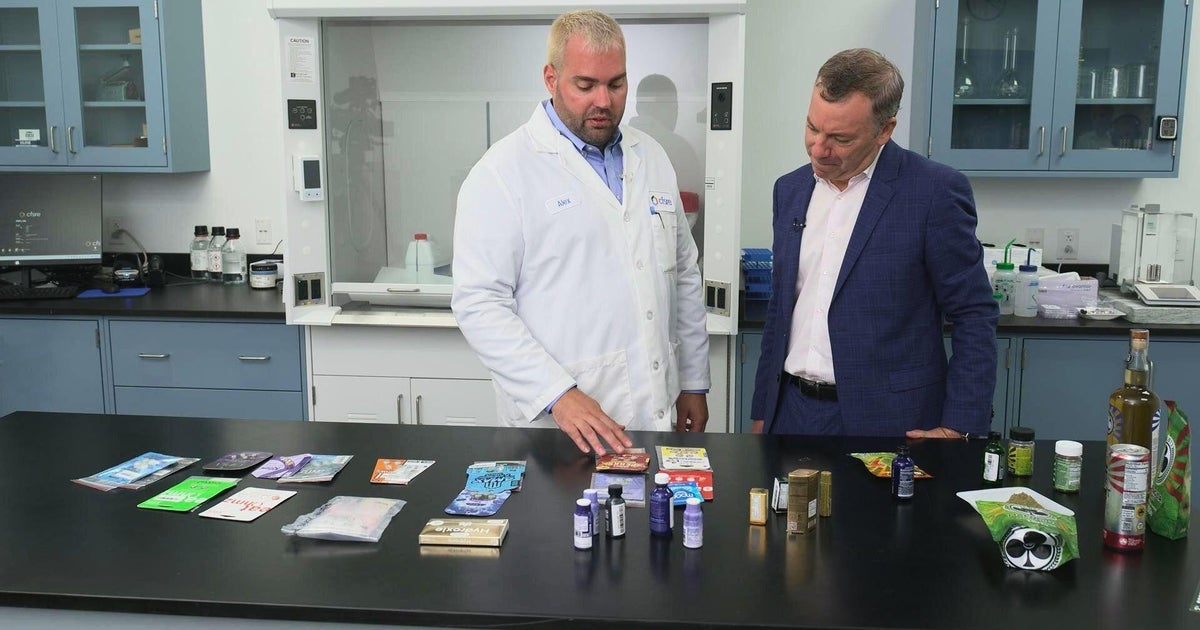
In the past few years, highly concentrated products with 7-OH — sometimes alongside other semi-synthetic opioids — have popped up online, and at many smoke shops, liquor stores and gas stations.
asserted
products → pop → shops
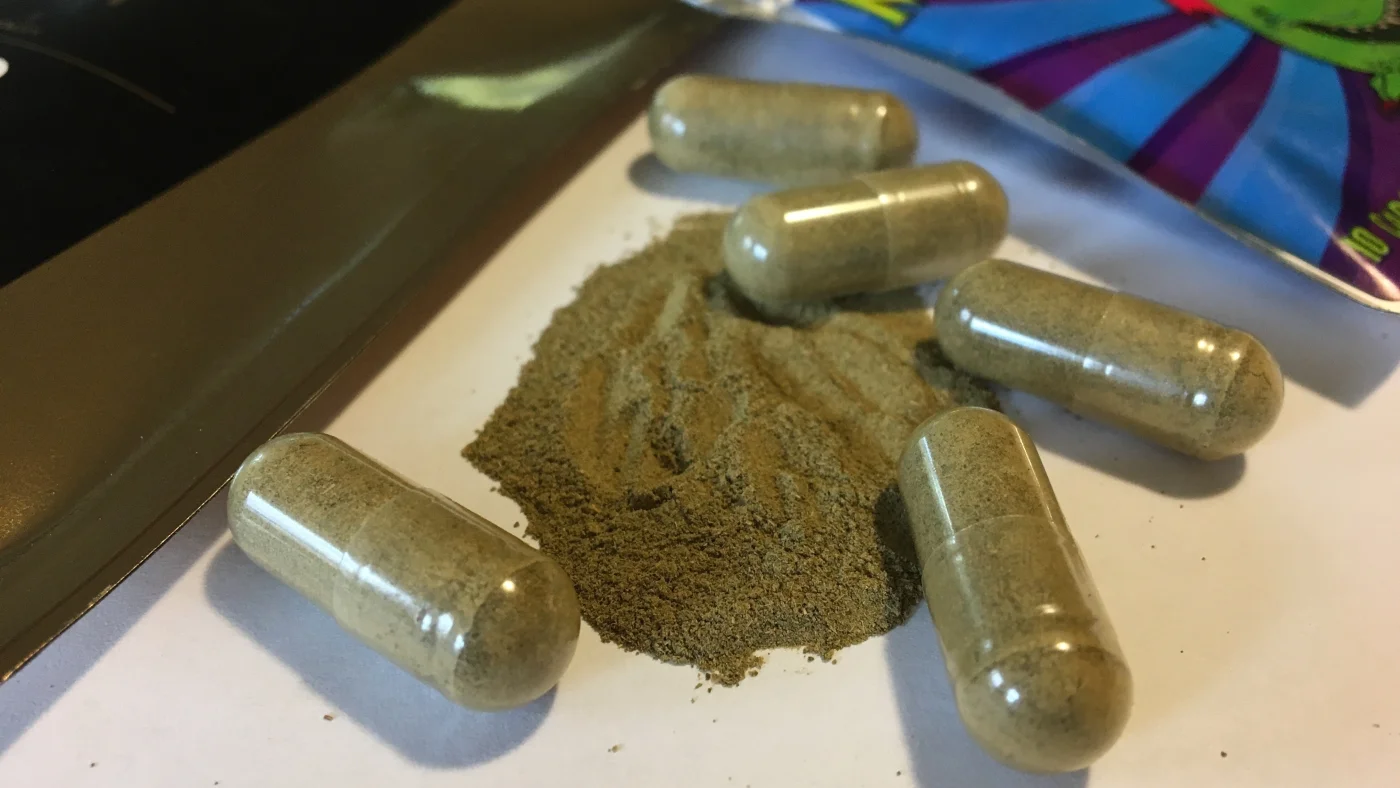
They can come in the form of tablets, gummies, tonics and chocolate.
asserted
They → come → tablets
7-OH, or 7-hydroxymitragynine, is one of the major psychoactive ingredients in kratom, which comes from a tree in the coffee family.
asserted
which → come → family
It's naturally found in kratom in very small amounts, and seems to act more like an opioid in the human brain than kratom leaf products.
asserted
It → find → products
Kratom is used by some people with opioid addiction to maintain long-term recovery.
asserted
Kratom → use → recovery
Some people say it makes them feel energized or focused.
asserted
them → say → ?
Others describe the effects of kratom like those of opioids, and say it can relieve pain, feel calming or even create euphoria.
"More potent than I imagined"
Some users of 7-OH and kratom show classic signs of addiction, researchers and policy officials say.
asserted
researchers → describe → addiction
But the products are not always clearly labeled, so it's difficult or impossible for users to know what quantity of the substances they are consuming.
asserted
they → label → substances
"I did not know at all what I was in for.
asserted
I → know → what
It was much more potent than I had imagined," Tyler said.
asserted
Tyler → imagine → ?
Estimates of how many people use kratom and 7-OH in the U.S. are wide-ranging.
asserted
people → use → U.S.
Some suggest over 5 million people have used kratom in their lifetime.
asserted
people → suggest → lifetime
David Epstein, a senior investigator at the National Institute on Drug Abuse (NIDA) Intramural Research Program, says he's seen estimates of kratom use as high as 15 million.
asserted
estimates → say → million
Those estimates don't usually distinguish between whole leaf kratom, 7-OH or other related products.
asserted
estimates → distinguish → kratom
In the last decade, the U.S. government has attempted to restrict both kratom and 7-OH products, but strong opposition to those moves by the public and powerful advocacy groups backing the substances have kept them federally legal.
asserted
opposition → attempt → them
That's started to change in the last few months.
asserted
That → start → months
A federal crackdown is likely on the way
No federal actions have been taken against "traditional botanical kratom," but a new federal restriction on some 7-OH products could go into place as early as Friday, Nov. 13, 2026.
uncertain
restriction → take → Friday
In August, the Drug Enforcement Administration (DEA) restricted the making and sale of three semi-synthetic opioids derived from 7-OH and other related compounds: MGM-15, MGM-16 and mitragynine pseudoindoxyl (MGPI).
asserted
Administration → restrict → OH
Those compounds were listed under the Controlled Substances Act alongside the most highly restricted drugs, like heroin and LSD.
asserted
compounds → list → heroin
That caused backlash from kratom advocates who worried the rule would affect products with "trace amounts" of the semi-synthetic opioid, MGPI.
asserted
rule → cause → opioid
One kratom advocacy organization, the American Kratom Association, filed a federal lawsuit on Aug. 26 against the DEA.
asserted
organization → file → DEA
It asked the DEA to ensure natural kratom products with traces of MGPI would remain legal.
asserted
products → ask → MGPI
The U.S. Department of Health and Human Services (HHS) then issued a new recommendation on 7-OH and MGPI on Oct. 9, and the DEA changed its course.
asserted
DEA → issue → course
They now plan to restrict a narrower range of 7-OH and MGPI products: ones that contain higher concentrations of 7-OH and/or MGPI.
asserted
that → plan → OH
HHS and the DEA say they are not focusing on natural kratom products.
asserted
they → say → products
The research on kratom and 7-OH
Many people who oppose the restriction say kratom and 7-OH products have kept them away from traditional opioids, and helped them manage chronic pain, mood and mental health.
asserted
them → oppose → pain
Some also point to the fact that opioid deaths in the U.S. are decreasing.
asserted
deaths → point → U.S.
In 2023 alone, a KFF report found there were over 79,000 opioid deaths, and in 2024 there were 54,000.
asserted
report → find → 2024
A recent report of data from 53 U.S. poison control centers shows reports of calls related to kratom increased about 1,200% between 2015 and 2025.
asserted
reports → show → 2015
He said he and the other authors "were a bit stunned" by those findings, which do not distinguish between kratom or products like 7-OH.
asserted
which → say → OH
The report included 233 deaths associated with kratom during 2015–2025, with 79% of those deaths involving multiple substances.
asserted
% → include → substances
…and 56 more, not listed.
 The Aporia