As a marine ecologist and keen scuba diver, I’ve long been fascinated by what happens when a large structure is introduced to the sea.
asserted
structure → fascinate → sea
Within hours, microscopic organisms begin colonising its surfaces, forming a thin biological layer.
asserted
organisms → begin → layer
Over the following months and years, barnacles, mussels, sponges and other marine life become established, creating a new habitat that attracts fish and a diverse range of species.
asserted
that → follow → species
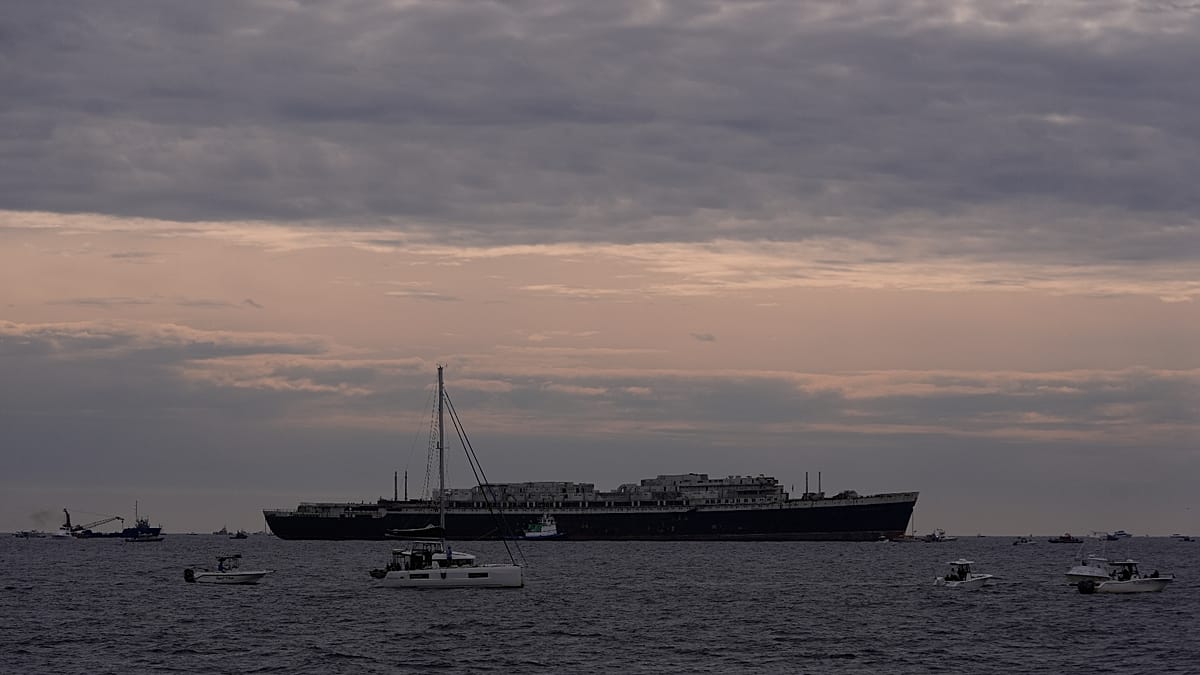
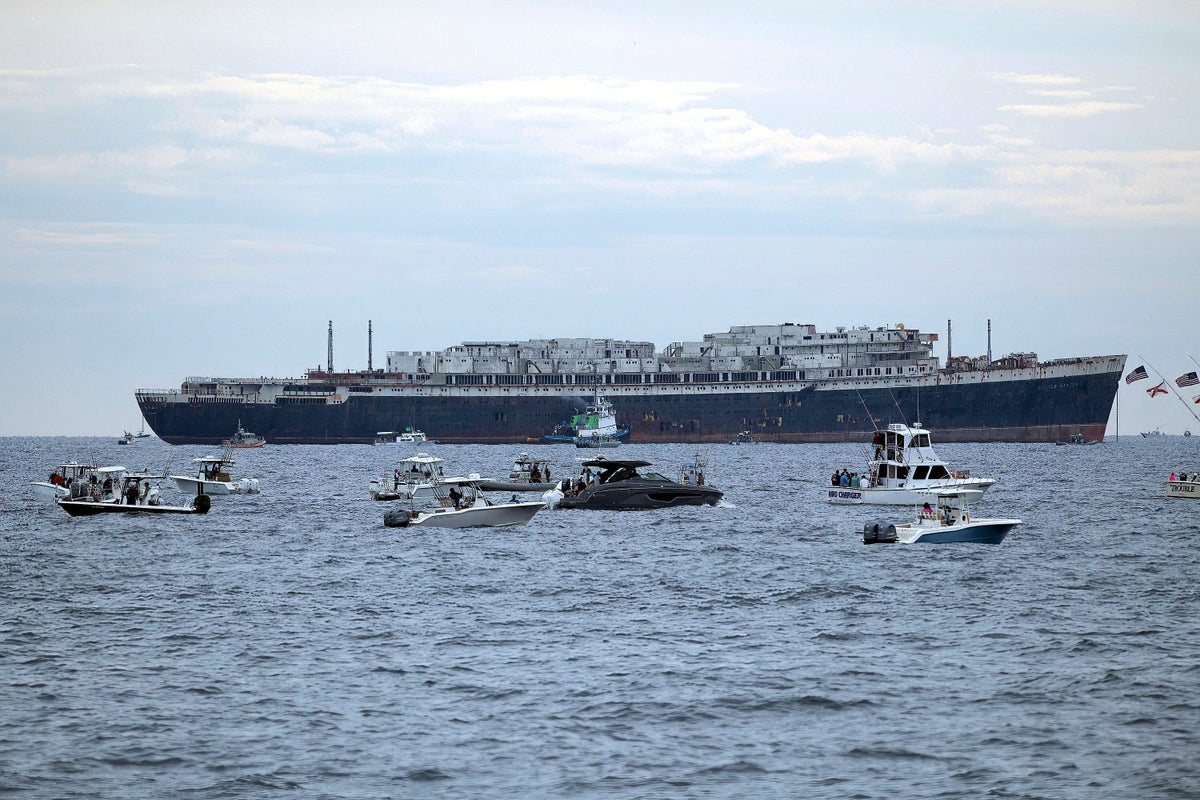
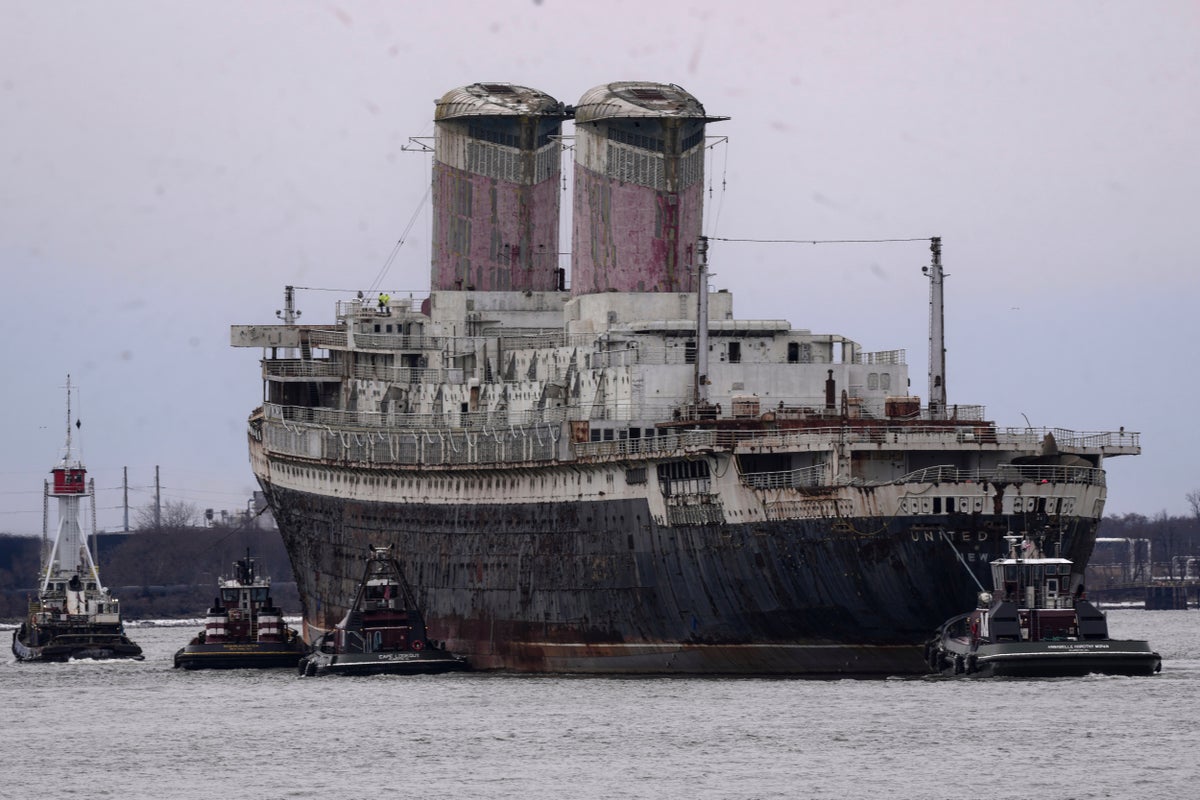
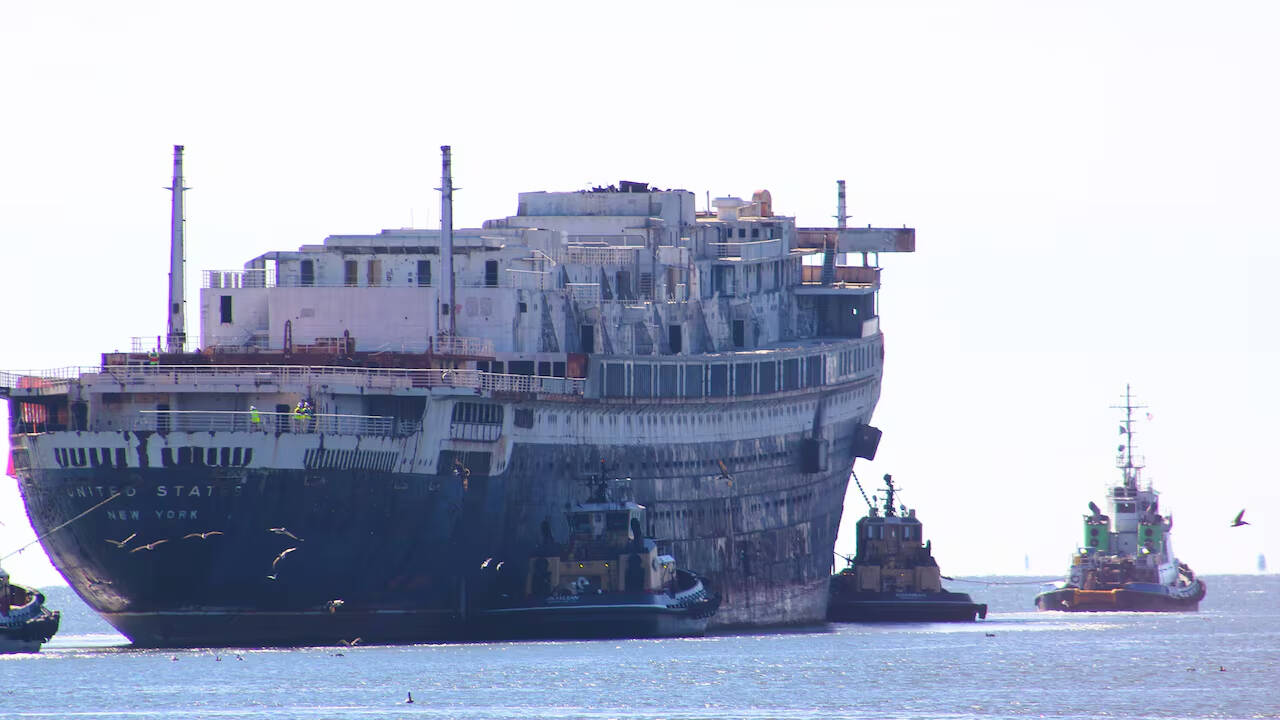
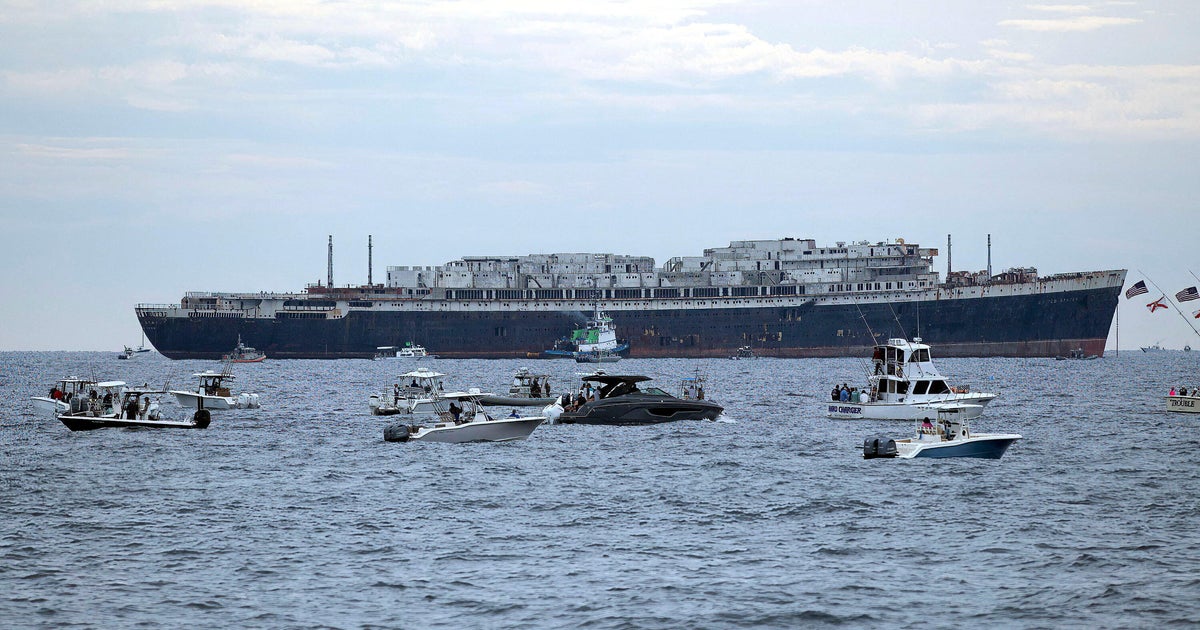
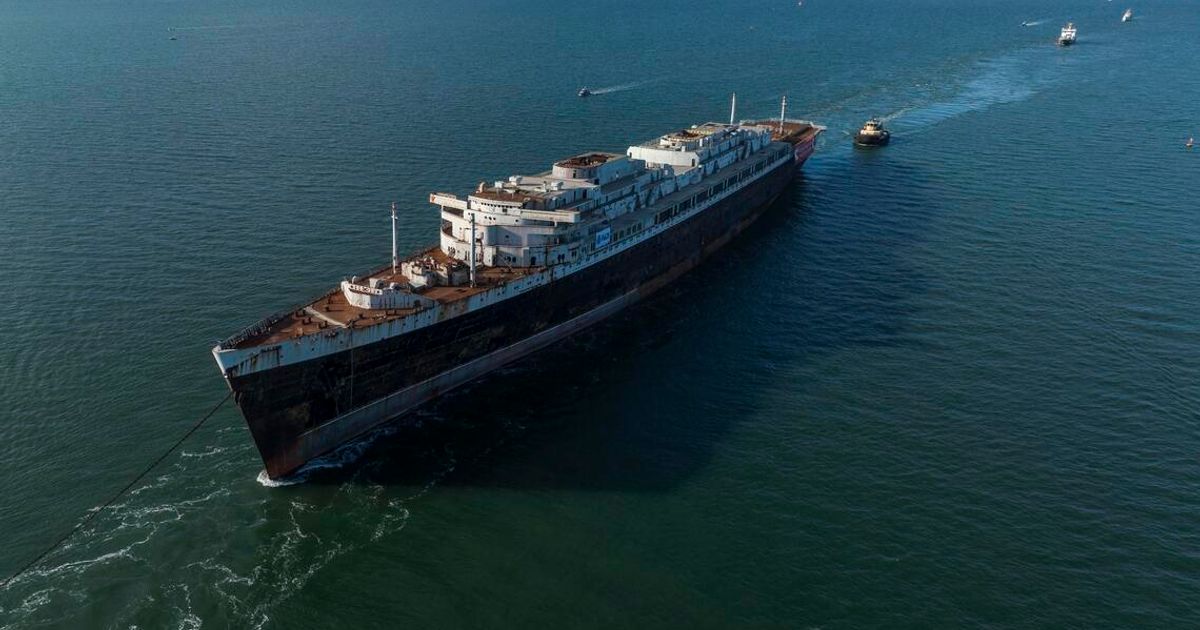
This week, one of the world’s most famous ocean liners, the SS United States, was sunk off the coast of Florida.
asserted
one → sink → Florida
At 302 metres long, it has become the world’s largest artificial reef.
asserted
it → become → metres
It is a very exciting prospect to one day dive on such a giant, and to see how it changes as marine life makes it home.
asserted
it → dive → giant
The SS United States was built as a luxury ocean liner, and its maiden voyage in 1952 captured the coveted Blue Riband by crossing the Atlantic in only three days and ten hours – a passenger liner record that remains unbroken.
asserted
that → build → record
As the years went by, commercial jetliners superseded transatlantic sea travel, and the vessel was retired and neglected for decades.
asserted
vessel → go → decades
Rather than facing the ignominy of a breaker’s yard, the legendary ship was bought by Okaloosa County, Florida, to turn it into a diving attraction.
asserted
ship → face → attraction
The SS United States is a particularly enormous structure to introduce to the seabed – longer even than the Titanic.
asserted
States → introduce → Titanic
It will rest in around 55 metres of water, with its upper sections rising to within about 17 metres of the surface.
asserted
sections → rest → surface
This will create habitats at different depths, making it an unusually varied site for both wildlife and divers of different abilities.
asserted
it → create → abilities
It will also eclipse the nearby 275-metre aircraft carrier USS Oriskany, deliberately sunk in 2006, to become the largest artificial reef on Earth.
asserted
It → eclipse → Earth
So what do we expect to happen?
asserted
we → expect → what
Here’s a suggested ecological succession pattern, month-by-month.
uncertain
pattern → ’ → month
First, microorganisms arrive
The first organisms to colonise the SS United States will be almost invisible.
asserted
organisms → arrive → States
Within hours of immersion, marine bacteria and microalgae will begin attaching themselves to its cleaned metal surfaces, forming a thin layer of “biofilm”.
asserted
bacteria → begin → biofilm
As the biofilm develops, it releases chemical cues that help drifting larvae recognise the surface as a suitable place to settle.
asserted
larvae → develop → place
Carried by Gulf currents, these tiny organisms begin attaching themselves to the structure.
asserted
organisms → carry → structure
By the end of the first three months, a variety of small animals and algae will have established themselves on the hull, beginning the transformation of bare metal into a living reef.
asserted
variety → establish → reef
Then the ship becomes covered in marine life
As the biofilm matures, larger organisms arrive to feed on it.
asserted
organisms → cover → it
These include more mobile invertebrates like sea urchins and porcelain crabs, and filter-feeders like oysters and mussels which attach themselves to vertical walls where the currents tend to send the most nutrients their way.
asserted
currents → include → nutrients
Fish and larger predators move in
By the end of the first year, hard corals will begin to establish themselves permanently.
asserted
corals → move → themselves
The transformation will still be in its early stages, but over the next five to ten years the hull will become increasingly encrusted with corals, sponges and other marine life.
asserted
hull → become → corals
At some point, casual divers will no longer see a ship covered in coral, but a coral-covered reef that happens to contain a ship.
asserted
that → see → ship
As the reef develops, fish will be attracted by the shelter and the growing supply of food.
asserted
fish → develop → food
Smaller fish will begin to find refuge to evade open-water predators.
asserted
fish → begin → predators
Snappers and groupers are among the medium-sized reef fish that will begin to take up permanent residency around the wreck, using the long internal corridors for protection.
asserted
that → begin → protection
Larger predators, including barracuda, king mackerel and sharks, could also patrol its decks and upper sections.
uncertain
predators → include → decks
The ship’s enormous size and varied structure will offer a range of habitats, from sheltered spaces for smaller fish to exposed areas where larger, free-swimming species can hunt.
asserted
species → offer → areas
Over time, these interactions could create a complex food web, turning the wreck into a significant biological hotspot.
uncertain
interactions → create → hotspot
A common misconception is that artificial reefs simply concentrate fish that were already present, leaving surrounding waters poorer.
asserted
that → concentrate → waters
In reality, while some fish are attracted from elsewhere, a large reef structure also creates vast amounts of new habitat and food.
asserted
structure → attract → habitat
As corals, sponges, barnacles and other reef builders colonise the wreck, they create food and shelter that did not previously exist, allowing the ecosystem to support more life overall.
asserted
ecosystem → colonise → life
The result is generally not an underwater crowd gathered around a ship, but a gradual increase in the total amount of marine life the area can support.
asserted
area → gather → life
Another widespread misconception is that marine scientists “seed” artificial reefs with organisms or their larvae.
asserted
scientists → seed → organisms
In reality, colonisation happens naturally: the Gulf of Mexico already harbours an abundant pool of drifting larvae and migratory fish.
asserted
Gulf → happen → larvae
Artificially introducing marine life is unnecessary and risks introducing non-native species or pathogens.
asserted
introducing → introduce → species
Instead, human engineering is largely about preparing the ship for sinking.
asserted
engineering → prepare → sinking
This includes removing hazards such as oil, asbestos and loose wires, and sealing off parts of the vessel to prevent divers getting disorientated or lost in silt-outs deep in the hull.
asserted
divers → include → hull
…and 3 more, not listed.

 The Aporia