Senate and House Democrats haven’t taken back the gavels yet, but they’re already talking serious trash.
asserted
they → take → trash
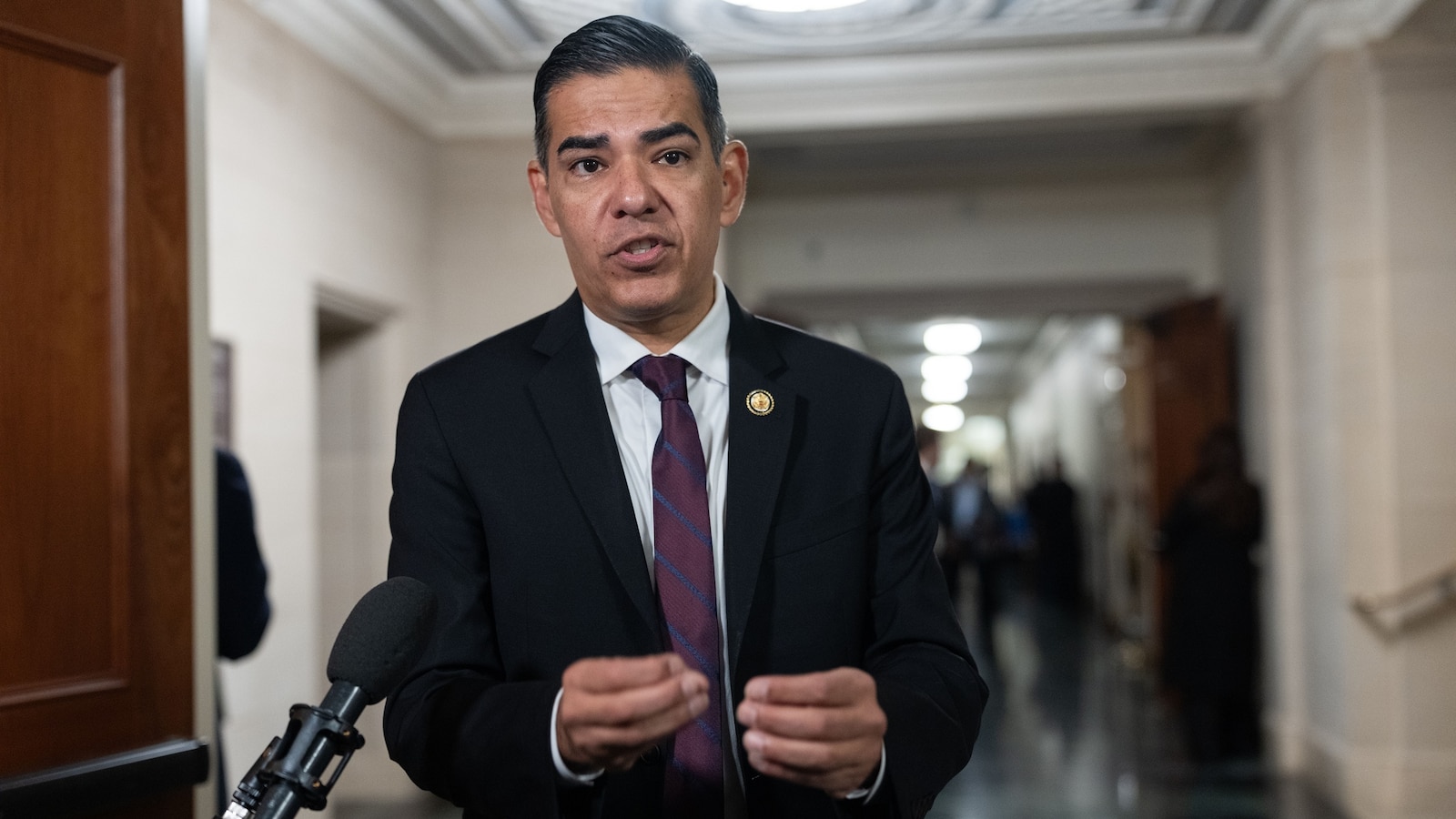
“Lawyer up,” incoming House Oversight Committee Chair Robert Garcia (D-Calif.) warned President Donald Trump and his aides on election night.
asserted
Garcia → warn → night
Rep. Analilia Mejia (D-NJ) dialed it up even further: “We’re going to toss out subpoenas like Mardi Gras beads.”
Keep it classy, Analilia.
asserted
We → dial → it
On the campaign trail before the electoral bloodbath, Democrats purported to prioritize affordability and cost-of-living issues.
asserted
Democrats → purport → living
The joke’s on us, it seems.
asserted
it → ’ → us
The mask is slipping and the truth is coming out: All Democrats really seek to do with their incoming congressional majorities is to wreak as much havoc on the Trump administration as possible.
asserted
seek → slip → administration
They’ve barely even deigned to offer a reason for doing so.
asserted
They → deign → reason
To be sure, corruption is a real concern; congressional Republicans risk obstructing investigations on such grounds at their peril.
But the occasional mention of corruption aside, Democrats just want to make the administration’s life hell for the sake of making it hell.
asserted
it → risk → sake
The Constitution would like a word, and White House Counsel Will Scharf is here to offer it.
asserted
Scharf → like → it
In a tour-de-force missive to Garcia, Scharf argued, “Congressional investigations must further a legitimate legislative task.”
asserted
investigations → argue → task
Failure to identify such a legitimate legislative end, Scharf warned, “represents a clear abuse of power and an affront to our constitutional system of government.”
asserted
Scharf → identify → government
Democrats can prattle for the cameras all they’d like.
asserted
they → prattle → all
Let’s go back to basics.
asserted
’s → go → basics
“The powers delegated by the proposed Constitution to the federal government are few and defined,” James Madison explained in The Federalist No. 45.
asserted
Madison → delegate → .
The executive branch has two primary defined powers: the executive power and the commander-in-chief power.
asserted
branch → have → chief
The former is the law enforcement power — to “take Care that the Laws be faithfully executed.”
asserted
Laws → take → Care
And the latter is the power to control the US military, subject to congressional appropriations.
asserted
latter → control → appropriations
Congress has even more carefully circumscribed powers than the executive branch.
asserted
Congress → have → branch
It has 18 specific enumerated powers, found in Article I, Section 8 of the Constitution.
asserted
It → have → Constitution
True, the final enumeration accords Congress the power to “make all laws which shall be necessary and proper for carrying into execution the foregoing powers.”
asserted
which → accord → powers
Historically, some have taken an expansive view of this clause.
asserted
some → take → clause
But that expansiveness has limits.
asserted
expansiveness → have → limits
Chief Justice John Marshall, in one of the most-quoted lines in Supreme Court history, wrote in 1819: “Let the end be legitimate, let it be within the scope of the Constitution, and all means which are appropriate . . . are Constitutional.”
asserted
which → quote → Constitution
The most important point is the first five words: “Let the end be legitimate.”
asserted
end → let → ?
Tossing out subpoenas “like Mardi Gras beads” might be necessary and proper for boosting Democratic National Committee fundraising or MS Now ratings — but it isn’t necessary and proper to what Congress is actually supposed to do: Write the nation’s laws.
uncertain
Congress → toss → laws
It’s a quaint idea.
asserted
It → ’ → ?
Maybe if Democrats hadn’t been engaged in a century-plus-long effort to denude Congress and delegate lawmaking powers to the administrative state, going back to the Woodrow Wilson presidency, they’d understand the point.
asserted
they → engage → point
The two political branches are supposed to be rivals.
asserted
branches → suppose → ?
They are supposed to be zealous defenders of their own legitimate constitutional spheres.
asserted
They → suppose → spheres
This is the purpose of the separation of powers: To divide power, and thereby protect liberty, in a republic where we are governed by fallible human beings.
asserted
we → divide → beings
But there also exists a necessary level of baseline comity, without which the entire edifice collapses.
asserted
edifice → exist → which
Simply put, zealously guarding one’s constitutional turf does not require being a jerk.
asserted
guarding → put → turf
Historically, courts and Justice Departments have referred to the inevitable give-and-take that follows when Congress subpoenas executive branch testimony or document production as the “accommodation process.”
asserted
Congress → refer → process
As a 1977 DC Circuit opinion put it, where there is such a conflict between the political branches, “a spirit of dynamic compromise” should “promote resolution of the dispute in the manner most likely to result in efficient and effective” governance.
asserted
spirit → put → governance
But “dynamic compromise” requires all actors to operate in something at least resembling good faith.
asserted
compromise → require → faith
That means Senate and House Democrats must focus on their actual constitutional job: legislating in the name of the common good.
asserted
Democrats → mean → good
They just won an election claiming to care about the economy.
asserted
They → win → economy
They’re about to wield real power.
asserted
They → wield → power
Maybe they can actually try to help ordinary Americans.
asserted
they → try → Americans
After all, the Framers gave Congress a Commerce Clause.
asserted
Framers → give → Clause
…and 1 more, not listed.

 The Aporia