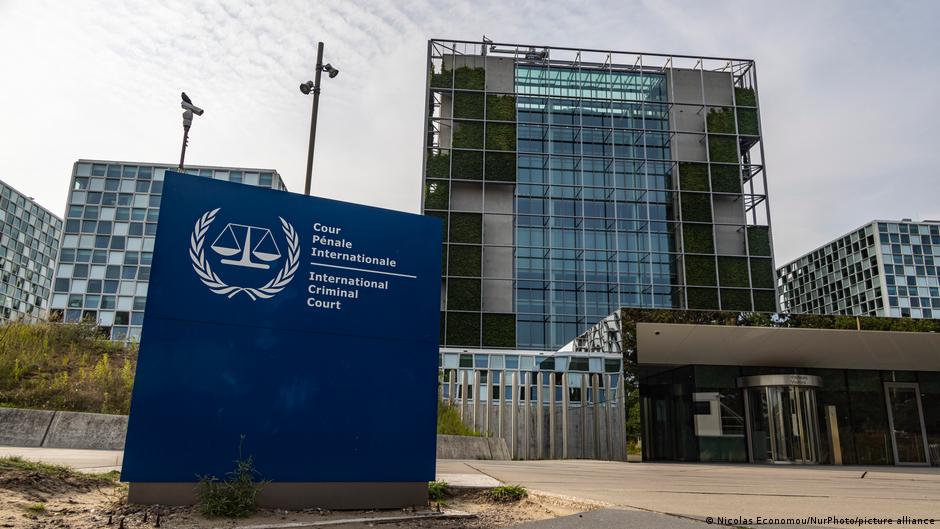
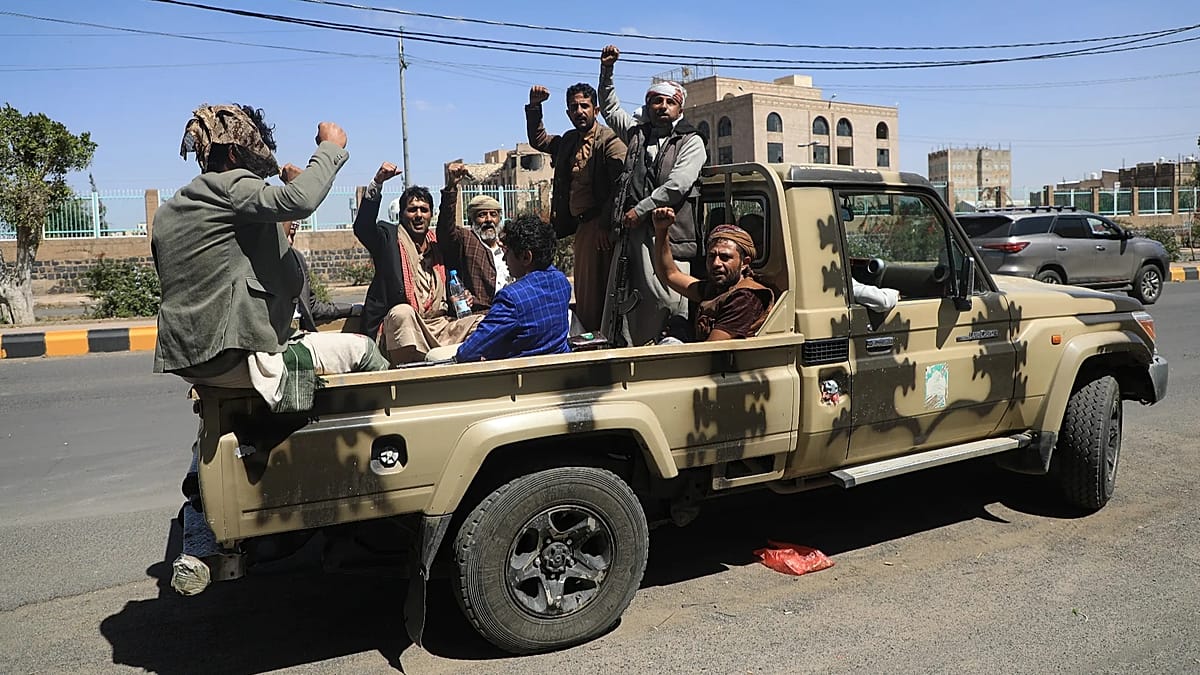
ICC judges reportedly ordered prosecutors to open a standalone investigation into Taliban persecution of women, separating it from the probe that also covered alleged US crimes in Afghanistan.
uncertain
that → order → Afghanistan
Afghan rights advocates warned the split risked undermining comprehensive justice.
asserted
split → warn → justice
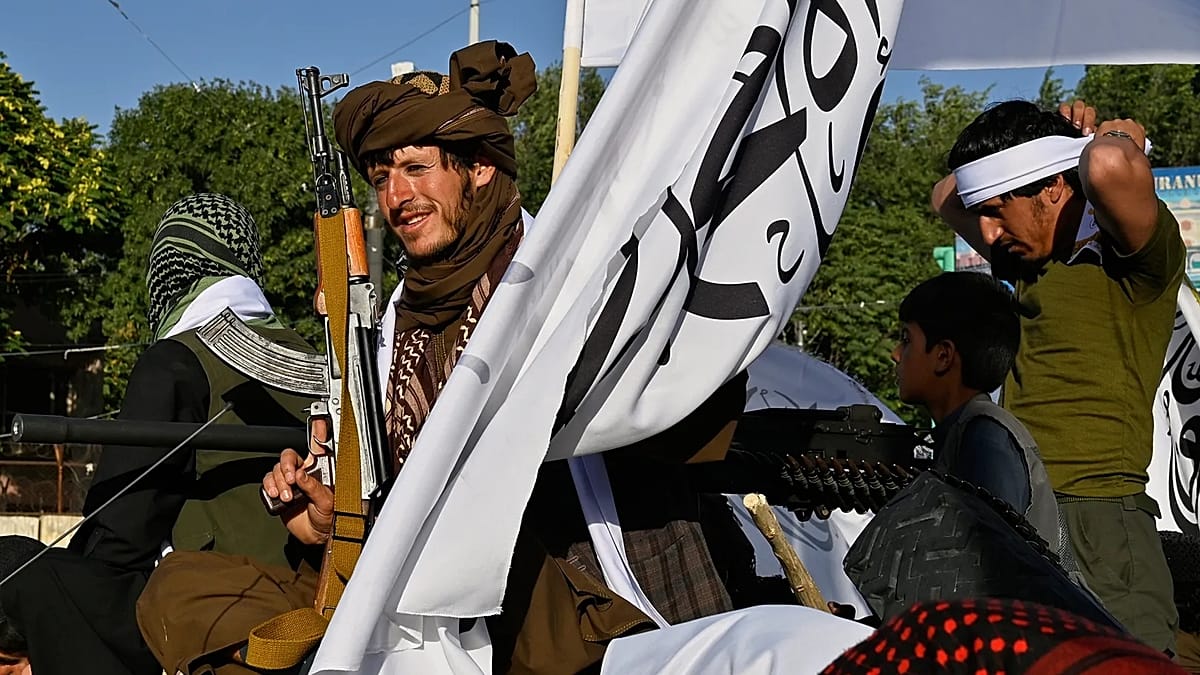
Five years after Afghanistan fell into the hands of the Taliban as they captured Kabul, the International Criminal Court has reportedly split its investigation of Taliban crimes from the broader Afghanistan probe in a move that could ease pressure from Washington on the court.
uncertain
that → fall → court
According to Middle East Eye, judges at the ICC's Pre-Trial Chamber II have ordered prosecutors to open a standalone investigation into alleged Taliban persecution of women, separating it from the court's long-running Afghanistan investigation, which also covered alleged crimes by US personnel.
uncertain
which → accord → personnel
The Chamber reportedly found that Taliban conduct since 2021 is "materially different" from the conduct the original investigation was authorised to examine, and directed prosecutors to open a standalone inquiry.
uncertain
investigation → find → inquiry
The ICC's Office of the Prosecutor would neither confirm nor deny the decision to Euronews, but it did indicate that the Taliban are the core concern of its probe.
asserted
Taliban → confirm → probe
“The investigation is focused on the Taliban leadership and their alleged crimes of persecuting women and political opponents, including the deprivation of fundamental rights, systematic arrests and torture,” a spokesperson said.
asserted
spokesperson → focus → rights
"The Office of the Prosecutor is unable to provide further comment on the investigation, or on the existence or non-existence of any alleged Court filing which is not public," the spokesperson added.
asserted
spokesperson → provide → filing
‘Deeply troubling’
Shaharzad Akbar, former head of the Afghanistan Independent Human Rights Commission and now a fellow at Oxford's Wolfson College, did not mince words on the split.
asserted
Akbar → mince → split
"Any selective justice is deeply troubling," Akbar told Euronews.
asserted
Akbar → tell → Euronews
"It is also alarming to hear the US's bullying, intimidation and attacks on the court are influencing decisions made about investigations."
asserted
bullying → hear → investigations
Akbar said Afghan civil society groups have "repeatedly asked the ICC for comprehensive investigations about all allegations that fall within its mandate," including allegations against US forces, and described Washington's conduct toward the court throughout the investigation as "appalling and shameful”.
asserted
that → say → investigation
The allegations against US personnel in Afghanistan relate primarily to the documented abuse of detainees at CIA detention facilities there, including the Salt Pit black site north of Kabul, and the conduct of US military interrogators.
asserted
allegations → relate → interrogators
The US Senate Intelligence Committee's 2014 report on the CIA's detention and interrogation programme found that detainees were subjected to waterboarding, sleep deprivation and other methods that constitute degradation and torture.
asserted
that → find → degradation
The next day, the US Justice Department announced it would not open any new criminal investigations as a result of its findings.
asserted
it → announce → findings
It also stated that if any foreign government issued an arrest warrant for a US official in connection with the programme, it would not enforce it.
asserted
it → state → it
No US government has ever acknowledged wrongdoing by US military or CIA personnel in Afghanistan.
asserted
government → acknowledge → Afghanistan
During US President Donald Trump's first term, the White House applauded an early ICC ruling that declined to open a formal investigation into US personnel’s actions in Afghanistan, calling it "a major international victory" for "patriots”.
asserted
that → applaud → patriots
The decision was later repealed.
asserted
decision → repeal → ?
Why were the two bundled together to begin with?
asserted
two → bundle → ?
Unlike other international tribunals, the ICC does not separate its investigations by belligerents in a conflict.
asserted
ICC → separate → conflict
It probes what it calls a "situation” defined by territory and time period.
asserted
it → probe → territory
Afghanistan ratified the Rome Statute in 2003, giving the court jurisdiction over crimes committed on Afghan soil from that date, regardless of who committed them.
asserted
who → ratify → them
When the Appeals Chamber authorised a formal investigation in 2020, it covered the Taliban and its affiliate the Haqqani network, the so-called Islamic State-Khorasan Province group (ISIS-K), Afghan government forces, and US military and CIA personnel, all under a single investigative umbrella.
asserted
it → authorise → umbrella
In 2021, then-prosecutor Karim Khan deprioritised the part of the investigation concerning US conduct, choosing to focus the court’s resources on the Taliban and ISIS-K.
But because the broader Afghanistan “situation” remained formally open, long-standing political pressure from Washington aimed at the investigation as a whole had the potential to affect the case against the Taliban simply because both were part of the same file.
asserted
both → deprioritise → file
That pressure became even more pronounced ever since Trump returned to office in January 2025, with his administration doling out further sanctions within months against ICC officials tied to the Afghanistan and Palestine investigations.
asserted
administration → become → investigations
In December, diplomats told Middle East Eye that at the court's oversight meeting, Washington pressed for both investigations to be dropped entirely as a condition for lifting sanctions on ICC officials.
asserted
investigations → tell → officials
The July 2025 warrants against Taliban leader Haibatullah Akhundzada and judiciary chief Abdul Hakim Haqqani for the crime against humanity of persecution of women and those perceived as allies of women on political grounds were issued amid those pressures.
asserted
warrants → perceive → pressures
Washington to bring down the court?
asserted
Washington → bring → court
Last month, the US State Department announced plans for a campaign to “dismantle” the court and "systematically disable" its "ability to operate (and to) target American servicemen or officials, or otherwise threaten American sovereignty."
asserted
Department → announce → sovereignty
It said actions could include increased restrictions and visa revocations, as well as travel bans on ICC personnel.
uncertain
actions → say → personnel
On Tuesday, Washington announced further sanctions on ICC President Tomoko Akane and senior trial lawyer Abdoulaye Seye, accusing them of "directly" engaging "in efforts by the ICC to investigate, arrest, detain, or prosecute officials whose government has not consented to ICC jurisdiction."
asserted
government → announce → jurisdiction
US Secretary of State Marco Rubio, who called the ICC a "corrupt and fatally politicised supranational court," added that it had "maliciously abused its authority and exceeded its mandate.”
asserted
it → call → mandate
The court "repeatedly attempted to assert authority over nationals of the United States and other countries that have not consented to its jurisdiction or ratified the Rome Statute,” according to Rubio.
uncertain
that → attempt → Rubio
The US has never ratified the Rome Statute.
asserted
US → ratify → Statute
President Bill Clinton signed it in his final days in office in December 2000, but the administration of George W Bush formally withdrew the signature in May 2002 and notified the UN that the US did not intend to become a party.
uncertain
US → sign → UN
US Congress followed that same year with the American Service Members' Protection Act, which authorises the president to use military force to free any US citizen or allied national held by the ICC, legislation informally dubbed the "Hague Invasion Act”.
asserted
which → follow → ICC
Meanwhile, Washington’s actions after pulling out of Afghanistan have gone beyond abandonment, according to Akbar.
uncertain
actions → pull → Akbar
"This context has emboldened criminal conduct and extensive violations across the world," she said.
asserted
she → embolden → world
"This is a gift to regimes like the Taliban, who can continue with impunity in a context of failing global order and rule of law."
asserted
who → continue → law
…and 13 more, not listed.
 The Aporia