The Aporia

Alvarez, J. L. (2026, November 11). Iran’s Guiana backdoor: Contested barrels, ghost flags, and the prison pipeline. Washington Examiner. https://www.washingtonexaminer.com/op-eds/4797643/iran-sanctions-evasion-guyana-suriname-energy-security-pact-would-secure-buffer/
Alvarez, Jose Lev. “Iran’s Guiana backdoor: Contested barrels, ghost flags, and the prison pipeline.” Washington Examiner, 11 Nov. 2026, https://www.washingtonexaminer.com/op-eds/4797643/iran-sanctions-evasion-guyana-suriname-energy-security-pact-would-secure-buffer/.
Alvarez, Jose Lev. “Iran’s Guiana backdoor: Contested barrels, ghost flags, and the prison pipeline.” Washington Examiner, November 11, 2026. https://www.washingtonexaminer.com/op-eds/4797643/iran-sanctions-evasion-guyana-suriname-energy-security-pact-would-secure-buffer/.
Dated from the outlet's own feed. Check the original for its byline.
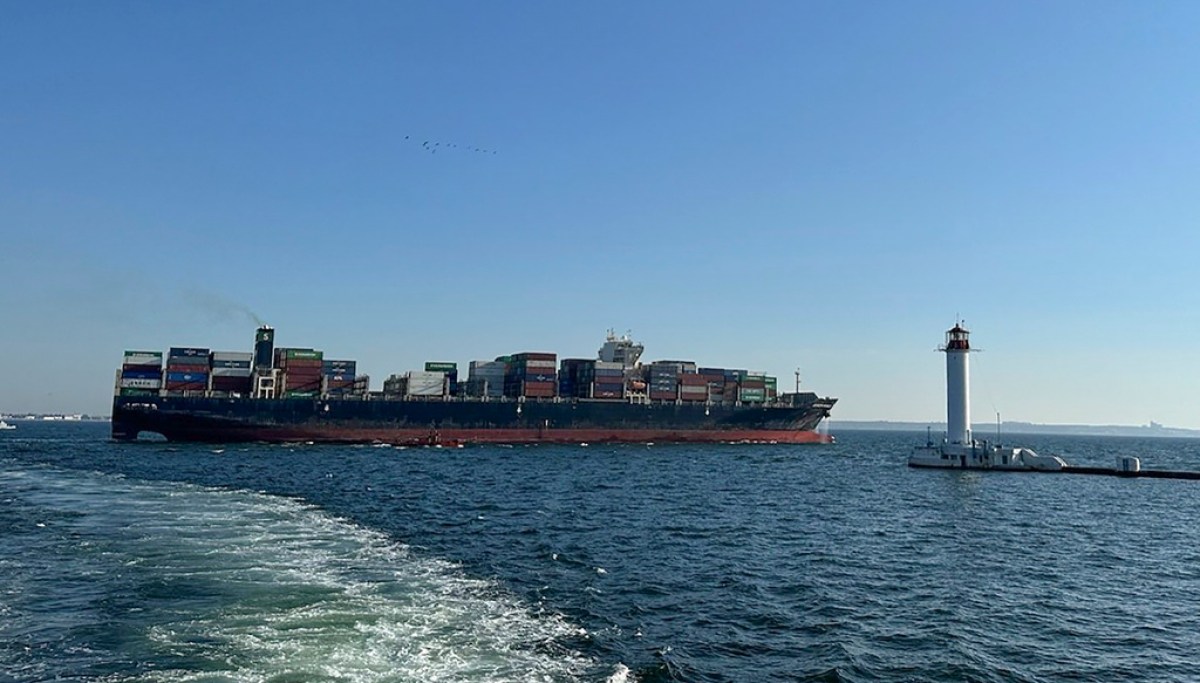
As of November 11, 2026, the Washington Examiner reported that Iran's maritime presence in northern South America is part of a long-term strategy to evade Western financial sanctions. In 2006, Iran and Venezuela established a shipping and petrochemical agreement aimed at moving crude oil outside of Western financial systems. This led to the formation of shell companies registered in Suriname, which later became key nodes for Iran's sanctions-evasion network. By 2008, Iranian naval personnel were conducting port visits across Venezuela under commercial pretenses, establishing operational knowledge over Caribbean transit lanes.
In parallel, Iranian proxies have been recruiting financially desperate ex-convicts and paroled felons from Brazil to conduct surveillance and operations for them, thus securing plausible deniability. This strategy has allowed Tehran to exploit South America's criminal networks as a conduit for its activities, highlighting the interconnectedness of geopolitical and criminal operations in the region.
Tehran’s maritime foothold in northern South America is not an improvised gambit; it is the calculated maturation of an architecture drafted two decades ago.
Iranian proxies have opened a dangerous second front by exploiting South America’s criminal underworld.