The Aporia
The Straits Times. (2026, November 11). Tight security as thousands gather for far-right Polish march. The Straits Times. https://www.straitstimes.com/world/europe/tight-security-as-thousands-gather-for-far-right-polish-march
The Straits Times. “Tight security as thousands gather for far-right Polish march.” The Straits Times, 11 Nov. 2026, https://www.straitstimes.com/world/europe/tight-security-as-thousands-gather-for-far-right-polish-march.
The Straits Times. “Tight security as thousands gather for far-right Polish march.” The Straits Times, November 11, 2026. https://www.straitstimes.com/world/europe/tight-security-as-thousands-gather-for-far-right-polish-march.
Dated from the outlet's own feed. Check the original for its byline.
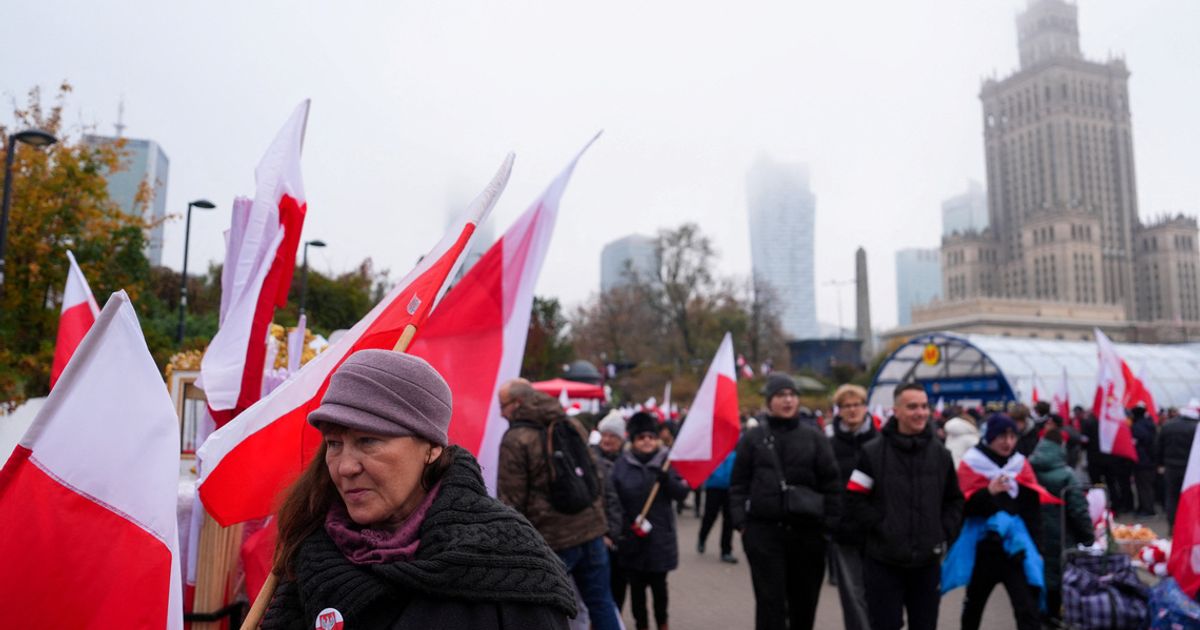
On November 8, 2026, thousands gathered for an annual far-right march in Warsaw, Poland, amidst tight security measures. The event, held on Independence Day, drew participants from across Europe amid political tension following a mass shooting in Krakow that killed six people and injured 15 on November 7. Prime Minister Donald Tusk appealed for restraint as ministers' comments suggested the gunman might have been motivated by far-right ideology, angering nationalists. The march organizers denied allegations of racism and antisemitism, stating it was an expression of national pride, while critics view it as a platform for hate speech. Prosecutors identified the Krakow shooter as Michał Oksiński, who later died in a shootout with police; his family home was found to have three additional victims—his sister, mother, and father.
The Independence Day march has long caused friction between right-wing parties and the now-ruling centrists, who say it is a platform for racism and antisemitism.