Photo via NPR

Oil giant ExxonMobil left Venezuela years ago. Now it's considering a return

Read the original at NPR ↗
Cite

Simon, J. (2026, November 11). Oil giant ExxonMobil left Venezuela years ago. Now it's considering a return. NPR. https://www.npr.org/2026/11/11/nx-s1-5979080/exxonmobil-oil-mou-venezuela

Dated from the outlet's own feed. Check the original for its byline.

NPR · collected 2026-11-11 · by Julia Simon

Quick Summary

ExxonMobil is considering returning to Venezuela after leaving nearly two decades ago due to disputes with the government under Hugo Chávez. On Monday, ExxonMobil signed a non-binding memorandum of understanding (MOU) with Petróleos de Venezuela, S.A., exploring potential oil exploration and production opportunities in Venezuela. The company’s return is partly prompted by recent reforms aimed at making the country more attractive for foreign investment, including changes to petroleum laws that provide more operational control for private companies. However, ExxonMobil remains cautious, emphasizing the need for stable policies and clear regulations before committing to further investment.
Written by AI on 2026-11-11, from this article's own text only (the story summary below draws on all the coverage).

AI analysis

Story summary

Oil giant ExxonMobil is considering a return to Venezuela, almost two decades after leaving the country. On November 6, ExxonMobil signed a non-binding memorandum of understanding with the Venezuelan government and its state-owned oil company, Petróleos de Venezuela, S.A. (PDVSA), to explore potential "upstream opportunities," which include oil exploration and production.

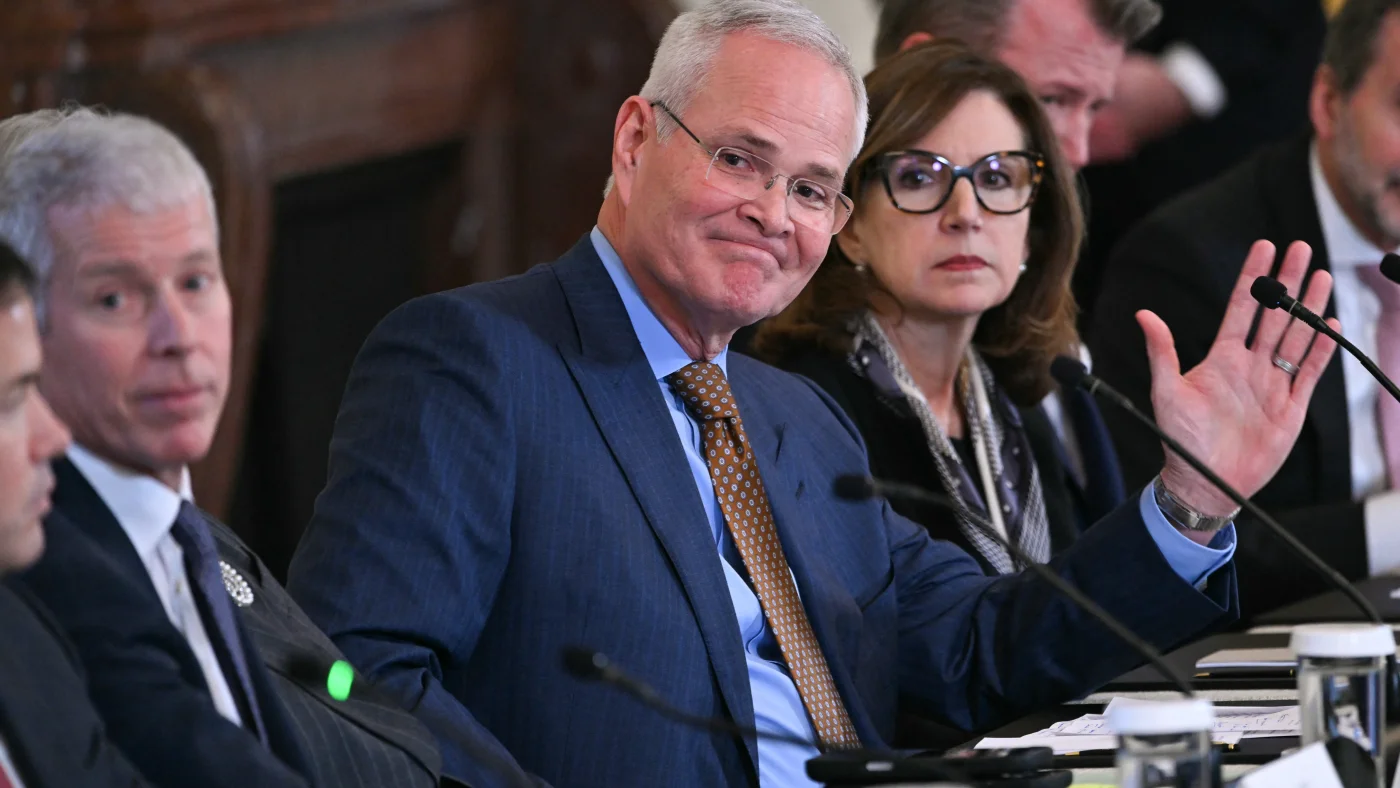
In January, shortly after former U.S. President Donald Trump's administration captured President Nicolás Maduro, Trump invited U.S. oil executives to the White House to urge investment in Venezuela. Initially, ExxonMobil CEO Darren Woods described the country as "uninvestable." However, recent changes in Venezuelan petroleum law have made the country more attractive for international oil companies by allowing private oil firms greater operational freedom.

The memorandum signals a potential shift in ExxonMobil's stance towards Venezuela, contingent upon stable policies and clear regulations that ensure competitive returns and investment protections.

Written for “ExxonMobil Considers Return to Venezuela” on 2026-11-11, grounded in this article and the 0 other(s) covering the same event.
Why this leaning score
This article does not take a side on a contested political question, so it has no leaning score. That is an answer rather than a gap: a match report or a rescue can be warmly or critically written without being left or right, and scoring it anyway is how approval of a subject gets recorded as a political position.
No political leaning scored for article 144447 · logged 2026-11-11

Story

ExxonMobil Considers Return to Venezuela
Economy/Business · 1 article(s) covering the same event.

Compared with similar articles

Nothing to compare against. No article is close enough to this one for the pipeline to have linked or judged the pair.
How this article was measured signals, leaning charts, publisher record, byline, topics and claims

Signals How these are calculated →

Claims extracted
25
sentences that state something as happening or true
Uncertain
4%
1 of 25 hedged ("reportedly", "may", "according to")
Leaning
not political
takes no side on a contested political question
Publisher signals
60/100
NPR's corrections and hedging, across everything collected from it. Not a measure of accuracy.
Outlets on this story
1
Economy/Business
Same framing elsewhere
1
articles that frame the event the way this one does
Analyzed 2026-11-11 · how these are computed

How this is being covered How these are calculated →

Article leaning vs. publisher reliability
Source leaning vs. consistency

Publisher

NPR · 1206 article(s) · 3 correction(s) detected
Running correction rate · 3 correction(s)

Who wrote this

Julia Simon
3 article(s) here · 1 carrying a prediction
"This memorandum is a meaningful first step," ExxonMobil's statement reads, "But any future investment would require stable policies, clear regulations, strong investment protections and competitive returns."
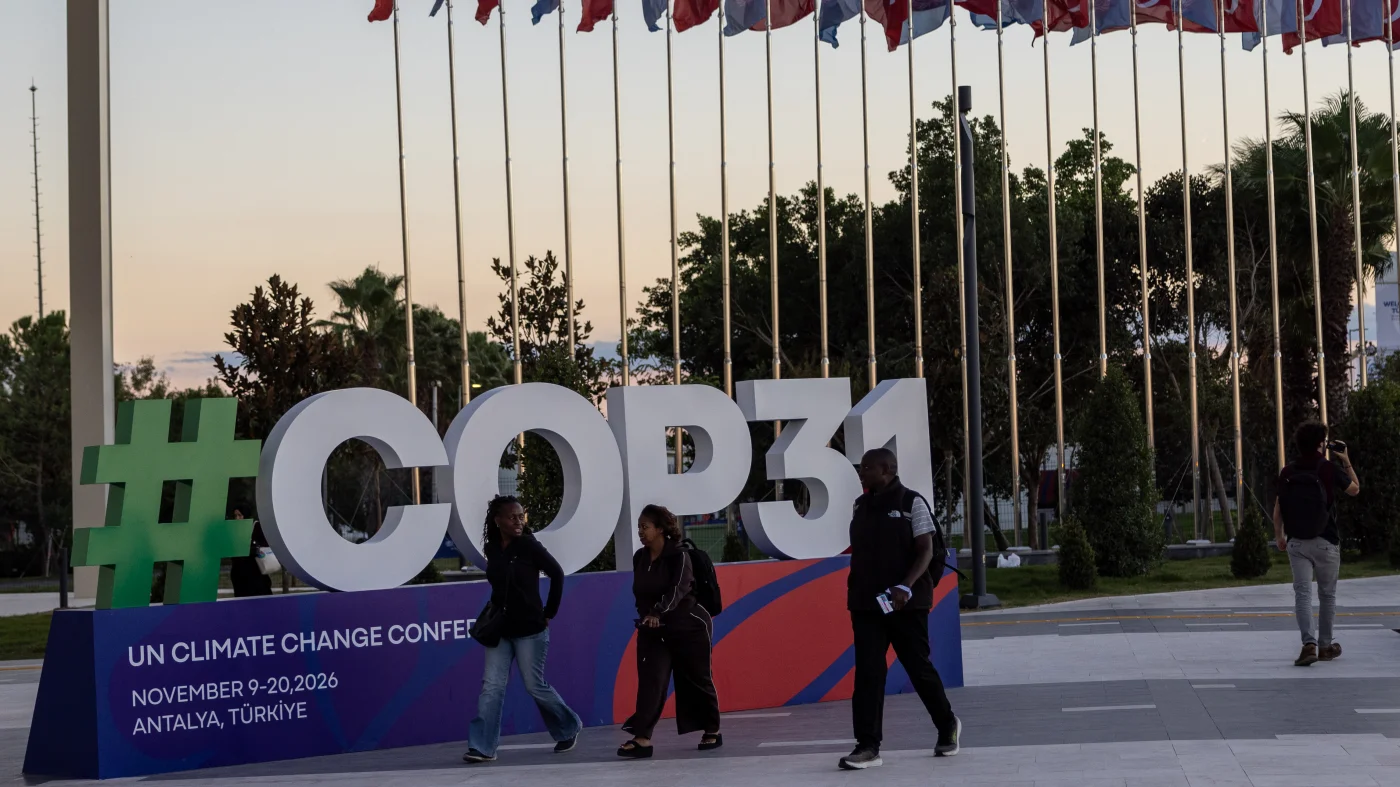
Here are 3 things to know For the next two weeks, country leaders will be in Antalya, Turkey, for the annual United Nations climate conference, called COP31.
President Trump made the announcement while campaigning in Lubbock, Texas, Tuesday, saying his administration's revision, under the Clean Air Act, would save the industry billions in production costs and spur more domestic drilling.
Also by Julia Simon
Nothing else under this byline is closely related to this article, so these are simply their most recent.

Topics

ExxonMobil Petróleos de Venezuela, S.A. U.S. Venezuela Venezuelan

Subjects

ExxonMobil ORG · 14× Venezuela GPE · 8× Venezuelan NORP · 5× U.S. GPE · 4× Guyana GPE · 2× Mahdavi PERSON · 2× Trump PERSON · 2× Nicolás Maduro PERSON · 1× PDVSA ORG · 1× Petróleos de Venezuela, S.A. ORG · 1×

Narrative

On a call with analysts last month, Woods said that while there is "progress being made on those areas– working on fiscal regimes, working on legal regimes, working on investor protections, a number of things that are kind of in progress.
framing: assertive · carried by 1 article(s) · first seen 2026-11-11
"This memorandum is a meaningful first step," ExxonMobil's statement reads, "But any future investment would require stable policies, clear regulations, strong investment protections and competitive returns."

Claims (25 extracted, 1 hedged)

Oil giant ExxonMobil left Venezuela years ago. asserted
ExxonMobil → leave → Venezuela
Now it's considering a return asserted
it → consider → return
ExxonMobil, the biggest U.S. oil company, is exploring a return to Venezuela after leaving almost two decades ago. asserted
ExxonMobil → explore → Venezuela
On Monday, the company announced it had signed a memorandum of understanding with the Venezuelan government and its state-owned oil company, Petróleos de Venezuela, S.A. asserted
it → announce → government
The MOU, which is typically a non-binding agreement, involves ExxonMobil examining potential "upstream opportunities" – that refers to oil exploration and production. asserted
that → involve → exploration
ExxonMobil said in a statement, "We welcome the opportunity to evaluate potential upstream opportunities with the Venezuelan government and PDVSA." asserted
We → say → government
A lot has happened in Venezuela's oil sector in the past ten months. asserted
lot → happen → months
In January, shortly after the Trump administration captured Venezuelan president Nicolás Maduro, Trump gathered U.S. oil company executives in the White House and urged them to invest in the country. asserted
Trump → capture → country
At that time, ExxonMobil CEO Darren Woods said the country was "uninvestable. asserted
country → say → time
But the country overhauled its petroleum law this year to make it more attractive for international oil companies. asserted
it → overhaul → companies
Those changes included allowing private oil companies more operational control in partnerships, as well as reforming taxes and royalties. asserted
changes → include → taxes
The country has also welcomed the expansion of other U.S. oil companies, including Chevron and Continental Resources. asserted
country → welcome → Chevron
Still, ExxonMobil executives have maintained a cautious tone. asserted
executives → maintain → tone
On a call with analysts last month, Woods said that while there is "progress being made on those areas– working on fiscal regimes, working on legal regimes, working on investor protections, a number of things that are kind of in progress. asserted
that → say → progress
"This memorandum is a meaningful first step," ExxonMobil's statement reads, "But any future investment would require stable policies, clear regulations, strong investment protections and competitive returns." asserted
investment → read → policies
ExxonMobil, which grew out of Standard Oil, operated in Venezuela for much of the 20th century. asserted
which → grow → century
Beginning in 2004, then-President Hugo Chávez forcibly renegotiated contracts with international oil companies and ordered the nationalization of ExxonMobil assets. asserted
Chávez → begin → assets
In 2007, ExxonMobil left the country. asserted
ExxonMobil → leave → country
In September 2025, a U.S. court ordered Venezuela to pay ExxonMobil over $985 million for the past expropriations. asserted
court → order → expropriations
Energy analysts tell NPR that ExxonMobil may be looking at oil fields in Venezuela's Orinoco Belt, an area with sizable oil reserves and where the company has operated in the past. uncertain
company → tell → past
The oil extraction process in this region generates a lot of greenhouse gas emissions, says Paasha Mahdavi, a political science professor at UC Santa Barbara who studies the oil industry. asserted
who → generate → industry
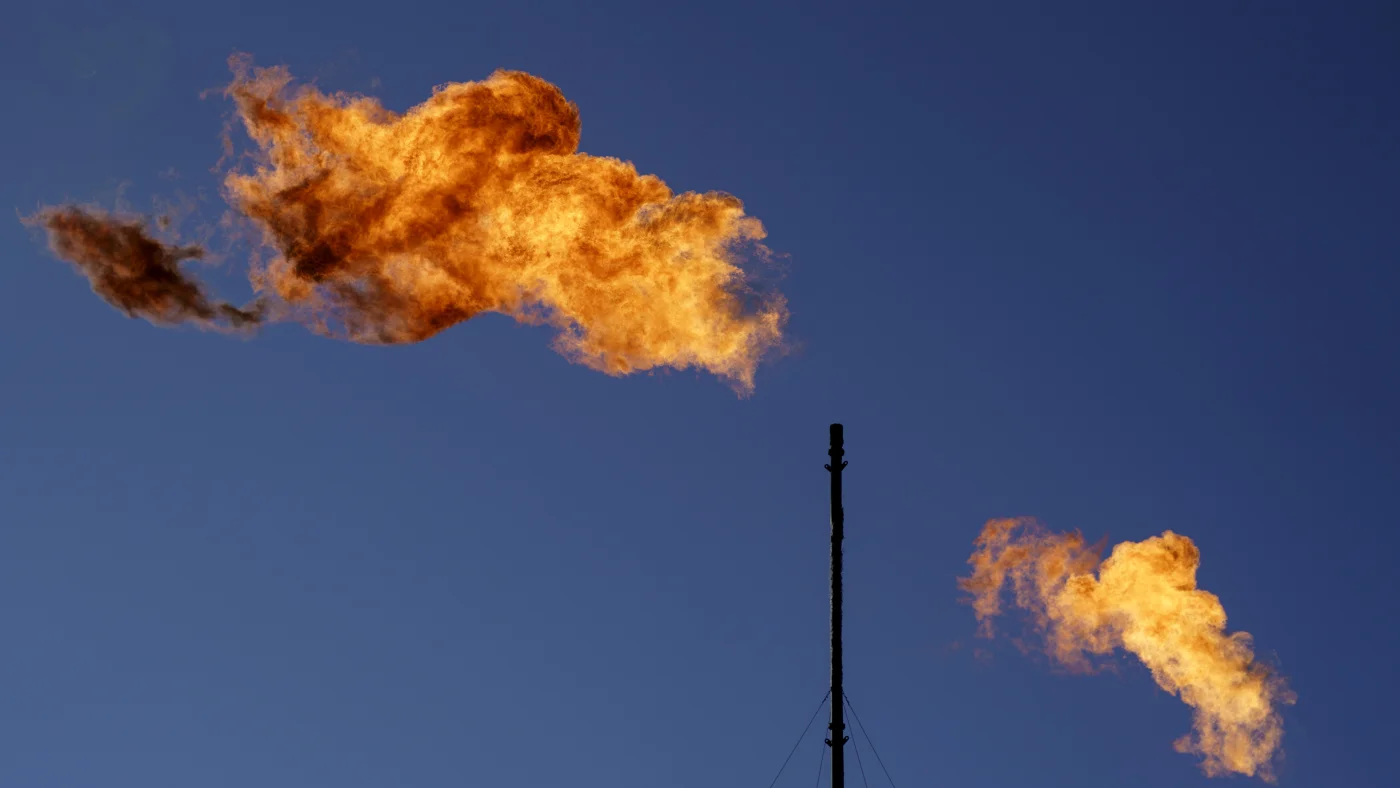
Mahdavi says oil production in the Orinoco Belt has particularly high methane levels, a potent planet-heating gas. asserted
production → say → levels
" This really matters from a global climate story," Mahdavi says. asserted
Mahdavi → matter → story
ExxonMobil also has large oil investments in Venezuela's neighbor, Guyana, a key emerging player in the international oil industry. asserted
ExxonMobil → have → industry
For years, Venezuela and Guyana have had a territorial dispute that has also been related to oil rights. asserted
that → have → rights

Give feedback · no sign-in needed

No sign-in needed for now. Your note is sent without a name, so it cannot be answered.

History Support