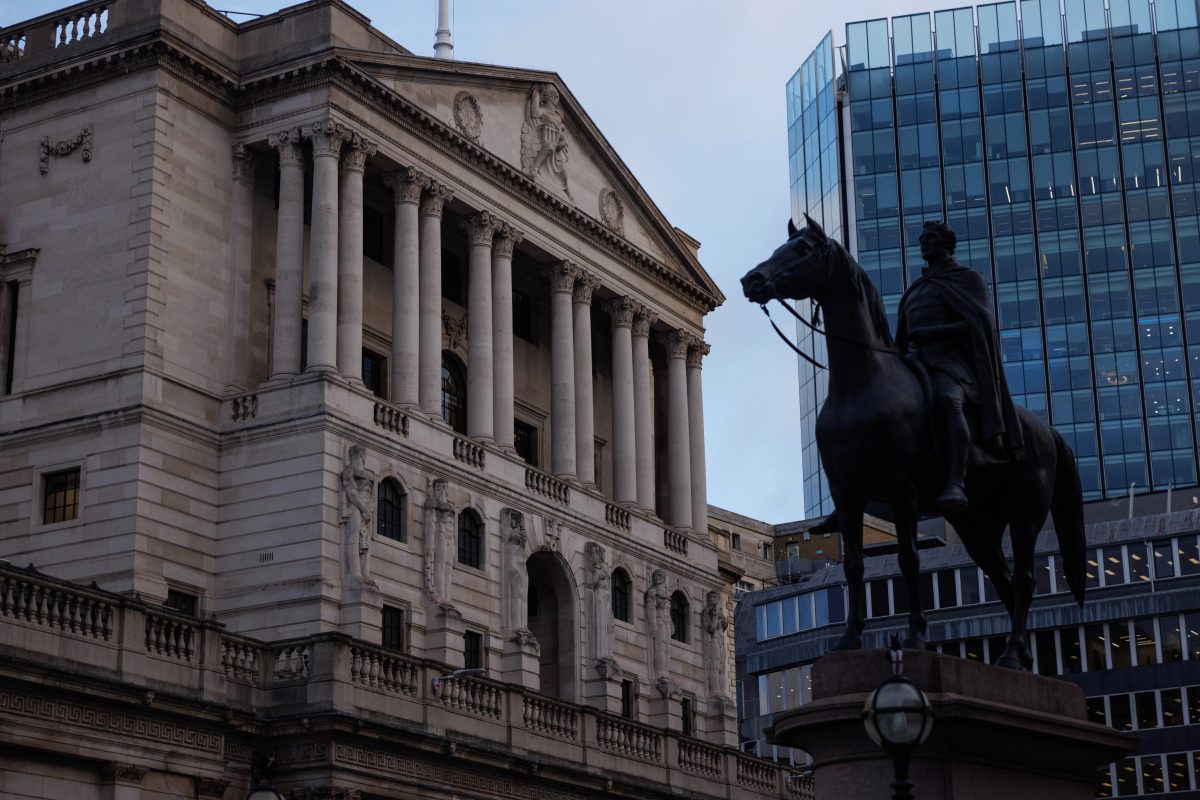
The Bank of England has been urged to hike interest rates to five per cent after new analysis suggested inflation may not return to the two per cent target until 2030.
uncertain
inflation → urge → 2030
The National Institute of Economic and Social Research (Niesr) said in its autumn report that the Bank should dramatically hike interest rates following a decision to tighten monetary policy to a four per cent rate last week.
asserted
Bank → say → rate
Analysis by the Westminster-based think tank said the effects of the Iran war were expected to lead to sticky inflation, elevated borrowing costs and a potential £30bn spending “test” for Andy Burnham and John Healey.
asserted
effects → base → Burnham
Forecasts cautioned that just one further hike in interest rates would mean that price growth only returned to the Bank’s target rate in four years.
asserted
growth → caution → years
The Bank is mandated to achieve price stability over the medium term, which represents a period of around 18 months to two years.
asserted
which → mandate → years
Economists wrestle over interest rates
asserted
Economists → wrestle → rates
Analysts at Niesr warned that the Bank was at risk of overlooking so-called second round effects, whereby higher inflation gives rise to wage bargaining in a spiralling price effect across the economy.
asserted
inflation → warn → economy
Niesr’s warning centred on the fact that about three quarters of workers across the UK economy were set to agree pay settlements with employers in the first three months of next year, just as inflation was expected to peak above four per cent.
asserted
inflation → centre → cent
The institution’s latest report suggested that inflationary pressures could become embedded in the economy due to people’s price growth expectations and “not enough slack in the economy”, which would be shown by high unemployment rates or low job vacancy numbers.
uncertain
which → suggest → rates
The Bank of England’s Monetary Policy Committee has previously warned that higher unemployment and fewer availabilities for work could weaken workers’ powers for demanding pay increases.
uncertain
unemployment → warn → increases
The interaction between the labour market and price-setting is central policymakers’ judgement on whether to hike interest rates.
asserted
interaction → hike → rates
In its forecast update last week, the Bank said inflation would peak at 4.9 per cent by July next year before dropping to two per cent in 2028.
asserted
inflation → say → 2028
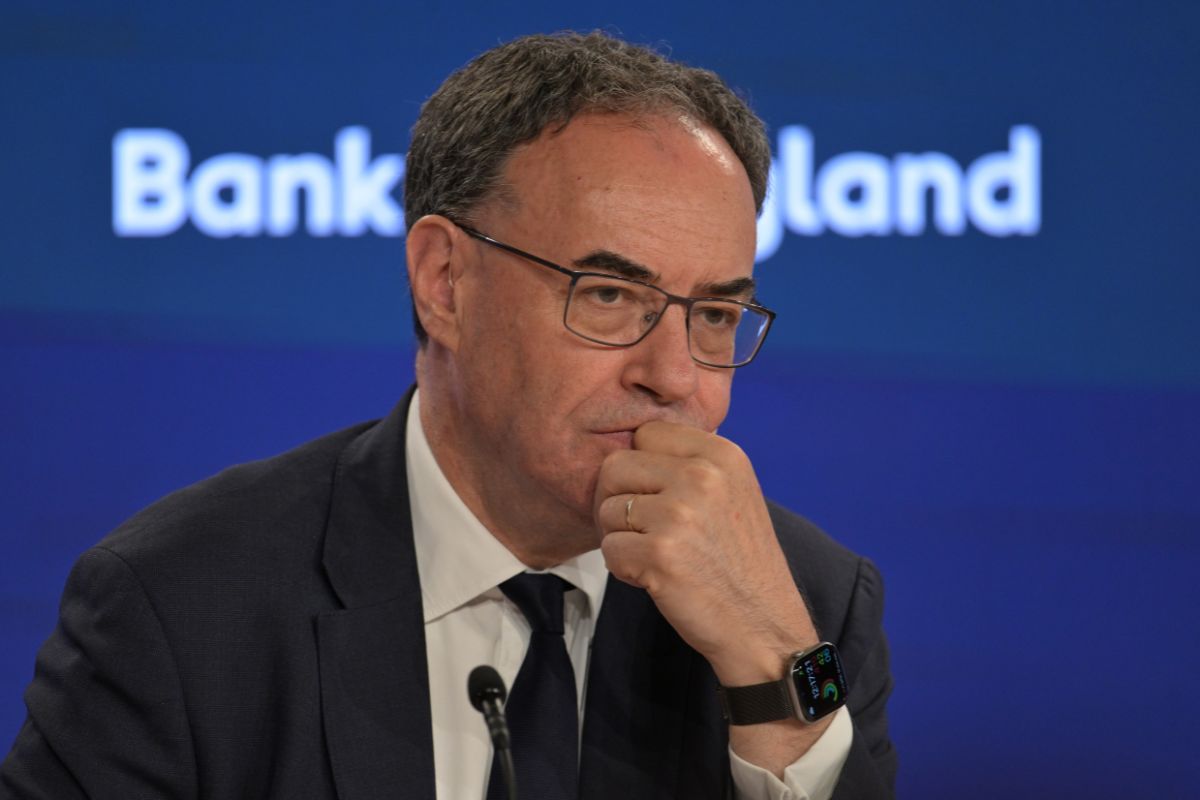
Governor Andrew Bailey said he could “see the argument” for another interest rate hike to 4.25 per cent if energy prices remained higher and a larger spike in inflation began to emerge in the coming months.
uncertain
spike → say → months
The central bank’s projections were based on a scenario where President Trump ended the Iran war, trading flows through the Gulf region resumed in the near term and international energy prices fell from $108 per barrel of Brent crude oil to about $75 by 2028.
asserted
prices → base → 2028
Oil prices were at around $90 per barrel on Tuesday after Trump suggested the war was “effectively over”.
uncertain
war → suggest → Tuesday
Nevertheless, Niesr analysts said they remained more concerned about inflation persisting in the UK economy as they warned that the Bank’s rate-setters were “behind the curve” as a total of two rate rises would not be sufficient to get inflation back to target.
asserted
total → say → target
Healey facing ‘test’
asserted
Healey → face → test
In the scenario that interest rates went as high as 4.75 per cent, about 0.4 percentage points would be knocked off GDP growth in 2028 and 2029, they predicted.
asserted
they → go → 2028
This would mean that the UK economy expanded by just 0.5 per cent in 2028 although researchers said an immediate move to hike interest rates further was necessary to prevent a larger impact on growth down the line due to uncertainty over inflation.
asserted
move → mean → inflation
Higher interest rates could also make Chancellor John Healey’s bid to keep public finances in order more challenging, the group acknowledged, as higher debt interest payments would be demanded of the government.
uncertain
payments → make → government
Healey could miss his fiscal rules by up to £30bn if he moves to top up defence and care expenditure while keeping other departmental spending growing in real terms, according to Niesr calculations.
uncertain
he → miss → calculations
Economists urged Healey to stick the course for tightening fiscal policy in the coming years.
asserted
Economists → urge → years
The Spending Review in 2027 would be the “real test” after the Budget failed to put public finances “on a firmer footing” and deferred major policy decisions, according to Niesr.
uncertain
Budget → fail → Niesr
Economists warned that recent governments had tended to top up budgets before a Spending Review, echoing the Office for Budget Responsibility’s own warnings.
asserted
governments → warn → warnings
The organisation urged the Labour government and opposition parties to be “more realistic” about spending cuts and tax hikes instead of focusing on an increase in the size of the state or decrease in rates paid by households and businesses.
asserted
organisation → urge → households
 The Aporia